
Lion’s mane jellyfish are washing up on New England beaches, and experts warn people not to touch them even after they die | World News

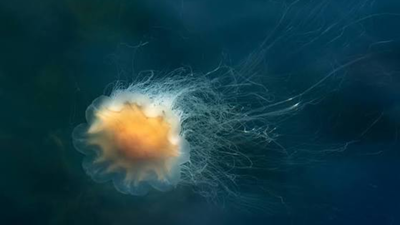
Visitors heading to parts of the New England coastline this summer are being asked to pay closer attention than usual to what has washed up along the shoreline. Beaches that are typically known for calm walks, family outings and swimming have recently seen an unusually large number of lion’s mane jellyfish, prompting warnings from local authorities in Massachusetts. The concern is not simply the presence of these marine animals in the water. Even after they die or become stranded on the sand, their tentacles can remain capable of delivering painful stings for weeks. That unusual characteristic has led councils, beach managers and wildlife experts to urge people to avoid touching any jellyfish they encounter, whether they appear alive or not.
Lion’s mane jellyfish washing ashore across New England spark public safety concerns
Several coastal communities across Massachusetts have begun alerting residents and visitors after reports of increasing numbers of lion’s mane jellyfish appearing along beaches and in shallow water.As reported by The New York Post, officials in the seaside city of Beverly advised people to keep children and pets away from stranded jellyfish and to avoid handling detached tentacles under any circumstances. The warning reflects the fact that stinging cells can continue functioning long after the animal itself has died, making discarded remains just as much of a hazard as living jellyfish.Similar messages have also been shared elsewhere along the coast as beach managers respond to growing sightings during the summer season.
Why these jellyfish remain dangerous
Unlike many marine animals that become harmless after death, lion’s mane jellyfish can still cause painful injuries because microscopic stinging cells remain active inside their tentacles. Contact with even a detached piece can trigger the same defensive reaction as a living animal.Reports from marine experts suggest those stinging cells may stay effective for as long as 25 days after the jellyfish dies, depending on environmental conditions. For beachgoers, that means an apparently lifeless animal lying on the sand should still be treated with caution.The risk also extends to pets, which may investigate stranded jellyfish out of curiosity.
How large can a lion’s mane jellyfish grow
The lion’s mane jellyfish ranks among the largest known jellyfish species. While many individuals are far smaller, some have reached remarkable sizes.Historical records from waters off Massachusetts include specimens with tentacles stretching roughly 120 feet, placing them among the longest animals found in the ocean. Their distinctive appearance combines a broad bell with dense trailing tentacles that resemble the mane of a lion, giving the species its common name.Large individuals can become especially noticeable when tides or changing currents push them towards busy beaches.
Thousands reported along parts of the coast
People living along sections of the Massachusetts coastline have shared photographs and videos showing significant numbers of lion’s mane jellyfish gathering near beaches and tidal areas.Local kayaking operators on Cape Cod have described seeing thousands of jellyfish carried into marshes by incoming tides. Similar reports have emerged from communities stretching between Nahant and Salem, where beach visitors have encountered the animals both floating offshore and stranded along the shoreline.Swimming areas have also been affected. In South Boston, local recreation officials acknowledged that swimmers had already been stung and advised visitors to enter the water only after understanding the potential risk.
Why predicting jellyfish arrivals is difficult
Marine specialists say there is rarely a single explanation for sudden increases in jellyfish along particular stretches of coastline.Water temperature, tidal movement, prevailing winds and ocean currents all influence where jellyfish eventually gather. Small shifts in those conditions can concentrate large numbers near beaches for several days before they disperse again.Because so many natural factors interact at once, forecasting exactly when or where lion’s mane jellyfish will appear remains difficult, leaving coastal authorities to rely largely on public reports and regular beach monitoring during the busiest weeks of summer.
Advice for beach visitors
- Stay alert when visiting affected beaches, especially after high tide when stranded lion’s mane jellyfish are more likely to wash ashore.
- Never touch a jellyfish or its detached tentacles with bare hands, even if it appears dead or dried out.
- Keep children away from washed-up jellyfish and other marine animals on the beach.
- Prevent dogs and other pets from approaching or sniffing stranded jellyfish during walks.
- Check for local beach advisories before swimming or visiting the shoreline.
- Follow updates from local authorities, as jellyfish numbers can change with tides, currents and weather conditions.
- Report large numbers of stranded jellyfish to local beach officials where appropriate.
- If stung, seek appropriate first aid and medical attention if symptoms are severe or persistent.


