
Peekaboo Benefits: Why do babies love playing peekaboo? The surprising brain science behind it


Covering the face, disappearing for a moment, and then coming back with a “Peekaboo!”- One of the very first games a baby plays in life. The best part is they enjoy it with so much joy that everyone loves to play it with them. To adults, it’s may be just a simple way of entertaining the child, but to babies, peekaboo feels more than a fun game. What exactly is the science behind a peekaboo? Does it also provide developmental benefits to the baby’s brain? And what do babies love so much about it? Here’s what we know.
7 Jul 2026 | 16:15
What was the most useful baby product during the first six months?
What peekaboo teaches children
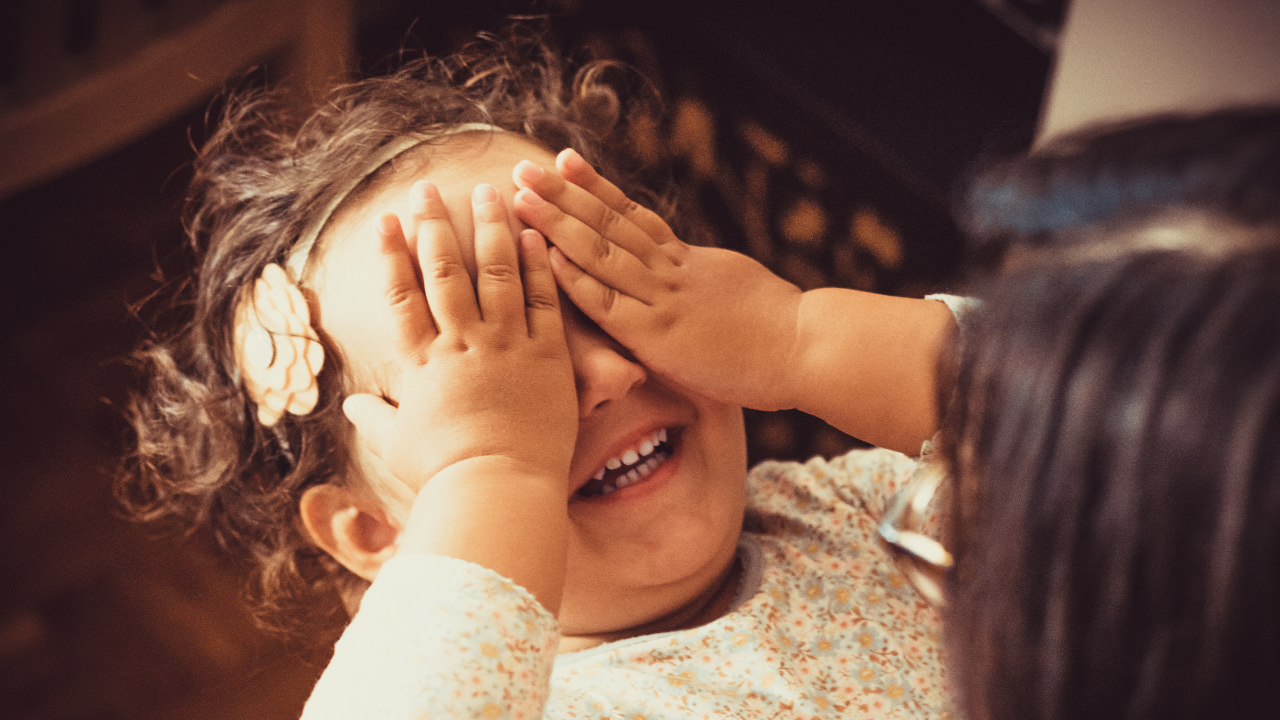
Image: Canva
Object permanence is the brain’s understanding that people and objects continue to exist even when they are out of sight. One of the biggest reasons peekaboo fascinates babies is that it helps them develop the very same ability. According to Swiss developmental psychologist Jean Piaget, object permanence is one of the major cognitive milestones during infancy. Most babies begin developing this understanding between 8 and 12 months.Developmental psychologist Dr. Aliza Pressman explains that before this milestone, if a six-month-old sees a toy covered with a cloth, they often behave as though it has vanished completely. By around nine months, however, many babies will actively lift the cloth to search for it, showing that they now understand the object still exists.This way, Peekaboo repeatedly reinforces this idea, and every round teaches the same lesson to the infant: You disappear, you still exist, you come back. This simple sequence builds one of the very first foundations of logical thinking.
Peekaboo also builds a sense of security
Peekaboo is also about relationships. According to Dr. Aliza Pressman, every game gives babies repeated evidence that the people they love may leave their immediate view- but they reliably return. “You’re gone… and now you’re back,”- this is what goes inside the baby’s head, as they rehearse an emotional experience. Developmental experts believe these everyday experiences contribute to secure attachment and may make later separations, such as starting preschool, a little easier to navigate.
Peekaboo is one of a baby’s first social games
Image: Canva
Canadian psychologist Jordan Peterson has described peekaboo as something much bigger than a simple game. According to him, parents and babies quickly establish shared “rules.” The baby makes eye contact, the parent responds, both exchange smiles, and together they create a playful interaction. In Peterson’s words, peekaboo becomes a tiny “social microcosm.”The back and forth interaction teaches babies human connection and its “rules” such as; reading facial expressions, responding to another person’s emotions, and maintaining shared attention.
Babies enjoy the perfect amount of surprise
One reason peekaboo never loses its charm is that it creates what psychologists sometimes describe as an optimal level of surprise. Jordan Peterson describes this as placing the infant “on the border of order and chaos”- where experiences remain exciting but still feel safe.
Why babies can’t get enough of playing peekaboo
Parents often wonder why babies happily repeat peekaboo dozens of times without getting bored. The answer lies in how infant brains learn. The game also gives babies a rewarding sense of mastery. After a few rounds, many begin to anticipate what comes next. They may smile before the parent reveals their face, try to pull away the parent’s hands, or even cover their own face to start the game themselves. In simple words, peekaboo feels emotionally rewarding to babies. In bigger learning for parents here is that you don’t need special or expensive toys to help your child’s development. Making every interaction engaging and joyful is what a child needs for healthy learning!


