
Discover the Stinky Secrets Behind Your Favorite Perfumes: 4 Surprising Ingredients! |


You spend thousands on a bottle of perfume sitting on your dresser. But what if we said that your perfumer is probably using some stinky ingredients to help you smell good? Yes, you heard that right. Perfumers have spent centuries chasing the worst smells on earth because, diluted and blended just right, they turn into the very thing that makes you smell unforgettable, in the best way. Vinniit Aroraa, an Indian perfumer and the founder of RAD LVNG, explains four ingredients that smell revolting on their own but become the backbone of some of the world’s most expensive fragrances.
Musk grain

AI generated image
You may want to sit down for this: the expensive musk smell comes from the musk pod of the male musk deer. That pod is a scent gland in a hair-covered sac on the abdomen, near the genitals. Most often, musk deer are hunted or killed for these glands. “So desirable that we hunted the deer nearly to extinction for it. You know that warm, skin-like thing that makes your perfume stay on for hours? This is why,” Aroraa said in a video shared on Instagram. When raw, it smells sharp, fatty, and almost urinous. But when diluted in alcohol and aged, it becomes perfumery’s favourite fixative. It is the reason a spray from this morning still lingers on your scarf tonight. As musk deer have been protected since 1979, almost everything labelled ‘musk’ today is synthetic.
Beaver secretion

AI generated image
Another ingredient used in your expensive perfumes is castoreum, a beaver secretion. This secretion sits in the castor sacs, located near the tail. Beavers use it with urine to mark their territory. It smells leathery, smoky, and sharp, with birch tar notes. However, when blended into a formula, it softens and becomes sensual. According to Aroraa, some premium fragrances, including Chanel and Guerlain Shalimar, have used this. Natural castoreum required killing the animal, which is a big part of why it has quietly disappeared from modern formulas.
Whale vomit
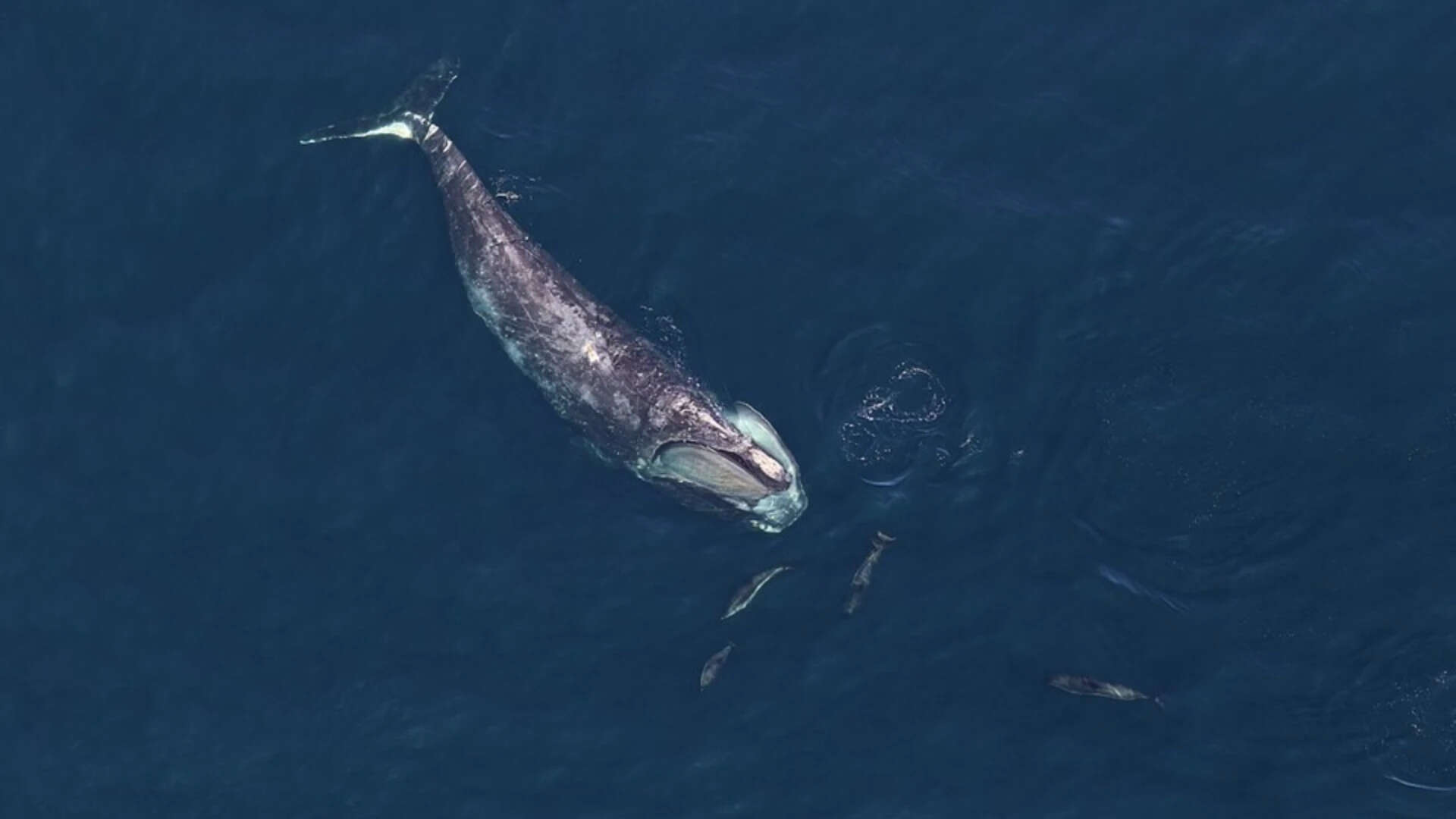
Representative image of a right whale. Image credits: Wikimedia Commons
Ambergris, a waxy substance that comes from a sperm whale’s intestines, is also used in perfumes. This substance forms in the whale’s digestive system after it eats squid. It is expelled and later found floating at sea or washed ashore. People often call it whale vomit. When fresh, it has a harsh smell, almost like a faecal substance. But as it ages, it becomes more pleasant. The woody, musky, sweet, earthy, and slightly marine fragrance in your perfume comes from this. In perfumery, it is valued less for a single note and more for the depth it adds. Ambergris makes other scents cling to the skin far longer than they would on their own.
A tree’s infection
Would you believe that an infection on a tree is being bottled and sold to you as perfume? Agarwood, better known as oud, is a favourite fragrance for many. But did you know that it does not exist in a healthy Aquilaria tree? It only forms after the tree is wounded or infected by a specific mould. In response to this infection, the tree produces a dark, fragrant resin. This resin is harvested and used. “The tree’s trauma is bottled and sold for thousands per kilo,” the perfumer said. Genuine wild oud can run into thousands of dollars per kilo, and part of the reason is that nobody can force a tree to get sick on schedule.
Why doesn’t your perfume actually smell like any of this?
Nearly all of it is synthetic now. The animals and trees are too precious to be harmed, and strict laws are in place. Whale vomit is also too random to rely on. So chemists have spent decades reverse-engineering deer glands and whale gut in a lab, molecule by molecule. Those synthetic versions are sitting in almost every bottle on your shelf right now, quietly doing the job the real thing used to do.


