
Common punishments that may do more harm than good |


You’ve asked your child to stop jumping on the sofa five times. They’ve ignored you again. The milk is on the floor, homework is untouched, tempers are rising, and before you know it, you’ve shouted, taken away their favourite toy, or said something harsher than you intended. Parenting rarely happens in picture-perfect moments. It happens on busy mornings, after exhausting workdays, during sleepless nights, and in the middle of endless negotiations with tiny humans who seem determined to test every boundary. Discipline is part of raising children, and every child needs it. But there’s an important difference between discipline that teaches and punishment that simply hurts. While many punishments bring immediate silence or obedience, they don’t always help children understand why their behaviour was wrong. Sometimes, they leave behind something much bigger: fear, shame, or the feeling that mistakes make them less lovable. Modern child psychologists increasingly agree that the goal isn’t to raise children who obey because they’re scared. It’s to raise children who make better choices because they understand their actions. Here are some common punishments that may deserve a second thought.
Yelling until they stop
28 Jun 2026 | 12:49
Should parents let their child miss school to attend a family wedding?
There is no parent who hasn’t lost their temper at least once. Children can push every emotional button, and sometimes raising your voice feels like the only thing that gets their attention. The problem is that yelling often works only in the moment. A child may stop what they’re doing because they’re startled, not because they’ve understood the lesson. Over time, frequent shouting can make children anxious, defensive, or simply numb to being yelled at. Ironically, parents may find themselves shouting louder each time because the old volume no longer works. Children tend to remember how they were made to feel long after they forget the words that were said. A calm but firm conversation usually teaches far more than a loud lecture ever can.
Punishing them in front of everyone
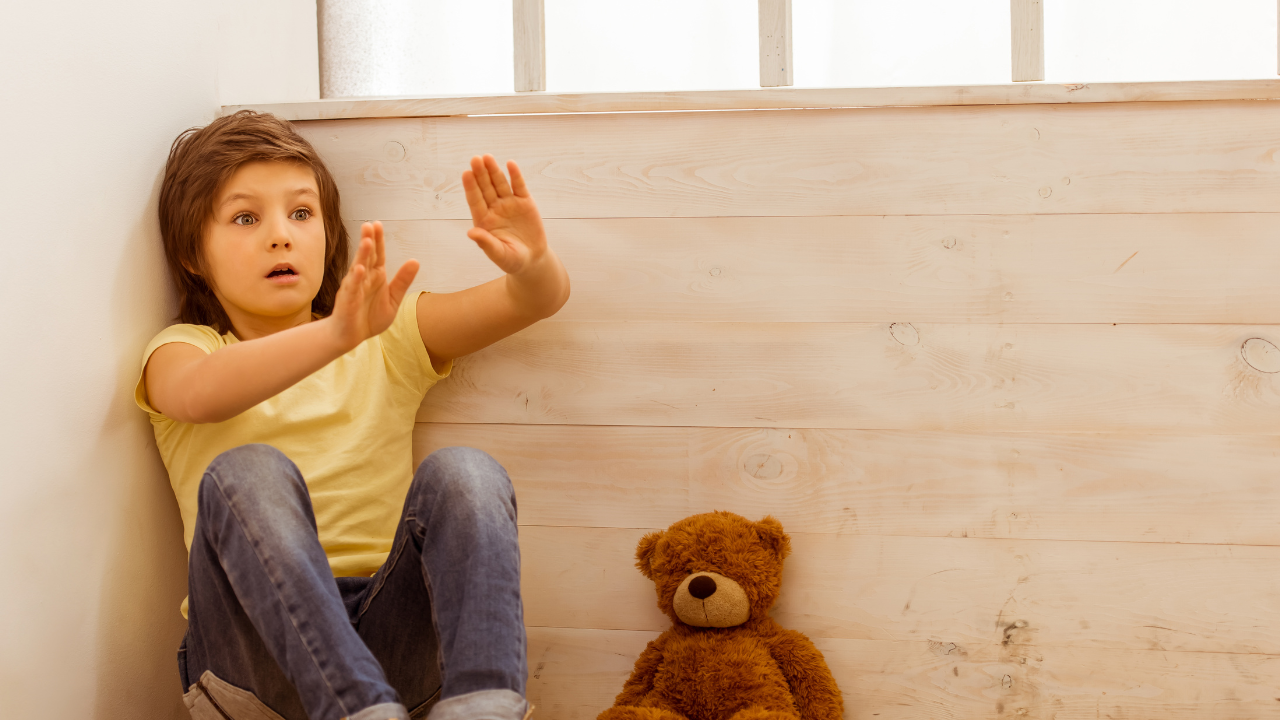
Whether it’s at a family gathering, in the supermarket, or during a birthday party, publicly scolding a child can feel like an easy way to stop bad behaviour instantly. But embarrassment is a powerful emotion, especially for children. Instead of thinking about what they did wrong, they often become consumed by the humiliation of being watched. Some children become quieter and withdrawn, while others respond with even more anger because they feel cornered. Correcting behaviour privately whenever possible protects a child’s dignity while still making it clear that certain actions are unacceptable.
Comparing them with another child
“Why can’t you be more like your sister?” Look at your cousin. He never argues.” Many adults still remember hearing these sentences years later. Comparisons are usually meant to motivate, but they often create the opposite effect. Rather than inspiring improvement, they can make children feel that they are constantly falling short of someone else’s standards. Over time, this may chip away at their confidence and even create resentment between siblings or cousins. Every child grows differently. Not every quiet child is well-behaved, and not every energetic child is difficult. Recognising individual strengths often motivates children far more than reminding them of someone else’s achievements.
Taking away affection

Some parents become completely silent after a child misbehaves. Others refuse hugs, avoid eye contact, or say things like, “Don’t talk to me.” For adults, this may simply be frustration. For children, it can feel much bigger. Young children rely on affection as reassurance that they are safe and loved. When love suddenly feels conditional, they may begin believing that making a mistake means risking the relationship itself. Children certainly need consequences, but they also need to know that disappointing behaviour does not make them unworthy of love. The message should always be clear: “I didn’t like what you did, but I still love you.”
Punishments that have nothing to do with the mistake
Imagine a child accidentally spills juice on the carpet and loses television for the next week. Or forgets homework once and suddenly every toy disappears. When consequences seem unrelated to the behaviour, children often focus on how unfair the punishment feels instead of reflecting on their actions. The lesson gets lost.Natural consequences usually make much more sense to young minds. If toys are thrown around carelessly, they can be put away for the rest of the day. If a child creates a mess, they can help clean it up. The punishment becomes part of the learning instead of something that feels random.
Calling children names
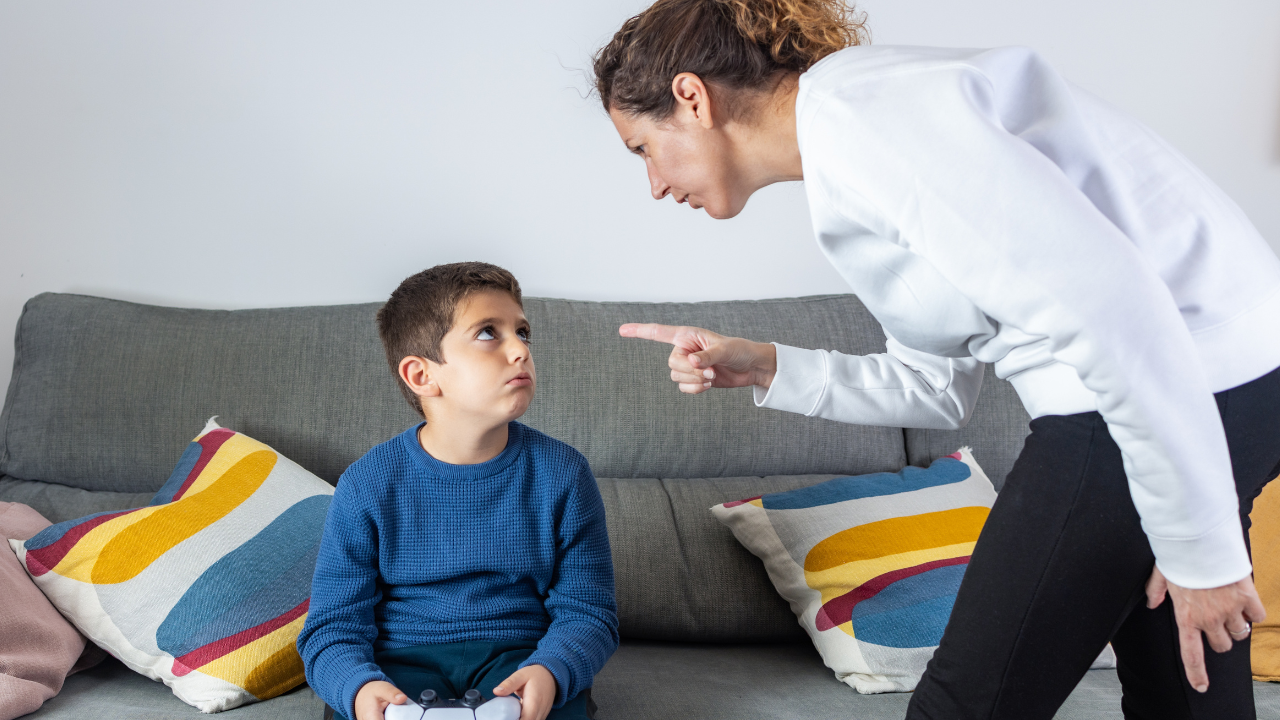
Sometimes frustration slips into language without parents even noticing. “You’re so lazy.” “You’re impossible.” “You’re such a bad kid.” These labels can stay with children far longer than most adults realise. Children are still discovering who they are, and they often borrow their identity from the words they hear repeatedly. A child who constantly hears they’re “naughty” or “lazy” may slowly begin believing that’s simply who they are. Describing the behaviour instead of the child makes a world of difference. Saying, “That wasn’t a kind thing to do,” leaves room for change. Saying, “You’re mean,” makes kindness feel like something they’re incapable of.
Physical punishment
For generations, many families believed that a slap or spanking was simply part of growing up. Today, research paints a more complicated picture. While physical punishment may stop behaviour immediately, it often does so because children are afraid rather than because they’ve understood the lesson. Studies have linked frequent physical punishment with higher levels of aggression, anxiety, and difficulty managing emotions later in life. Children learn as much from what adults do as from what adults say. When conflict is handled with hitting, they may begin seeing physical force as an acceptable way to solve problems themselves.
Ignoring the reason behind the behaviour
Not every tantrum is about being “difficult.” Sometimes a child is overtired. Sometimes they’re overwhelmed after school. Sometimes they’re hungry, scared, jealous of a new sibling, or struggling to express emotions they don’t yet have words for. Punishment that focuses only on the behaviour can miss the reason it happened in the first place. That doesn’t mean every action should be excused. Boundaries remain important. But when parents take a moment to understand what’s driving the behaviour, discipline becomes less about control and more about teaching emotional regulation.The truth is, no parent gets it right every single day. Everyone loses patience. Everyone says something they wish they could take back. Children don’t need perfect parents, they need parents who are willing to repair, apologise when necessary, and keep learning. Years from now, most children won’t remember whether they lost screen time for three days or five. What they are more likely to remember is how safe they felt bringing their mistakes to the people they trusted most. And in the end, that’s often the lesson that shapes them far more than the punishment ever could.


