
The ministry said the products covered include certain herbal and medicinal liquid preparations, including cardamom and ginger tinctures. NEW DELHI: Oral medicinal formulations containing more than 12% ethyl alcohol and sold in bottles larger than 30 ml will soon require a doctor’s prescription after the Centre amended the Drugs Rules to curb their misuse.Officials said the move follows complaints from states, including Uttar Pradesh and Madhya Pradesh, that certain medicinal tinctures were allegedly being misused. Traditionally, tinctures containing ingredients such as cardamom and ginger were intended as medicinal preparations, largely used as digestive aids. However, some products allegedly contained 60-80% ethyl alcohol and were allegedly being sold as medicinal products despite containing very high levels of ethyl alcohol and were reportedly being misused like liquor.The ministry said the products covered include certain herbal and medicinal liquid preparations, including cardamom and ginger tinctures. These are concentrated herbal extracts prepared using ethyl alcohol as a solvent, not the kitchen spices themselves. While cardamom and ginger have long been used in traditional medicine, particularly for digestive and other therapeutic purposes, some tincture formulations contain 80-90% ethyl alcohol, making them vulnerable to misuse for intoxication.The health ministry has notified the Drugs (Tenth Amendment) Rules, 2026, under which such formulations will no longer be exempt from licensing requirements under Schedule K of the Drugs Rules, 1945. Instead, they will be brought under Schedule H1, meaning they can be sold only against the prescription of a registered medical practitioner. Pharmacies will also have to maintain records of every sale. The rules will come into force six months after their publication in the Official Gazette.With the amendment, oral medicinal formulations containing more than 12% ethyl alcohol will no longer be able to claim exemption under Schedule K merely because they contain ingredients such as cardamom, ginger or other spices.Existing provisions under the Drugs Rules already prescribe ethyl alcohol limits for several traditional systems of medicine. Ayurvedic, Siddha and Unani syrups are permitted to contain up to 16% ethyl alcohol, while Homoeopathic medicines are limited to 12%. Officials said the latest amendment seeks to create a uniform regulatory framework for medicinal products containing high levels of ethyl alcohol.According to the ministry, the amendment is aimed at strengthening regulatory oversight of medicines containing high levels of ethyl alcohol, ensuring they are supplied only through the regulated pharmaceutical supply chain and reducing the possibility of diversion and misuse while ensuring they remain available for genuine therapeutic use.Get the latest India news and live updates. Download the TOI App.About the AuthorAnuja JaiswalAnuja Jaiswal is a Senior Assistant Editor at The Times of India, with an impressive 18-year career in narrative journalism. She specializes in health and heritage reporting, expertly simplifying complex health information to make it engaging and understandable for readers. Her deep dives into heritage topics are well-researched, resulting in captivating narratives that resonate with her audience. Over the years, she has worked in Chandigarh, Chhattisgarh and West UP, gaining diverse on-ground experience that shapes her storytelling.Read MoreEnd of ArticleFollow Us On Social MediaVideosSupreme Court Drama: Petitioner Abuses CJI, Throws Papers; No Contempt Action TakenDevendra Fadnavis Clarifies ‘Bhade Ke Tattu’ Remark, Says He Will Call Critics ‘Hired Fools’Amit Shah Announces Smart Border Vision With Four-Pronged Security Grid40-Foot Illegal Pipeline Linked To IOCL Oil Network Found In Rajasthan; Police Probe Oil TheftThree-Fold Rise In Assam Budget: Aims At Uplifting People, Says CM Sarma’You Will Have To Kill Me’: Mamata’s Defiant Message As TMC Faces Major RebellionIRCTC Rolls Out Beta Website With Simpler Booking Experience; 4 Key Changes Explained’She Pleaded For Help, No One Listened’: What The CCTV Reveals About Jaipur Schoolgirl’s DeathIgnored Warnings Or Natural Calamity? Kerala Orders Probe Into Wayanad Landslide Tragedy’Exam Paper Came A Night Before’: UGC-NET Leak Trail, Whistleblower Tells His Story | Watch123PhotostoriesFrom Samosa to Bread Pakoda: Popular deep-fried snacks of India and their calorie count you should knowTop 6 most visited national parks in the USA every nature lover should experience once in their lifetimeHow Chanel No. 5 got its famous name: The story behind the iconic fragrance10 baby names that mean “miracle” in different cultures6 stunning red birds in India and where to find themIf your child says these 7 phrases often, psychologists say they’re asking for connectionAre you accidentally damaging your kidneys? Doctor reveals the common daily mistakes that can lead to silent kidney diseaseSreeleela and Kalyani Priyadarshan ace the Wimbledon dress code with timeless London fashion5 natural alternatives to collagen supplements for healthy hair and skinRed vs green vs yellow bell peppers: Who wins the nutrition face-off?123Hot PicksSIRBlake LivelyGurgaon EncounterCM VijayAlex PereiraPM ModiNico HischierStrait of HormuzSimone BilesTop TrendingGurgaon MonsoonAMU Seerat CertificateTelangana Techie Wife MurderFIFA World Cup 2026Weather TodayTS EAMCET Phase 1 seat allotmentRamesh MhatreDelhi NCR rainGurgaon EncounterIran war

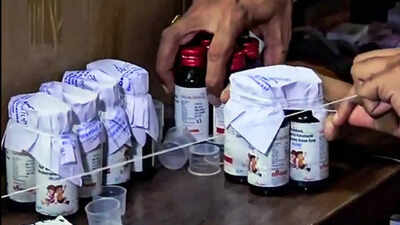
NEW DELHI: Oral medicinal formulations containing more than 12% ethyl alcohol and sold in bottles larger than 30 ml will soon require a doctor’s prescription after the Centre amended the Drugs Rules to curb their misuse.Officials said the move follows complaints from states, including Uttar Pradesh and Madhya Pradesh, that certain medicinal tinctures were allegedly being misused. Traditionally, tinctures containing ingredients such as cardamom and ginger were intended as medicinal preparations, largely used as digestive aids. However, some products allegedly contained 60-80% ethyl alcohol and were allegedly being sold as medicinal products despite containing very high levels of ethyl alcohol and were reportedly being misused like liquor.The ministry said the products covered include certain herbal and medicinal liquid preparations, including cardamom and ginger tinctures. These are concentrated herbal extracts prepared using ethyl alcohol as a solvent, not the kitchen spices themselves. While cardamom and ginger have long been used in traditional medicine, particularly for digestive and other therapeutic purposes, some tincture formulations contain 80-90% ethyl alcohol, making them vulnerable to misuse for intoxication.The health ministry has notified the Drugs (Tenth Amendment) Rules, 2026, under which such formulations will no longer be exempt from licensing requirements under Schedule K of the Drugs Rules, 1945. Instead, they will be brought under Schedule H1, meaning they can be sold only against the prescription of a registered medical practitioner. Pharmacies will also have to maintain records of every sale. The rules will come into force six months after their publication in the Official Gazette.With the amendment, oral medicinal formulations containing more than 12% ethyl alcohol will no longer be able to claim exemption under Schedule K merely because they contain ingredients such as cardamom, ginger or other spices.Existing provisions under the Drugs Rules already prescribe ethyl alcohol limits for several traditional systems of medicine. Ayurvedic, Siddha and Unani syrups are permitted to contain up to 16% ethyl alcohol, while Homoeopathic medicines are limited to 12%. Officials said the latest amendment seeks to create a uniform regulatory framework for medicinal products containing high levels of ethyl alcohol.According to the ministry, the amendment is aimed at strengthening regulatory oversight of medicines containing high levels of ethyl alcohol, ensuring they are supplied only through the regulated pharmaceutical supply chain and reducing the possibility of diversion and misuse while ensuring they remain available for genuine therapeutic use.


