
India’s forgotten forests you’ve probably never heard of |

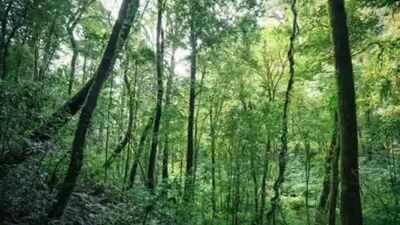
When people think of India’s forests, places like Jim Corbett, Sundarbans or Kaziranga usually come to mind. In fact, there are many more forests in India which are not known to many and have just as much variety and wildlife as the popular ones. Here’s a look at some of India’s most forgotten forests:
Bhitarkanika Mangroves, Odisha
Usually considered subordinate to the Sundarbans, Bhitarkanika is the second largest mangrove system in India. Saltwater crocodiles, King Cobras, Spotted Deer, and several hundred birds call the maze of creeks and mangroves home and make it an ideal destination for boat safaris and bird watching.
Namdapha National Park , Arunachal Pradesh
Namdapha is among India’s most biodiverse regions and is situated in the Eastern Himalayas. Ranging from tropical rainforests to Alpine meadows, the Namdapha National Park has everything for the diverse life to flourish here. One of the rarest features of this place is the co-existence of four large wild cat species, including the Tiger, Leopard, Snow Leopard, and Clouded Leopard.
Dehing Patkai Forest , Assam
Called “the Amazon of the East,” Dehing Patkai is the biggest surviving lowland rainforest in India. This area, which consists of dense evergreen forests, orchids, butterflies and exotic animals, is one of the main environmental reserves of the country. Visitors can see hoolock gibbons, slow lorises and colorful hornbills in the thick canopy of the Dehing Patkai Forest.
Kanger Valley National Park, Chhattisgarh
Kanger Valley, located in the Bastar district, is known for its virgin sal forests, limestone caves and crystal clear streams. The forests house leopards, wild dogs, sloth bears and various species of birds. Kutumsar and Kailash Caves complement the adventure that people get at this place.
Dibang Wildlife Sanctuary, Arunachal Pradesh
Being one of the biggest protected areas in the country, the Dibang Sanctuary is not widely explored because of its remote location. The area, consisting of snow-clad mountains, dense forests and deep valleys, serves as habitat for Mishmi takin, red pandas and musk deer that are on the verge of extinction.
Mawphlang Sacred Forest, Meghalaya
Different from conventional wildlife reserves, the Mawphlang region has been conserved for many years through the efforts of the indigenous Khasi community through their sacred practices. With ancient trees, medicinal plants, rare fungi, and dense, moss-laden forests, one can almost feel the mysticism of the place. It is important that visitors follow the local customs that have ensured the conservation of this ecosystem for many years.
Silent Valley National Park , Kerala
Despite being known among conservationists, the Silent Valley is one of the least visited rainforests in India. The evergreen forest is home to the lion-tailed macaque, Nilgiri langur, Malabar giant squirrel, and other hundreds of endemic plants.
Balpakram National Park, Meghalaya
Renowned as the “Land of Spirits” among the local tribal people, Balpakram is a park that boasts of its majestic cliffs, valleys, dense forest and some intriguing mythology. The park includes many animals including elephants, gaur, leopards, red pandas and many medicinal plants.
Why these forests are important
These forests get much less attention than the well-known national parks of India, however, these are very essential for conserving the threatened flora and fauna, sequestering the carbon, maintaining the sources of water and the well-being of indigenous tribes.


