
Representative image Deaths from snake bites may be much rarer than earlier estimated, according to an 11-state survey funded by the Indian Council for Medical Research (ICMR). The survey also shows that 43% of such deaths occurred outside hospital settings or in transit and that snakebite envenomation (SBE) was a disease of impoverishment with 53% of victims being below the poverty line.According to the survey, the mortality rate from snake bite is roughly 0.3 per 100,000 population, much lower than the earlier estimate of 6 per 100,000 based on the One-Million-Death study led by the Registrar General of India from 1998 to 2014.An interim report of the survey published in Nature Communications, an open-access scientific journal, is based on a cross-sectional survey in which data was collected for a continuous period of one year in each of the 11 states with all snakebite victims identified by ASHAs and family members of victims who consented to participate in the study. The survey is yet to be completed in Meghalaya and West Bengal.”In case of snakebite, the estimate of death in the 1-MDS appears to be grossly overestimated as compared to what we have gathered from the community. For example, there were 31 deaths due to SBE in Kerala (population 35 million) for the year 2024-25, whilst based on the 1-MDS estimate the number of deaths would have been 2100 for the state,” pointed out the study. Extrapolation of the results from the selected sites to countrywide statistics would suggest a total incidence of snakebite for the country at 120,852 annually, it added.However, such a low number could be because the study only includes 13 out of 28 states and large states like Uttar Pradesh, Bihar and Madhya Pradesh are not part of it. The highest number of fatalities have usually been reported from Uttar Pradesh, Andhra Pradesh and Bihar.India bears the largest burden of snakebite envenomation, accounting for nearly half of the world’s snakebite deaths. This is primarily attributed to India’s large agrarian population, at risk for snake-human conflict.The “big four” venomous species responsible for most envenomation in India include the Indian cobra, common krait, Russell’s viper, and saw-scaled viper.The total number of snakebites reported in the 25 project districts during the study period was 7,094. Of the 2.7% who died, 57% died in a hospital setting. Most of those bitten were males (64.1%) and among age groups the highest proportion was the 30-39 age group (20.9%). Unskilled labour was the most common occupation among participants (25.4%), followed by agriculture/farming (24.5%). Most of the bites (62%) happened during the monsoon season.Get the latest India news and live updates. Download the TOI App.End of ArticleFollow Us On Social MediaVideosBuilding Collapses In Delhi’s Rohini; 1 Dead, Several Trapped; Rescue Ops UnderwayPune Building Buried Under Collapsing Garbage Mound, 16 Feared Trapped Amid Heavy Rain FuryShiv Sena Corporator Ramesh Mhatre Arrested In KDMC Doctors’ Assault Case: PoliceEggs Thrown, ‘Chor-Chor’ Slogans At Mamata Banerjee’s Rally In West BengalRetired Transport Officer’s House Raided: UP Vigilance Recovers ₹1.62 Cr Cash, Gold Worth ₹20 CrOperation Hard Ball: Lawrence Bishnoi, Goldy Brar Among 37 Charged In Largest-Ever Int’l Crime SweepAfter SC Rap, NCERT Removes Chapter On ‘Corruption In Judiciary’ In Revised Class 8 Textbook”Didn’t Raise My Hand..”: Corporator Ramesh Mhatre Expresses Regret For KDMC Hospital Ambush’Welcome To UP 2.0′ TMC MP Mahua Moitra Slams Baruipur Encounter As BJP Defends Police ActionLashkar Commander Zakir Ganai Killed In Encounter In J&K’s Shopian, Hunt On For Second Terrorist123PhotostoriesFrom calling her son a miracle baby, gaining 83 kilos after pregnancy to being body-shamed: When Rupali Ganguly spoke about motherhood, career and lifeQuitting your job? Here’s how to leave on good terms without burning bridgesWalking every day? These 3 additions can make it even better for your heart”It is the key to hydration of grains of rice”: Chef Vikas Khanna shares the secret to making fluffy rice at homeNick Jonas’ interviews reveal 5 relationship tips worth borrowingAfter ‘Alpha’ release, Alia Bhatt swaps athleisure for a statement green Banarasi lehenga by Anita Dongre10 beautiful baby girl names inspired by stars and the skyFrom carpets to mattresses: 7 Smart ways to use baking soda for cleaning everyday household items’You kiss a lot of frogs before you find your prince’: Priyanka Chopra on why respect matters more than love for womenApple cider vinegar for hair: Mix it with these ingredients for stronger, longer, and shinier strands123Hot PicksSilver import shortageUS Iran War ImpactNew EPFO portalBaruipur rapeMumbai rainfallConnor MurphyE20 PetrolZhuang ZhouNew EPFO PotralTop TrendingLionel Messi Clash with Egypt CoachIshowspeedBengal Rape Murder CaseFIFA World Cup 2026CBSE Class 10 ResultKetan Agarwal murder caseMumbai rainDelhi rainWeather tomorrowE20 petrol

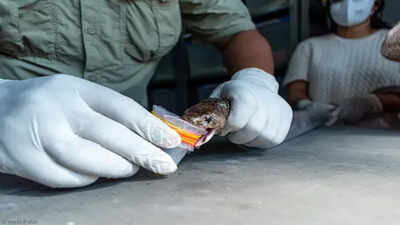
Deaths from snake bites may be much rarer than earlier estimated, according to an 11-state survey funded by the Indian Council for Medical Research (ICMR). The survey also shows that 43% of such deaths occurred outside hospital settings or in transit and that snakebite envenomation (SBE) was a disease of impoverishment with 53% of victims being below the poverty line.According to the survey, the mortality rate from snake bite is roughly 0.3 per 100,000 population, much lower than the earlier estimate of 6 per 100,000 based on the One-Million-Death study led by the Registrar General of India from 1998 to 2014.
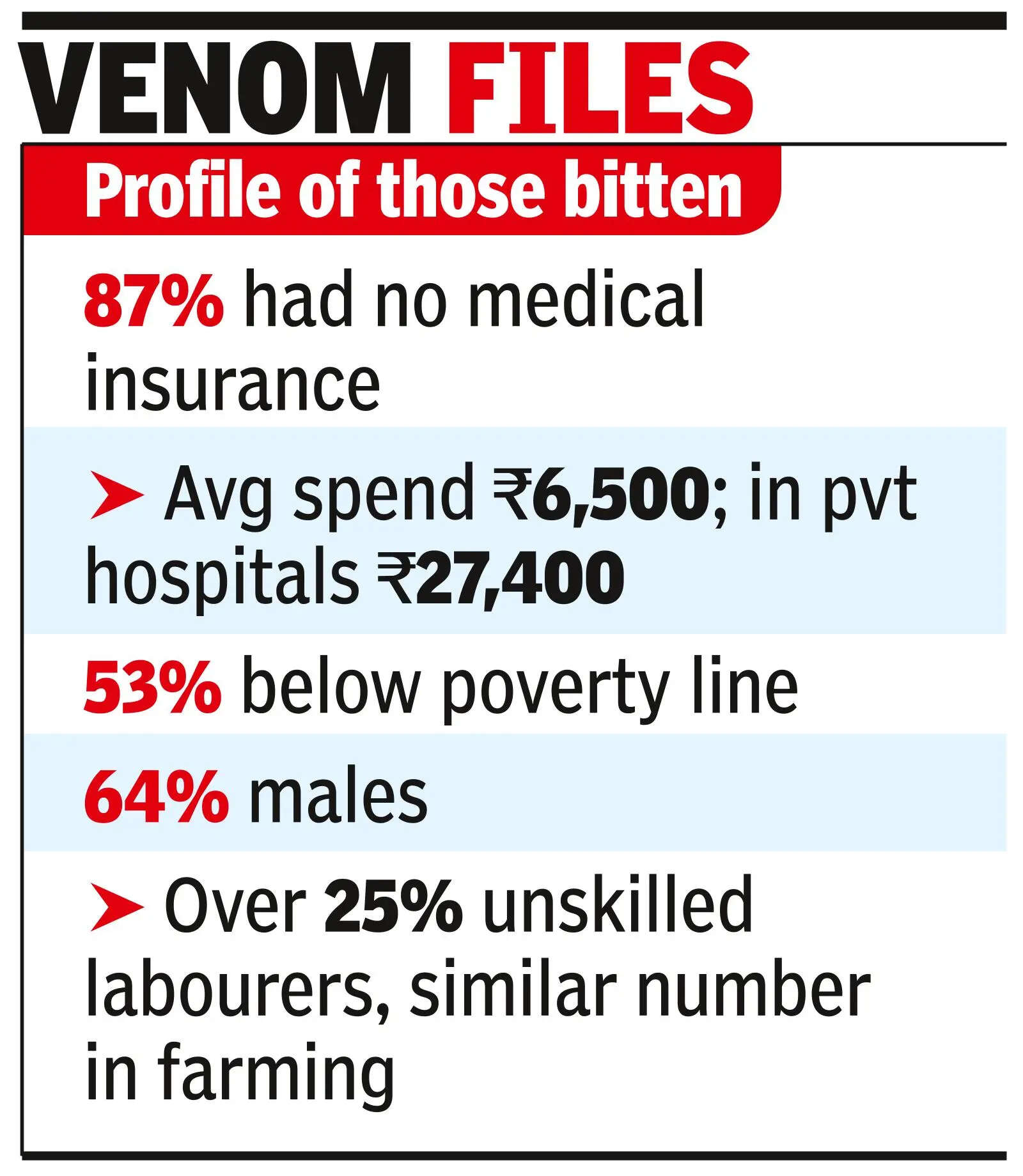
An interim report of the survey published in Nature Communications, an open-access scientific journal, is based on a cross-sectional survey in which data was collected for a continuous period of one year in each of the 11 states with all snakebite victims identified by ASHAs and family members of victims who consented to participate in the study. The survey is yet to be completed in Meghalaya and West Bengal.“In case of snakebite, the estimate of death in the 1-MDS appears to be grossly overestimated as compared to what we have gathered from the community. For example, there were 31 deaths due to SBE in Kerala (population 35 million) for the year 2024-25, whilst based on the 1-MDS estimate the number of deaths would have been 2100 for the state,” pointed out the study. Extrapolation of the results from the selected sites to countrywide statistics would suggest a total incidence of snakebite for the country at 120,852 annually, it added.However, such a low number could be because the study only includes 13 out of 28 states and large states like Uttar Pradesh, Bihar and Madhya Pradesh are not part of it. The highest number of fatalities have usually been reported from Uttar Pradesh, Andhra Pradesh and Bihar.India bears the largest burden of snakebite envenomation, accounting for nearly half of the world’s snakebite deaths. This is primarily attributed to India’s large agrarian population, at risk for snake-human conflict.The “big four” venomous species responsible for most envenomation in India include the Indian cobra, common krait, Russell’s viper, and saw-scaled viper.The total number of snakebites reported in the 25 project districts during the study period was 7,094. Of the 2.7% who died, 57% died in a hospital setting. Most of those bitten were males (64.1%) and among age groups the highest proportion was the 30-39 age group (20.9%). Unskilled labour was the most common occupation among participants (25.4%), followed by agriculture/farming (24.5%). Most of the bites (62%) happened during the monsoon season.


