
VB-G RAM G__ India’s new rural jobs scheme promises more work but shifts burden to states (PTI image) The Centre’s newly launched Viksit Bharat-Guarantee for Rozgar and Ajeevika Mission (Gramin) (VB-G RAM G), which replaces the Mahatma Gandhi National Rural Employment Guarantee Act (MGNREGA), could improve rural incomes through higher wages and increased employment guarantees.However, its long-term success may be constrained by the significantly higher financial burden placed on state governments, according to a report by Systematix Research.Higher wages, more work daysThe report noted that the revamped scheme increases the annual employment guarantee from 100 days to 125 days and raises the average daily wage by nearly 10 per cent, from Rs 299 to Rs 327.These changes are expected to strengthen rural purchasing power and support consumer demand at a time when rural wages and incomes have remained under pressure.Funding shift raises concernsDespite the enhanced benefits, the report cautioned that the scheme’s new funding structure could limit its effectiveness.Unlike MGNREGA, where the Centre bore the bulk of the expenditure, the new scheme follows a 60:40 Centre-state cost-sharing model for most states.According to the report, this marks a fundamental shift from an open-ended funding model to one with centrally capped allocations.States face four-fold increase in spendingSystematix Research estimated that state governments may have to spend around Rs 35,300 crore in FY27, compared with about Rs 8,690 crore in FY26 under the previous scheme.”The overall burden on states in funding VB-G RAM G could rise by four to five times their contribution under the outgoing MGNREGA scheme,” the report said.It warned that fiscally constrained states may have to increase revenue spending, reduce capital expenditure or cut back on other welfare schemes to meet the additional financial commitments.Implementation will be keyThe report also noted that higher wages and longer employment guarantees alone may not significantly improve rural demand if implementation is hampered by funding shortages or declining employment trends.While the scheme aims to create durable rural infrastructure and improve accountability, the report concluded that its impact on the rural economy will ultimately depend on how effectively states manage the higher funding requirements and implement the programme in the years ahead.Get the latest India news and live updates. Download the TOI App.About the AuthorTOI News DeskThe TOI News Desk comprises a dedicated and tireless team of journalists who operate around the clock to deliver the most current and comprehensive news and updates to the readers of The Times of India worldwide. With an unwavering commitment to excellence in journalism, our team is at the forefront of gathering, verifying, and presenting breaking news, in-depth analysis, and insightful reports on a wide range of topics. The TOI News Desk is your trusted source for staying informed and connected to the ever-evolving global landscape, ensuring that our readers are equipped with the latest developments that matter most.”Read MoreEnd of ArticleFollow Us On Social MediaVideosVHP Seeks Probe Into Priyanka Gandhi, Arvind Kejriwal And Others Over Ayodhya Donation AllegationsISRO Successfully Tests New Motor For Gaganyaan SOLVE RocketMadhya Pradesh First To Include Hindu Members In Waqf Board Under New Law’Super Emergency’: TMC Claims Police Barricaded Mamata Banerjee’s House Before Baruipur VisitBadrinath-Kedarnath Temple Committee Forms 4-Member Panel To Probe Donation Irregularity ClaimsMumbai Monsoon Horror: 63-Year-Old Dies After Tree Falls On ShopCentre Denies Reports That Bhutan Rejected India’s E20 Petrol ProposalPoJK Protesters Seek Help From India’s Jammu, Kashmir & Ladakh Regions Amid Pakistan’s CrackdownPrashant Kishor To Finally Contest Bankipur Bypoll, Jan Suraaj Names Founder As CandidateWhy Did China Reacted Sharply To Japan PM Sanae Takaichi’s India Visit?123PhotostoriesSnakes that shine like rainbows: 7 iridescent snakes from around the world you need to see to believeFinance Minister Nirmala Sitharaman reveals her 3 favorite South Indian dishes—recipes insideWhat is mom guilt? Psychologists explain the silent feeling millions of mothers experience every dayFrom Chilla to Dosa: 7 high-protein desi breakfasts made with oats and paneerDaily weight loss pill available in UK pharmacies: Who can buy and how, how much they cost, how to take them, and more — all you need to knowQuote of the day by Neem Karoli Baba: “God will give you everything you need for your spiritual development. Hold on to nothing.”; What Maharaj ji advices on having faith in God and leaving attachment to material possessions5 most common cancers affecting men in India and the early symptoms that could save livesIs it normal forgetfulness or Alzheimer’s disease? Doctor reveals the warning signs you should never ignoreSonam Kapoor’s Punit Balana look had more drama than Anshula Kapoor’s mehendi playlist, and we loved every bit of itTop 5 most active dog breeds123Hot PicksRam temple donationNATO SummitKhamenei funeralJoSAA Counselling 2026Mumbai school holidayMumbai rainBank holidayMumbai schools holidayMumbai-Pune expresswayTop TrendingOzempic ShaadiDelhi rainNainital Sex RacketFIFA World Cup 2026Bengal rapeRam temple donationMumbai rainBank holiday todayKanpur Woman AssaultKCET mock seat allotment

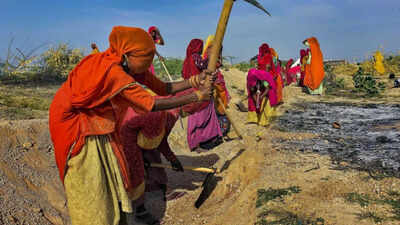
The Centre’s newly launched Viksit Bharat-Guarantee for Rozgar and Ajeevika Mission (Gramin) (VB-G RAM G), which replaces the Mahatma Gandhi National Rural Employment Guarantee Act (MGNREGA), could improve rural incomes through higher wages and increased employment guarantees.However, its long-term success may be constrained by the significantly higher financial burden placed on state governments, according to a report by Systematix Research.
Higher wages, more work days
The report noted that the revamped scheme increases the annual employment guarantee from 100 days to 125 days and raises the average daily wage by nearly 10 per cent, from Rs 299 to Rs 327.These changes are expected to strengthen rural purchasing power and support consumer demand at a time when rural wages and incomes have remained under pressure.
Funding shift raises concerns
Despite the enhanced benefits, the report cautioned that the scheme’s new funding structure could limit its effectiveness.Unlike MGNREGA, where the Centre bore the bulk of the expenditure, the new scheme follows a 60:40 Centre-state cost-sharing model for most states.According to the report, this marks a fundamental shift from an open-ended funding model to one with centrally capped allocations.
States face four-fold increase in spending
Systematix Research estimated that state governments may have to spend around Rs 35,300 crore in FY27, compared with about Rs 8,690 crore in FY26 under the previous scheme.“The overall burden on states in funding VB-G RAM G could rise by four to five times their contribution under the outgoing MGNREGA scheme,” the report said.It warned that fiscally constrained states may have to increase revenue spending, reduce capital expenditure or cut back on other welfare schemes to meet the additional financial commitments.
Implementation will be key
The report also noted that higher wages and longer employment guarantees alone may not significantly improve rural demand if implementation is hampered by funding shortages or declining employment trends.While the scheme aims to create durable rural infrastructure and improve accountability, the report concluded that its impact on the rural economy will ultimately depend on how effectively states manage the higher funding requirements and implement the programme in the years ahead.


