
Meet Corporal Jackie: The South African baboon who served alongside soldiers during the First World War and became a war hero | World News

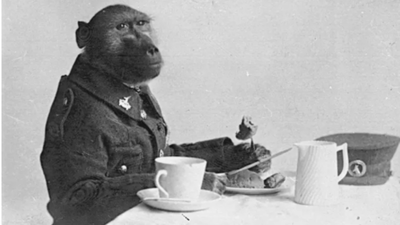
The First World War saw millions of soldiers fight across Europe, Africa and the Middle East, but few service records are as remarkable as that of Jackie, a chacma baboon from South Africa. Far from being a simple regimental mascot, Jackie wore a military uniform, marched with troops, stood guard in the trenches and survived some of the war’s fiercest fighting. Wounded in combat and later promoted for his service, he became one of the only known non-human soldiers to receive an official military rank and pension. More than a century later, his story continues to fascinate historians because it blurs the line between mascot and comrade, revealing the unusual yet genuine role that animals sometimes played during wartime.
Who was Jackie the baboon and how did he join the South African Army
According to South African Military History, Jackie was an orphaned chacma baboon (Papio ursinus) adopted by Private Albert (Andrew) Marr, a farmer from Pretoria, South Africa. Raised alongside Marr from a young age, Jackie became remarkably accustomed to human behaviour and developed such a close bond with his owner that the two were considered inseparable.When Marr enlisted in the 3rd South African Infantry Regiment in 1915 during the First World War, he reportedly refused to leave Jackie behind. Recognising the unusual attachment between the pair, his commanding officer granted permission for the baboon to accompany the regiment as its official mascot.Jackie quickly became much more than a camp companion. According to records preserved by the National WWI Museum and Memorial, he learned to march with the soldiers, salute superior officers, wear a specially tailored military uniform and even draw army rations like other members of the regiment. Over time, his intelligence and disciplined behaviour earned the respect of officers and enlisted men alike.The museum notes that Jackie became an important morale booster for the battalion, particularly during the hardships of military training and deployment.
How Jackie served alongside soldiers during the First World War
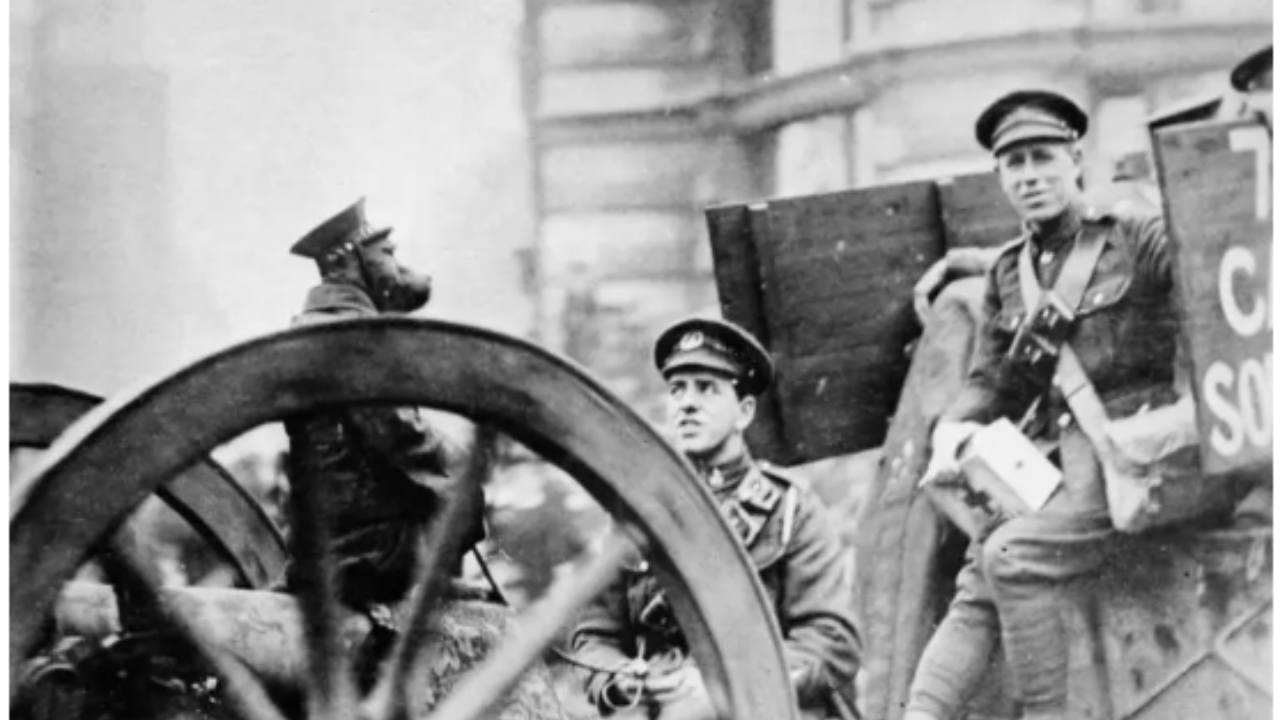
Image: National WWI Museum and Memorial
Jackie’s military career extended well beyond ceremonial duties. After serving in Egypt, the regiment was deployed to the Western Front, where Jackie accompanied the troops into some of the war’s most dangerous conditions.Historical accounts describe the baboon accompanying Marr during sentry duty, where his exceptionally sharp hearing and eyesight often alerted soldiers to approaching enemy movement before they detected it themselves. His reactions reportedly gave the men valuable extra moments to prepare for possible attacks.During the Battle of Agagia in 1916, Marr was wounded by enemy fire. According to military accounts, Jackie remained beside his owner and repeatedly licked his wound while medical assistance arrived, an act remembered by fellow soldiers for its striking display of loyalty.Jackie also survived the brutal fighting that engulfed the South African Brigade during the Battle of Delville Wood, one of the bloodiest engagements fought by South African forces during the First World War. Later, during the German Spring Offensive in 1918 near La Clytte in Belgium, Jackie himself was seriously wounded by exploding shellfire.Witnesses recalled seeing the baboon attempting to build a small protective wall of stones around himself, mirroring the behaviour of nearby soldiers, when shrapnel struck him. His injuries were so severe that army surgeons were forced to amputate one of his legs. Despite the operation, Jackie survived and recovered, astonishing the medical staff caring for him.
Why Jackie remains one of history’s most extraordinary animal war heroes
According to the Transvaal Scottish Regimental Association, Jackie’s courage did not go unrecognised. Following his recovery, he was promoted to the rank of Corporal, awarded the Pretoria Citizens Service Medal, granted a military pension and formally discharged after the war alongside other South African veterans.
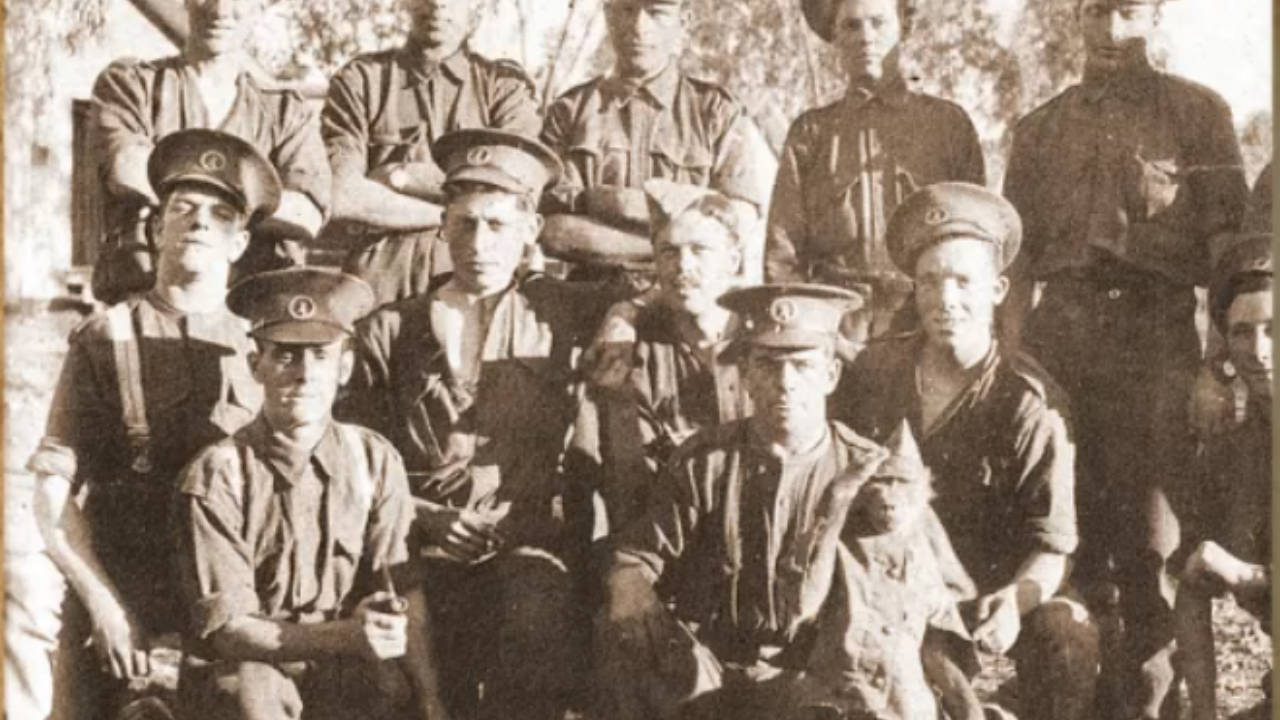
Image: Transvaal Scottish Regimental Association
Military historians note that Jackie is believed to be the only baboon known to have officially achieved the rank of corporal while serving in a national army. Following the end of the war, he and Marr returned to South Africa, where Jackie became something of a public figure. During a fundraising tour in Britain, the pair helped raise money for war widows and orphans, with members of the public paying to shake Jackie’s hand or pose for photographs with him.Jackie’s story continues to endure because it illustrates the many unexpected ways animals contributed during wartime. While horses carried cavalry, pigeons delivered messages and dogs located wounded soldiers, Jackie demonstrated companionship, vigilance and resilience under extraordinary circumstances.Today, his legacy survives in military museums, historical archives and South African military history, serving as a reminder that the First World War’s stories of courage were not confined to human soldiers alone. More than a century later, Jackie remains one of the most remarkable and unconventional war heroes ever to wear a military uniform.


