
IBGs, Shaktibaan and Divyastra units: How Army is reshaping itself for future wars

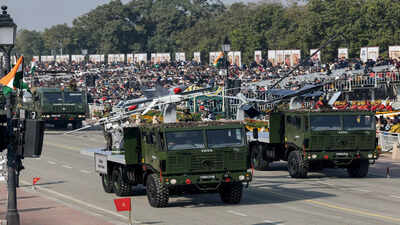
The Army is undergoing a structural change as part of its modernisation drive to become a leaner, more lethal and technology-driven fighting force. The forces plans to raise new formations, units and sub-units while introducing doctrinal changes to prepare for future conflicts.The expected introduction of Integrated Battle Groups (IBGs), Shaktibaan Regiments, Divyastra Batteries and Ashni platoons reflects a deliberate shift away from relatively bulky traditional formations towards agile, technology-enabled combat units capable of rapid deployment and precision strikes.At the heart of this transformation are the IBGs. Designed as agile, brigade-sized formations of around 5,000 troops, they combine infantry, armour, artillery, engineers, signals and air defence into self-contained units. Tailored to the threat, terrain and task, IBGs can mobilise within 12–48 hours and deliver swift, decisive strikes along sensitive borders. Their creation under the 9 Corps and 17 Strike Corps signals India’s intent to field flexible strike forces against both Pakistan and China, moving away from slower divisional structures.Complementing this specialised drone-enabled units. The Shaktibaan Regiment will integrate swarm drones, loitering munitions and long-range UAVs to conduct operations ranging from tactical engagements to deep interdiction missions. Similarly, the Divyastra Battery will use drones into the artillery kill web, enhancing surveillance, target acquisition and precision strike capabilities.Together, these innovations represent a structural reorganisation of the Army’s combat power. By embedding technology, jointness, and speed into its formations, India is moving from manpower-heavy doctrines to network-centric warfare. This shift demonstrates a broader vision, that is to create a force that is not only larger in scale but smarter in design, capable of responding to multi-domain threats with agility and precision.This structural change marks a decisive step in Indian armed forces reorientation. It is stated that ‘an army prepares to fight the last war’, but here it appears that the army is reorienting to face challenges that may arise in the future. These moves will ensure that future conflicts are met with formations that are faster, better integrated and technologically empowered.


