
(ANI Photo) NEW DELHI: From MRI machines and CT scanners to surgical implants and critical care equipment, India’s dependence on imported medical devices is continuing to grow despite years of efforts to boost local manufacturing.Imports of medical devices rose 17% in the last financial year to nearly Rs 89,000 crore, up from Rs 76,000 crore the previous year, prompting domestic manufacturers to seek stronger government support and greater access to public procurement.The demand comes as the Department of Pharmaceuticals has launched a review of the list of medical devices that government agencies are allowed to buy through global tenders. The exercise could determine whether hospitals continue sourcing certain products from overseas suppliers or increasingly turn to Indian manufacturers.Industry body AiMeD has urged the government to remove from the exemption list devices that are already being manufactured in India.”The revised list is under review by our members. We will provide details of manufacturing capacities to ensure products already made in India are removed from the exemption list,” said Rajiv Nath, Forum Coordinator, AiMeD.The industry has also highlighted a challenge faced by many Indian manufacturers. While companies may have invested in factories and started production, they often remain ineligible for government procurement because they have not completed the required three-year market standing period.Manufacturers argue that advanced medical devices take years to develop and regulatory approvals alone can take up to 15 months for high-risk products. During this period, companies bear staffing and financing costs without generating revenue.AiMeD has called for preferential access to government procurement and limited tariff protection for emerging domestic manufacturers.The debate comes at a time when the government is seeking to build self-reliance in strategic sectors. Industry representatives say reducing dependence on imported medical equipment could strengthen supply chains, create jobs and improve India’s ability to meet healthcare needs during global disruptions such as pandemics.Get the latest India news and live updates. Download the TOI App.About the AuthorAnuja JaiswalAnuja Jaiswal is a Senior Assistant Editor at The Times of India, with an impressive 18-year career in narrative journalism. She specializes in health and heritage reporting, expertly simplifying complex health information to make it engaging and understandable for readers. Her deep dives into heritage topics are well-researched, resulting in captivating narratives that resonate with her audience. Over the years, she has worked in Chandigarh, Chhattisgarh and West UP, gaining diverse on-ground experience that shapes her storytelling.Read MoreEnd of ArticleFollow Us On Social MediaVideos’Protectors Became Predators’: Dharmendra Pradhan Reacts To NEET Paper Leak Row, Student SuicidesTMC Expels Firhad Hakim, Arup Roy And Six Others As Mamata Cracks Down On Rebel CampUpto 80% Jump in Green Card Fee? Proposition Made; What Would Be Indians’ Stake?’Pakistan’s Desperate Attempt To Deflect’: India Snubs Khawaja Asif’s ‘War Over Indus’ RemarkAliganj Fire: Jyoti’s Brother Alleges Corruption, Seeks Murder Charges Against OfficialsMaharashtra RTI Rules 2026 Under Scrutiny: Anna Hazare Demands Changes; Signals Possible Strike’We Expect…’: India Reacts To Alleged Desecration Of Lord Ram Photo In BangladeshLucknow Fire: 15 Dead, No NOC, One Exit — India’s Decade-Long Fire Safety Failure ExplainedPune’s Ketan Agarwal’s Death Was No Accident: Police | Fiancée & Alleged Lover Arrested For MurderMinority Affairs MoS George Kurian Resigns; BJP Veteran’s Exit Sparks Kerala Political Buzz | Watch123PhotostoriesWhat lives inside your gut could shape your immunity, mood, and disease risk, and it could hold the blueprint to better healthFrom Rajgad to Lohagad: 5 must-visit forts in Maharashtra during the monsoon and what travellers should knowHow to train your brain to be happier: 10 simple habits that actually workEvery child needs these 4 social skills before age 10 to feel confident and includedWhat’s attracting tourists to Kodaikanal? 7 reasons this hill station continues to charm travellersSmiling depression: Doctor explains how some people use happiness as a mask10 classic Anglo-Saxon baby names that survived centuries of changeBigg Boss Malayalam 8: Celebrities netizens wish to see on the showLong-lived families reveal a rare genetic clue to healthy ageing; scientists say it may help explain why some people stay disease-free for years longer7 schools where India’s richest send their kids123Hot PicksIPL tradeGold rate todayCUET UG Result 2026Telangana school bandhCBSE 12th revaluationMaldivian wisdomSpanish proverbMalay proverbPortuguese proverbTop TrendingGeorge KurianUS-Iran WarKunal ShahFIFA World Cup 2026Stock market crashCUET UG Result 2026Ketan AgarwalGold rate todayDelhi weatherMumbai rain

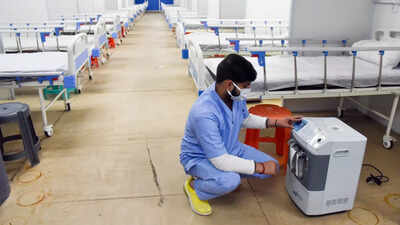
NEW DELHI: From MRI machines and CT scanners to surgical implants and critical care equipment, India’s dependence on imported medical devices is continuing to grow despite years of efforts to boost local manufacturing.Imports of medical devices rose 17% in the last financial year to nearly Rs 89,000 crore, up from Rs 76,000 crore the previous year, prompting domestic manufacturers to seek stronger government support and greater access to public procurement.The demand comes as the Department of Pharmaceuticals has launched a review of the list of medical devices that government agencies are allowed to buy through global tenders. The exercise could determine whether hospitals continue sourcing certain products from overseas suppliers or increasingly turn to Indian manufacturers.Industry body AiMeD has urged the government to remove from the exemption list devices that are already being manufactured in India.“The revised list is under review by our members. We will provide details of manufacturing capacities to ensure products already made in India are removed from the exemption list,” said Rajiv Nath, Forum Coordinator, AiMeD.The industry has also highlighted a challenge faced by many Indian manufacturers. While companies may have invested in factories and started production, they often remain ineligible for government procurement because they have not completed the required three-year market standing period.Manufacturers argue that advanced medical devices take years to develop and regulatory approvals alone can take up to 15 months for high-risk products. During this period, companies bear staffing and financing costs without generating revenue.AiMeD has called for preferential access to government procurement and limited tariff protection for emerging domestic manufacturers.The debate comes at a time when the government is seeking to build self-reliance in strategic sectors. Industry representatives say reducing dependence on imported medical equipment could strengthen supply chains, create jobs and improve India’s ability to meet healthcare needs during global disruptions such as pandemics.


