
Photo credit: PTI Planning a holiday has never been easier. A few years ago, most travellers would either visit a travel agency or spend hours researchingdestinations, hotels and transport options online. Today, many simply open an AI chatbot, type in a destination and budget, and receive a detailed itinerary within seconds.As artificial intelligence increasingly enters the travel industry, a question naturally arises: can AI plan a holiday better than an experienced travel agent?To find out, TOI conducted a simple experiment. We asked both an AI system and a veteran travel consultant to plan the same trip: a Budget-friendly holiday from Delhi to Manali.The AI chatbot used was OpenAI’s ChatGPT, one of the most commonly used generative AIs. The travel consultant was Rakesh Mohan Singh, who has spent more than 25 years in the tourism industry and holds an MBA in Tourism. The destination, duration and mode of transport were kept broadly similar for both planners.The results were surprising.AI and the travel agent came up with almost the same holidayInterestingly, both plans followed a similar route.The AI itinerary included Hadimba Temple, Old Manali, Solang Valley, Atal Tunnel, Sissu, Naggar and Vashisht Hot Springs. Singh’s packagecovered many of the same attractions, including Hadimba Temple, Manu Temple, Solang Valley, Atal Tunnel, Naggar and Vashisht.Both recommended travelling by an overnight Volvo bus from Delhi and returning in the same manner.The overlap highlights something important: for popular destinations such as Manali, AI is already capable of identifying the attractions and experiences that human travel professionals routinely recommend.ChatGPT’s pitchIn other words, AI is not merely pulling random information from the internet. It is increasingly capable of producing travel plans that resemble those created by experienced tourism professionals.Where AI had an edgeThe most obvious advantage was speed and transparency. The AI-generated plan provided a detailed breakdown of expenses, estimating everything from Volvo fares and hotel costs to daily food expenses and local transport. It suggested that a solo traveller should budgetroughly Rs 18,000 for the trip and explained how that figure was calculated.QuoteFor a traveller trying to understand where their money is going, such transparency can be useful. The itinerary was also personalised. It considered accommodation preferences, food requirements and even included a flexible day that could be used for shopping, photography, café visits or additional sightseeing.This ability to customise a trip almost instantly is one of AI’s greatest strengths. Travellers can modify budgets, destinations or travelstyles in seconds and generate multiple versions of a holiday plan without making a single phone call.Gemini’s pitchWhile stating its weakness, even Singh acknowledges the usefulness of the technology.”In my opinion, AI will give you an idea. It provides a rough overview it can create a package or a programme for you, and even provide pricing. But it lacks the on-ground experience that a travel agent has,” he says.For travellers at the research stage, that capability can save considerable time.Planning vs execution However, the travel agent pulled ahead of AI in execution. While the AI itinerary estimated costs, Singh offered an actual package. His proposal included accommodation, Volvo tickets, sightseeing arrangements and local transport. The AI itinerary, meanwhile, still required the traveller to find hotels, compare transport options and make bookings independently.This distinction may seem small on paper, but it becomes important when things go wrong.Travel rarely unfolds exactly as planned. Hotels can overbook. Buses can be cancelled. Weather can disrupt schedules. Roads can close unexpectedly.An AI system may suggest alternatives, but it cannot negotiate with a hotel manager, arrange replacement transport or contact local operators on a traveller’s behalf.That human element remains one of the strongest arguments for traditional travel agents.The battle over pricingTravel agent’s pitchThe biggest difference between the two plans emerged when costs were compared.The AI-generated itinerary estimated that a solo traveller would spend between Rs 15,500 and Rs 19,500, depending on accommodation andspending habits. Singh’s package, however, came in at Rs 12,900 for a solo traveller.According to Singh, this reflects a challenge that AI has yet to overcome. He also seeks government intervention in the case of dynamic price changes, which have undermined a travel agent’s credibility.Get the latest India news and live updates. Download the TOI App.About the AuthorPranjal PandeyPranjal Pandey is an intern at The Times of India. He holds a PG Diploma in English Journalism from the Indian Institute of Mass Communication and covers Real Estate, Defence, and International Relations, among other beats.Read MoreEnd of ArticleFollow Us On Social MediaVideos’Historical Mistakes’: Assam CM Himanta Sarma Flags Concerns Over India-Bangladesh Border FencingIndian Vessel Sinks Off Oman, 14 Crew Members On Board Rescued As US Navy Joins EffortsNDA’s Biggest Expansion Since 2024? BJP Alliance Now Has 6/10 MLAs Across India | INDIA Bloc ShrinksMumbai–Ahmedabad Bullet Train Project Introduces Tunnel Hood Technology To Reduce NoiseRahul Gandhi Slams US And Modi Over Death Of Three Indian Sailors In Gulf Of Oman StrikeRam Temple Donation Controversy Escalates: UP Government Forms SIT As Probe Widens In AyodhyaMahua Moitra Targets Sudip Bandyopadhyay Over Meeting With BJP Minister Amid Growing TMC RebellionIAF An-32 Crashes During Landing In Assam’s Jorhat, Co-Pilot Survives, Five Personnel KilledUP Government Constitutes SIT To Investigate Alleged Irregularities In Ram Temple DonationsModi-Trump Meeting At G7 Comes Amid India-US Tensions Over Sailors’ Deaths And Iran Conflict123PhotostoriesThis is what parents of academically strong kids did differently at home: 5 powerful real life examplesKorean love proverb of the day: “Even a distant pine nut tastes sweet when eaten”Inside Aditi Bhatia’s dreamy Mumbai home: Stunning balconies, a fancy vanity room and a walk-in closet“Not IQ or luck”: A child who learns to control these 4 things is more likely to succeed in life, says parenting expertCan this simple rice-cooking trick reduce arsenic? What a doctor wants you to knowKareena Kapoor Khan proves pink never retires in a traditional Banarasi suit and suddenly nothing else matteredWorld’s longest snakes and where travellers can spot themFrom music to handicrafts: 5 Indian markets that come to life at night, and what travellers need to know10 most common questions women Google during pregnancySuccess quote of the day by football GOAT Cristiano Ronaldo: “Your love makes me strong, your hate makes me…”123Hot PicksAkhilesh’s daughterUS Trade DealNEET Admit CardJoSAA CounsellingKerala HSCAP 1st allotment resultPatliputra station protestCJP Bengaluru ProtestTelangana SIRDelhi restaurant fireTop TrendingKerala HSCAP first allotment result 2026UPSC Prelims ResultNEET Admit Card 2026FIFA World Cup 2026Women T20 World CupPune Techie SuicideAbhishek BanerjeeComedian PranitTMC Leader Kunal GhoshCBSE Class 10 Second Board Result


Planning a holiday has never been easier. A few years ago, most travellers would either visit a travel agency or spend hours researchingdestinations, hotels and transport options online. Today, many simply open an AI chatbot, type in a destination and budget, and receive a detailed itinerary within seconds.As artificial intelligence increasingly enters the travel industry, a question naturally arises: can AI plan a holiday better than an experienced travel agent?To find out, TOI conducted a simple experiment. We asked both an AI system and a veteran travel consultant to plan the same trip: a Budget-friendly holiday from Delhi to Manali.The AI chatbot used was OpenAI’s ChatGPT, one of the most commonly used generative AIs. The travel consultant was Rakesh Mohan Singh, who has spent more than 25 years in the tourism industry and holds an MBA in Tourism. The destination, duration and mode of transport were kept broadly similar for both planners.The results were surprising.
AI and the travel agent came up with almost the same holiday
Interestingly, both plans followed a similar route.The AI itinerary included Hadimba Temple, Old Manali, Solang Valley, Atal Tunnel, Sissu, Naggar and Vashisht Hot Springs. Singh’s packagecovered many of the same attractions, including Hadimba Temple, Manu Temple, Solang Valley, Atal Tunnel, Naggar and Vashisht.Both recommended travelling by an overnight Volvo bus from Delhi and returning in the same manner.The overlap highlights something important: for popular destinations such as Manali, AI is already capable of identifying the attractions and experiences that human travel professionals routinely recommend.
ChatGPT’s pitch
In other words, AI is not merely pulling random information from the internet. It is increasingly capable of producing travel plans that resemble those created by experienced tourism professionals.
Where AI had an edge
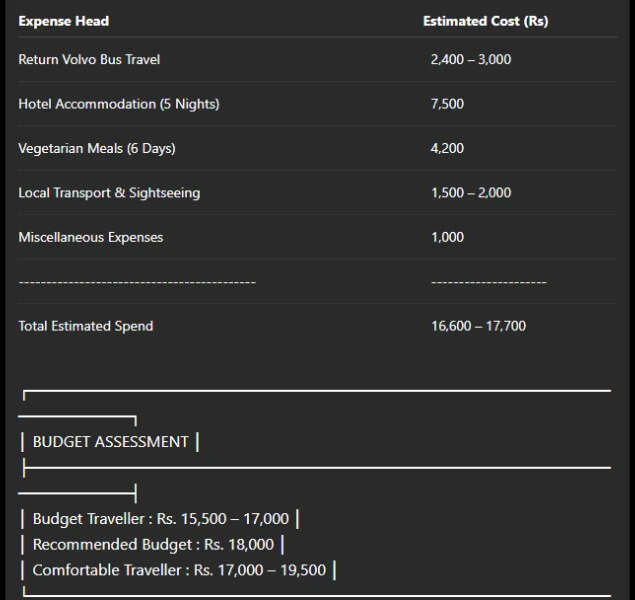
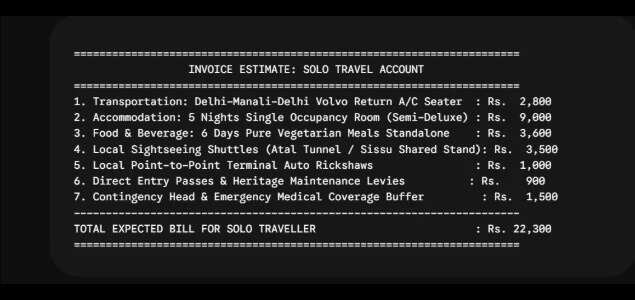
The most obvious advantage was speed and transparency. The AI-generated plan provided a detailed breakdown of expenses, estimating everything from Volvo fares and hotel costs to daily food expenses and local transport. It suggested that a solo traveller should budgetroughly Rs 18,000 for the trip and explained how that figure was calculated.
Quote
For a traveller trying to understand where their money is going, such transparency can be useful. The itinerary was also personalised. It considered accommodation preferences, food requirements and even included a flexible day that could be used for shopping, photography, café visits or additional sightseeing.This ability to customise a trip almost instantly is one of AI’s greatest strengths. Travellers can modify budgets, destinations or travelstyles in seconds and generate multiple versions of a holiday plan without making a single phone call.
Gemini’s pitch
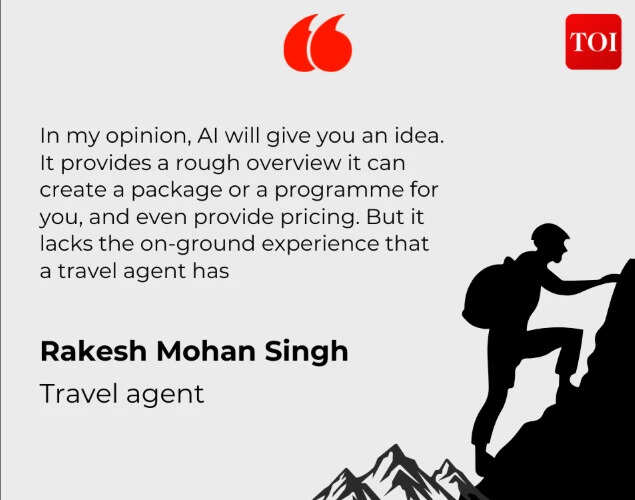
While stating its weakness, even Singh acknowledges the usefulness of the technology.“In my opinion, AI will give you an idea. It provides a rough overview it can create a package or a programme for you, and even provide pricing. But it lacks the on-ground experience that a travel agent has,” he says.For travellers at the research stage, that capability can save considerable time.
Planning vs execution
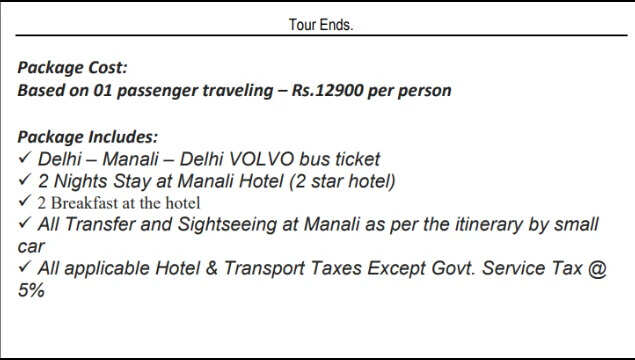
However, the travel agent pulled ahead of AI in execution. While the AI itinerary estimated costs, Singh offered an actual package. His proposal included accommodation, Volvo tickets, sightseeing arrangements and local transport. The AI itinerary, meanwhile, still required the traveller to find hotels, compare transport options and make bookings independently.This distinction may seem small on paper, but it becomes important when things go wrong.Travel rarely unfolds exactly as planned. Hotels can overbook. Buses can be cancelled. Weather can disrupt schedules. Roads can close unexpectedly.An AI system may suggest alternatives, but it cannot negotiate with a hotel manager, arrange replacement transport or contact local operators on a traveller’s behalf.That human element remains one of the strongest arguments for traditional travel agents.
The battle over pricing
Travel agent’s pitch
The biggest difference between the two plans emerged when costs were compared.The AI-generated itinerary estimated that a solo traveller would spend between Rs 15,500 and Rs 19,500, depending on accommodation andspending habits. Singh’s package, however, came in at Rs 12,900 for a solo traveller.According to Singh, this reflects a challenge that AI has yet to overcome. He also seeks government intervention in the case of dynamic price changes, which have undermined a travel agent’s credibility.


