
Rs 30k for third kid, Rs 40k for fourth: When childbirth becomes a number game, it is women who suffer

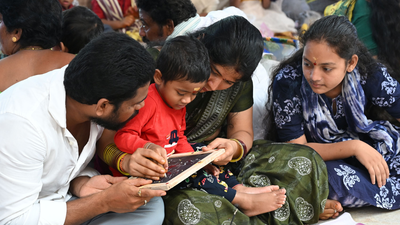
Andhra Pradesh is dealing with a fertility rate of 1.4 to 1.5 children per woman.
“I have made a new decision. We will provide Rs 30,000 immediately after the birth of a third child and Rs 40,000 for a fourth child. Isn’t this the right decision?” When Andhra Pradesh chief minister N Chandrababu Naidu made this surprise announcement on May 16, it was a big U-turn that reversed his decades of family planning advocacy.For a leader who aggressively championed family planning and implemented measures to control population in the early part of his political career, this 360 degrees shift in policy signalled the urgency to counter the state’s ageing demographics and a falling fertility rate.But while his intentions, or perhaps fears, may be genuine, his idea of linking child birth to cash incentives has surely sparked a debate not merely about demographics, but also about gender and women safety. Critics argue that the policy attempts to treat childbirth as a numbers game while ignoring the everyday realities of raising children in modern India: unemployment, soaring education costs, inaccessible healthcare, housing insecurity and shrinking support systems for women.
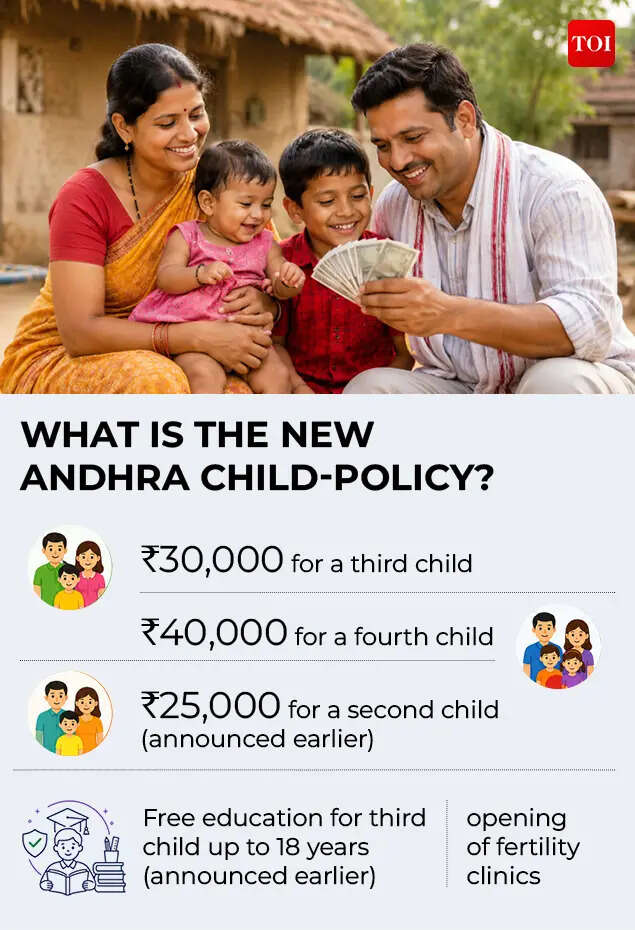
CM Chandrababu Naidu promised cash incentives to encourage families to have more children.
Why this policy?
1. Falling fertility rate and ageing fearsAndhra Pradesh’s Total Fertility Rate (TFR) is estimated around 1.5 — well below the national replacement level of 2.1. The government argues this could create an ageing population, labour shortages, fewer working-age taxpayers, rising pension and healthcare burdens.2. Delimitation politicsSouthern states like Andhra Pradesh and Tamil Nadu successfully reduced fertility rates through education and family planning over decades. But there is growing anxiety that after the next parliamentary delimitation exercise, states with slower population growth may lose relative political representation in Parliament compared to high-growth northern states.– Fewer people means potentially fewer Lok Sabha seats– Northern states with higher birth rates would gain more MPsSouthern states increasingly feel they are being ‘punished’ for successfully controlling population growth.
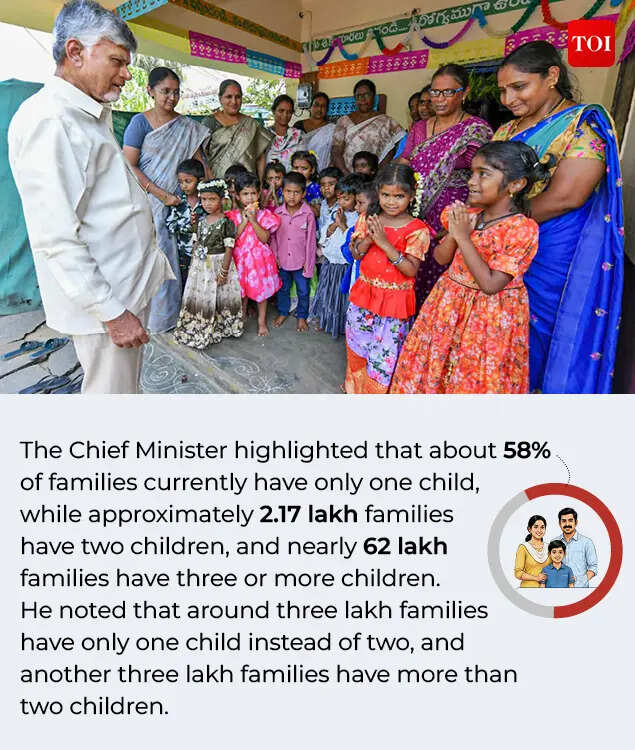
Family size trends in Andhra
Which countries are facing demographic crises and what are they doing about it?
Andhra’s move mirrors developed countries facing a population crisis. Japan, South Korea, Singapore and China have come up with policies ranging from tax breaks, bonuses, subsidies and even housing benefits. But is Andhra developed enough to be copying these models?Even if it was, the results of these policies in the mentioned countries, however, have not been satisfactory.South Korea spent billions on pro-birth schemes but still has one of the world’s lowest fertility rates because of high living costs, work pressure and gender inequality. Japan and Singapore also continue to struggle despite decades of incentives. China, after ending its one-child policy, now faces reluctance among couples to have children due to unemployment, expensive education and housing costs.Hungary saw a modest rise in births through aggressive tax and family benefits, but fertility still remains below replacement level.Global evidence suggests cash rewards alone rarely reverse demographic decline. Experts argue long-term support — affordable childcare, healthcare, housing, job security and better work-life balance — matters more than one-time payments.According to the International Labour Organization report of 2021, women’s work participation is closely linked to the availability of institutional support systems that cater to caregiving, health needs, and safety. Access to childcare, adequate sanitation, and safe workplaces significantly improves women’s labour force participation, job retention, and productivity.
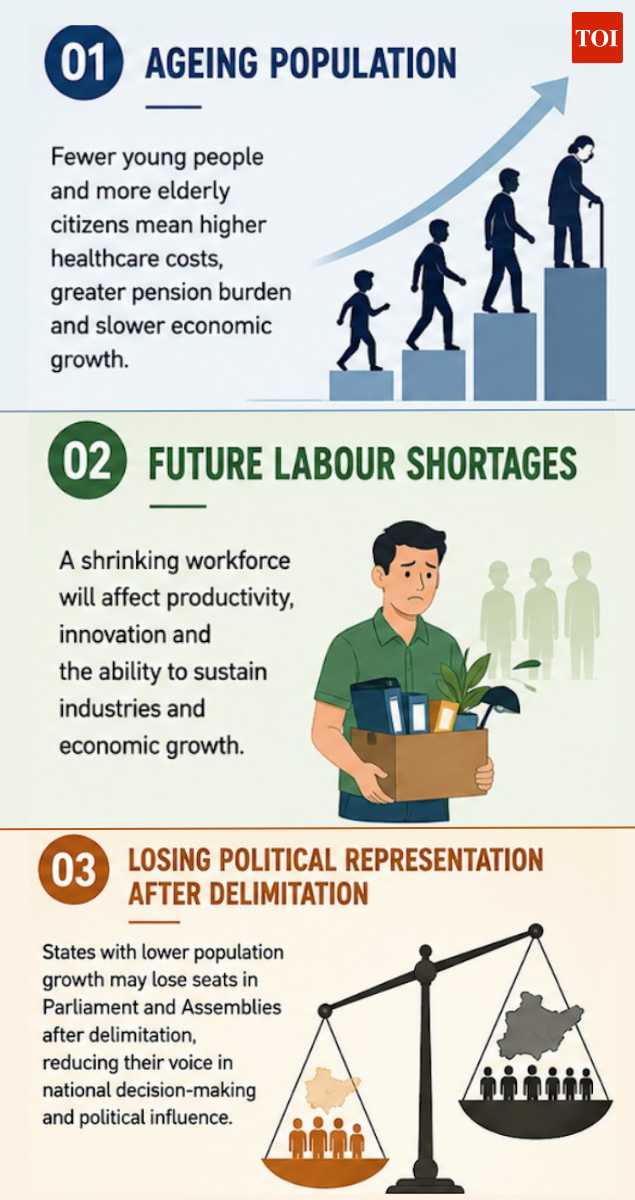
Reasons behind the change in Andhra’s child-policy.
Does Andhra-model make sense in a country like India?
India officially became the world’s most populous country in 2023, overtaking China.While we await the census for official figures, fertility rates have dropped in southern states like Tamil Nadu, Kerala, Karnataka and Telangana. Andhra’s new policy for rapidly ageing population amid delimitation fears might be a temporary solution but stands far from the economic realities of the country. It does not ensure resolution to issues faced at the state or national level like poverty, unemployment, inequality, inflation, overcrowded schools, expensive tuition fees.
.
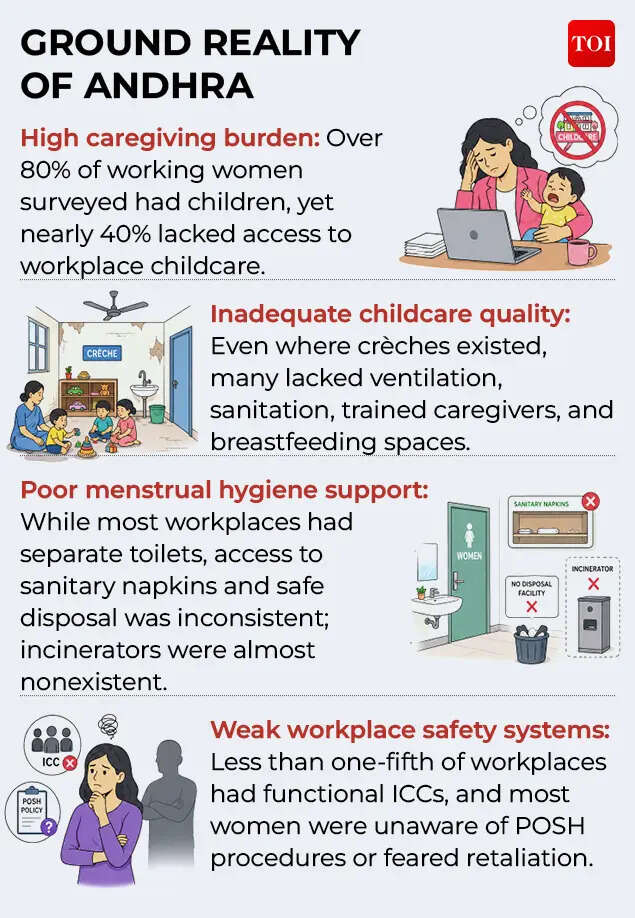
According to a report by Deshpande foundation in 2020, women in India continue to shoulder a disproportionate burden of unpaid care work. Marriage, motherhood, and social expectations around caregiving limit women’s availability, particularly in the absence of reliable childcare. Workplace infrastructure often fails to account for women’s biological and social realities, including menstrual health and exposure to sexual harassment.Sohan Hatangadi, president of Greater Visakhapatnam Citizens’ Forum called the Andhra CM announcement a major shift in policy. “For many years, governments were encouraging smaller families. There is some merit in thinking ahead but at the same time, we must ask ourselves, are we able to provide enough quality healthcare, education and jobs even for the existing population?”“Many young people are unemployed or migrating out of the state. Learning levels in many government schools are terrible and child protection and public health still need huge improvement. So the focus should not only be on increasing population numbers but the real goal should be healthy, educated and skilled children who can live with dignity and contribute meaningfully to society,” he added.“If Andhra wants a strong future, we must invest as much in the quality of human development. A developed society is not measured by the number of children born but how well these children are able to live.”Globally, a declining population reflects improvements in education, urbanisation and women’s autonomy. The harsh reality is that raising children today is expensive, emotionally demanding and deeply uncertain.Andhra’s policy, however, is opposite that idea: more births equal more development.Young couples today are delaying or avoiding parenthood not because they dislike children, but because stable jobs, affordable homes and reliable childcare are increasingly out of reach.
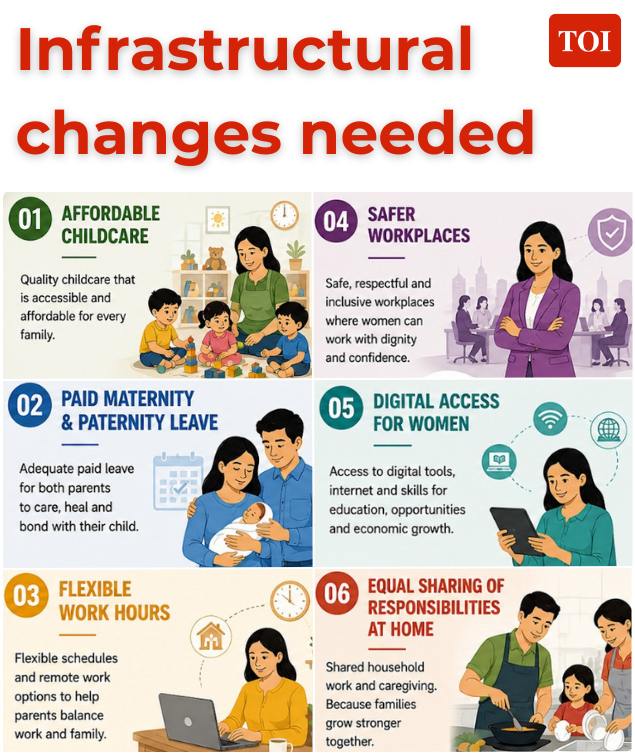
What may work better than one-time cash incentives.
Is a one-time payment enough incentive to have more children?
\A one-time payment of Rs 30,000 or Rs 40,000 barely scratches the cost of raising a child. It would hardly cover infant care, school admission fees, or hospital expenses, let alone 18 years of upbringing.Even with Rs 1,000 per month and free education up to 18 years for a third child, the actual cost remains far higher, said Dr Bollineni Keerthi, President, Vasavya Mahila Mandali.“Although education is largely free up to the higher secondary level, many families, particularly in rural and tribal areas, are unaware of scholarships and support available for higher education,” she said.According to her, population policies must be backed by sustained investments in education, healthcare and child development. While large families were common in previous generations, rising costs of education, healthcare, housing and changing aspirations have altered family-size preferences.She also warned that the policy could reinforce son preference in some communities.“Traditional beliefs continue to exist in some sections of society, where sons are viewed as carriers of the family lineage, while daughters are often perceived as becoming part of another family after marriage. In such situations, incentives may reinforce existing preferences rather than address deeper demographic concerns,” said Dr Bollineni.
Women at the centre of the debate
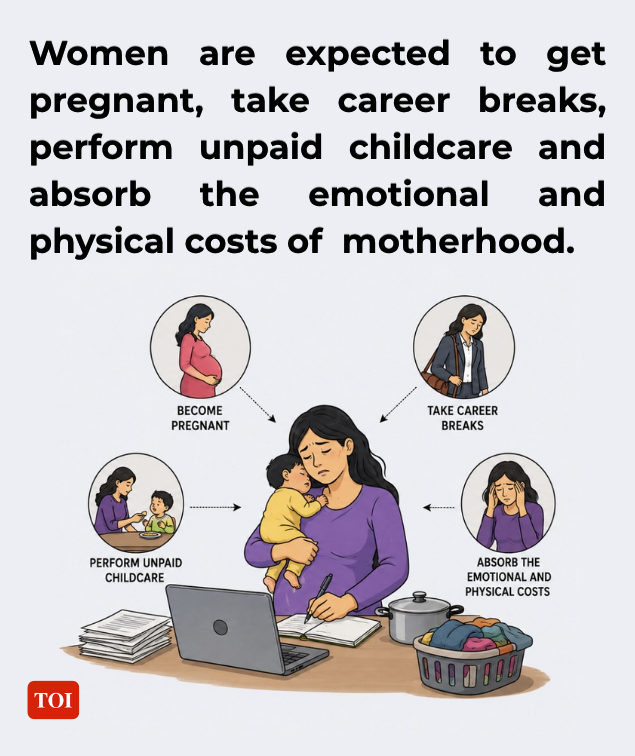
Women’s groups argue that birth incentives ignore the realities of work-economics. Pregnancy, childbirth and childcare responsibilities continue to fall disproportionately on women.In rural Andhra Pradesh, larger families remain common. “Many families are hesitant to opt for sterilisation, and the desire for a male child often leads women to conceive multiple times.”She pointed to tribal communities in the Alluri Sitarama Raju district, where larger families remain prevalent. “Among Particularly Vulnerable Tribal Groups (PVTGs) in the Alluri Sitarama Raju (ASR) district, it is not uncommon for some men to have two or three marriages, with each wife bearing several children. As a result, a single man may have ten or more children. If a wife dies, remarriage often follows, leading to further childbearing. Traditionally, family strength is associated with the number of children, and this mindset continues in some tribal communities. Education is often not prioritised, which is reflected in the district’s poor educational outcomes, including its recent performance in Class 10 examination results,” she said.Urban families, however, increasingly prefer one or two children. “The common belief is that siblings provide companionship, emotional support, and mutual assistance throughout life.”Among educated dual-income households, the trend is increasingly towards a single child. “These families often prioritise providing high-quality education, healthcare, and other opportunities for their child. The high cost of private education and the desire to meet modern lifestyle expectations influence these decisions. In addition, urban families often lack adequate support systems for childcare. Affordable and reliable childcare centres that meet the needs of middle-class families are limited. Hiring a full-time caregiver is expensive, with salaries in Tier-2 and Tier-3 cities of Andhra Pradesh often ranging between ₹18,000 and ₹20,000 per month for approximately ten hours of daily care,” she added.Lifestyle choices, delayed marriages and a rise in live-in relationships are also influencing fertility trends.“Some women and men prefer to focus on their personal lives, careers, and individual aspirations without taking on the responsibilities associated with raising children. These trends are slowly increasing, particularly among urban and educated populations, and they are contributing to declining fertility rates,” she added.
.
The pressure of a ‘Vamsodharakudu’
State-backed calls for larger families risk deepening patriarchal expectations around motherhood and male heirs.“During family counselling, I came across a couple where the wife did not want to have children because of ongoing marital conflict and the husband’s abusive and controlling behaviour. She felt that the marriage was unstable and could break down at any time, as her opinions were not respected and she was denied dignity and equal decision-making within the relationship. The husband, however, wanted children primarily to continue the family lineage and uphold the traditional notion of a male heir or “Vamsodharakudu,” narrated Dr Bollineni.Such attitudes, critics argue, can reduce women to reproductive instruments rather than individuals with their own aspirations.
What government can do instead
The focus needs to shift from cash incentives to structural support for families like mandatory childcare facilities, tax benefits, subsidies for childcare centres, stronger enforcement of paid maternity leave, minimum paid paternity leave, support for women-led neighbourhood childcare enterprises, digital literacy programmes and menstrual hygiene facilities at workplaces.While Anganwadis provide care and early learning for children aged three to five, there is no comparable childcare system for younger children.“For children under three, most Anganwadis provide only take-home rations. This mismatch means mothers with infants and toddlers cannot find safe, local childcare and therefore struggle to return to work, especially in informal jobs where employers do not provide childcare,” she said.Other suggestions include extended parental leave, affordable working-women’s hostels, neighbourhood childcare centres, flexible work arrangements, housing support for larger families and expanded maternal healthcare services.
Quality of life over birth rates
Dr Bollineni stressed that population policy should focus on family wellbeing rather than numbers alone.“Men must share household and childcare duties rather than adopt ‘boss’ attitudes that leave women solely responsible for domestic work,” she said.“Recent discussions on encouraging larger families risk focusing narrowly on birth rates while overlooking the structural support families need.”“Policy must measure and improve quality-of-life indicators — nutrition, maternal and child health, education, sanitation, and income security — because healthy, educated families are the sustainable foundation for any population policy,” Dr Bollineni said.Andhra Pradesh risks borrowing the rhetoric of countries facing demographic decline without having the welfare infrastructure needed to support larger families. In a country where social security remains limited, the burden is likely to fall disproportionately on women and children.Declining fertility is not necessarily a problem but often a sign of progress — reflecting women’s greater access to education, delayed marriage and increased control over reproductive choices.


