
NEW DELHI: Observing that a person is legally entitled to dispose of his property as he wishes, Supreme Court has ruled that a will cannot be invalidated just on the ground that legal heirs have been denied a share, reports Amit Anand Choudhary.A bench of Justices Ujjal Bhuyan and Vijay Bishnoi said the exclusion of natural heirs from a property, by itself, cannot be construed as a suspicious circumstance and dismissed the plea of the wife and children of a chartered accountant challenging the validity of his will.Unless exclusion of legal heirs is accompanied by suspicious circumstances affecting the genuineness or execution of the will, the exclusion alone does not render a will invalid, SC said. It noted that the will in question clearly specified that the testator has not done any injustice to his wife, children, or other relatives, and that he has given enough to them.In the will made in 1983, the CA bequeathed all the scheduled properties in the favour of his only sister. He died just six months thereafter and then started a legal battle among family members which went on for 43 years before it was finally adjudicated by the apex court.”The contention of the appellants (wife, children) that they, being the natural heirs of the testator, have been outrightly excluded without any reason and that such exclusion constitutes a suspicious circumstance surrounding the execution of the will is legally untenable. It is well-established that mere deprivation of natural heirs, by itself, may not amount to a suspicious circumstance because the whole idea behind the execution of a will is to interfere with the normal line of succession,” it said.The CA’s will, the bench said, “was duly executed by the testator voluntarily out of his free will in a sound state of mind and the same stands proved through the testimony of one of the attesting witnesses who was examined by the trial court. This witness categorically stated that the testator executed the will in question in his presence, and that both he and the testator signed the will in the presence of each other”.End of ArticleFollow Us On Social MediaVideosDepartment Of Space Clears Major Space Manufacturing Clusters In Gujarat And Tamil NaduCentre To Create Strong Anti-Infiltration Security Layer Across Tripura, Assam And Bengal: Amit ShahSC To Revisit UAPA Bail Standards As Umar Khalid Case Sparks Bigger Constitutional DebateIndia Conducts Successful Agni-1 Missile Test; Strategic Forces Command Validates All ParametersSuvendu Adhikari Announces New Direct Deportation Policy For Illegal Bangladeshi MigrantsKerala Swearing-In Sees Unity Moments As Rivals Exchange Smiles Inside Assembly Hall Today in KeralaTwisha Sharma Case: Husband Samarth Singh Surrenders In Court, Taken Into Police Custody | WatchWest Bengal: Crude Bombs Recovered In Birbhum’s Kod Village, Area Cordoned OffWest Bengal Begins Border Fencing In Phansidewa Amid Rising Infiltration And Smuggling ConcernsHumayun Kabir’s Cow Slaughter Remarks Trigger Political Row Over Qurbani And Law In West Bengal123Photostories5 most visited tourist attractions in the USA and what travellers need to knowFrom facing rejections over her dark skin tone to refusing a fairness cream ad film: When The Kerala Story 2 actress Ulka Gupta spoke about her strugglesCannes 2026: Aishwarya Rai Bachchan sets the red carpet on fire in a blue crystal gown by Amit AggarwalIndia’s most mystical and lesser-known mangrove forests travellers rarely talk aboutAam Panna to Lassi: 10 traditional Indian summer drinks & their calories per serving5 most beautiful parrots in the world that look almost unrealAll about Harry Styles and his USD 30 million real estate investments over the yearsHow children raised by overly strict parents turn out later in life: The answer is an eye-openerWhat is Lormalzi? Expert explains how it works and who it’s meant for5 cooling essential oils perfect for stressful summer days123Hot PicksBandra demolition driveIPL Schedule 2026Vinesh PhogatUP HeatwaveHardoi fireNID DAT counselling 2026TN Ministers ListTop TrendingTN Finance Minister Marie WilsonNID DAT counsellingChristiano RonaldoPM ModiHardik PandyaJEE Advanced Response SheetIPL Orange Cap 2026Conor McGregor Net WorthNEET UG Paper LeakWest Bengal Annapurna Yojana

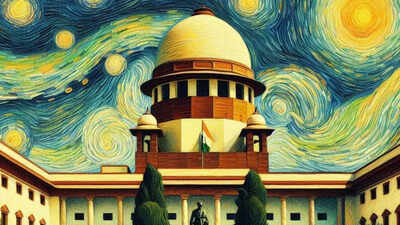
NEW DELHI: Observing that a person is legally entitled to dispose of his property as he wishes, Supreme Court has ruled that a will cannot be invalidated just on the ground that legal heirs have been denied a share, reports Amit Anand Choudhary.A bench of Justices Ujjal Bhuyan and Vijay Bishnoi said the exclusion of natural heirs from a property, by itself, cannot be construed as a suspicious circumstance and dismissed the plea of the wife and children of a chartered accountant challenging the validity of his will.Unless exclusion of legal heirs is accompanied by suspicious circumstances affecting the genuineness or execution of the will, the exclusion alone does not render a will invalid, SC said. It noted that the will in question clearly specified that the testator has not done any injustice to his wife, children, or other relatives, and that he has given enough to them.In the will made in 1983, the CA bequeathed all the scheduled properties in the favour of his only sister. He died just six months thereafter and then started a legal battle among family members which went on for 43 years before it was finally adjudicated by the apex court.“The contention of the appellants (wife, children) that they, being the natural heirs of the testator, have been outrightly excluded without any reason and that such exclusion constitutes a suspicious circumstance surrounding the execution of the will is legally untenable. It is well-established that mere deprivation of natural heirs, by itself, may not amount to a suspicious circumstance because the whole idea behind the execution of a will is to interfere with the normal line of succession,” it said.The CA’s will, the bench said, “was duly executed by the testator voluntarily out of his free will in a sound state of mind and the same stands proved through the testimony of one of the attesting witnesses who was examined by the trial court. This witness categorically stated that the testator executed the will in question in his presence, and that both he and the testator signed the will in the presence of each other”.


