
Competition commission of India NEW DELHI: In a sweeping order examining pricing practices at private super-speciality hospitals in Delhi NCR, the Competition Commission of India (CCI) raised concerns over how admitted patients are routed towards in-house pharmacies, diagnostics and consumables, with the regulator observing that patients often become “locked-in” once admitted.The 32-page order relating to Sir Ganga Ram Hospital is part of a wider investigation involving 12 major private hospitals in Delhi. The regulator examined whether hospitals effectively compel admitted patients to buy medicines, devices and diagnostic services only from hospital-linked facilities, leaving them with little practical choice during treatment.Reacting to the order, Dr (Prof) D S Rana, Chairman of the Board of Trustees at Sir Ganga Ram Hospital, said the hospital was reviewing the findings.“We have received the order and are studying it in detail. Prima facie, it is a welcome step by the CCI. We will get back further after studying the order in detail,” he said.The case originated from a 2015 complaint alleging inflated syringe pricing in a Delhi hospital. During the probe, the Director General (DG) widened the investigation to cover multiple super-speciality hospitals across the capital.The Commission noted that hospitals often create a “locked-in” effect for admitted patients by encouraging or effectively restricting them to in-house pharmacies and diagnostic facilities. “In-patients, almost always, resort to usage of the hospital’s in-house pharmacy and laboratories,” the order observed.The DG’s investigation found substantial mark-ups in several diagnostic tests at Sir Ganga Ram Hospital between 2015 and 2018 when compared with standalone diagnostic chains. According to the order, tests such as liver function tests, renal biochemical profiles, reticulocyte counts and blood culture tests were priced significantly higher than average market rates during some years under review.The Commission also examined pricing of MRIs, X-rays and ultrasound procedures. It recorded that some imaging procedures were priced over 50% higher than rates charged by standalone diagnostic centres during parts of the investigation period.However, the CCI said the DG’s methodology for determining unfair pricing was inadequate, noting that procurement cost alone could not be used to calculate excessive profit margins because it did not account for storage, supply chain, staffing and operational expenses borne by hospitals.The Commission also observed that hospitals are under no legal obligation to pass procurement profits on to patients.Importantly, the order stated that there was no finding that prices charged by the hospital exceeded the Maximum Retail Price fixed by manufacturers for medicines or consumables.The CCI further acknowledged that hospital-based diagnostics operate round the clock and involve higher staffing and infrastructure costs than standalone labs, making direct comparisons difficult.Sir Ganga Ram Hospital defended its pricing structure before the Commission, arguing that it functions under a charitable trust model and uses revenue from paying patients to subsidise treatment for economically weaker sections.The hospital also argued that charges reflect costs linked to 24×7 emergency readiness, specialist manpower, advanced medical equipment and hospital infrastructure.While raising concerns over pricing practices and patient lock-ins, the Commission ultimately closed proceedings against the hospital, saying the evidence gathered during the probe did not conclusively establish abuse of dominant position under the Competition Act.About the AuthorAnuja JaiswalAnuja Jaiswal is a Senior Assistant Editor at The Times of India, with an impressive 18-year career in narrative journalism. She specializes in health and heritage reporting, expertly simplifying complex health information to make it engaging and understandable for readers. Her deep dives into heritage topics are well-researched, resulting in captivating narratives that resonate with her audience. Over the years, she has worked in Chandigarh, Chhattisgarh and West UP, gaining diverse on-ground experience that shapes her storytelling.Read MoreEnd of ArticleFollow Us On Social MediaVideosVenezuela Overtakes Saudi Arabia As India’s Third-Largest Oil Supplier Amid Global Energy TurmoilMarco Rubio Calls India “Great Ally”, Says US Ready To Sell Massive Energy Supply To New DelhiBhojshala Dispute Reaches Supreme Court As Muslim Side Challenges MP High Court Temple VerdictFIR Filed Against Parambrata Chattopadhyay & Swastika Mukherjee Over 2021 Social Media PostsFIR Filed Against Parambrata Chattopadhyay & Swastika Mukherjee Over 2021 Social Media Posts“Viksit Bharat 2047 Is Our Commitment”: PM Modi Pushes Faster Governance At Key Ministers’ MeetCBI Frees UP Man In Suvendu Adhikari PA Murder Case; Raj Singh Alleges Torture, Encounter ThreatCalcutta High Court Junks Pleas On West Bengal Cattle Slaughter Rules Ahead Of Bakr Eid‘Menon’ Surname Row: VD Satheesan Faces Heat From Kerala Congress Leaders Over Oath Name ChoiceIUML And VCK To Also Join Vijay Cabinet In Tamil Nadu, Expansion Tomorrow: Report123Photostories”They temporarily close down the mess because of me.” Sundar Pichai on being popular for a day in collegeSuccess quote of the day by Albert Einstein: “Try not to become a man of success, but…”Gigi Hadid’s New York apartment is all about a millennial’s rustic and boho in modernity: 5 artsy inspirations to steal7 things children remember about their parents foreverDowry harassment to divorce settlement: 5 Indian marital cases that changed marriage rights for womenCould a human survive an anaconda squeeze?8 smart air fryer hacks that will make cooking easierWhy many eye diseases show no symptoms in the beginning10 legal documents you must check before buying a property in IndiaNelson Mandela quotes that define courage, leadership, and resilience123Hot PicksBandra demolition driveIPL Schedule 2026Indian rupeeUP HeatwaveHardoi fireNID DAT counselling 2026TN Ministers ListTop TrendingTN Finance Minister Marie WilsonNID DAT counsellingChristiano RonaldoPM ModiHardik PandyaJEE Advanced Response SheetIPL Orange Cap 2026Conor McGregor Net WorthNEET UG Paper LeakWest Bengal Annapurna Yojana

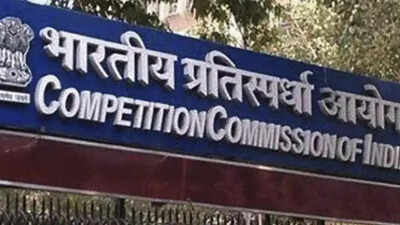
NEW DELHI: In a sweeping order examining pricing practices at private super-speciality hospitals in Delhi NCR, the Competition Commission of India (CCI) raised concerns over how admitted patients are routed towards in-house pharmacies, diagnostics and consumables, with the regulator observing that patients often become “locked-in” once admitted.The 32-page order relating to Sir Ganga Ram Hospital is part of a wider investigation involving 12 major private hospitals in Delhi. The regulator examined whether hospitals effectively compel admitted patients to buy medicines, devices and diagnostic services only from hospital-linked facilities, leaving them with little practical choice during treatment.Reacting to the order, Dr (Prof) D S Rana, Chairman of the Board of Trustees at Sir Ganga Ram Hospital, said the hospital was reviewing the findings.“We have received the order and are studying it in detail. Prima facie, it is a welcome step by the CCI. We will get back further after studying the order in detail,” he said.The case originated from a 2015 complaint alleging inflated syringe pricing in a Delhi hospital. During the probe, the Director General (DG) widened the investigation to cover multiple super-speciality hospitals across the capital.The Commission noted that hospitals often create a “locked-in” effect for admitted patients by encouraging or effectively restricting them to in-house pharmacies and diagnostic facilities. “In-patients, almost always, resort to usage of the hospital’s in-house pharmacy and laboratories,” the order observed.The DG’s investigation found substantial mark-ups in several diagnostic tests at Sir Ganga Ram Hospital between 2015 and 2018 when compared with standalone diagnostic chains. According to the order, tests such as liver function tests, renal biochemical profiles, reticulocyte counts and blood culture tests were priced significantly higher than average market rates during some years under review.The Commission also examined pricing of MRIs, X-rays and ultrasound procedures. It recorded that some imaging procedures were priced over 50% higher than rates charged by standalone diagnostic centres during parts of the investigation period.However, the CCI said the DG’s methodology for determining unfair pricing was inadequate, noting that procurement cost alone could not be used to calculate excessive profit margins because it did not account for storage, supply chain, staffing and operational expenses borne by hospitals.The Commission also observed that hospitals are under no legal obligation to pass procurement profits on to patients.Importantly, the order stated that there was no finding that prices charged by the hospital exceeded the Maximum Retail Price fixed by manufacturers for medicines or consumables.The CCI further acknowledged that hospital-based diagnostics operate round the clock and involve higher staffing and infrastructure costs than standalone labs, making direct comparisons difficult.Sir Ganga Ram Hospital defended its pricing structure before the Commission, arguing that it functions under a charitable trust model and uses revenue from paying patients to subsidise treatment for economically weaker sections.The hospital also argued that charges reflect costs linked to 24×7 emergency readiness, specialist manpower, advanced medical equipment and hospital infrastructure.While raising concerns over pricing practices and patient lock-ins, the Commission ultimately closed proceedings against the hospital, saying the evidence gathered during the probe did not conclusively establish abuse of dominant position under the Competition Act.


