
London tube strike confirmed after last-minute talks collapse, 4 days of disruption expected

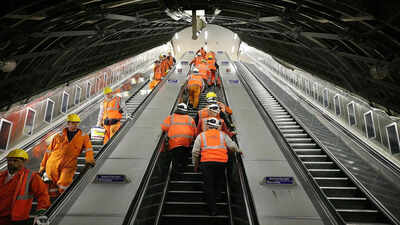
London commuters brace for 4 days of tube strike disruption / Image: File
London is preparing for another week of major travel disruption after talks between Transport for London (TfL) and the Rail, Maritime and Transport union (RMT) failed to stop planned Tube strikes. The industrial action is now officially set to go ahead across four days, threatening widespread delays, overcrowding and partial shutdowns across the London Underground network.The strike action will take place in two separate 24-hour walkouts:
- Tuesday 19 May to Wednesday 20 May
- Thursday 21 May to Friday 22 May
Each strike begins at midday and runs until midday the following day, but TfL has warned disruption will continue long after the strikes officially end. Services are expected to remain heavily affected into the afternoons and evenings.TfL says some Tube lines will see little or no service during parts of the strike period. According to transport officials, the following lines are expected to be among the worst affected:
- Piccadilly line
- Circle line
- Parts of the Metropolitan line
- Parts of the Central line
Other lines are likely to operate reduced or disrupted services, with trains finishing earlier than normal on strike days.Despite the disruption, TfL says other transport systems including the Elizabeth line, London Overground, buses, trams and DLR services are expected to continue running, though passengers should expect severe crowding and longer travel times.
Why are London drivers striking?
At the centre of the dispute is TfL’s proposal for a voluntary four-day working week for Tube drivers. Under the plan, drivers would work longer shifts across fewer days. TfL argues the proposal is designed to improve work-life balance and would remain optional for workers.However, the RMT union strongly opposes the changes, arguing the compressed schedule could increase fatigue, create safety concerns and negatively affect working conditions. Union officials also claim TfL pushed ahead with the proposal despite opposition from many drivers during internal consultations.The dispute has also exposed divisions between unions. Members of ASLEF, another major rail union representing Tube drivers, reportedly accepted aspects of the four-day week proposal, while RMT members continued resisting the plan.TfL insists the proposal is entirely voluntary and workers unwilling to join the new schedule can continue on existing five-day arrangements. Claire Mann, TfL’s Chief Operating Officer, described the strike action as “disappointing” and said negotiations had continued in an effort to avoid disruption.Earlier negotiations had briefly raised hopes the strikes could be suspended, especially after previous March walkouts were called off following progress in discussions. But fresh talks ultimately collapsed, allowing the industrial action to move forward.
London commuters may face chaos
The strike is expected to affect hundreds of thousands of commuters, office workers and tourists travelling across London during one of the busiest periods of the month. Transport experts warn stations could experience severe overcrowding, particularly during peak morning and evening rush hours.The disruption also comes during major public events including the famous Chelsea Flower Show, which attracts around 160,000 visitors annually. Travel experts say visitors attending the event may face major delays while travelling through central London.TfL has advised passengers to avoid unnecessary Tube travel where possible and instead use buses, the Elizabeth line and London Overground services as alternatives. Officials are also urging commuters to allow extra travel time, check live travel updates before leaving home and consider walking or cycling for shorter journeys.Transport authorities warned that some stations could temporarily close because of overcrowding, while additional buses and replacement services may be deployed on busy routes across the capital.
More tube strikes in June
The current strike action may not be the end of the dispute. Additional Tube strikes are already planned for June if negotiations between TfL and the RMT fail to produce a breakthrough.The next proposed strike dates are:
- 16 June to 17 June
- 18 June to 19 June
The ongoing standoff has become one of the biggest transport disputes London has faced in recent months, with commuters increasingly frustrated over repeated disruption to daily travel. Some critics accuse both TfL and union leaders of failing to reach a compromise, while supporters of the strike argue workers’ concerns over fatigue and safety should ot be ignored.For now, Londoners are once again being told to prepare for crowded buses, delayed journeys and another difficult week on the capital’s transport network.


