
In 2016, stadium crews digging in Oregon found giant bones that revealed an Ice Age world beneath the field

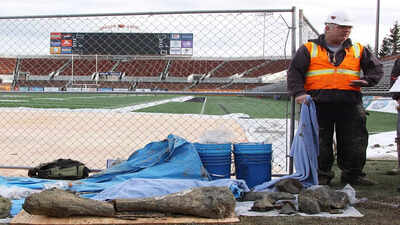
Many years before the noise of thousands of screaming spectators became a common occurrence every Saturday afternoon, there was another story waiting to be unearthed at the site of Oregon State University. In 2016, there was a major construction project taking place on campus to expand the stadium. While the labourers worked to dig the grounds to make room for new facilities, something unexpected caught their attention. They had no intention of finding anything related to the past while they excavated the grounds of the Willamette Valley.Beneath the surface of the earth lay the fossilised remains of large bones that seemed not to belong to any animal currently roaming in the region. The realisation put a stop to all activities because people understood that during the stadium construction work, a significant paleontological site from thousands of years ago had been accidentally uncovered. Scientists identified these findings as belonging to mammoths – creatures of the Ice Age that once roamed around the area 10,000 years ago.A campus project uncovering the Ice AgeThe discovery became much more than a temporary distraction for the builders and students. In fact, the mammoth has been a massive addition to the university’s history ever since. According to the research article Emissary from an Ice-Age Boneyard published in Terra Magazine, the location of the mammoth bones is situated in an old stream or bog that worked as a natural trap for prehistoric animals. It means that the university construction site provided researchers with a “bone pit” that included not just mammoths, but bison and ancient camels as well.The discovery of these remains indicates that the current site where students and athletes gather used to be a Pleistocene landscape teeming with large animals. While the sports field today represents a dynamic setting full of speed and technology, the basement ten feet beneath the end zone is a relic of times long passed. That is what gives history such an amazing appeal. We have to recognise that human history is only one chapter in the long biography of the Earth.
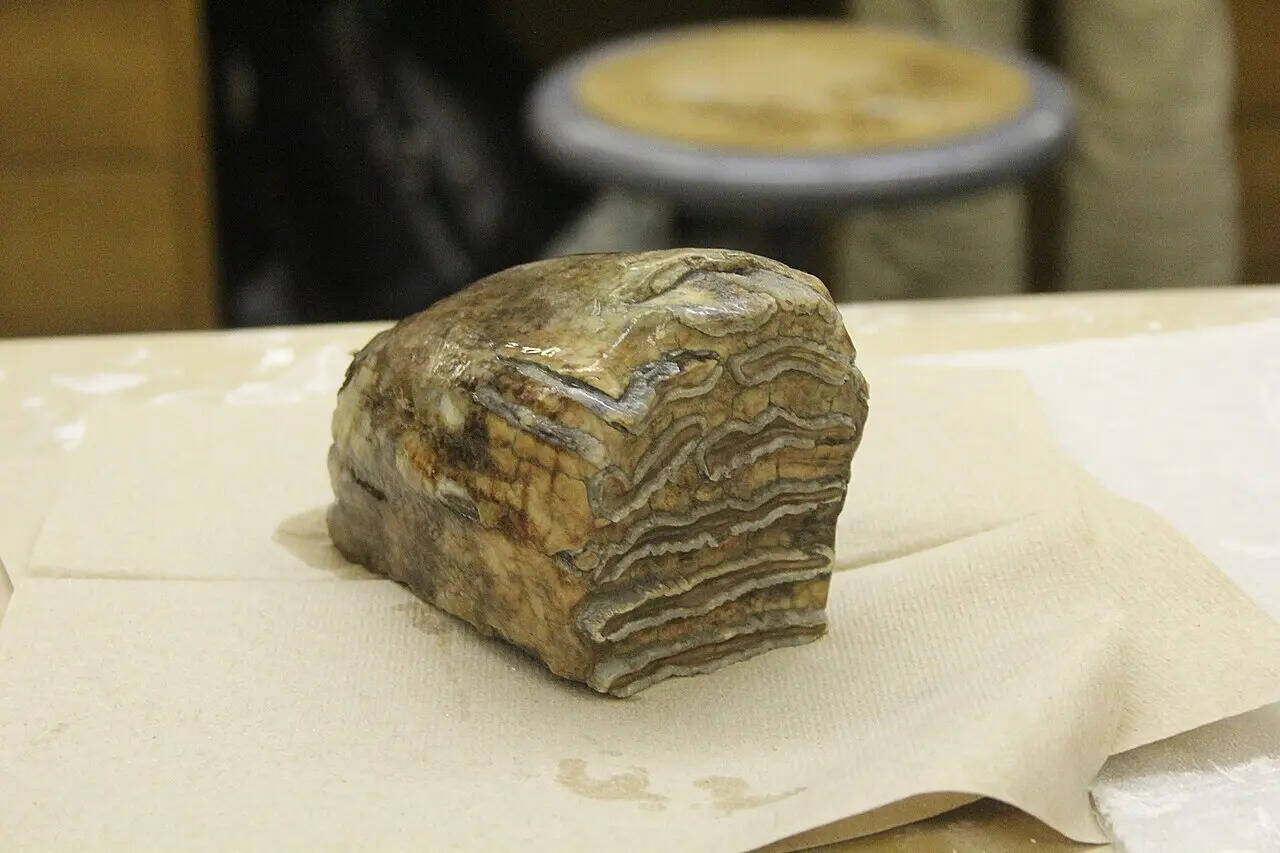
Excavations for stadium expansion uncovered a “bone pit” containing mammoths, bison, and ancient camels, highlighting the region’s prehistoric landscape. Image Credits: Wikimedia Commons
Why does the ground beneath our feet still hide so many secrets?Perhaps the most fascinating point about the Oregon finding is the fact that it emphasises the connection between urban construction and discovering new things about the past. While it seems reasonable to assume that big construction sites destroy nature, the process can sometimes be quite the opposite. As stated by the report provided by International Business Times, the 2016 discovery changed the way the campus was viewed due to the possibility of exploring intact remains directly under modern grounds.This discovery also tells us a great deal about the environmental history of the Pacific Northwest. Mammoths are often seen as legendary creatures, but they were very real residents of the Willamette Valley. Finding their remains beneath a football field helps humanise the science of palaeontology. It makes the Ice Age feel less like an abstract concept in a textbook and more like a physical reality that exists right under our feet. For the university, the mammoth has become a symbol of endurance and deep history, a prehistoric mascot that predates the school itself by millennia.Certainly, the story about the mammoth at the stadium has survived owing to its vivid visuals. It is easy to imagine the astonished faces of the workers who had to extract a large femur from the muck in 2016. This makes it apparent that archaeology need not be conducted in distant deserts. On the contrary, it can happen right at home, inside a college campus where individuals gather for a football game.It is simply amazing to realise that every time a group comes out onto the field, they are actually walking on the tracks of long-gone giants. You can’t help but imagine what other secrets may lie buried beneath the earth of your own backyard, waiting to be revealed.


