
In 1850, a local Orcadian surveyed a storm-battered shoreline and accidentally discovered a Neolithic village hidden for millennia

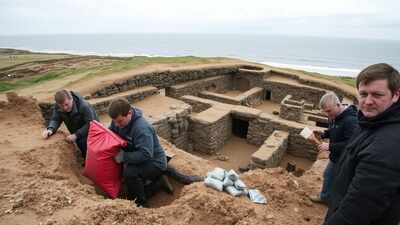
Some of the greatest discoveries start not in libraries or laboratories but in the atmosphere. It was during the winter of 1850 when a huge storm struck the west coast of Mainland in Orkney. It was such a destructive storm that it looked like nature wanted to strip the place naked. But once the storm passed and the clouds cleared over the Bay of Skaill, the people did not find a destroyed shore only, but a civilisation that had disappeared for five millennia.William Watt of Skaill discovered Skara Brae accidentally as he was examining the destruction caused by the storm in the area where there was grass and sand covering a large mound. He did not know anything about the old ruins at that time. However, the exposed stonework made him realise that whatever was revealed was created by humans and not nature, which made him wonder and stay in awe of the ruins.A time capsule carved in stone and sea airThis revelation is fascinating because most other historical ruins consist merely of a foundation and some scattered materials from the past. However, Skara Brae was preserved under a pile of sand like a time capsule. The sand served as a protective layer over these eight homes and, when it was removed, eight small houses appeared along with their low roofs and covered walkways. Most importantly, the furniture was in place and still remained the way its creators placed it years ago.According to the official site history provided by Historic Environment Scotland, the village is an architectural marvel that dates back to between 3180 BCE and 2500 BCE. To put that in perspective, this village is older than the Great Pyramids of Giza. The people who lived here were part of a sophisticated society that built stone dressers for their belongings, stone beds for sleeping, and central hearths to keep the North Atlantic chill at bay. It is a humble but profound look at the domestic lives of people who lived at the very dawn of settled agriculture.
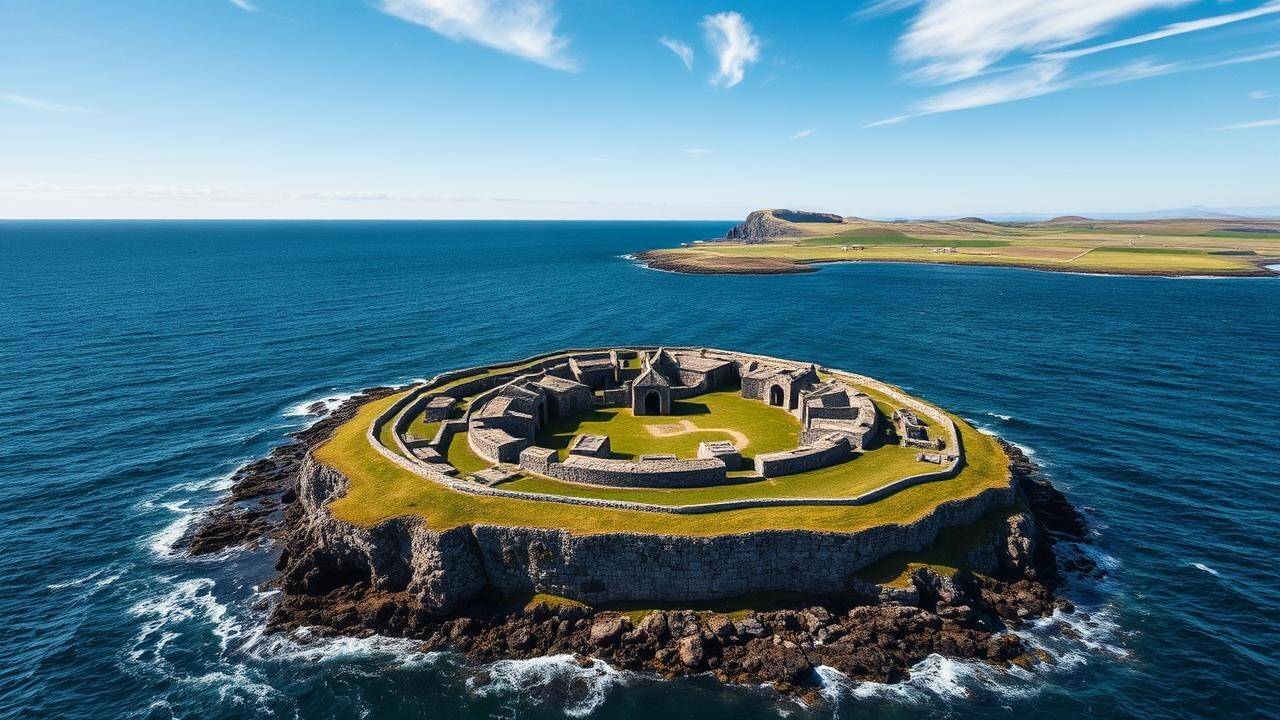
Now a UNESCO World Heritage Site, Skara Brae faces a new threat from the encroaching Atlantic Ocean and climate change.
Exploring the site is akin to walking around a neighbourhood that got abandoned overnight. The intimacy of the setting cannot be missed. The organic nature of the roofs, made of whalebone and turf, is long gone, allowing us to take a peek inside from above, just like looking inside a Stone Age dollhouse.Conserving a global heritage in a fragile coastline settingThe village, despite its antiquity and remarkable preservation, has ultimately achieved global acclaim. It has become the core of a wider expanse of lands referred to as the Heart of Neolithic Orkney. Recognised by UNESCO as a World Heritage Site, the area is home to a rich collection of prehistoric sites, unmatched in Northern Europe. Besides the settlement, the site also includes enormous stone rings and a grandiose chambered tomb, suggesting that Orkney may once have been a crossroad of cultures in the ancient world.The research and management documents from the Heart of Neolithic Orkney UNESCO designation highlight how vital Skara Brae is to our understanding of human development. It provides the most complete picture of a Neolithic settlement anywhere in Europe. However, the very thing that revealed the site is also its biggest threat. The Atlantic Ocean continues to bite at the coast, and climate change is making those winter storms even more unpredictable.Conservationists wage an endless war to protect the stone walls against the ravages of time and the ocean. Sea walls still stand, but technology keeps a vigilant eye on the site. But the battle continues. Skara Brae is an example of how natural forces determine the course of history. Discovered following a storm, it must now contend with the forces of the ocean, which threaten its future existence.A visit today brings an adrenaline rush of “must-do” urgency to the traveller. It provides a unique insight into how, despite millennia of development and change, the simple human desire for a place to call home, a hearth, has remained unchanged throughout all time. The truth needed only one lucky storm in 1850 to be brought back to light.


