
File photo NEW DELHI: Shekha Jheel Bird Sanctuary of Aligarh, Uttar Pradesh has got an international tag of Ramsar site, taking India’s total of such protected wetlands to 99 and the state’s tally to 12.Globally, there are nearly 2,594 such designated wetlands under the 1971 Ramsar Convention. India has the highest number of such wetlands in Asia and third highest in the world after the UK (176) and Mexico (144).“This partially human-made wetland complex, comprising Shekha Jheel Lake and surrounding deciduous forest, was formed following the construction in the 1850s of the Upper Ganges Canal, which flows adjacent to the site,” said the Convention secretariat on its website.Highlighting the ecological importance of the site, Union environment minister Bhupender Yadav on Wednesday said, “Shekha Jheel acts as a crucial stopover on the Central Asian Flyway, providing a vital habitat for migratory birds such as the Bar-headed Goose, Painted Stork and various ducks during the winter season.” He through his post on X also appealed to people to visit the site.The site has been designated as an Important Bird and Biodiversity Area (IBA) by BirdLife International due to its importance for bird conservation. It also supports other water-dependent species, such as three threatened turtle species: the black pond turtle, Indian flap-shelled turtle and Ganges soft-shelled turtle. The number of Indian wetland sites in the global list of Ramsar Convention has increased from 26 to 99 in the past 11 years, of which 57 have been added in the last four years.Wetlands are land areas covered by water, either temporarily/ seasonally or permanently. These are critical ecosystems that play a significant role in supporting biodiversity, and providing various ecosystem services such as flood control, water supply, food, fibre and raw materials.The Convention was adopted in 1971 in the Iranian city of Ramsar, providing a framework for the conservation and wise use of wetlands across its 172-member countries including India.About the AuthorVishwa MohanVishwa Mohan is Senior Editor at The Times of India. He writes on environment, climate change, agriculture, water resources and clean energy, tracking policy issues and climate diplomacy. He has been covering Parliament since 2003 to see how politics shaped up domestic policy and India’s position at global platform. Before switching over to explore sustainable development issues, Vishwa had covered internal security and investigative agencies for more than a decade.Read MoreEnd of ArticleFollow Us On Social MediaVideosINS Dhruv: The ship behind India’s missile tracking and strategic strength‘Dot, Dot, Dot’: Rajnath Singh Warns Pakistan On Pahalgam Attack AnniversaryFrom US To Israel: Global Leaders Mark One Year Of Pahalgam Terror AttackPappu Yadav Defies NCW Notice, Doubles Down on Remarks Amid Massive Political RowIAF Lands Fighter Jets, Transport Aircraft on Purvanchal Expressway in Major Readiness DrillFast Fashion Explained: The Hidden Cost of Cheap Clothes Will Shock YouMumbai Woman Blasts BJP Minister Over Traffic Chaos Caused By ‘Nari Shakti’ Rally: ‘Get Out of Here’How Upgraded L-70 Bofors Guns Emerged As India’s Key Defence Against Pakistan’s Drone WarfareRajnath Singh Hints At India’s Future Role In West Asia Peace EffortsUS Woman Alleges Sexual Assault At Karnataka Homestay, Owner Also Arrested123PhotostoriesANZAC Day 2026: What’s open and closed across AustraliaOTT Releases This Week (April 23–27): ‘If Wishes Could Kill’, ‘Marty Supreme’, ‘Band Melam’, ‘Apex’ lead the slate3 mantras to chant everyday that are believed to bring peace, prosperity and divine protectionPresident Droupadi Murmu hosted South Korean President with royal Rajasthani feastMukul Chadda, Mallika Sarabhai, Smriti Kalra: Meet the IIM graduates who swapped corporate suits for movie scriptsSpiritual benefits of taking a holy dip in Ganga riverTop 5 premium residential areas of GhaziabadNavi Mumbai airport gets major connectivity boost with 2.7-km Stilt Bridge Route-98 traditional foods sun-dried in April for year-rounad enjoymentMumbai-Pune commute set for makeover with signal-free Atal Setu link123Hot PicksBengal Election 2026Rahul gandhi rallyBengal election dos and don’tsTamil Nadu pollsSIR ProtestTN election dos and don’tsBank Holidays AprilTop TrendingLSG vs RR IPL MatchMohandas PaiSupreme CourtMalegaon Blast CaseMeerut Blue Drum Murder CaseBareilly Suicide NewsTCS Nashik CaseDelhi Murder NewsMiddle East ConflictIPL Orange Cap

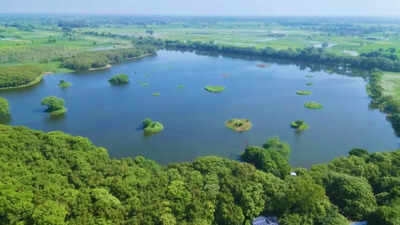
NEW DELHI: Shekha Jheel Bird Sanctuary of Aligarh, Uttar Pradesh has got an international tag of Ramsar site, taking India’s total of such protected wetlands to 99 and the state’s tally to 12.Globally, there are nearly 2,594 such designated wetlands under the 1971 Ramsar Convention. India has the highest number of such wetlands in Asia and third highest in the world after the UK (176) and Mexico (144).“This partially human-made wetland complex, comprising Shekha Jheel Lake and surrounding deciduous forest, was formed following the construction in the 1850s of the Upper Ganges Canal, which flows adjacent to the site,” said the Convention secretariat on its website.Highlighting the ecological importance of the site, Union environment minister Bhupender Yadav on Wednesday said, “Shekha Jheel acts as a crucial stopover on the Central Asian Flyway, providing a vital habitat for migratory birds such as the Bar-headed Goose, Painted Stork and various ducks during the winter season.” He through his post on X also appealed to people to visit the site.The site has been designated as an Important Bird and Biodiversity Area (IBA) by BirdLife International due to its importance for bird conservation. It also supports other water-dependent species, such as three threatened turtle species: the black pond turtle, Indian flap-shelled turtle and Ganges soft-shelled turtle. The number of Indian wetland sites in the global list of Ramsar Convention has increased from 26 to 99 in the past 11 years, of which 57 have been added in the last four years.Wetlands are land areas covered by water, either temporarily/ seasonally or permanently. These are critical ecosystems that play a significant role in supporting biodiversity, and providing various ecosystem services such as flood control, water supply, food, fibre and raw materials.The Convention was adopted in 1971 in the Iranian city of Ramsar, providing a framework for the conservation and wise use of wetlands across its 172-member countries including India.


