
Newborns left in dustbins, buses, forests: Madhya Pradesh tops India in infant abandonment cases for 5th straight year


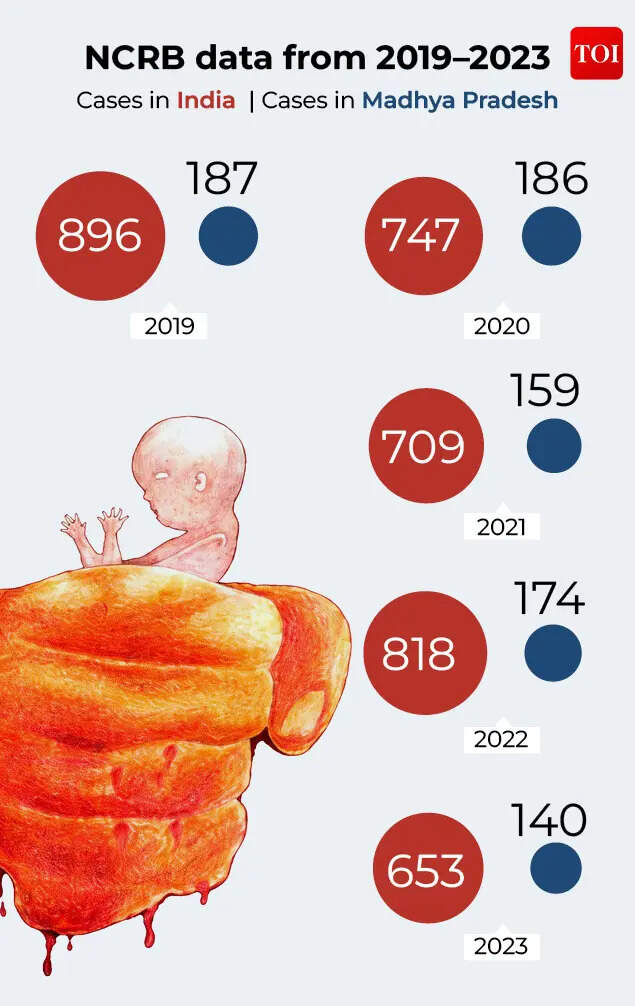
BHOPAL: Madhya Pradesh continues to report the highest number of infant abandonment cases in the country, highlighting a serious concern. According to data released by the National Crime Records Bureau (NCRB), the state has consistently topped the list for several years.A series of incidents from across the state have emerged in which newborns were abandoned in unsafe conditions, putting their lives at immediate risk. Some infants miraculously survived due to timely intervention by locals or authorities, while others were not as fortunate.The NCRB’s “Crime in India 2023” report shows that Madhya Pradesh has consistently recorded the highest number of infant abandonment cases in the country over the past five years.Despite fluctuations in the national figures, Madhya Pradesh remained at the top from 2019 to 2023. Even in 2023, when overall cases across India declined to 653, the state alone accounted for 140 cases — the highest in the country.The data shows that the issue is not random but a repeated problem, and the reasons behind it need to be examined more closely.
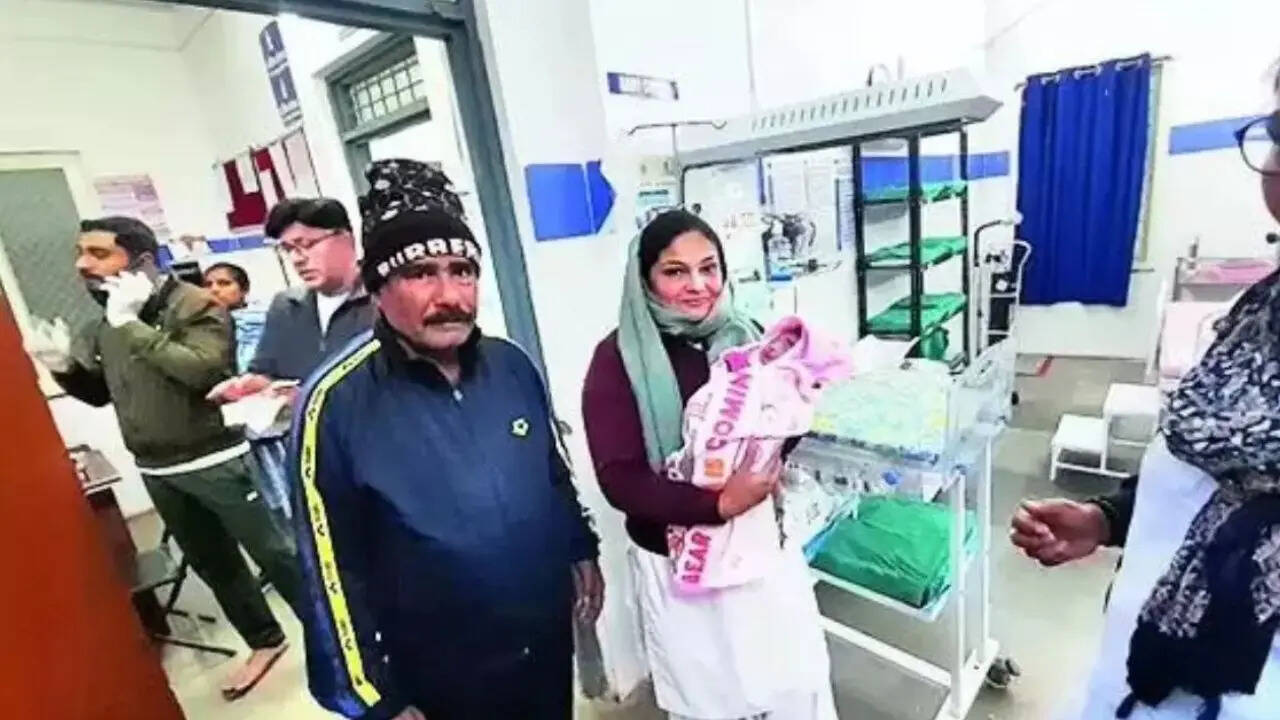
Borewell Horror: A Newborn Left To Die, But SurvivesOne of the most shocking recent cases emerged from Vidisha district, where a newborn girl was abandoned within hours of her birth.According to police, the infant was born around 7am. Less than two hours later, she was lowered into a 20-foot-deep dry borewell using a makeshift cloth sling. The way the baby was abandoned shows it was a planned act, but the cloth sling may have accidentally helped reduce the impact of her fall.The baby’s survival was nothing short of miraculous. A local, passing by the area, heard faint cries coming from deep inside the well. Realising the seriousness of the situation, he immediately alerted the police through Dial 112.Police teams rushed to the spot, rescued the infant, and shifted her to a nearby healthcare facility. The child was alive, defying the odds.The 22-year-old mother was later identified and arrested. The incident sent shockwaves across the region, highlighting the extreme measures some individuals resort to when abandoning newborns.Newborn Buried Alive: Fear of Job Loss Drives Extreme ActAnother disturbing case from Chhindwara district exposed how fear and policy-related pressures can lead to extreme actions.A government school teacher and his wife buried their three-day-old son alive in a forest in Nandanwadi village. According to police, the couple feared that having a fourth child would cost the teacher his job under Madhya Pradesh’s two-child policy for government employees.The couple already had three children — two daughters aged 11 and 7, and a four-year-old son. They had reportedly managed to conceal the third child from official records. However, with the birth of a fourth child, they feared exposure and possible job loss.Three days after the baby’s birth, the couple carried the infant into a forest on a motorcycle and buried him under stones.In a twist of fate, villagers passing through the area heard the baby’s cries. They quickly rescued him and rushed him to a hospital, where doctors confirmed that the child was alive.Initially, a case of abandonment was registered. However, after a video surfaced showing the infant buried under stones, police added charges of attempt to murder. The couple was arrested, produced before a court, and sent to jail.
The ‘Pihu’ Case: Brutality, Survival, And Medical TriumphIn Rajgarh district, a case that came to symbolise both brutality and resilience involved a newborn girl later named Pihu.She was found in a dustbin shortly after birth, her throat slit and bleeding profusely. Passersby discovered the infant and alerted the police, who rushed her first to a district hospital and then to Kamla Nehru Hospital for advanced treatment.Doctors described her condition as critical. The injury to her neck was deep, but it had miraculously missed vital veins and arteries. Over the course of more than a month, surgeons performed multiple procedures to repair damaged blood vessels and stabilise her condition.Medical staff ensured she was never left alone during her recovery. Their efforts paid off — the child survived.Police investigations revealed that the baby’s grandmother had slit her throat and disposed of her in the trash. Both the mother and grandmother were arrested and charged with attempt to murder and abandonment.After recovering, Pihu was discharged and handed over to a shelter home with permission from the Child Welfare Committee.Newborn Girl’s Body Found Inside Hospital ToiletIn a deeply disturbing case from Parasia, the body of a newborn girl was found lodged inside a toilet commode at a civil hospital.The incident came to light when a hospital staff member noticed that the toilet was not flushing properly. Upon inspection, the worker saw parts of the infant’s body and alerted authorities.Police, along with municipal workers and hospital staff, broke open the toilet structure and retrieved the body.Preliminary investigation suggested that a pregnant woman may have entered the hospital during OPD hours, delivered the baby inside the toilet, and attempted to dispose of the body by flushing it.Searches were conducted in the ANC, PNC, and labour rooms to identify any woman who may have delivered a child and left without the baby, but no immediate leads were found.Police began examining CCTV footage from 26 cameras installed across the hospital, along with OPD registers and staff duty records. Notably, the toilet where the body was found did not have a camera.Authorities suspect that social factors, possibly linked to the birth of a girl child, may have played a role.
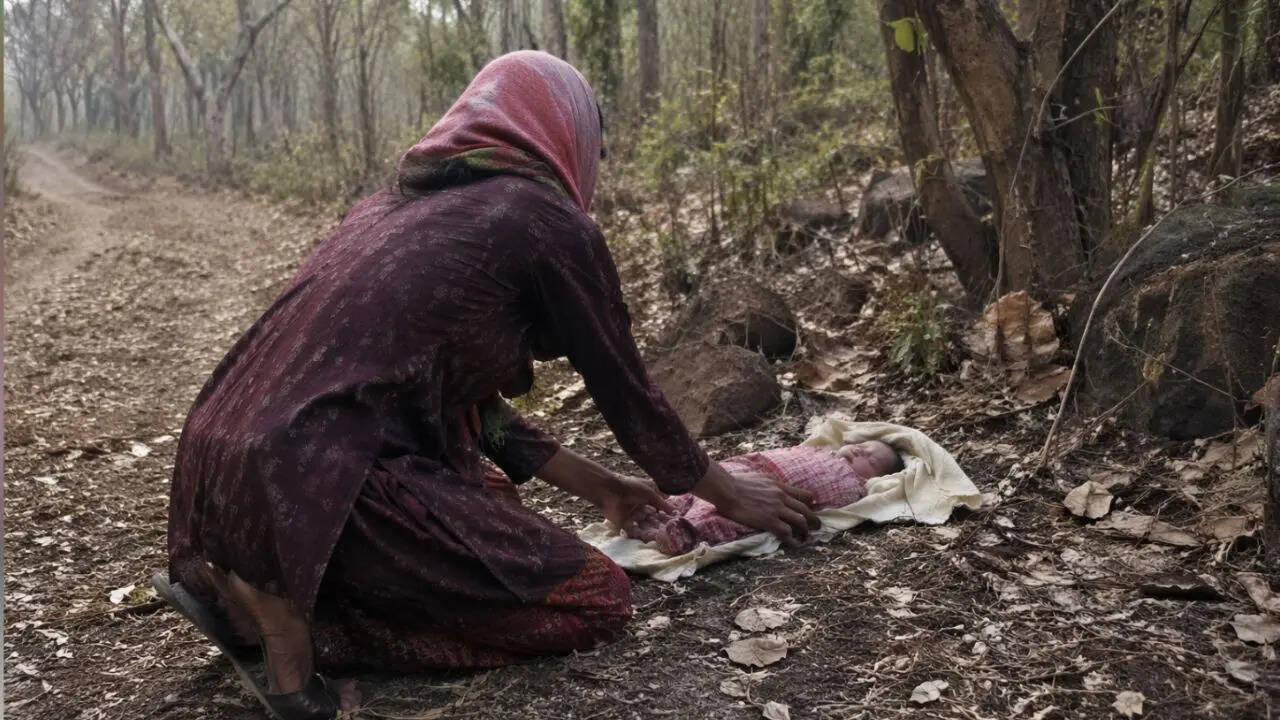
Newborn Girl Found In Bushes Near Kaimur HillsIn Sidhi district, yet another newborn girl was found abandoned in harsh conditions.The infant was discovered crying amidst bushes and thorns near the Kaimur hills in the Sihawal area. Villagers who heard her cries rescued her and took her to a nearby hospital in Bithauli.Doctors stated that the child was stable. Police launched an investigation to identify who abandoned the baby and the reasons behind it.While the child survived, the incident once again highlighted how frequently such cases occur across different parts of the state.Infant Abandoned Inside Bus By CoupleAnother case from Sarwate Bus stand showed a different yet equally troubling form of abandonment.A couple boarded a bus carrying a newborn. Shortly after, they got down, telling the conductor they were going to fetch some belongings. However, they never returned.Amid the rush of passengers, the conductor initially did not notice anything unusual. It was only later, when the couple failed to come back, that he checked the seat and found the baby wrapped in clean clothes.Other passengers also alerted him about the abandoned child.Police reached the spot and took custody of the infant. Officials noted that the baby appeared to belong to a middle-class family, based on clothing and care.
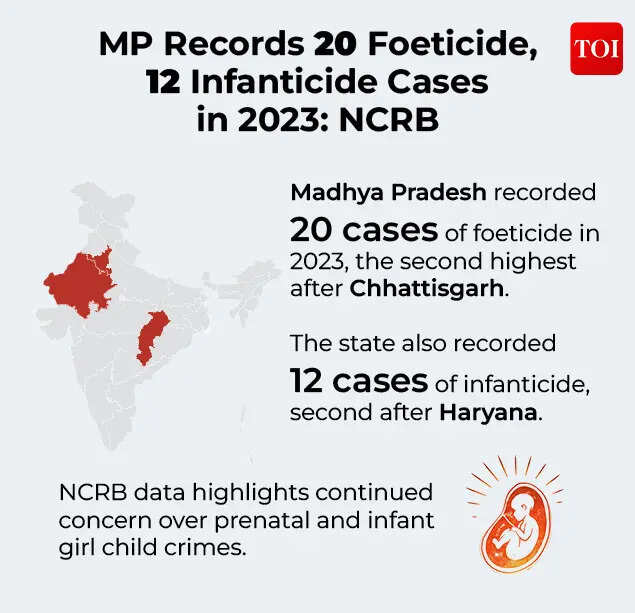
Beyond Abandonment: Foeticide And Infanticide DataThe NCRB report of 2023 also sheds light on related crimes:
- Foeticide cases in Madhya Pradesh (2023): 20 (second highest after Chhattisgarh)
- Infanticide cases in Madhya Pradesh (2023): 12 (second highest after Haryana)
These figures indicate that the issue extends beyond abandonment, pointing to a broader pattern involving the treatment of unborn and newborn children.A Crisis Demanding Urgent AttentionFrom borewells to forests, dustbins to buses, and even hospital premises, the recurring incidents of infant abandonment in Madhya Pradesh reveal a deeply troubling pattern.While some children survived due to timely intervention by passersby, villagers, or medical professionals, others did not. Each case reflects a complex mix of fear, social stigma, and circumstances that lead to such extreme actions.The NCRB data confirms that this is not an isolated issue but a sustained trend, with Madhya Pradesh consistently recording the highest number of cases in the country.Addressing this crisis will require not just law enforcement but also greater awareness, social support systems, and interventions aimed at preventing such incidents before they occur.


