
NEW DELHI: The Centre reportedly plans to increase the Lok Sabha seats to a maximum of 850 seats to operationalise 33 per cent reservation for women before the 2029 parliamentary elections. According to the draft Constitution amendment bill, the proposal of which is set to be introduced during a special sitting of Parliament beginning April 16, seats would also be increased in state and Union territory assemblies to accommodate the reservation, news agency PTI reported. Watch ‘Gross Injustice If Delayed’: PM Modi Seeks Backing for Women’s Reservation Bill The draft bill has been circulated among Lok Sabha members. It said, “The House of the People (Lok Sabha) shall consist of not more than 815 members chosen by direct election from territorial constituencies in the states; and not more than 35 members to represent the Union territories, chosen in such manner as Parliament may by law provide.” As per the report, the figure of 850 represents only the upper ceiling, with the final number to be decided by the Delimitation Commission.The move, led by the Narendra Modi government, seeks to fast-track the implementation of the Nari Shakti Vandan Adhiniyam by linking it to a delimitation exercise based on the latest published census.The proposed amendments would raise the Lok Sabha’s effective strength to 816 seats, of which 273 would be reserved for women. Similar increases are planned for state assemblies and Union territory legislatures to accommodate the one-third quota. Seats reserved for women “shall be allotted by rotation to different constituencies in a state or Union territory,” the bill states.Prime Minister Narendra Modi has pushed for the swift passage of the amendments.Earlier this week he said, “Any further delay will be unfortunate and a gross injustice to the women of India”. He added that India’s democracy would become “stronger and more vibrant” if the 2029 elections are held with women’s reservation in place.The government is also expected to introduce two accompanying bills: For governing the delimitation processFor enabling the law’s implementation in Delhi, Jammu and Kashmir, and Puducherry.While these can be passed by a simple majority, the constitutional amendment will require a special majority in both Houses.The proposal comes amid political friction over the basis of delimitation. Opposition parties have raised concerns about the principles being adopted, with southern leaders warning of potential disadvantage. Tamil Nadu chief minister MK Stalin cautioned against “massive agitation” if the state’s interests are harmed, while Telangana chief minister A Revanth Reddy flagged “injustice”. The Congress alleged that “when the intent behind a bill is mischievous, and the content of it is devious, the extent of damage to parliamentary democracy is enormous.”NDA has indicated that seat allocation will follow proportional representation using census data, currently the 2011 figures, though the ongoing 2027 Census could also be considered once published, PTI reported, citing NDA sources. They argue that southern states may gain relatively due to better population control compared to northern states.The draft clarifies that “population” will mean figures from a census, “as Parliament may by law determine,” giving flexibility on which dataset is used. The statement of objects and reasons notes that waiting for the next census and subsequent delimitation would delay women’s participation, necessitating immediate legislative intervention.Under the existing 2023 law, the reservation would only have come into force after the first delimitation exercise following the post-2027 Census, effectively pushing implementation beyond 2034. The proposed amendments aim to advance this timeline to 2029.The reservation for women is set to last 15 years from the commencement of the 2023 law, unless Parliament decides to extend it further. The NDA currently holds 292 seats in the Lok Sabha, while major opposition parties account for 233, making back-channel negotiations crucial for securing the required special majority.About the AuthorTOI News DeskThe TOI News Desk comprises a dedicated and tireless team of journalists who operate around the clock to deliver the most current and comprehensive news and updates to the readers of The Times of India worldwide. With an unwavering commitment to excellence in journalism, our team is at the forefront of gathering, verifying, and presenting breaking news, in-depth analysis, and insightful reports on a wide range of topics. The TOI News Desk is your trusted source for staying informed and connected to the ever-evolving global landscape, ensuring that our readers are equipped with the latest developments that matter most.”Read MoreEnd of ArticleFollow Us On Social MediaVideosSamrat Chaudhary Becomes Bihar CM: A Political Journey Marked by Setbacks and ReinventionIran Expresses Confidence In India’s BRICS Presidency Amid West Asia ConflictPM Modi, Donald Trump Hold 40-Min Phone Call, Discuss Strait Of Hormuz, West Asia SituationPak Enters Noida? Stunning Twist To Wage War As Workers Riot In NCR; Yogi Minister Drops BombshellFuel Price Freeze Amid Hormuz Crisis Is Costing Oil Companies Thousands of Crores DailyChina Defends Renaming Places In Arunachal After India Slams Beijing’s ‘Mischievous Attempt’Bihar DY CM Puzzle for JDU, Nishant Kumar Reluctance Complicates NDA MathNitish Kumar Resigns After 20 Years as Bihar CM; BJP Names Samrat Choudhary as SuccessorWomen’s Reservation Bill Explained: How 850-Seat Lok Sabha Plan Promises To Change Indian PoliticsExplained: Supreme Court Backs Right to Vote but Denies Relief to Bengal’s Deleted Voters123PhotostoriesWhy this new rice variety is called ‘Designer Rice’ and how it will impact your protein intake10 free things to do in Noida that are actually worth your timeHow to make Chef Sanjeev Kapoor-style Langarwali Dal6 essential real estate investment strategies for first-time buyers9 unique food etiquette rules from around the worldTop 5 IT hubs in India driving real estate demandArgue without breaking up: 5 simple rules every couple needs to know‘Bhooth Bangla’, ‘Dacoit’ To ‘The Drama’: What to watch in theatres this Week5 things you can bake beyond bread in an OTGIsrael–Lebanon tensions flare again: Inside Hezbollah’s arsenal and Lebanon’s military hand against Israel123Hot PicksIran warStock market holidayPurple cap winnerOrange cap winnerIPL Points TablePublic holidays April 2026Bank Holidays AprilTop TrendingDelhi-Dehradun ExpresswayStock market holidayBank holiday todayKaty PerryAnna Kepner murderDon TzuPraful HingeIPL Points TableKavya MaranNFL news roundup

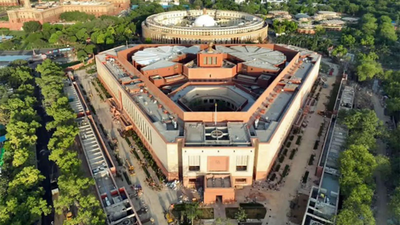
NEW DELHI: The Centre reportedly plans to increase the Lok Sabha seats to a maximum of 850 seats to operationalise 33 per cent reservation for women before the 2029 parliamentary elections. According to the draft Constitution amendment bill, the proposal of which is set to be introduced during a special sitting of Parliament beginning April 16, seats would also be increased in state and Union territory assemblies to accommodate the reservation, news agency PTI reported.
The draft bill has been circulated among Lok Sabha members. It said, “The House of the People (Lok Sabha) shall consist of not more than 815 members chosen by direct election from territorial constituencies in the states; and not more than 35 members to represent the Union territories, chosen in such manner as Parliament may by law provide.” As per the report, the figure of 850 represents only the upper ceiling, with the final number to be decided by the Delimitation Commission.The move, led by the Narendra Modi government, seeks to fast-track the implementation of the Nari Shakti Vandan Adhiniyam by linking it to a delimitation exercise based on the latest published census.The proposed amendments would raise the Lok Sabha’s effective strength to 816 seats, of which 273 would be reserved for women. Similar increases are planned for state assemblies and Union territory legislatures to accommodate the one-third quota. Seats reserved for women “shall be allotted by rotation to different constituencies in a state or Union territory,” the bill states.Prime Minister Narendra Modi has pushed for the swift passage of the amendments.Earlier this week he said, “Any further delay will be unfortunate and a gross injustice to the women of India”. He added that India’s democracy would become “stronger and more vibrant” if the 2029 elections are held with women’s reservation in place.The government is also expected to introduce two accompanying bills:
- For governing the delimitation process
- For enabling the law’s implementation in Delhi, Jammu and Kashmir, and Puducherry.
While these can be passed by a simple majority, the constitutional amendment will require a special majority in both Houses.The proposal comes amid political friction over the basis of delimitation. Opposition parties have raised concerns about the principles being adopted, with southern leaders warning of potential disadvantage. Tamil Nadu chief minister MK Stalin cautioned against “massive agitation” if the state’s interests are harmed, while Telangana chief minister A Revanth Reddy flagged “injustice”. The Congress alleged that “when the intent behind a bill is mischievous, and the content of it is devious, the extent of damage to parliamentary democracy is enormous.”NDA has indicated that seat allocation will follow proportional representation using census data, currently the 2011 figures, though the ongoing 2027 Census could also be considered once published, PTI reported, citing NDA sources. They argue that southern states may gain relatively due to better population control compared to northern states.The draft clarifies that “population” will mean figures from a census, “as Parliament may by law determine,” giving flexibility on which dataset is used. The statement of objects and reasons notes that waiting for the next census and subsequent delimitation would delay women’s participation, necessitating immediate legislative intervention.Under the existing 2023 law, the reservation would only have come into force after the first delimitation exercise following the post-2027 Census, effectively pushing implementation beyond 2034. The proposed amendments aim to advance this timeline to 2029.The reservation for women is set to last 15 years from the commencement of the 2023 law, unless Parliament decides to extend it further. The NDA currently holds 292 seats in the Lok Sabha, while major opposition parties account for 233, making back-channel negotiations crucial for securing the required special majority.


