
NEW DELHI: With his resignation on Friday, former Allahabad high court judge Justice Yashwant Varma saved himself from the embarrassment of being the first judge to be “removed” through a motion adopted in Parliament.Lok Sabha had admitted the motion to initiate proceedings against him in Aug last year. The law for removal of a judge of a constitutional court requires a motion for removal to be endorsed by 100 MPs in Lok Sabha if it is to be adopted. The required number is 50 in the case of Rajya Sabha. Before Justice Varma, there have been five judges of constitutional courts against whom a removal motion was adopted in Parliament — the first was from Supreme Court, Justice V Ramaswami, in 1991.However, he escaped “removal” as the motion failed to secure the required twothirds majority in LS. In 2011, Justice Soumitra Sen of Calcutta high court was the first judge against whom Rajya Sabha had voted with the required majority on aremoval motion.But the judge resigned before the motion was voted on in Lok Sabha.The same year, Justice PD Dinakaran, the then chief justice of Sikkim high court, resigned before removal proceedings were initiated against him in Rajya Sabha.In 2015, a motion was moved in Rajya Sabha against Justice JB Pardiwala of Gujarat high court — who has since been elevated to Supreme Court.However, the judge later removed a controversial statement from the judgment which had invited the action and escaped the proceedings. That same year, another motion for removal was moved in Rajya Sabha against Justice SK Gangele of Madhya Pradesh HC. However, an inquiry committee absolved the judge of sexual harassment charges.In the case of Justice Varma, the Lok Sabha speaker had admitted a motion for his removal on Aug 12, 2025. A committee of inquiry was constituted, whose legality was upheld by SC.Article 124(4) of the Constitution provides for removal of a judge of SC or HC only “by an order of the President passed after an address by each House of Parliament, supported by a majority of the total membership of that House and by a majority of not less than two-thirds of the members of that House present and voting” on grounds of “proved misbehaviour or incapacity”.The Judges (Inquiry) Act guides the removal proceedings; it provides for a threemember committee, under Section 3(2) of the Act, comprising the chief justice of India or a judge of Supreme Court, a chief justice of a high court and a noted jurist to probe on the basis of evidence if the judge was indeed guilty of “misbehaviour or incapacity”.End of ArticleFollow Us On Social MediaVideosFrom Prayer To Panic: Final Moments Before Mathura Boat Tragedy Emerges, Rescue Operations ContinueIndia-US Ties Get Real Boost As Vikram Misri Wraps Up Key Visit After Talks On LPG, Nuclear PowerIndia Walks Diplomatic Tightrope, Condemns Bloodshed In Lebanon, But Does Not Name IsraelDelhi Police Crack Down on ISI-Linked Spy Module, 10 Arrested; Second Network Busted After Pan-India Surveillance Plot’Chokepoints Now A Global Anxiety’: Jaishankar Invokes West Asia Crisis At Indian Ocean ConferenceMathura: Boat Carrying Devotees Capsizes In Yamuna; 10 Bodies Recovered, Rescue Ops OnQatar Assures Reliable Energy Supply To India Amid West Asia Crisis After Hardeep Puri’s Doha VisitPakistan-ISI Spy Network Busted: 11 Arrested For Recce Of Military Sites Across North IndiaCentre Notifies CAPF General Administration Act 2026; Families, Retired Officers Protest in DelhiJustice Yashwant Varma Resigns Amid Cash Row — Why He Stepped Down On Day Of Impeachment Defence123Photostories24 hours in Delhi: 10 summer-friendly street foods to enjoy in the national capitalCute first and middle names for kids born on SaturdayHow to make Kathal ke Kebab for weekend lunch6 smart small balcony layouts that maximise space effortlessly8 modern and not-so-common baby names for kids born on a FridayFrom Vivek Dahiya getting emotional during Divyanka Tripathi’s pregnancy scan to pampering her midnight cravings, the couple share their journeyHow to differentiate between naturally and chemically ripened banana: FSSAI’s rulebook on ripening temperature for the fruit4 high-profile business family feuds that made headlines globally5 things that make Bandhavgarh National Park irresistible to nature loversFrom Yashasvi Jaiswal-Maddie Hamilton to Hardik Pandya-Mahieka Sharma: 5 Indian cricketers and their rumoured girlfriends123Hot PicksIran war ceasefirePAN Card application 2026Purple cap winnerOrange cap winnerIPL Points TablePublic holidays April 2026Bank Holidays AprilTop TrendingStephen Curry charityLaura Loomer reactionIndia Lebanon civilianRajouri grenade recoveryUS stock marketPAN Card application 2026Hinjewadi Metro lineUS inflationSchool Holidays in AprilLaken Snelling case

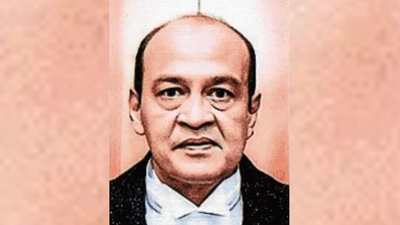
NEW DELHI: With his resignation on Friday, former Allahabad high court judge Justice Yashwant Varma saved himself from the embarrassment of being the first judge to be “removed” through a motion adopted in Parliament.Lok Sabha had admitted the motion to initiate proceedings against him in Aug last year. The law for removal of a judge of a constitutional court requires a motion for removal to be endorsed by 100 MPs in Lok Sabha if it is to be adopted. The required number is 50 in the case of Rajya Sabha. Before Justice Varma, there have been five judges of constitutional courts against whom a removal motion was adopted in Parliament — the first was from Supreme Court, Justice V Ramaswami, in 1991.However, he escaped “removal” as the motion failed to secure the required twothirds majority in LS. In 2011, Justice Soumitra Sen of Calcutta high court was the first judge against whom Rajya Sabha had voted with the required majority on aremoval motion.But the judge resigned before the motion was voted on in Lok Sabha.The same year, Justice PD Dinakaran, the then chief justice of Sikkim high court, resigned before removal proceedings were initiated against him in Rajya Sabha.In 2015, a motion was moved in Rajya Sabha against Justice JB Pardiwala of Gujarat high court — who has since been elevated to Supreme Court.However, the judge later removed a controversial statement from the judgment which had invited the action and escaped the proceedings. That same year, another motion for removal was moved in Rajya Sabha against Justice SK Gangele of Madhya Pradesh HC. However, an inquiry committee absolved the judge of sexual harassment charges.In the case of Justice Varma, the Lok Sabha speaker had admitted a motion for his removal on Aug 12, 2025. A committee of inquiry was constituted, whose legality was upheld by SC.Article 124(4) of the Constitution provides for removal of a judge of SC or HC only “by an order of the President passed after an address by each House of Parliament, supported by a majority of the total membership of that House and by a majority of not less than two-thirds of the members of that House present and voting” on grounds of “proved misbehaviour or incapacity”.The Judges (Inquiry) Act guides the removal proceedings; it provides for a threemember committee, under Section 3(2) of the Act, comprising the chief justice of India or a judge of Supreme Court, a chief justice of a high court and a noted jurist to probe on the basis of evidence if the judge was indeed guilty of “misbehaviour or incapacity”.


