
Image: PTI SRINAGAR: A prickly pest stalks Kashmir’s “red gold”. Farmers in Pampore now live on pins and needles.Across Pampore’s saffron highlands — about 15km southeast of Srinagar in Pulwama district — an unusual predator is eating into one of the region’s most prized crops. The burrowing Indian crested porcupine, a nocturnal rodent, has begun feeding on saffron corms beneath the soil, hollowing out harvests before they can bloom.A corm is the underground, bulb-like stem of the Crocus sativus plant that produces autumn-flowering purple flowers and the precious red stigma used for the spice saffron — kong in Kashmiri, kesar in Hindi, zafaran in Persian.Pampore MLA Hasnian Masoodi of National Conference said the pace of destruction could erase Kashmir’s saffron in coming years. “Porcupines are devouring saffron roots. Production has fallen sharply from about 22,000kg a decade-and-a-half ago to nearly 1,000kg now,” he said.The crisis surfaced in J&K assembly Saturday, where forest minister Javed Ahmed Rana outlined measures after Masoodi raised the alarm. Teams from wildlife and forest departments are assessing damage and mapping vulnerable zones across Pampore’s saffron plateau, he said.Masoodi pushed back, saying ground reality is grimmer. “There is no wildlife survey. I don’t know how these porcupines came to Kashmir, but now they are here and destroying crops,” he said.For many farmers, losses are far steeper. Some report up to 80% damage to fields.In Khrew — a saffron-growing pocket roughly 20km southeast of Srinagar within Pampore — output has nearly vanished. “Khrew once contributed around 4,000kg to the total yield of 22,000kg, but fields there now lie largely unproductive,” said Masoodi, who hails from the area.Wildlife experts and officials trace the surge to a mix of ecological shifts. Deforestation has shrunk natural habitats, pushing porcupines towards cultivated land. Declining predator numbers — especially leopards — have removed a key check on their population. Warmer winters have extended foraging windows, allowing rodents to remain active longer through the year.Yet control options remain limited. As a protected species under wildlife law, porcupines cannot be killed, turning crop damage into a simmering human-animal conflict.Rana’s advisory to farmers reads like a defensive manual: clear caves and undergrowth that shelter rodents, erect mesh barriers buried 1.5m deep to block burrowing, paint tree trunks white or wrap them in gunny sacks to deter nocturnal movement, spray pepper-based organic repellents, place naphthalene near dens.Priority should go to worst-hit plots, he said.Farmers cannot shoulder that burden alone, Masoodi countered. “A roadmap has been outlined, but who will implement it?” he asked. “People lack resources. Without state action in fields, cultivation will be abandoned.”That prospect hangs heavy over Pampore’s karewa uplands by the Jhelum, long been known as the valley’s “saffron heart”, where the spice has shaped livelihoods and identity for centuries. If quills keep winning underground, blossoms may stop rising above it.End of ArticleFollow Us On Social MediaVideosDRDO Begins Work On Next-Generation Missile To Replace Prithvi Series : Reports“Adani Is BJP’s Financial Structure”: Rahul Gandhi Tears Into PM ModiPakistan To Return $3.5 Billion UAE Debt In April Despite Reserve StrainOil India Posts Record Crude Output From Rajasthan’s Thar Desert Amid West Asia Crisis‘True Friendship’: Iran Envoy Lauds India Ties, Clarifies Deleted Thank You PostsPM Modi Assures No Seat Cut For Southern States, Pushes Women’s Quota Bill‘Will Take It To Kolkata’: Pak Minister Khawaja Asif’s Fresh Threat After Rajnath’s Stern WarningBig Reveal: ISI Behind Chandigarh Attack, Global Terror Links Surface”Living In Fear”: Indian Family In Bahrain Amid Escalating Iran War‘Genius Move’: Ex-US Pilot Hails India’s Ploy To Use Rafale Decoys In Op Sindoor To Fool Pakistan123PhotostoriesSummer Meal: How to make light and comforting Boondi Kadhi for dinnerHow to be successful in life, as per psychologyFSSAI shares how much oil you should consume in a day and effective steps to track oil intake; easy zero-oil dishes insideHow to deal with negative people: 5 effective psychology-based tipsMeet 5 Indian singers who are setting the nation’s hottest fashion trendsTop K-pop songs from the most romantic K-dramas: ‘Goblin’, ‘Descendants of the Sun’ and more10 simple habits and tips to master emotional intelligenceYou don’t have diabetes, but your blood sugar may still be unstable: What to watch and how to fix itTop 5 premium localities in Greater Noida attracting affluent buyers and long-term investorsIs clay pot (matka) water safe? 5-step cleaning tips & summer benefits of matka water123Hot PicksIPL ScoreUpdated IPL Points TableApp Leader Raghav ChadhaLPG ShortageStephen CurryPublic holidays April 2026Bank Holidays AprilTop TrendingYesterday IPL match resultVaibhav SooryavanshiStrait of HormuzIPL 2026Saudi Arabia travel ban rulesToll PaymentIran Drone StrikeHailee SteinfeldSchool Holidays in AprilIran war news

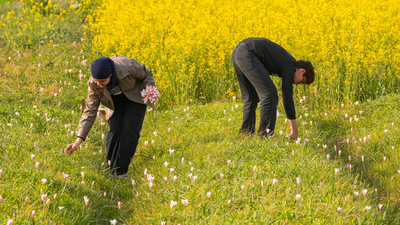
SRINAGAR: A prickly pest stalks Kashmir’s “red gold”. Farmers in Pampore now live on pins and needles.Across Pampore’s saffron highlands — about 15km southeast of Srinagar in Pulwama district — an unusual predator is eating into one of the region’s most prized crops. The burrowing Indian crested porcupine, a nocturnal rodent, has begun feeding on saffron corms beneath the soil, hollowing out harvests before they can bloom.A corm is the underground, bulb-like stem of the Crocus sativus plant that produces autumn-flowering purple flowers and the precious red stigma used for the spice saffron — kong in Kashmiri, kesar in Hindi, zafaran in Persian.Pampore MLA Hasnian Masoodi of National Conference said the pace of destruction could erase Kashmir’s saffron in coming years. “Porcupines are devouring saffron roots. Production has fallen sharply from about 22,000kg a decade-and-a-half ago to nearly 1,000kg now,” he said.The crisis surfaced in J&K assembly Saturday, where forest minister Javed Ahmed Rana outlined measures after Masoodi raised the alarm. Teams from wildlife and forest departments are assessing damage and mapping vulnerable zones across Pampore’s saffron plateau, he said.Masoodi pushed back, saying ground reality is grimmer. “There is no wildlife survey. I don’t know how these porcupines came to Kashmir, but now they are here and destroying crops,” he said.For many farmers, losses are far steeper. Some report up to 80% damage to fields.In Khrew — a saffron-growing pocket roughly 20km southeast of Srinagar within Pampore — output has nearly vanished. “Khrew once contributed around 4,000kg to the total yield of 22,000kg, but fields there now lie largely unproductive,” said Masoodi, who hails from the area.Wildlife experts and officials trace the surge to a mix of ecological shifts. Deforestation has shrunk natural habitats, pushing porcupines towards cultivated land. Declining predator numbers — especially leopards — have removed a key check on their population. Warmer winters have extended foraging windows, allowing rodents to remain active longer through the year.Yet control options remain limited. As a protected species under wildlife law, porcupines cannot be killed, turning crop damage into a simmering human-animal conflict.Rana’s advisory to farmers reads like a defensive manual: clear caves and undergrowth that shelter rodents, erect mesh barriers buried 1.5m deep to block burrowing, paint tree trunks white or wrap them in gunny sacks to deter nocturnal movement, spray pepper-based organic repellents, place naphthalene near dens.Priority should go to worst-hit plots, he said.Farmers cannot shoulder that burden alone, Masoodi countered. “A roadmap has been outlined, but who will implement it?” he asked. “People lack resources. Without state action in fields, cultivation will be abandoned.”That prospect hangs heavy over Pampore’s karewa uplands by the Jhelum, long been known as the valley’s “saffron heart”, where the spice has shaped livelihoods and identity for centuries. If quills keep winning underground, blossoms may stop rising above it.


