
5 ways parents treat them differently without realising and the impact it leaves

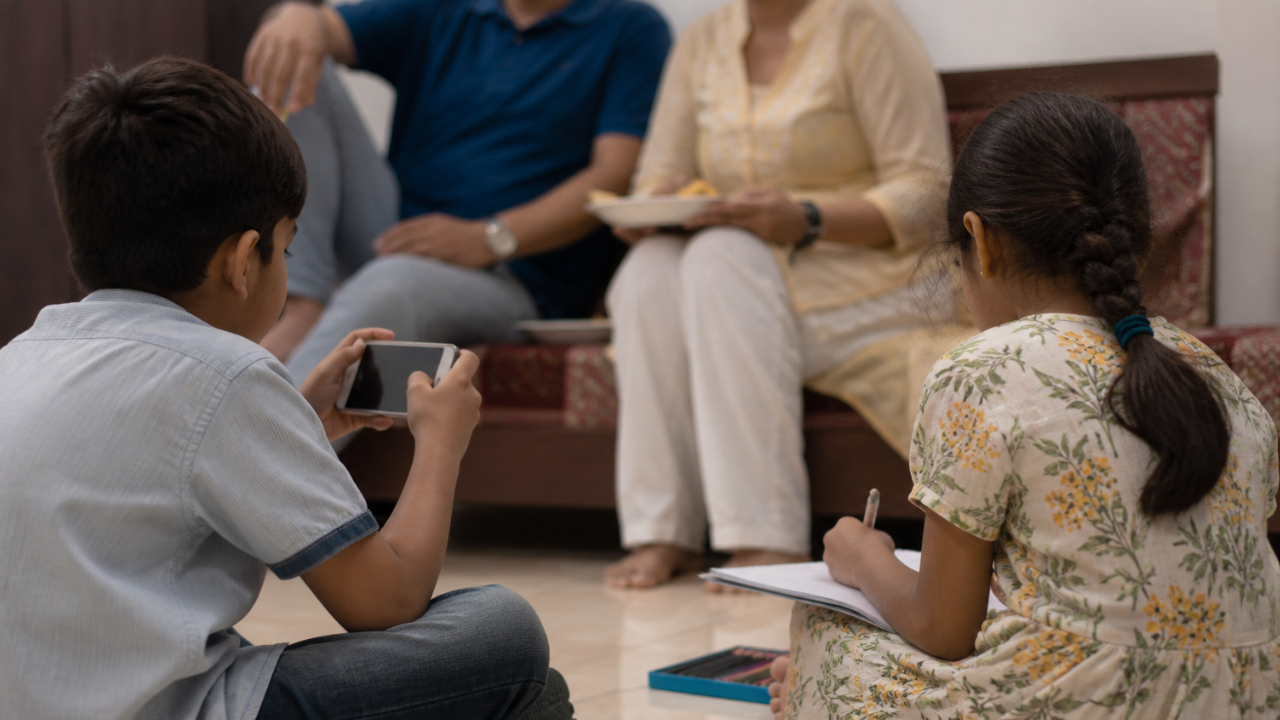
In many families, sons are raised to believe the world will test them through work, money and status. Daughters are often raised to be the emotional glue of the family, the one who keeps everyone together, notices everyone’s moods and eventually carries the burden of caregiving.
This difference can be especially damaging because it narrows what each child believes is possible. Sons may not develop emotional fluency or domestic responsibility. Daughters may be taught that care is their destiny, not their choice. Both are limited, just in different ways.
The impact of all this can last well into adulthood. Sons may grow up entitled to more space than they know how to share. Daughters may grow up over-responsible, under-recognised and exhausted from constantly proving themselves. In both cases, children absorb not just what parents say, but what parents normalise.
The harder truth is that unequal parenting rarely looks like cruelty. More often, it looks like habit. It sounds like concern, tradition, teasing or common sense. But children are always paying attention. They notice who is trusted, who is restricted, who is corrected and who is excused. And those small patterns become the blueprint for how they understand love, fairness and themselves.
Breaking that cycle begins with awareness. The goal is not to raise sons and daughters identically, but to raise them more justly. Children should not inherit a smaller life because of their gender. They should inherit the same chance to grow into strength, softness, responsibility and freedom—without one being valued more than the other.


