
22.1 million excess deaths recorded globally between 2020 and 2023NEW DELHI: The Covid-19 pandemic caused an estimated 22.1 million excess deaths globally between 2020 and 2023, nearly three times higher than the seven million Covid deaths officially reported worldwide, according to the World Health Statistics 2026 report released by the World Health Organization (WHO).WHO said the pandemic wiped out nearly a decade of gains in global life expectancy and healthy life expectancy by 2021, describing it as a “setback of historic proportions” for global health systems.According to the report, global life expectancy fell by 1.8 years between 2019 and 2021, while healthy life expectancy dropped by 1.5 years during the same period, marking the sharpest reversal in recent decades.The report said excess mortality peaked in 2021 with 10.4 million additional deaths recorded globally as healthcare systems came under severe strain. Excess deaths declined to 4.9 million in 2022 and 3.3 million in 2023, though WHO cautioned that recovery remains uneven and many countries have still not returned to pre-pandemic health trajectories.WHO defines excess deaths as fatalities above what would normally be expected during a given period, including both direct Covid deaths and indirect deaths caused by disruption of healthcare services and delayed treatment.The report found men were disproportionately affected, with age-standardised excess mortality around 50% higher among men than women at the peak of the pandemic in 2021. Older adults faced the highest mortality burden, especially those aged above 85 years.WHO also highlighted major weaknesses in global mortality surveillance exposed during the pandemic. Of an estimated 61 million deaths globally in 2023, only around 21 million were officially reported to WHO with cause-of-death information, while just 12 million had medically certified ICD-coded mortality data.The agency said the pandemic severely disrupted essential health services worldwide, including vaccination programmes, tuberculosis and HIV services, and treatment for non-communicable diseases, contributing significantly to indirect deaths during the period.WHO had earlier estimated in a separate 2022 analysis that India accounted for nearly 4.74 million excess deaths during 2020-21, a figure disputed by the Indian government.The report also warned of slowing progress in universal health coverage, rising healthcare-related poverty and declining global health funding after the pandemic.About the AuthorAnuja JaiswalAnuja Jaiswal is a Senior Assistant Editor at The Times of India, with an impressive 18-year career in narrative journalism. She specializes in health and heritage reporting, expertly simplifying complex health information to make it engaging and understandable for readers. Her deep dives into heritage topics are well-researched, resulting in captivating narratives that resonate with her audience. Over the years, she has worked in Chandigarh, Chhattisgarh and West UP, gaining diverse on-ground experience that shapes her storytelling.Read MoreEnd of ArticleFollow Us On Social MediaVideosIran Calls Chabahar Port India’s “Golden Gate” To Central Asia, Urges Continued CooperationFIR Filed Against Abhishek Banerjee|TMC Alleges Poll Manipulation, Post-Poll Violence in West Bengal’Not An Iota Of Truth’: PM Modi Rubbishes Report Of Restriction On Foreign Travel28 Hostages From Kuki, Naga Communities Held By Armed Groups Released In Manipur’I Am Sorry To…’: Shashi Tharoor To Skip VD Satheesan’s Swearing-In As Kerala CMNEET UG 2026 Re-Exam On June 21, Computer-Based Test Format From Next Year: Education MinisterOman To Gujarat: India Fast-Tracks Deep-Sea Gas Pipeline Project Amid Hormuz CrisisCJI Surya Kant Makes Strong Remarks During Senior Advocate HearingKerala CM-Designate Satheesan Hits Back At BJP Over IUML, Secularism DebateFormer RAW Chief Flags Security Risks Over PM Modi’s Convoy Downsizing123Photostories8 Indian foods that are naturally probioticThe ‘pollinator balcony’ trend every Indian gardener should know aboutQuote of the day inspired by the Bhagavad Gita: “Detachment is not indifference”10 baby girl names that mean strong in different languagesEating every two hours? Doctors explain why constant snacking could backfire on your health5 surprisingly easy ways to lose weight without intense workoutsCannes 2026: Alia Bhatt’s royal brocade to Diane Kruger’s asymmetrical edge – Who wore what on Day 3Kishwer Merchant recalls her father’s reaction to her interfaith marriage and age gap with Suyyash Rai; reacts to her son being trolled for wearing a skull capLauki vs Tori: Which has more nutrition for summer and 5 interesting ways to eat themAncient Kashmiri beauty secrets that are becoming popular again in India123Hot PicksCBSE class 12 resultUS Iran warPrateek YadavHaryana election resultForeign outflowNEET exam cancelledTamil Nadu assemblyTop TrendingRishabh PantNEET PaperIPL Points TableNEET Aspirant DieKerala Board SSLC Result 2026IPL 2026IPL Orange Cap 2026Bengaluru RapeWho is Shubham KhairnarIndia UA Trade Talk

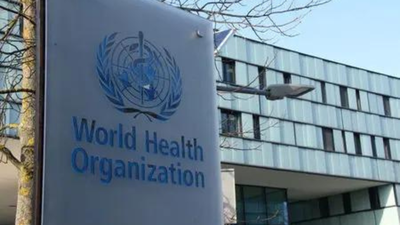
22.1 million excess deaths recorded globally between 2020 and 2023NEW DELHI: The Covid-19 pandemic caused an estimated 22.1 million excess deaths globally between 2020 and 2023, nearly three times higher than the seven million Covid deaths officially reported worldwide, according to the World Health Statistics 2026 report released by the World Health Organization (WHO).WHO said the pandemic wiped out nearly a decade of gains in global life expectancy and healthy life expectancy by 2021, describing it as a “setback of historic proportions” for global health systems.According to the report, global life expectancy fell by 1.8 years between 2019 and 2021, while healthy life expectancy dropped by 1.5 years during the same period, marking the sharpest reversal in recent decades.The report said excess mortality peaked in 2021 with 10.4 million additional deaths recorded globally as healthcare systems came under severe strain. Excess deaths declined to 4.9 million in 2022 and 3.3 million in 2023, though WHO cautioned that recovery remains uneven and many countries have still not returned to pre-pandemic health trajectories.WHO defines excess deaths as fatalities above what would normally be expected during a given period, including both direct Covid deaths and indirect deaths caused by disruption of healthcare services and delayed treatment.The report found men were disproportionately affected, with age-standardised excess mortality around 50% higher among men than women at the peak of the pandemic in 2021. Older adults faced the highest mortality burden, especially those aged above 85 years.WHO also highlighted major weaknesses in global mortality surveillance exposed during the pandemic. Of an estimated 61 million deaths globally in 2023, only around 21 million were officially reported to WHO with cause-of-death information, while just 12 million had medically certified ICD-coded mortality data.The agency said the pandemic severely disrupted essential health services worldwide, including vaccination programmes, tuberculosis and HIV services, and treatment for non-communicable diseases, contributing significantly to indirect deaths during the period.WHO had earlier estimated in a separate 2022 analysis that India accounted for nearly 4.74 million excess deaths during 2020-21, a figure disputed by the Indian government.The report also warned of slowing progress in universal health coverage, rising healthcare-related poverty and declining global health funding after the pandemic.


