New hangout trend: What is ‘Admin Night’ and why are people choosing it over pricey nights out? |

New hangout trend: What is ‘Admin Night’ and why are people choosing it over pricey nights out? |

Imagine this: Your friends get together to sit on the couch with their laptops glowing, sipping their favourite drink, and a candle lighting in the background for ambiance. No loud music, no bars to hop – just friends tackling life’s boring paperwork – like paying bills, booking doctor’s appointments, cancelling subscriptions, etc – together. Welcome…

Read More
Pisces Horoscope Today, January 17, 2026: Singles should not rush commitments

Pisces Horoscope Today, January 17, 2026: Singles should not rush commitments

Workplace improvements will ease your worries, and you’ll feel it early. Mercury supports smoother communication, so the usual confusion clears, and people respond on time, which is half the battle.You’ll remain busy, but the day still carries romance. Jupiter brings helpful connections too, and you may interact with influential people who can uplift your career….

Read More
Saudi Arabia: Self-employed expats could face 50,000 riyal fine, Jail, and deportation | World News

Saudi Arabia: Self-employed expats could face 50,000 riyal fine, Jail, and deportation | World News

Saudi Arabia: Self-employed expats could face 50,000 riyal fine, Jail, and deportation/Representative Image Expats in Saudi Arabia who work on a self-employed basis may face serious consequences if they fail to comply with the Kingdom’s residency, labour, and border regulations. Authorities have emphasized that following the rules is mandatory and violations will not be overlooked.Expats…

Read More
India’s youth are often spoken of as a single, cohesive force – ambitious, energetic and ready to shape the country’s future. But beneath this broad framing lies a quieter, more complex reality. Gen Z and millennials, frequently grouped together as “young India,” are navigating adulthood under fundamentally different political, economic and technological conditions, shaping distinct fears about work, stability and security. In reality, the fears shaping India’s younger generations are far more layered. Gen Z and millennials together form nearly half of India’s population, yet they came of age in entirely different worlds. Their ideas of success, security and freedom are shaped not only by age, but by the political climates they grew up under, the technologies they were raised with, and the economic promises they were told to believe in.As 2026 approaches, the anxieties expressed by India’s youth are no longer abstract. They influence everyday decisions – whether to switch jobs, delay marriage, migrate cities, continue studying, or even step out alone at night. But crucially, what scares a 24-year-old and a 34-year-old is often not the same, even if both are called “young.” Who are India’s youth today?India has one of the youngest populations in the world. Millennials, typically born between 1981 and 1996 – and Gen Z, born between 1997 and 2012 – together account for over 600 million people, according to population estimates and Census projections.They are also the most educated generations India has produced, with higher enrolment in universities, widespread internet access and exposure to global ideas. At the same time, they are navigating adulthood during a period marked by economic transition, rapid technological disruption, political polarisation and environmental stress. A 2023 UN Population Fund report described India’s youth as “a demographic opportunity with uneven outcomes,” cautioning that employment quality – not just job creation – will determine whether this dividend pays off. That uncertainty frames the fears many young Indians now carry into the future.Defining the divide: Two generations, two starting pointsMillennials grew up in a pre-social media or early-internet India. Their childhoods were marked by limited digital exposure, slower information cycles and a belief in linear progress – study hard, get a degree, secure a job, build a family. Liberalisation-era growth shaped their expectations, and stability felt attainable.Gen Z, by contrast, has never known a world without smartphones, social media and constant connectivity. Their lives have unfolded under algorithmic scrutiny – every success visible, every failure amplified. They entered adulthood during a pandemic, global layoffs, climate emergencies and the rise of artificial intelligence. For millennials, instability feels like a betrayal of promise. As for Gen Z, it feels like the starting condition.Millennials’ fears: Instability, anxiety and fatigueFor millennials, fear is rooted in what comes after effort.Many followed the prescribed path, higher education, early employment, financial responsibility, family obligations. Yet instead of security, they now confront stagnation – rising living costs, shrinking savings and fragile job security.Employment anxiety remains central. While India’s headline unemployment rate appears stable, youth unemployment – especially among educated urban Indians – continues to concern economists and policymakers. For millennials, the fear is no longer about landing a job, but about keeping one long enough for it to matter.“I earn more than my parents did at my age, but I save less,” said Anjali Sharma, a 32-year-old marketing executive in Delhi. “One medical emergency or job loss would derail everything.”Rising rents in metros, EMIs, healthcare costs and education loans have made financial stability increasingly fragile. Home ownership – once a marker of adulthood – has moved out of reach. Marriage, parenthood and long-term investments are being postponed, reflected in declining fertility rates and changing household structures. For millennial women, this instability intersects sharply with time-bound social expectations.Burnout without permissionWhile mental health is increasingly discussed among younger Gen Z voices, millennials often describe a quieter, more complicated struggle – one marked by guilt. Many feel they are not “allowed” to feel overwhelmed because they appear stable on paper.“There’s a constant voice in your head telling you to be grateful,” said a 36-year-old HR professional in Gurugram. “You have a job, a family, responsibilities – so you push through. But pushing through for years comes at a cost.” Unlike Gen Z, which openly articulates anxiety, millennials often internalise distress, delaying help until burnout becomes unavoidable.Beyond employment and finances, millennials also talk about burnout without payoff – the feeling of having worked continuously for over a decade without reaching a sense of security or fulfilment. Unlike Gen Z, whose anxieties often stem from entry-level instability, millennials fear being stuck mid-way, with too much invested to start over and too little security to slow down.“I feel tired all the time, not physically but mentally,” said a 35-year-old techie manager based in Bengaluru. “I’ve switched jobs, upskilled, relocated cities, taken pay cuts and hikes – and still feel one bad quarter away from everything collapsing. Starting again feels impossible at this age.” This fear is often described as sunk-cost anxiety – the idea that years spent building a particular career path cannot be abandoned, even when growth has plateaued. Millennials say they feel trapped between ambition and responsibility, unable to take risks they might have embraced in their twenties.Expectation and a sandwich generation Expectations further intensify this pressure. Millennials are increasingly part of the “sandwich generation” – supporting ageing parents while raising children or planning families of their own. Healthcare costs, education expenses and elder care weigh heavily on financial planning, adding emotional stress to economic uncertainty.“My parents depend on me now, the way I depended on them once,” said a millennial lawyer. “I can’t afford to experiment with my career anymore. Stability matters more than passion, even if it means living with dissatisfaction.”The same old politics Political fatigue is another defining feature of millennial anxiety. Many describe not anger, but exhaustion – a sense of being stuck between loud political narratives and quiet personal precarity.“There was a time we believed change was inevitable,” said a communications consultant in Pune. “Now it feels like every conversation is polarised, every issue weaponised. You stop expecting progress and start focusing on survival.” This exhaustion is compounded by the feeling that public discourse no longer speaks to their realities – rising costs, shrinking social mobility and lack of work-life balance. For many millennials, the deepest fear is not failure, but stagnation – the possibility that despite doing everything right, life may never feel settled, secure or satisfying.While foreign policy may seem distant, geopolitical tensions increasingly filter into everyday concerns – from energy prices to job markets and travel restrictions.Young Indians are closely watching global conflicts, shifting alliances and regional instability. Many worry about how international disruptions could affect India’s economy, defence spending and domestic priorities.“There’s a sense that global shocks don’t stay global anymore,” said a 35-year old law manager at a government bank in Meerut.A Pew Research Center study on global youth attitudes found that younger populations are more likely to view international instability as a direct threat to personal futures – a trend visible in India as well.Technology and the fear of becoming obsoleteFor millennials, technology does not just represent innovation – it represents obsolescence. As automation and AI tools rapidly reshape workplaces, many fear their hard-earned skills may lose relevance faster than they can adapt.“You keep upskilling because you’re scared of being replaced by someone younger or by software,” said a 34-year-old data analyst in Pune. “It’s exhausting to constantly chase relevance.”This fear is amplified by age – too young to slow down, too old to restart entirely.Gen Z’s fears: Surviving in permanent uncertaintyIf millennials fear instability after effort, Gen Z fears never reaching stability at all.Jobs exist, but they feel temporary. Career paths are fragmented. Contract work, automation and AI-driven tools have reshaped expectations. According to the World Economic Forum’s Future of Jobs Report, routine cognitive roles are among the most vulnerable globally – a warning that resonates strongly in India’s IT- and services-driven economy.“Earlier, you worried about placements. Now you worry about layoffs every quarter,” said Rohan Mehta, a 27-year-old software developer in Pune.Many Gen Z professionals describe being pushed into a constant survival mode.“As a Gen Z Indian, I fear a future where people are stuck in mediocrity. Where jobs exist but do not grow, skills plateau early, and effort leads to survival, not progress,” said Srishti Singh, who works at an advertising agency in Mumbai.“This is a loop, no solution. I had to join the rat race,” added Rhea Duara, a media executive in Delhi, describing how career uncertainty has merged with mental exhaustion.She said, “Career. The fact that I jumped into the job life so quickly because everyone my age was doing so but I completely forgot about continuing my studies. No MA… we jump into jobs quickly only to realize we don’t have the maturity to deal with stuff, stuff like office politics.”For Gen Z, adulthood feels rushed, unstructured and unforgiving. “I don’t get endless years”: Fear, gender and timeKritika Singh, 25, describes the kind of pressure many in her generation feel – a mix of time, preparation, and societal expectation that makes the future feel both urgent and uncertain.Academics has always been her strength, but years of preparation without clear results have started to shake her confidence.“I’m already 25, people around me are getting jobs, they are travelling, and kind of I’m still preparing – and even clueless if whatever I’m preparing for, what if it does not work out for me. That’s something terrifying and also squeezes my confidence.”Her concern extends beyond work. “And as I’m a girl I would not get that endless years for preparation, and then marriage and being dependent on someone is again very scary for me…for my individuality, for my identity, my self respect and all those dreams which I always had would remain unfulfilled.”For Kritika, like many of her peers, the fear isn’t only about finding a career – it’s about carving out independence and keeping personal dreams alive in a world that constantly measures time, age, and milestones. Shrinking democratic spaceGen Z’s fears are also distinctly political.Raised in an era of polarised discourse, online outrage and heightened surveillance, many young people express unease about the shrinking space for dissent. “Why does the current regime seem increasingly hostile to questioning, when encouraging young minds to ask questions is fundamental to meaningful participation in a democracy?” says Sikander Singh, a Gen Z journalist.Unlike millennials, who often express political fatigue, Gen Z voices fear – fear of speaking, posting, questioning and being misunderstood or targeted in an increasingly hostile public sphere. Safety, especially for womenSafety remains a daily calculation rather than a policy debate.Despite stricter laws and increased public conversation, fear of harassment, assault and surveillance shapes everyday behaviour for young women – what time to return home, what transport to use, what routes to avoid.“Safety isn’t about one incident. It’s about constantly calculating risk,” said a 23-year-old media professional and content creator in Delhi. She adds safety is not an issue unique to ask, a child as young as a few months to an old lady are all under precarious situations. Mental health under pressureMental health is one of the most discussed – and least resolved – issues across both generations. Though millennials would choose to use their terms to express the same issue. . Academic pressure, workplace toxicity, social media comparison and uncertainty about the future have led to rising anxiety and depression. Estimates suggest nearly one in seven Indians lives with a mental health disorder, with young adults among the most affected. Chetan Chowdhery, a final year law student in Delhi, who is gonna start practising soon and “will have responsibilities not just the usual home chores, but actual cases,” lives in constant fear that he “can’t afford to fail” the expectation of his parents.“My parents will have expectations from me, 23/24 years of hard work building a reputation that is the one from which you can’t even expect to get one thing right, so that I won’t disappoint them…” he said, describing the transition from student to advocate as overwhelming. In the mix of working and hopping jobs in order to sustain and survive, everything else is perhaps falling behind, with a lingering thought whether it’s worth it.“And somehow with this realization the thought that comes to mind is in order to not fall behind I’ll have to keep working. And I won’t be able to maintain proper work-life balance and a day will come when going home will be like a “once in a blue moon” vacation,” says Rhea Duara. In a 2022 address, the Prime Minister Modi acknowledged the issue, saying, “Mental health challenges among the youth need social acceptance and institutional support.” While initiatives such as tele-counselling platforms have expanded, stigma and supply gaps persist.For many young Indians, the fear is not just mental illness – but being unable to seek help without judgment.Where the fears intersect: Technology, economy, climateDespite generational differences, several anxieties cut across both cohorts.Technology is one of the biggest intersections.Komal Verma, a Gen Z creative professional, articulated this layered fear vividly.“The rampant use of AI…people have started morphing, making deepfakes, it has become so much easier. I would hate that ever to happen to any of my known or to me.” She added, “Another thing I fear a lot is that AI will eat my job, especially in the creative field.”Beyond employment, technology affects attention spans and mental health.“How unintelligent we have become that we can’t even look at a 30 sec video without a hook in the first 3 secs… it just adds and affects our mental health.”Economic inequality is another shared concern.“Then there is the economy. It has become so thrash, the disparity I see just eats me everyday and its just going to increase in the upcoming years,” Komal said.Climate anxiety further unites the generations. Extreme heat, floods, pollution and water shortages are already shaping daily life.“Climate change affects where you can live and what work you can do,” said a 29-year-old urban planner in Delhi.“How these big corporations, people in power don’t care about anything, they don’t care about the planet and how it would affect the upcoming generation, they are already over 70 they have lived their lives it is us and generation after us who’ll have to face consequences,” said Komal while talking about the absolute ignorance shown to issues related to climate change and environment. Geopolitical uncertaintyWhile foreign policy may seem distant, geopolitical tensions increasingly filter into everyday concerns – from energy prices to job markets and travel restrictions.Young Indians from generations are closely watching global conflicts, shifting alliances and regional instability. Many worry about how international disruptions could affect India’s economy, defence spending and domestic priorities.“There’s a sense that global shocks don’t stay global anymore,” said a 35-year old law manager at a government bank in Meerut.While the GenZ have a very different take on the subject, “Another thing I have been thinking about is how luck plays into a factor, like the privilege of the geo location I was born here. The difference between me and somebody in a third world country where war is rampant, there is life today, tomorrow might not be, so just how luck plays into geopolitics,” said Komal. A Pew Research Center study on global youth attitudes found that younger populations are more likely to view international instability as a direct threat to personal futures – a trend visible in India as well.The larger pictureTaken together, these fears reveal a generation that is informed, ambitious – and deeply cautious.Millennials fear losing stability after years of investment. Gen Z fears never attaining it at all.Both continue to adapt, hustle and endure, but with growing awareness that effort no longer guarantees security.The question facing India’s youth is no longer just about opportunity – but about sustainability. Whether ambition can coexist with dignity, whether growth can come without burnout, and whether the future will reward persistence – or merely demand survival.End of ArticleFollow Us On Social MediaVideosEurope Looks East As Italian Envoy Bartoli Calls India Key Partner Amid Global Chaos And Trade WarsWhy Donald Trump’s Gaza Peace Board Has Indian-Origin Former Banker And Padma Shri Ajay BangaArunachal Pradesh: 1 Tourist Dead, Another Missing As Ice Cracks On Frozen Sela LakeReza Pahlavi Highlights India As Key Partner For A Democratic Iran In Energy Technology And TradePakistan PM Shehbaz Sharif Vows To Defeat Terrorism Amid Lashkar And Jaish’s Terror Threats To India’We’re Ancient People’: Ex-Singapore FM Yeo Urges India, China, ASEAN To Revive Panchsheel For PeaceDonald Trump Cites India Pakistan Ceasefire While Defending Nobel Gesture But Facts Raise QuestionsIndia Acts As Iran Burns: First Batch of Citizens Return Home After Advisory Amid Violent ProtestsDevendra Fadnavis Says BJP Created History in Maharashtra Civic ElectionsDeloitte Partner Says Budget Must Fix GST Gaps, Cut Costs, Boost Domestic Manufacturing123Photostories5 incredible human abilities you didn’t know you already have8 delicious lunch dishes made with leftover dal tadkaEgg attacks, FIRs, Internal Turmoil: AIMIM’s dramatic Maharashtra civic poll journey; bags 126 seatsThackeray cousins keep grip on Marathi heartland despite Mahayuti surge9 ⁠daily habits to sharpen brain, boost focus and memory, reveals Dr Pal Manickam5 countries with the highest cost of living in the world8 local dishes that one cannot miss in the city of Ajmer7 night rituals that help one sleep deeply and wake up feeling fully rechargedKate Middleton’s bold red suit steals the show as she returns to public life in styleHow to successfully grow tulips in pots on your balcony123Hot PicksMaharashtra Election ResultsBudget 2026Gold rate todayBank holiday todayVande Bharat sleeperPublic holidays January 2026Bank Holidays JanuaryTop TrendingGracie HuntTravis KelceKlay ThomponTyus JonesLebron JamesMaharashtra Civic Poll WinnersStuart SkinnerJack EichelDana WhiteRafael Nadal Net Worth

India’s youth are often spoken of as a single, cohesive force – ambitious, energetic and ready to shape the country’s future. But beneath this broad framing lies a quieter, more complex reality. Gen Z and millennials, frequently grouped together as “young India,” are navigating adulthood under fundamentally different political, economic and technological conditions, shaping distinct fears about work, stability and security. In reality, the fears shaping India’s younger generations are far more layered. Gen Z and millennials together form nearly half of India’s population, yet they came of age in entirely different worlds. Their ideas of success, security and freedom are shaped not only by age, but by the political climates they grew up under, the technologies they were raised with, and the economic promises they were told to believe in.As 2026 approaches, the anxieties expressed by India’s youth are no longer abstract. They influence everyday decisions – whether to switch jobs, delay marriage, migrate cities, continue studying, or even step out alone at night. But crucially, what scares a 24-year-old and a 34-year-old is often not the same, even if both are called “young.” Who are India’s youth today?India has one of the youngest populations in the world. Millennials, typically born between 1981 and 1996 – and Gen Z, born between 1997 and 2012 – together account for over 600 million people, according to population estimates and Census projections.They are also the most educated generations India has produced, with higher enrolment in universities, widespread internet access and exposure to global ideas. At the same time, they are navigating adulthood during a period marked by economic transition, rapid technological disruption, political polarisation and environmental stress. A 2023 UN Population Fund report described India’s youth as “a demographic opportunity with uneven outcomes,” cautioning that employment quality – not just job creation – will determine whether this dividend pays off. That uncertainty frames the fears many young Indians now carry into the future.Defining the divide: Two generations, two starting pointsMillennials grew up in a pre-social media or early-internet India. Their childhoods were marked by limited digital exposure, slower information cycles and a belief in linear progress – study hard, get a degree, secure a job, build a family. Liberalisation-era growth shaped their expectations, and stability felt attainable.Gen Z, by contrast, has never known a world without smartphones, social media and constant connectivity. Their lives have unfolded under algorithmic scrutiny – every success visible, every failure amplified. They entered adulthood during a pandemic, global layoffs, climate emergencies and the rise of artificial intelligence. For millennials, instability feels like a betrayal of promise. As for Gen Z, it feels like the starting condition.Millennials’ fears: Instability, anxiety and fatigueFor millennials, fear is rooted in what comes after effort.Many followed the prescribed path, higher education, early employment, financial responsibility, family obligations. Yet instead of security, they now confront stagnation – rising living costs, shrinking savings and fragile job security.Employment anxiety remains central. While India’s headline unemployment rate appears stable, youth unemployment – especially among educated urban Indians – continues to concern economists and policymakers. For millennials, the fear is no longer about landing a job, but about keeping one long enough for it to matter.“I earn more than my parents did at my age, but I save less,” said Anjali Sharma, a 32-year-old marketing executive in Delhi. “One medical emergency or job loss would derail everything.”Rising rents in metros, EMIs, healthcare costs and education loans have made financial stability increasingly fragile. Home ownership – once a marker of adulthood – has moved out of reach. Marriage, parenthood and long-term investments are being postponed, reflected in declining fertility rates and changing household structures. For millennial women, this instability intersects sharply with time-bound social expectations.Burnout without permissionWhile mental health is increasingly discussed among younger Gen Z voices, millennials often describe a quieter, more complicated struggle – one marked by guilt. Many feel they are not “allowed” to feel overwhelmed because they appear stable on paper.“There’s a constant voice in your head telling you to be grateful,” said a 36-year-old HR professional in Gurugram. “You have a job, a family, responsibilities – so you push through. But pushing through for years comes at a cost.” Unlike Gen Z, which openly articulates anxiety, millennials often internalise distress, delaying help until burnout becomes unavoidable.Beyond employment and finances, millennials also talk about burnout without payoff – the feeling of having worked continuously for over a decade without reaching a sense of security or fulfilment. Unlike Gen Z, whose anxieties often stem from entry-level instability, millennials fear being stuck mid-way, with too much invested to start over and too little security to slow down.“I feel tired all the time, not physically but mentally,” said a 35-year-old techie manager based in Bengaluru. “I’ve switched jobs, upskilled, relocated cities, taken pay cuts and hikes – and still feel one bad quarter away from everything collapsing. Starting again feels impossible at this age.” This fear is often described as sunk-cost anxiety – the idea that years spent building a particular career path cannot be abandoned, even when growth has plateaued. Millennials say they feel trapped between ambition and responsibility, unable to take risks they might have embraced in their twenties.Expectation and a sandwich generation Expectations further intensify this pressure. Millennials are increasingly part of the “sandwich generation” – supporting ageing parents while raising children or planning families of their own. Healthcare costs, education expenses and elder care weigh heavily on financial planning, adding emotional stress to economic uncertainty.“My parents depend on me now, the way I depended on them once,” said a millennial lawyer. “I can’t afford to experiment with my career anymore. Stability matters more than passion, even if it means living with dissatisfaction.”The same old politics Political fatigue is another defining feature of millennial anxiety. Many describe not anger, but exhaustion – a sense of being stuck between loud political narratives and quiet personal precarity.“There was a time we believed change was inevitable,” said a communications consultant in Pune. “Now it feels like every conversation is polarised, every issue weaponised. You stop expecting progress and start focusing on survival.” This exhaustion is compounded by the feeling that public discourse no longer speaks to their realities – rising costs, shrinking social mobility and lack of work-life balance. For many millennials, the deepest fear is not failure, but stagnation – the possibility that despite doing everything right, life may never feel settled, secure or satisfying.While foreign policy may seem distant, geopolitical tensions increasingly filter into everyday concerns – from energy prices to job markets and travel restrictions.Young Indians are closely watching global conflicts, shifting alliances and regional instability. Many worry about how international disruptions could affect India’s economy, defence spending and domestic priorities.“There’s a sense that global shocks don’t stay global anymore,” said a 35-year old law manager at a government bank in Meerut.A Pew Research Center study on global youth attitudes found that younger populations are more likely to view international instability as a direct threat to personal futures – a trend visible in India as well.Technology and the fear of becoming obsoleteFor millennials, technology does not just represent innovation – it represents obsolescence. As automation and AI tools rapidly reshape workplaces, many fear their hard-earned skills may lose relevance faster than they can adapt.“You keep upskilling because you’re scared of being replaced by someone younger or by software,” said a 34-year-old data analyst in Pune. “It’s exhausting to constantly chase relevance.”This fear is amplified by age – too young to slow down, too old to restart entirely.Gen Z’s fears: Surviving in permanent uncertaintyIf millennials fear instability after effort, Gen Z fears never reaching stability at all.Jobs exist, but they feel temporary. Career paths are fragmented. Contract work, automation and AI-driven tools have reshaped expectations. According to the World Economic Forum’s Future of Jobs Report, routine cognitive roles are among the most vulnerable globally – a warning that resonates strongly in India’s IT- and services-driven economy.“Earlier, you worried about placements. Now you worry about layoffs every quarter,” said Rohan Mehta, a 27-year-old software developer in Pune.Many Gen Z professionals describe being pushed into a constant survival mode.“As a Gen Z Indian, I fear a future where people are stuck in mediocrity. Where jobs exist but do not grow, skills plateau early, and effort leads to survival, not progress,” said Srishti Singh, who works at an advertising agency in Mumbai.“This is a loop, no solution. I had to join the rat race,” added Rhea Duara, a media executive in Delhi, describing how career uncertainty has merged with mental exhaustion.She said, “Career. The fact that I jumped into the job life so quickly because everyone my age was doing so but I completely forgot about continuing my studies. No MA… we jump into jobs quickly only to realize we don’t have the maturity to deal with stuff, stuff like office politics.”For Gen Z, adulthood feels rushed, unstructured and unforgiving. “I don’t get endless years”: Fear, gender and timeKritika Singh, 25, describes the kind of pressure many in her generation feel – a mix of time, preparation, and societal expectation that makes the future feel both urgent and uncertain.Academics has always been her strength, but years of preparation without clear results have started to shake her confidence.“I’m already 25, people around me are getting jobs, they are travelling, and kind of I’m still preparing – and even clueless if whatever I’m preparing for, what if it does not work out for me. That’s something terrifying and also squeezes my confidence.”Her concern extends beyond work. “And as I’m a girl I would not get that endless years for preparation, and then marriage and being dependent on someone is again very scary for me…for my individuality, for my identity, my self respect and all those dreams which I always had would remain unfulfilled.”For Kritika, like many of her peers, the fear isn’t only about finding a career – it’s about carving out independence and keeping personal dreams alive in a world that constantly measures time, age, and milestones. Shrinking democratic spaceGen Z’s fears are also distinctly political.Raised in an era of polarised discourse, online outrage and heightened surveillance, many young people express unease about the shrinking space for dissent. “Why does the current regime seem increasingly hostile to questioning, when encouraging young minds to ask questions is fundamental to meaningful participation in a democracy?” says Sikander Singh, a Gen Z journalist.Unlike millennials, who often express political fatigue, Gen Z voices fear – fear of speaking, posting, questioning and being misunderstood or targeted in an increasingly hostile public sphere. Safety, especially for womenSafety remains a daily calculation rather than a policy debate.Despite stricter laws and increased public conversation, fear of harassment, assault and surveillance shapes everyday behaviour for young women – what time to return home, what transport to use, what routes to avoid.“Safety isn’t about one incident. It’s about constantly calculating risk,” said a 23-year-old media professional and content creator in Delhi. She adds safety is not an issue unique to ask, a child as young as a few months to an old lady are all under precarious situations. Mental health under pressureMental health is one of the most discussed – and least resolved – issues across both generations. Though millennials would choose to use their terms to express the same issue. . Academic pressure, workplace toxicity, social media comparison and uncertainty about the future have led to rising anxiety and depression. Estimates suggest nearly one in seven Indians lives with a mental health disorder, with young adults among the most affected. Chetan Chowdhery, a final year law student in Delhi, who is gonna start practising soon and “will have responsibilities not just the usual home chores, but actual cases,” lives in constant fear that he “can’t afford to fail” the expectation of his parents.“My parents will have expectations from me, 23/24 years of hard work building a reputation that is the one from which you can’t even expect to get one thing right, so that I won’t disappoint them…” he said, describing the transition from student to advocate as overwhelming. In the mix of working and hopping jobs in order to sustain and survive, everything else is perhaps falling behind, with a lingering thought whether it’s worth it.“And somehow with this realization the thought that comes to mind is in order to not fall behind I’ll have to keep working. And I won’t be able to maintain proper work-life balance and a day will come when going home will be like a “once in a blue moon” vacation,” says Rhea Duara. In a 2022 address, the Prime Minister Modi acknowledged the issue, saying, “Mental health challenges among the youth need social acceptance and institutional support.” While initiatives such as tele-counselling platforms have expanded, stigma and supply gaps persist.For many young Indians, the fear is not just mental illness – but being unable to seek help without judgment.Where the fears intersect: Technology, economy, climateDespite generational differences, several anxieties cut across both cohorts.Technology is one of the biggest intersections.Komal Verma, a Gen Z creative professional, articulated this layered fear vividly.“The rampant use of AI…people have started morphing, making deepfakes, it has become so much easier. I would hate that ever to happen to any of my known or to me.” She added, “Another thing I fear a lot is that AI will eat my job, especially in the creative field.”Beyond employment, technology affects attention spans and mental health.“How unintelligent we have become that we can’t even look at a 30 sec video without a hook in the first 3 secs… it just adds and affects our mental health.”Economic inequality is another shared concern.“Then there is the economy. It has become so thrash, the disparity I see just eats me everyday and its just going to increase in the upcoming years,” Komal said.Climate anxiety further unites the generations. Extreme heat, floods, pollution and water shortages are already shaping daily life.“Climate change affects where you can live and what work you can do,” said a 29-year-old urban planner in Delhi.“How these big corporations, people in power don’t care about anything, they don’t care about the planet and how it would affect the upcoming generation, they are already over 70 they have lived their lives it is us and generation after us who’ll have to face consequences,” said Komal while talking about the absolute ignorance shown to issues related to climate change and environment. Geopolitical uncertaintyWhile foreign policy may seem distant, geopolitical tensions increasingly filter into everyday concerns – from energy prices to job markets and travel restrictions.Young Indians from generations are closely watching global conflicts, shifting alliances and regional instability. Many worry about how international disruptions could affect India’s economy, defence spending and domestic priorities.“There’s a sense that global shocks don’t stay global anymore,” said a 35-year old law manager at a government bank in Meerut.While the GenZ have a very different take on the subject, “Another thing I have been thinking about is how luck plays into a factor, like the privilege of the geo location I was born here. The difference between me and somebody in a third world country where war is rampant, there is life today, tomorrow might not be, so just how luck plays into geopolitics,” said Komal. A Pew Research Center study on global youth attitudes found that younger populations are more likely to view international instability as a direct threat to personal futures – a trend visible in India as well.The larger pictureTaken together, these fears reveal a generation that is informed, ambitious – and deeply cautious.Millennials fear losing stability after years of investment. Gen Z fears never attaining it at all.Both continue to adapt, hustle and endure, but with growing awareness that effort no longer guarantees security.The question facing India’s youth is no longer just about opportunity – but about sustainability. Whether ambition can coexist with dignity, whether growth can come without burnout, and whether the future will reward persistence – or merely demand survival.End of ArticleFollow Us On Social MediaVideosEurope Looks East As Italian Envoy Bartoli Calls India Key Partner Amid Global Chaos And Trade WarsWhy Donald Trump’s Gaza Peace Board Has Indian-Origin Former Banker And Padma Shri Ajay BangaArunachal Pradesh: 1 Tourist Dead, Another Missing As Ice Cracks On Frozen Sela LakeReza Pahlavi Highlights India As Key Partner For A Democratic Iran In Energy Technology And TradePakistan PM Shehbaz Sharif Vows To Defeat Terrorism Amid Lashkar And Jaish’s Terror Threats To India’We’re Ancient People’: Ex-Singapore FM Yeo Urges India, China, ASEAN To Revive Panchsheel For PeaceDonald Trump Cites India Pakistan Ceasefire While Defending Nobel Gesture But Facts Raise QuestionsIndia Acts As Iran Burns: First Batch of Citizens Return Home After Advisory Amid Violent ProtestsDevendra Fadnavis Says BJP Created History in Maharashtra Civic ElectionsDeloitte Partner Says Budget Must Fix GST Gaps, Cut Costs, Boost Domestic Manufacturing123Photostories5 incredible human abilities you didn’t know you already have8 delicious lunch dishes made with leftover dal tadkaEgg attacks, FIRs, Internal Turmoil: AIMIM’s dramatic Maharashtra civic poll journey; bags 126 seatsThackeray cousins keep grip on Marathi heartland despite Mahayuti surge9 ⁠daily habits to sharpen brain, boost focus and memory, reveals Dr Pal Manickam5 countries with the highest cost of living in the world8 local dishes that one cannot miss in the city of Ajmer7 night rituals that help one sleep deeply and wake up feeling fully rechargedKate Middleton’s bold red suit steals the show as she returns to public life in styleHow to successfully grow tulips in pots on your balcony123Hot PicksMaharashtra Election ResultsBudget 2026Gold rate todayBank holiday todayVande Bharat sleeperPublic holidays January 2026Bank Holidays JanuaryTop TrendingGracie HuntTravis KelceKlay ThomponTyus JonesLebron JamesMaharashtra Civic Poll WinnersStuart SkinnerJack EichelDana WhiteRafael Nadal Net Worth

India’s youth are often spoken of as a single, cohesive force – ambitious, energetic and ready to shape the country’s future. But beneath this broad framing lies a quieter, more complex reality. Gen Z and millennials, frequently grouped together as “young India,” are navigating adulthood under fundamentally different political, economic and technological conditions, shaping distinct…

Read More
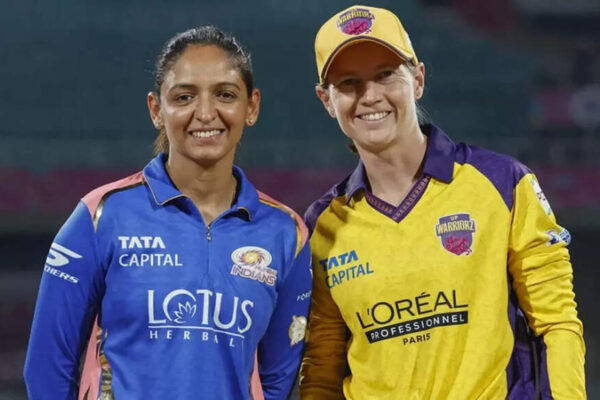
UP Warriorz 6/1 in 0.5 Overs | MI vs UPW, WPL Live Score: Mumbai Indians captain Harmanpreet Kaur opts to field vs UP Warriorz

UP Warriorz 6/1 in 0.5 Overs | MI vs UPW, WPL Live Score: Mumbai Indians captain Harmanpreet Kaur opts to field vs UP Warriorz

MI vs UPW, WPL Live Score: Having finally got the monkey off their backs with the season’s first win in their fourth attempt, UP Warriorz will enter the Women’s Premier League match against Mumbai Indians with a spring in their step om Saturday. Winless in the first three outings, the Warriorz opened their account on…

Read More
‘Bhabhiji Ghar Par Hain’ movie trailer OUT: Vibhuti-Tiwari chaos returns with a spooky twist, fans get ‘super excited’

‘Bhabhiji Ghar Par Hain’ movie trailer OUT: Vibhuti-Tiwari chaos returns with a spooky twist, fans get ‘super excited’

The popular TV comedy show ‘Bhabhiji Ghar Par Hain’ is now making its big-screen debut, and the official trailer released recently created instant buzz online. After the makers hinted at a feature film last year, the project is now ready to entertain audiences in theatres. From classic humour to unexpected twists, the trailer promises a…

Read More
Nadi Daily Horoscope (January 17, 2026): Jupiter Aspects Moon—A Surprise Financial Reward for These Zodiac Signs

Nadi Daily Horoscope (January 17, 2026): Jupiter Aspects Moon—A Surprise Financial Reward for These Zodiac Signs

Welcome to your Nadi Astrology Daily Horoscope! The direct, personal Nadi predictions are based on ancient wisdom and reflect the true trajectory of your life as a whole. Today, take a look at the cosmic blueprint that influences your karma, love life, and money matters. Digging through the insight of the seers, you can check…

Read More
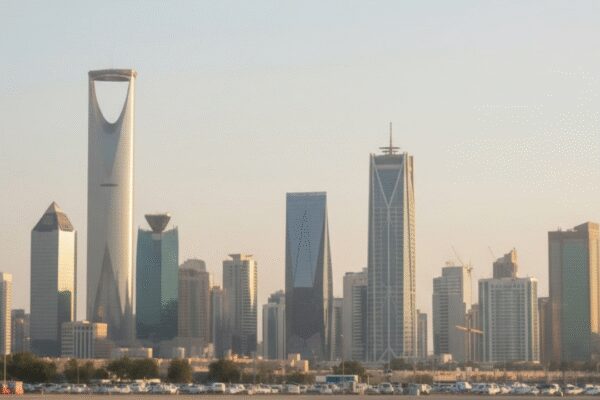
‘Never seen before’: Cheetah mummies found in Saudi caves – a first for naturally mummified large cats

‘Never seen before’: Cheetah mummies found in Saudi caves – a first for naturally mummified large cats

Remains of mummified cheetah (AP photo) Scientists have found the mummified remains of cheetahs in caves in northern Saudi Arabia, a discovery described as extremely rare, as the Associated Press reported.The remains are between 130 and more than 1,800 years old. Researchers uncovered seven cheetah mummies along with the bones of 54 other cheetahs at…

Read More
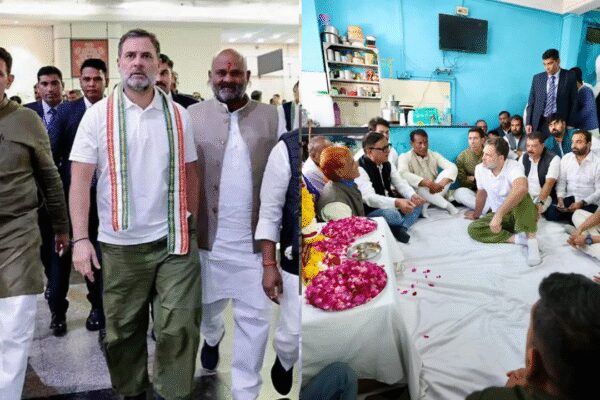
Photo credit: ANI Leader of opposition in the Lok Sabha, Rahul Gandhi, on Saturday visited Madhya Pradesh to meet patients and families affected by the recent vomiting and diarrhoea outbreak linked to water contamination in Indore.Gandhi visited four patients undergoing treatment at Bombay Hospital, a private facility, enquiring about their health and meeting their family members, ANI reported. He also visited Bhagirathpura, the area worst affected by the outbreak last month, interacting with families of the deceased, offering condolences, and consoling them.Speaking to reporters, Rahul Gandhi said, “I have met those affected by drinking contaminated water in Bhagirathpura. Many family members have died, and many have fallen ill. A promise was made to give the country ‘Smart Cities’. But this is the new model of Smart City, where there is no drinking water and people are being intimidated. Clean water is not available in Indore. People have died from drinking contaminated water, and this is the government’s ‘urban model’.””This is not limited to Indore alone, but is happening in other cities as well. The government should take responsibility for this, and victims must receive proper compensation. Even today, clean water is not available here. As the Leader of the Opposition, I have come to raise their voice; this is my responsibility—I stand with the affected families”, he added.Madhya Pradesh Congress president Jitu Patwari and leader of opposition in the state legislative assembly representing the Gandhwani constituency Umang Singhar accompanied Gandhi. Police had made elaborate security arrangements in Bhagirathpura ahead of the visit, with barricades installed at multiple locations.Residents of Bhagirathpura claimed that 24 people died in the outbreak. However, in its status report before the Madhya Pradesh High Court, the state government put the toll at seven, including a five-month-old infant. Meanwhile, a ‘death audit’ by a committee from the government-run Mahatma Gandhi Memorial Medical College indicated that 15 deaths could be linked to the outbreak in some manner.Madhya Pradesh’s chief minister Mohan Yadav had earlier announced Rs 2 lakh financial assistance to the families of the deceased and free treatment to all affected individuals. Officials added that while some deaths were due to other causes, they provided financial assistance to all bereaved families on humanitarian grounds, reported PTI.Speaking to ANI, Patwari criticised the state BJP government for indulging in “blame and counter-blame”, saying, “24-25 people have died due to poisonous water in Indore. The government of Madhya Pradesh, the cabinet of Madhya Pradesh, and our chief minister are engaged in the politics of blame. There has been BJP rule in the state for over 20 years, BJP-led Municipal Corporation in Indore for around 25 years, and over 30 years of BJP MPs in Indore, yet clean drinking water was not provided, leading to loss of lives. If these people cannot understand that pain, Rahul Gandhi will.”Umang Singhar added that Gandhi’s visit was aimed at understanding the incident at the grassroots level and extending solidarity to affected families. “The Constitution grants us the right to clean water; it is the municipal corporation’s responsibility, but why is it not being provided? These are the issues Rahul Gandhi seeks to comprehend,” he said.About the AuthorTOI News DeskThe TOI News Desk comprises a dedicated and tireless team of journalists who operate around the clock to deliver the most current and comprehensive news and updates to the readers of The Times of India worldwide. With an unwavering commitment to excellence in journalism, our team is at the forefront of gathering, verifying, and presenting breaking news, in-depth analysis, and insightful reports on a wide range of topics. The TOI News Desk is your trusted source for staying informed and connected to the ever-evolving global landscape, ensuring that our readers are equipped with the latest developments that matter most.”Read MoreEnd of ArticleFollow Us On Social MediaVideosArunachal Pradesh: 1 Tourist Dead, Another Missing As Ice Cracks On Frozen Sela LakeReza Pahlavi Highlights India As Key Partner For A Democratic Iran In Energy Technology And TradePakistan PM Shehbaz Sharif Vows To Defeat Terrorism Amid Lashkar And Jaish’s Terror Threats To India’We’re Ancient People’: Ex-Singapore FM Yeo Urges India, China, ASEAN To Revive Panchsheel For PeaceDonald Trump Cites India Pakistan Ceasefire While Defending Nobel Gesture But Facts Raise QuestionsIndia Acts As Iran Burns: First Batch of Citizens Return Home After Advisory Amid Violent ProtestsDevendra Fadnavis Says BJP Created History in Maharashtra Civic ElectionsDeloitte Partner Says Budget Must Fix GST Gaps, Cut Costs, Boost Domestic ManufacturingAs Iran Burns, India Flags Risk To 9,000 Indians, MEA Sets Record Straight On Chabahar Port Exit’North Indian Girls Face Curbs’: DMK MP Sparks Row; Trump Warns Iran of Brutal Action Over Killings123Photostories8 delicious lunch dishes made with leftover dal tadkaEgg attacks, FIRs, Internal Turmoil: AIMIM’s dramatic Maharashtra civic poll journey; bags 126 seatsThackeray cousins keep grip on Marathi heartland despite Mahayuti surge9 ⁠daily habits to sharpen brain, boost focus and memory, reveals Dr Pal Manickam5 countries with the highest cost of living in the world8 local dishes that one cannot miss in the city of Ajmer7 night rituals that help one sleep deeply and wake up feeling fully rechargedKate Middleton’s bold red suit steals the show as she returns to public life in styleHow to successfully grow tulips in pots on your balconyNature’s regenerators: 5 animals that can grow back lost body parts123Hot PicksMaharashtra Election ResultsBudget 2026Gold rate todayBank holiday todayVande Bharat sleeperPublic holidays January 2026Bank Holidays JanuaryTop TrendingGracie HuntTravis KelceKlay ThomponTyus JonesLebron JamesMaharashtra Civic Poll WinnersStuart SkinnerJack EichelDana WhiteRafael Nadal Net Worth

Photo credit: ANI Leader of opposition in the Lok Sabha, Rahul Gandhi, on Saturday visited Madhya Pradesh to meet patients and families affected by the recent vomiting and diarrhoea outbreak linked to water contamination in Indore.Gandhi visited four patients undergoing treatment at Bombay Hospital, a private facility, enquiring about their health and meeting their family members, ANI reported. He also visited Bhagirathpura, the area worst affected by the outbreak last month, interacting with families of the deceased, offering condolences, and consoling them.Speaking to reporters, Rahul Gandhi said, “I have met those affected by drinking contaminated water in Bhagirathpura. Many family members have died, and many have fallen ill. A promise was made to give the country ‘Smart Cities’. But this is the new model of Smart City, where there is no drinking water and people are being intimidated. Clean water is not available in Indore. People have died from drinking contaminated water, and this is the government’s ‘urban model’.””This is not limited to Indore alone, but is happening in other cities as well. The government should take responsibility for this, and victims must receive proper compensation. Even today, clean water is not available here. As the Leader of the Opposition, I have come to raise their voice; this is my responsibility—I stand with the affected families”, he added.Madhya Pradesh Congress president Jitu Patwari and leader of opposition in the state legislative assembly representing the Gandhwani constituency Umang Singhar accompanied Gandhi. Police had made elaborate security arrangements in Bhagirathpura ahead of the visit, with barricades installed at multiple locations.Residents of Bhagirathpura claimed that 24 people died in the outbreak. However, in its status report before the Madhya Pradesh High Court, the state government put the toll at seven, including a five-month-old infant. Meanwhile, a ‘death audit’ by a committee from the government-run Mahatma Gandhi Memorial Medical College indicated that 15 deaths could be linked to the outbreak in some manner.Madhya Pradesh’s chief minister Mohan Yadav had earlier announced Rs 2 lakh financial assistance to the families of the deceased and free treatment to all affected individuals. Officials added that while some deaths were due to other causes, they provided financial assistance to all bereaved families on humanitarian grounds, reported PTI.Speaking to ANI, Patwari criticised the state BJP government for indulging in “blame and counter-blame”, saying, “24-25 people have died due to poisonous water in Indore. The government of Madhya Pradesh, the cabinet of Madhya Pradesh, and our chief minister are engaged in the politics of blame. There has been BJP rule in the state for over 20 years, BJP-led Municipal Corporation in Indore for around 25 years, and over 30 years of BJP MPs in Indore, yet clean drinking water was not provided, leading to loss of lives. If these people cannot understand that pain, Rahul Gandhi will.”Umang Singhar added that Gandhi’s visit was aimed at understanding the incident at the grassroots level and extending solidarity to affected families. “The Constitution grants us the right to clean water; it is the municipal corporation’s responsibility, but why is it not being provided? These are the issues Rahul Gandhi seeks to comprehend,” he said.About the AuthorTOI News DeskThe TOI News Desk comprises a dedicated and tireless team of journalists who operate around the clock to deliver the most current and comprehensive news and updates to the readers of The Times of India worldwide. With an unwavering commitment to excellence in journalism, our team is at the forefront of gathering, verifying, and presenting breaking news, in-depth analysis, and insightful reports on a wide range of topics. The TOI News Desk is your trusted source for staying informed and connected to the ever-evolving global landscape, ensuring that our readers are equipped with the latest developments that matter most.”Read MoreEnd of ArticleFollow Us On Social MediaVideosArunachal Pradesh: 1 Tourist Dead, Another Missing As Ice Cracks On Frozen Sela LakeReza Pahlavi Highlights India As Key Partner For A Democratic Iran In Energy Technology And TradePakistan PM Shehbaz Sharif Vows To Defeat Terrorism Amid Lashkar And Jaish’s Terror Threats To India’We’re Ancient People’: Ex-Singapore FM Yeo Urges India, China, ASEAN To Revive Panchsheel For PeaceDonald Trump Cites India Pakistan Ceasefire While Defending Nobel Gesture But Facts Raise QuestionsIndia Acts As Iran Burns: First Batch of Citizens Return Home After Advisory Amid Violent ProtestsDevendra Fadnavis Says BJP Created History in Maharashtra Civic ElectionsDeloitte Partner Says Budget Must Fix GST Gaps, Cut Costs, Boost Domestic ManufacturingAs Iran Burns, India Flags Risk To 9,000 Indians, MEA Sets Record Straight On Chabahar Port Exit’North Indian Girls Face Curbs’: DMK MP Sparks Row; Trump Warns Iran of Brutal Action Over Killings123Photostories8 delicious lunch dishes made with leftover dal tadkaEgg attacks, FIRs, Internal Turmoil: AIMIM’s dramatic Maharashtra civic poll journey; bags 126 seatsThackeray cousins keep grip on Marathi heartland despite Mahayuti surge9 ⁠daily habits to sharpen brain, boost focus and memory, reveals Dr Pal Manickam5 countries with the highest cost of living in the world8 local dishes that one cannot miss in the city of Ajmer7 night rituals that help one sleep deeply and wake up feeling fully rechargedKate Middleton’s bold red suit steals the show as she returns to public life in styleHow to successfully grow tulips in pots on your balconyNature’s regenerators: 5 animals that can grow back lost body parts123Hot PicksMaharashtra Election ResultsBudget 2026Gold rate todayBank holiday todayVande Bharat sleeperPublic holidays January 2026Bank Holidays JanuaryTop TrendingGracie HuntTravis KelceKlay ThomponTyus JonesLebron JamesMaharashtra Civic Poll WinnersStuart SkinnerJack EichelDana WhiteRafael Nadal Net Worth

Leader of opposition in the Lok Sabha, Rahul Gandhi, on Saturday visited Madhya Pradesh to meet patients and families affected by the recent vomiting and diarrhoea outbreak linked to water contamination in Indore.Gandhi visited four patients undergoing treatment at Bombay Hospital, a private facility, enquiring about their health and meeting their family members, ANI reported….

Read More
Damien Martyn’s emotional ‘I’m back’ post after beating Meningitis: ‘I was placed into a paralysed coma’

Damien Martyn’s emotional ‘I’m back’ post after beating Meningitis: ‘I was placed into a paralysed coma’

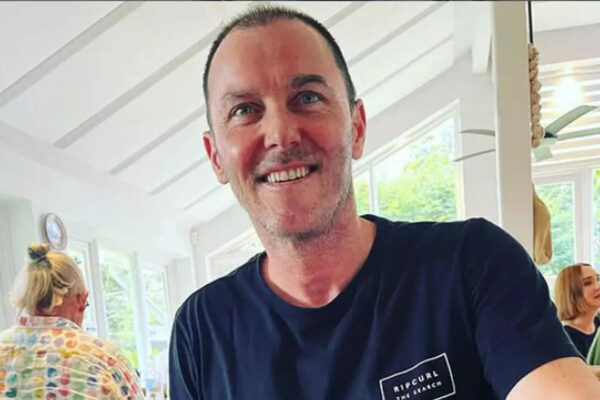
Damien Martyn (Image credit: Instagram) Former Australia batter Damien Martyn returned home from hospital on Saturday after recovering from an “awful” bout of meningitis, an experience he said made him realise “how fragile life is.”Martyn was taken ill on December 27, 2025, and was placed in an induced coma in the intensive care unit. He…

Read More
India’s new labour codes: Govt eyes April 1 rollout to align with financial year; PF, gratuity cost impact in focus

India’s new labour codes: Govt eyes April 1 rollout to align with financial year; PF, gratuity cost impact in focus

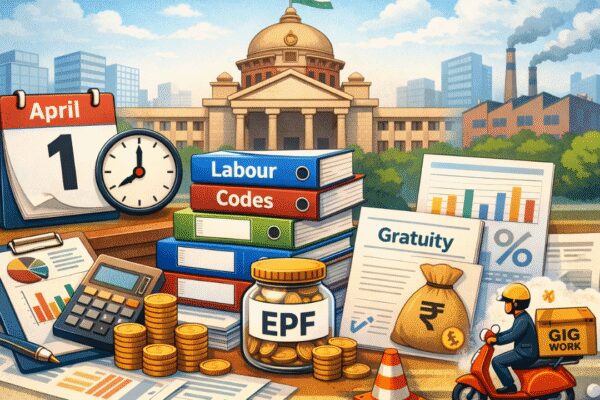
Representative image (AI-generated) The ministry of labour and employment is considering making the four Labour Codes effective from April 1 to align their rollout with companies’ financial year. The move is aimed at easing the impact of higher provident fund and gratuity costs arising from changes in salary structures under the new framework.According to officials…

Read More
Skills can become obsolete: Why Nobel Prize winner Esther Duflo wants students to stop chasing ‘perfect’ careers

Skills can become obsolete: Why Nobel Prize winner Esther Duflo wants students to stop chasing ‘perfect’ careers

At a time when students are constantly told to be “job-ready”, Nobel Prize–winning economist Esther Duflo offered a very different — and quietly powerful — message. Speaking at the 19th Jaipur Literature Festival, she reminded young people that the skills they are racing to acquire today may not be the ones that shape their careers…

Read More