Louis Vuitton Hotel: Ever seen a Louis Vuitton hotel while travelling? This pop-up in Bangkok is the city’s coolest new attraction |

Louis Vuitton Hotel: Ever seen a Louis Vuitton hotel while travelling? This pop-up in Bangkok is the city’s coolest new attraction |

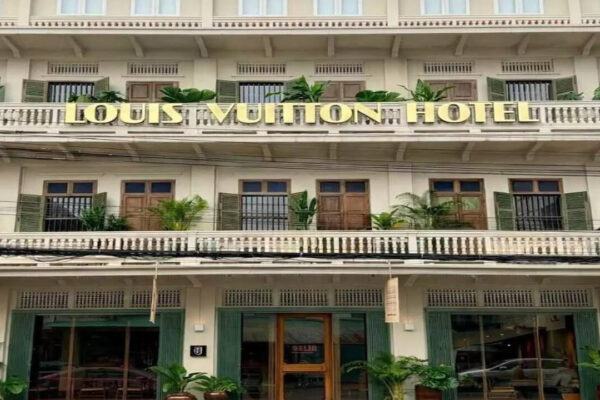
If you thought Bangkok is only about its vibrant nightlife, old temples and sumptuous street food, then you need to check out Louis Vuitton latest hotel pop-up which has become the city’s cool new attraction. And the Thai capital is not at all complaining and basking in the fashion glory. It has added a stylish…

Read More
PMO has a new address: PM Modi unveils ‘Seva Teerth’

PMO has a new address: PM Modi unveils ‘Seva Teerth’

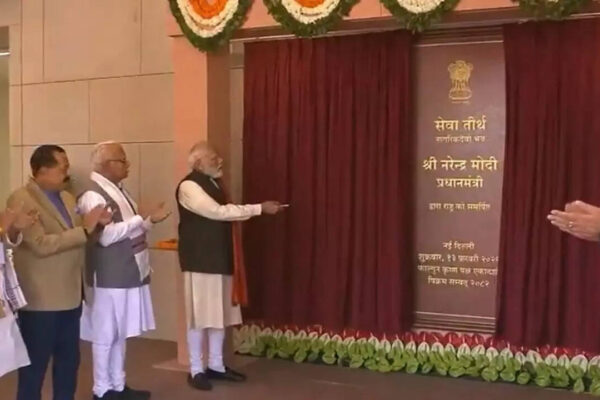
NEW DELHI: Prime Minister Narendra Modi on Friday unveiled the name ‘Seva Teerth’ for the new building complex housing the Prime Minister’s Office, the National Security Council Secretariat and the Cabinet Secretariat, marking a major overhaul of India’s administrative infrastructure.He will formally inaugurate Seva Teerth and Kartavya Bhavan 1 and 2 and address a public…

Read More
Sheikh Mohammed unveils DH1 billion campaign to fight hunger this Ramadan | World News

Sheikh Mohammed unveils DH1 billion campaign to fight hunger this Ramadan | World News

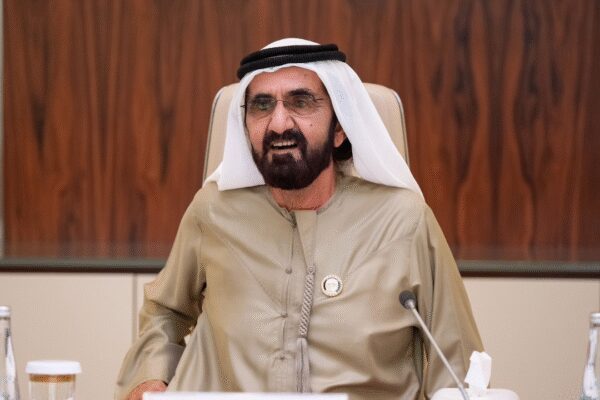
Sheikh Mohammed launches AED1 billion Ramadan 2026 campaign to save five million children/image: X As Ramadan approaches, Dubai’s Ruler has placed the fight against child hunger at the centre of the UAE’s humanitarian efforts. His Highness Sheikh Mohammed bin Rashid Al Maktoum on Friday announced the launch of the “Edge of Life” campaign, an initiative…

Read More
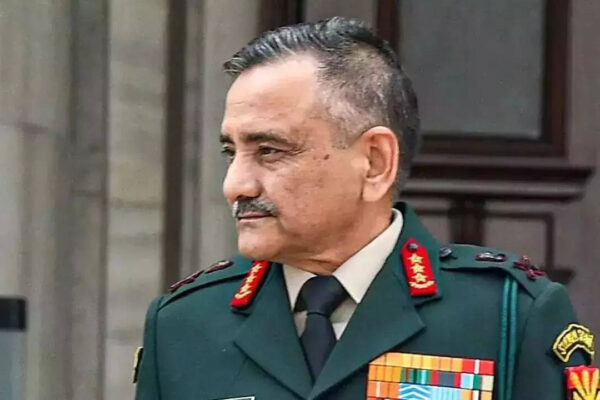
NEW DELHI: Chief of Defence Staff General Anil Chauhan on Friday claimed that former Prime Minister Jawaharlal Nehru recognised Tibet as a part of China because he wanted to build a good relationship with China.While addressing the Bharat Himalayan Strategy Forum in Dehradun, General Chauhan recalled how the Panchsheel agreement was signed between India and China and said, “On independence, the British left, and it was for India actually to decide where a front is. Nehru probably knew that we had something, as the McMahon Line was in the east, and we had some kind of a claim in the Ladakh area, but it was not here. So that’s why he wanted to go in for a Panchsheel agreement, and for the Chinese also. When they had kind of liberated Tibet, they had moved into Lhasa. This particular area was extreme at both ends.””So they wanted stability, probably in this particular region. Independent India was keen to build a good relationship with China. In 1954, India recognised Tibet as part of China. Both countries signed the Panchsheel Agreement,” he added.General Chauhan also said that the India must rethink how it views Himalayan boundary, particularly in Uttarakhand’s middle sector.”Himalayas have functioned more as a zone of interaction rather than a border of exclusion. Uttarakhand is a civilisation landscape where the sacred and the strategic have been coexisting for ages,” CDS said.The right place actually to have a think tank like BHISM because in Dehradun, it is uniquely positioned to develop static thought that is terrain conscious, system oriented, and long horizon in its character,” he added.About the AuthorTOI News DeskThe TOI News Desk comprises a dedicated and tireless team of journalists who operate around the clock to deliver the most current and comprehensive news and updates to the readers of The Times of India worldwide. With an unwavering commitment to excellence in journalism, our team is at the forefront of gathering, verifying, and presenting breaking news, in-depth analysis, and insightful reports on a wide range of topics. The TOI News Desk is your trusted source for staying informed and connected to the ever-evolving global landscape, ensuring that our readers are equipped with the latest developments that matter most.”Read MoreEnd of ArticleFollow Us On Social MediaVideos’Bangladesh Rejected Pakistan-Backed Jamaat’: Experts Decode BNP’s Historic Return To PowerCDS General Anil Chauhan Links History With Border Disputes With China, Recalls Nehru Knew About It’He Is A Habitual Liar’: Farmers At Centre As Piyush Goyal Slams Rahul Gandhi On India US Trade DealPoK And Aksai Chin In India Map: US Trade Deal Post Forced Pakistan To Rush Washington To RectifyPak PM Sharif Heads To Washington As India Weighs Strategic Cost Of Joining Trump’s Board of PeaceBNP’s Tarique Rahman Set To Become Bangladesh PM After Sweeping Victory In Historic ComebackBangladesh PM Hasina Calls Elections Rigged, Urges Credible Fresh Polls, Attacks Yunus‘Modi Under Trump’s Grip’: Rahul Gandhi Hits Back At Nishikant Dubey’s Motion‘Privilege Motion’ A Code Word? Rahul Gandhi Takes Dig At Media; BJP Hits BackIndus Waters Row Deepens After Pakistan’s ‘Dewatering’ Charge On New Dam, India Dismisses Claim123PhotostoriesThe 50: From falling in love on Bigg Boss 9 to facing a ‘rough patch’- Prince Narula and Yuvika Chaudhary’s relationship timeline5 iconic Shiva temples in India to visit this Maha Shivratri 2026Pune district annual plan 2026-27: Rs 1,032 crore focused on development and growthValentine’s day tarot guidance based on your birth numberTyler Durden in ‘Fight Club’ to J.D. in ‘Thelma & Louise’: 5 fan-favorite Brad Pitt roles that still captivate audiences5 signs your intuition is trying to warn you5 Indian artists whose paintings now sell for crores at auctionsHow to make Delhi’s famous light and fluffy Ram Laddu at homeReady-to-move vs under-construction homes: Which is a better investment optionTop 10 powerful passports of 2026; check India’s position123Hot PicksIT Stocks CrashGold Silver PricesBangladesh Election ResultsTelangana Municipal Elections ResultsIncome Tax CalculatorPublic holidays February 2026Bank Holidays februaryTop TrendingMarvel Rivals Season 6.5 Release dateErika KirkBad BunnyCatherine Polli Net WorthSeahawks Super Bowl paradeKayla NicoleAnthony JoshuaChloe KimCardi BMax Muncy

NEW DELHI: Chief of Defence Staff General Anil Chauhan on Friday claimed that former Prime Minister Jawaharlal Nehru recognised Tibet as a part of China because he wanted to build a good relationship with China.While addressing the Bharat Himalayan Strategy Forum in Dehradun, General Chauhan recalled how the Panchsheel agreement was signed between India and China and said, “On independence, the British left, and it was for India actually to decide where a front is. Nehru probably knew that we had something, as the McMahon Line was in the east, and we had some kind of a claim in the Ladakh area, but it was not here. So that’s why he wanted to go in for a Panchsheel agreement, and for the Chinese also. When they had kind of liberated Tibet, they had moved into Lhasa. This particular area was extreme at both ends.””So they wanted stability, probably in this particular region. Independent India was keen to build a good relationship with China. In 1954, India recognised Tibet as part of China. Both countries signed the Panchsheel Agreement,” he added.General Chauhan also said that the India must rethink how it views Himalayan boundary, particularly in Uttarakhand’s middle sector.”Himalayas have functioned more as a zone of interaction rather than a border of exclusion. Uttarakhand is a civilisation landscape where the sacred and the strategic have been coexisting for ages,” CDS said.The right place actually to have a think tank like BHISM because in Dehradun, it is uniquely positioned to develop static thought that is terrain conscious, system oriented, and long horizon in its character,” he added.About the AuthorTOI News DeskThe TOI News Desk comprises a dedicated and tireless team of journalists who operate around the clock to deliver the most current and comprehensive news and updates to the readers of The Times of India worldwide. With an unwavering commitment to excellence in journalism, our team is at the forefront of gathering, verifying, and presenting breaking news, in-depth analysis, and insightful reports on a wide range of topics. The TOI News Desk is your trusted source for staying informed and connected to the ever-evolving global landscape, ensuring that our readers are equipped with the latest developments that matter most.”Read MoreEnd of ArticleFollow Us On Social MediaVideos’Bangladesh Rejected Pakistan-Backed Jamaat’: Experts Decode BNP’s Historic Return To PowerCDS General Anil Chauhan Links History With Border Disputes With China, Recalls Nehru Knew About It’He Is A Habitual Liar’: Farmers At Centre As Piyush Goyal Slams Rahul Gandhi On India US Trade DealPoK And Aksai Chin In India Map: US Trade Deal Post Forced Pakistan To Rush Washington To RectifyPak PM Sharif Heads To Washington As India Weighs Strategic Cost Of Joining Trump’s Board of PeaceBNP’s Tarique Rahman Set To Become Bangladesh PM After Sweeping Victory In Historic ComebackBangladesh PM Hasina Calls Elections Rigged, Urges Credible Fresh Polls, Attacks Yunus‘Modi Under Trump’s Grip’: Rahul Gandhi Hits Back At Nishikant Dubey’s Motion‘Privilege Motion’ A Code Word? Rahul Gandhi Takes Dig At Media; BJP Hits BackIndus Waters Row Deepens After Pakistan’s ‘Dewatering’ Charge On New Dam, India Dismisses Claim123PhotostoriesThe 50: From falling in love on Bigg Boss 9 to facing a ‘rough patch’- Prince Narula and Yuvika Chaudhary’s relationship timeline5 iconic Shiva temples in India to visit this Maha Shivratri 2026Pune district annual plan 2026-27: Rs 1,032 crore focused on development and growthValentine’s day tarot guidance based on your birth numberTyler Durden in ‘Fight Club’ to J.D. in ‘Thelma & Louise’: 5 fan-favorite Brad Pitt roles that still captivate audiences5 signs your intuition is trying to warn you5 Indian artists whose paintings now sell for crores at auctionsHow to make Delhi’s famous light and fluffy Ram Laddu at homeReady-to-move vs under-construction homes: Which is a better investment optionTop 10 powerful passports of 2026; check India’s position123Hot PicksIT Stocks CrashGold Silver PricesBangladesh Election ResultsTelangana Municipal Elections ResultsIncome Tax CalculatorPublic holidays February 2026Bank Holidays februaryTop TrendingMarvel Rivals Season 6.5 Release dateErika KirkBad BunnyCatherine Polli Net WorthSeahawks Super Bowl paradeKayla NicoleAnthony JoshuaChloe KimCardi BMax Muncy

NEW DELHI: Chief of Defence Staff General Anil Chauhan on Friday claimed that former Prime Minister Jawaharlal Nehru recognised Tibet as a part of China because he wanted to build a good relationship with China.While addressing the Bharat Himalayan Strategy Forum in Dehradun, General Chauhan recalled how the Panchsheel agreement was signed between India and…

Read More
Australia 137/7 in 18.2 Overs | Australia vs Zimbabwe Live Score, T20 World Cup 2026: Zimbabwe need three wickets to win as Australia struggle in chase

Australia 137/7 in 18.2 Overs | Australia vs Zimbabwe Live Score, T20 World Cup 2026: Zimbabwe need three wickets to win as Australia struggle in chase

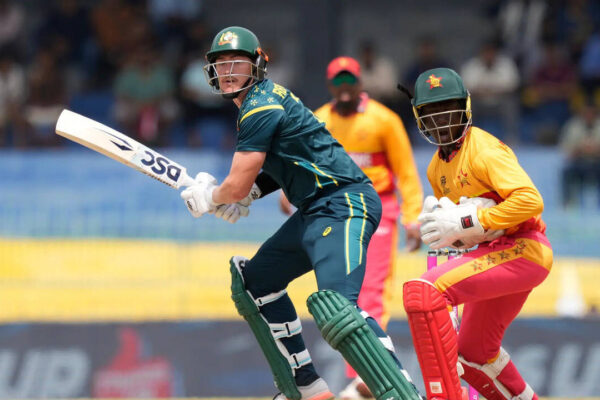
Australia vs Zimbabwe Live Score, T20 World Cup 2026: A steady batting display led by Brian Bennett powered Zimbabwe to a competitive 169 for 2 against Australia during their ICC Men’s T20 World Cup encounter today. Bennett’s unbeaten 64 anchored the innings after Zimbabwe were asked to bat, while Tadiwanashe Marumani and Ryan Burl added…

Read More
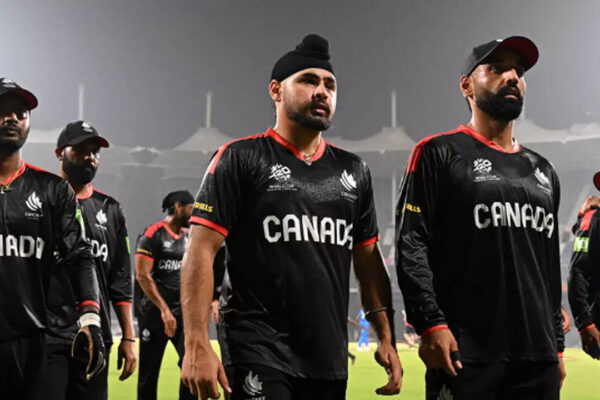
Canada vs UAE Live Score, T20 World Cup 2026: Canada, UAE look to reset after early setbacks

Canada vs UAE Live Score, T20 World Cup 2026: Canada, UAE look to reset after early setbacks

Canada: Dilpreet Bajwa (c), Ajayveer Hundal, Ansh Patel, Dilon Heyliger, Harsh Thaker, Jaskarandeep Singh, Kaleem Sana, Kanwarpal Tathgur, Navneet Dhaliwal, Nicholas Kirton, Ravinderpal Singh, Saad Bin Zafar, Shivam Sharma, Shreyas Movva, Yuvraj Samra. UAE: Muhammad Waseem (c), Alishan Sharafu, Aryansh Sharma, Dhruv Parashar, Haider Ali, Harshit Kaushik, Junaid Siddique, Mayank Kumar, Muhammad Arfan, Muhammad Farooq,…

Read More
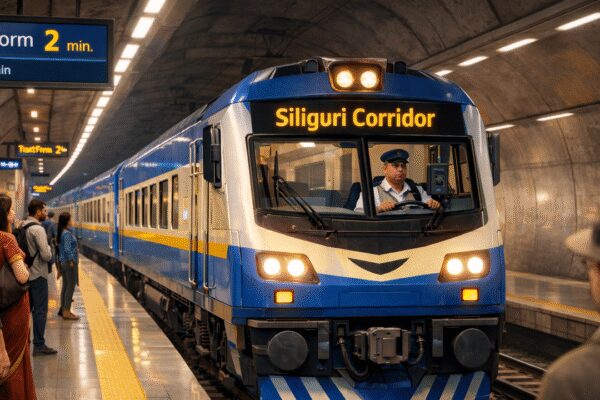
Connectivity boost for ‘Chicken neck’! Indian Railways announces underground rail route through Siliguri Corridor; check route and key details

Connectivity boost for ‘Chicken neck’! Indian Railways announces underground rail route through Siliguri Corridor; check route and key details

India’s “Chicken neck” is all set for a new connectivity boost!In a bid to strengthen regional connectivity to India’s North-eastern States, Indian Railways has announced plans to construct a new underground railway line through the Siliguri Corridor, commonly known as the “Chicken’s Neck”. Union minister for railways, information & broadcasting and electronics & information technology,…

Read More
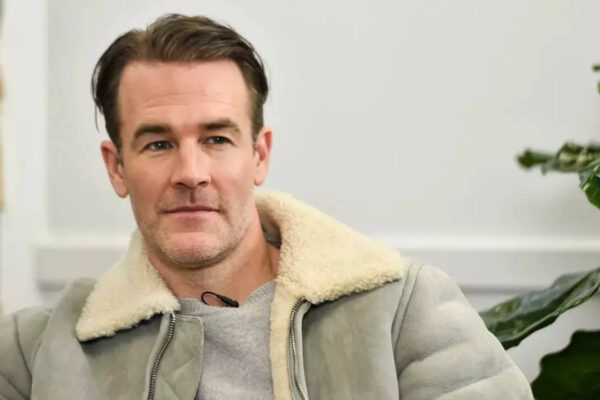
James Van Der Beek had been working on a memoir while battling cancer – Report

James Van Der Beek had been working on a memoir while battling cancer – Report

Beloved actor James Van Der Beek, known for ‘Dawson’s Creek’, has passed away after a private battle with colorectal cancer since 2023. During his illness, he was reportedly working on a memoir detailing his life and struggles. Trigger warning: This article contains mentions of death and cancer, reader’s discretion is advised.Actor James Van Der Beek’s…

Read More
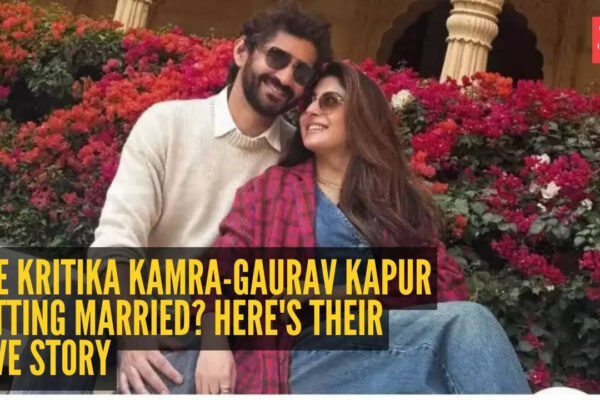
Are Kritika Kamra-Gaurav Kapur getting married? Here’s a heartwarming peek into their love story |

Are Kritika Kamra-Gaurav Kapur getting married? Here’s a heartwarming peek into their love story |

Are Kritika Kamra-Gaurav Kapur getting married? Here’s a heartwarming peek into their love story There’s something magical and heart-warming about love that grows naturally, away from people’s gaze. And TV actor Kritika Kamra and IPL host Gaurav Kapur’s relationship seems to be one such bond. After much speculation, the couple made their relationship official in…

Read More
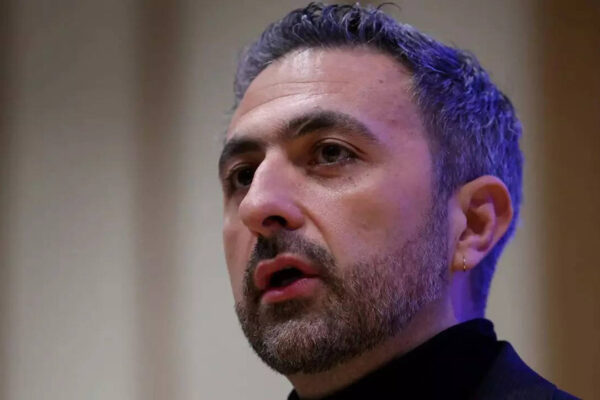
Microsoft AI CEO Mustafa Suleyman predicts White collar job automation within 18 months, says: AI agents will be able to …

Microsoft AI CEO Mustafa Suleyman predicts White collar job automation within 18 months, says: AI agents will be able to …

Mustafa Suleyman, CEO of Microsoft AI has made a bold prediction saying that many white-collar jobs could be automated within the next 12 to 18 months as artificial intelligence (AI) systems become more capable, reports Financial Times. Suleyman said rapid advances in AI could change how professional work is done across sectors such as law,…

Read More
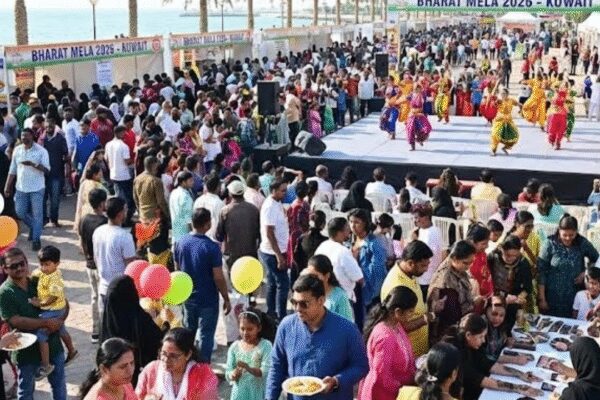
Bharat Mela 2026 coming to Kuwait: 700+ artists set to showcase India’s vibrant heritage at Green Island | World News

Bharat Mela 2026 coming to Kuwait: 700+ artists set to showcase India’s vibrant heritage at Green Island | World News

Bharat Mela 2026 coming to Kuwait: Green Island set for grand Indian cultural festival/Image: X The coastline of Kuwait is about to get a lot more colourful. The Embassy of India in Kuwait has officially invited everyone to Bharat Mela 2026, a massive open-air festival celebrating India’s rich heritage. Mark your calendars for Friday, February…

Read More
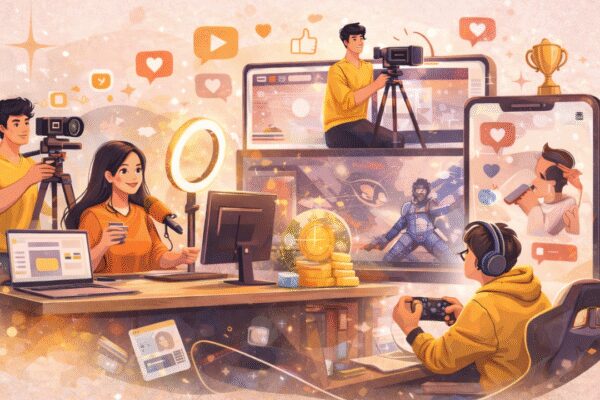
The image is used for representation pupose only (AI-generated)  On a busy afternoon in Old Delhi’s Parathe Wali Gali, Darshit Singh held up his phone and did something unusual.He didn’t hype the food.He critiqued it.The reel — an “honest review” of a legacy eatery and Daulat ki Chaat — crossed 7.3 million views. Messages flooded in. Invitations followed. Cities called.That was 2024.Today, Singh calls himself India’s first “food deinfluencer”.Elsewhere, Santosh was boarding a late-night flight after wrapping up a full corporate workday.An IIT-Delhi alumnus by degree and a traveller by instinct, he refuses to choose between spreadsheets and sunsets.“I’m a traveller with a full-time job,” he says — a line that has now become his digital identity.Every month, a new state. Every trip, a vlog. Every journey, proof that passion doesn’t need permission.What once looked like just another viral reel is now part of something bigger — a creator economy projected to be worth thousands of crores, and increasingly recognised in India’s economic blueprint.This year’s Union Budget did something subtle but significant: it placed creativity inside the growth narrative.Welcome to India’s Orange Economy moment.The Orange Economy: When creativity became economic policyFor decades, art, storytelling and digital creation lived in the margins of economic planning — celebrated culturally, rarely counted financially.That is beginning to change.The “Orange Economy” — a term popularised by the Inter-American Development Bank refers to industries that transform ideas into cultural goods and services protected by intellectual property. It includes media, film, music, publishing, animation, gaming, advertising, design, fashion, digital content and now, increasingly, independent creators.In India’s Union Budget 2026–27, finance minister Nirmala Sitharaman announced a major push for India’s creative industries — or what is increasingly being called the “Orange Economy.” .Presenting the Budget, Sitharaman emphasised that India’s creative and AVGC-XR (Animation, Visual Effects, Gaming, Comics and Extended Reality) ecosystem has the potential to generate large-scale employment and position India as a global content hub.She announced:Rs 400 crore allocation for the Indian Institute of Creative Technologies (IICT) in Mumbai15,000 AVGC labs to be set up in schoolsIntegration of creative and digital skills in 500 colleges across IndiaPolicy support aimed at building a workforce pipeline for the AVGC-XR sectorThe Economic Survey projected that the AVGC sector alone could require up to 2 million skilled professionals by 2030.Sitharaman highlighted that India’s demographic dividend must be aligned with emerging sectors, particularly those driven by digital platforms and intellectual property.At the WAVES summit earlier this year, Prime Minister Narendra Modi reinforced this direction, describing India as a nation with “a billion-plus stories” and positioning the creative economy as both cultural capital and economic opportunity. .India’s creator economy is projected to grow at an 18% compound annual growth rate, rising from Rs 19 billion in 2023 to Rs 34 billion by 2026, according to Ernst & Young.Influencer economy & marketing: From digital voices to structured media powerInfluencer marketing is defined as “a collaboration between popular social-media users and brands to promote brands’ products or services.” What began as informal brand shoutouts has now evolved into a regulated, data-driven industry. The scale today is substantial. Globally, the influencer marketing economy was valued at .1 billion in 2023, having more than doubled since 2019 on the strength of platforms such as Instagram and YouTube. According to ET, the global influencer marketing platform market grew from  billion in 2020 to a projected .1 billion by 2025, at a CAGR of 32%. . Forbes highlighted that the broader creator economy is now a 0 billion global force, projected by Goldman Sachs to reach 0 billion by 2027. Statista reports that over 200 million creators operate globally, while social commerce is expected to touch .9 trillion by 2026.India’s influencer marketing sector is projected to reach Rs 3,375 crore by 2026, growing at a CAGR of 18%, according to EY’s ‘State of Influencer Marketing in India’ report. Exchange4Media estimates the core influencer market at around Rs 3,600 crore in 2024, projected to reach Rs 4,500 crore in 2025, though insiders suggest the real size may exceed Rs 10,000 crore due to direct brand-creator deals outside conventional tracking.Creator fees rose between 10–30%, while top-tier creators in India reportedly earned between Rs 10–25 crore annually through endorsements, platform monetisation, live events and equity partnerships.Types of InfluencersInfluencers are categorised by follower size:Nano influencers: Fewer than 10,000 followersMicro influencers: 10,000–50,000 followersMedium influencers: 50,000–100,000 followersMacro influencers: More than 500,000 followersMega influencers: Over one million followersEY observes that marketers leverage both large/macro and micro/nano influencers equally. While mega and macro influencers drive awareness and brand loyalty, micro and nano influencers often deliver stronger engagement and relatability.Regional creators are becoming central to brand strategies. According to Influencer.in (Social Beat), regional creators drive 35–40% better engagement in Tier-2 and Tier-3 cities. Budget allocation for regional creators has increased from 3–10% earlier to 8–20%, with expectations of further growth.Gen Z: The creator generationThe ecosystem is increasingly youth-driven. A 2024 YouTube India–SmithGeiger report found that 83% of Indian Gen Zers consider themselves creators, and 75% see content creation as a genuine career path. More than 55% reported gaining financial independence through digital platforms.As ET highlights, influencer marketing is seen as cost-effective and personalised. Influencers build relatability and directly shape purchase decisions. In fact, 61% of consumers trust recommendations from creators more than traditional brand advertising, according to Sprout Social cited by Forbes.Influencer partnerships typically follow two models:Flat-fee brand deals per post (ranging from Rs 2,000 to Rs 30 lakh per post in India, depending on scale).Affiliate commissions, where influencers earn from sales generated via links or promo codes.Increasingly, creators are moving beyond endorsements to ownership — launching brands, seeking equity partnerships and building independent revenue streams. Exchange4Media notes a visible shift from “endorser to owner.”From hyper-local memers to pan-India gaming stars, from nano creators in Tier-3 cities to mega influencers earning crores annually, India’s influencer economy is no longer peripheral to marketing. It has become a structured, high-growth pillar of brand strategy — reshaping commerce, culture and consumer trust in the digital age.For creators like Darshit, having a mass following of 51.7K followers, the viral Old Delhi reel was only the beginning. What followed was a clearer understanding of how the influencer economy actually works.         View this post on Instagram            A post shared by Darshit Singh | Food Deinfluencer (@darshitoncam)“I started making content post-COVID but it was mostly just pictures and a few videos with music. No voiceover,” he says. It was only after that breakout moment in 2024 that he began studying the platform more closely — especially the algorithm.“Instagram is fundamentally different… it thrives on recommendations,” he explains. Unlike platforms that depend heavily on follower count, Instagram pushes reels to users who may never have heard of the creator but are likely to engage. “Someone who has never made a video in their life can come to this platform and make one and get millions of views.”Uploading identical content across YouTube Shorts, Facebook and Threads, Singh says Instagram consistently delivers his highest reach. For him, discovery is not accidental — it is engineered.But growth alone was never the goal. His identity as a “food deinfluencer” is built on resisting what he sees as blind positivity in brand culture.“Our society today has a trust crisis. Be it government, institutions, or media. Everyone is facing that. So for me, my audience’s trust is paramount,” he says. Even in paid collaborations, he critiques dishes he does not like. “I wanna be the reason behind someone’s memorable meal.”         View this post on Instagram            A post shared by Darshit Singh | Food Deinfluencer (@darshitoncam)His approach reflects a broader shift in marketing strategy. “Earlier brands used to only work with celebrities and movie stars but now they prefer influencers in most cases as the latter gives them higher ROI,” he observes. “Celebrities promoting a product feels like an ad. But some influencers subtly promote the brand in their organic way… audiences are more likely to purchase that product later.”A few kilometres away from Old Delhi’s food lanes, Santosh is planning his next trip — between client calls.Santosh began his creator journey not in airports or mountains but inside hostel rooms. What started as campus vlogs on YouTube, hostel stories, placement anxiety, the reality of being an IIT student slowly built a community of aspirants and peers.Then came Instagram.Reels allowed him to compress entire journeys into seconds — a new state every month, documented between office deadlines. The platform’s real-time engagement — stories, reels, DMs helped him move beyond informational content into something more personal.         View this post on Instagram            A post shared by Santoshh | Traveller with a Full Time Job 🇮🇳 (@santoshh___)“You can be discovered without being famous,” he says, pointing to how a few of his travel and IIT reels travelled far beyond his existing follower base.More importantly, he has watched the industry change.“When I started, content creation felt experimental,” Santosh says. “Now brands plan structured budgets. Long-term collaborations. There’s more professionalism.”         View this post on Instagram            A post shared by Santoshh | Traveller with a Full Time Job 🇮🇳 (@santoshh___)In his words, the creative economy is no longer informal hustle. It’s recognised work.Instagram’s revenue model: The business behind the scrollIf the orange economy is the ecosystem and creators are its lifeblood, then Instagram is the marketplace — the digital high street where attention turns into advertising, and creativity converts into commerce.To understand how influencer marketing thrives, it’s important to understand how Instagram itself makes money.Founded in 2010 by Kevin Systrom and Mike Krieger as a simple photo-sharing app, Instagram was built on one idea: visuals connect people. What started as a minimalist platform for filtered photos has evolved into a billion-user ecosystem of Stories, Reels, shopping tabs and creator tools.After Meta (then Facebook) acquired Instagram in 2012 for  billion, the platform scaled rapidly. Today, Instagram is estimated to be worth around 0 billion, making it one of the most valuable digital assets globally.The engine driving all of this? Advertising.Instagram’s primary revenue model is advertising. What makes Instagram powerful for marketers is its algorithmic precision. Content appears based on user behavior, engagement patterns and interests.The platform’s shift toward short-form video has supercharged engagement. According to a Meta-commissioned IPSOS study:97% of Indian consumers watch short-form videos daily95% daily usage for Reels, compared to 83% for televisionMeta India’s Managing Director Arun Srinivas said: “India is leading the world in video adoption, and Reels is at the center of this shift. Five years since its launch, Reels is India’s leading short-form video platform—driving massive engagement, shaping culture, and delivering real business impact.”Instagram’s model is symbiotic with the influencer economy.Shoppable tags allow influencers to link products directly. Affiliate links enable commission-based earnings. Sponsored posts generate flat-fee income. Bonuses and milestone incentives reward engagement growth.While food reels dominate one corner of the ecosystem, knowledge-driven creators are building influence in quieter but equally powerful ways.For Bikramjeet Dutta, having a massive following of 51.9K followers, Instagram’s inflexion point came during the 2024 Lok Sabha elections. “I was attending several political rallies, press conferences etc. I started uploading that it started gaining views and followers,” he says.         View this post on Instagram            A post shared by Bikramjeet Dutta (@duttabikramjeet)His content extends beyond political coverage into books, geopolitics and history. “Instagram helped me to connect with those who are experts in these fields,” he says, adding that credibility assessment feels more immediate on the platform. “In Instagram it’s quite easy to verify whether the person is credible or not.”         View this post on Instagram            A post shared by Bikramjeet Dutta (@duttabikramjeet)Discovery, he believes, has fundamentally shifted the opportunity landscape. Posting book reviews led to requests from publishers. Geopolitical commentary brought invitations to panel discussions and book launches. “Yes, Instagram has made it easier for creators to be discovered,” he says.Instagram and small businesses: Visibility, trust and the new storefrontFor many small businesses in India, Instagram is no longer just a marketing add-on. It functions as a storefront, catalogue, customer service desk and storytelling space — often all at once.The shift became especially visible during the pandemic. In 2020, Instagram introduced the ‘Support Small Business’ sticker, which grouped Stories using the sticker into a shared feed so “more people can discover more small businesses.” Around the same time, it rolled out features that made it easier to discover gift cards, online food orders and fundraisers, allowing users to tap directly and purchase through partner websites. For Nidhi who runs a handmade chocolate business, Instagram became more than a display window.“Instagram didn’t just become a platform… it became the space where my creativity found its voice,” she says. She explains that unlike other platforms, Instagram allowed her “to connect, not just sell — to share stories, build trust, and grow a community that appreciates handmade details and thoughtful gifting.”Instead of simply listing prices, she moved toward behind-the-scenes reels — melting chocolate, assembling hampers, last-minute packing. The shift from static posts to process-driven video felt “more genuine for the audience.”Another small business owner Harsh in the fabric trade echoes a similar sentiment.“Instagram has played a major role in building our fabric brand identity. Through reels, product videos, and live customer interactions, we showcase our manufacturing quality, fabric textures, and latest collections in a very visual way.”Increased competition, he highlights, has pushed businesses “to become more creative by high-quality reels and by making it more realistic.”In the architecture of the orange economy, small businesses are not just beneficiaries of digital platforms. They are active participants: adapting content, tone and strategy in response to algorithmic culture and rising competition.About the AuthorPriyanshi RastogiPriyanshi Rastogi is a journalist with The Times of India. She primarily covers national and international news, along with business affairs. Her work focuses on the latest political events, in-depth explainers, features, offbeat articles and viral social media trending stories.Read MoreEnd of ArticleFollow Us On Social MediaVideos’He Is A Habitual Liar’: Farmers At Centre As Piyush Goyal Slams Rahul Gandhi On India US Trade DealPoK And Aksai Chin In India Map: US Trade Deal Post Forced Pakistan To Rush Washington To RectifyPak PM Sharif Heads To Washington As India Weighs Strategic Cost Of Joining Trump’s Board of PeaceBNP’s Tarique Rahman Set To Become Bangladesh PM After Sweeping Victory In Historic ComebackBangladesh PM Hasina Calls Elections Rigged, Urges Credible Fresh Polls, Attacks Yunus‘Modi Under Trump’s Grip’: Rahul Gandhi Hits Back At Nishikant Dubey’s Motion‘Privilege Motion’ A Code Word? Rahul Gandhi Takes Dig At Media; BJP Hits BackIndus Waters Row Deepens After Pakistan’s ‘Dewatering’ Charge On New Dam, India Dismisses ClaimDonald Trump’s Old ‘Destroy Modi’s Career’ Comment Sparks Row As India Responds With Firm MessageLamborghini Brat Walks Free Within Hours Of Arrest; BJP MP Demands Rahul’s Disqualification From LS123Photostories6 extra tips for couples planning a Valentine’s Day road tripTyler Durden in ‘Fight Club’ to J.D. in ‘Thelma & Louise’: 5 fan-favorite Brad Pitt roles that still captivate audiences5 signs your intuition is trying to warn you5 Indian artists whose paintings now sell for crores at auctionsHow to make Delhi’s famous light and fluffy Ram Laddu at homeHappy Valentine’s Day 2026: How to say ‘I Love You’ in 15 different languages!Ready-to-move vs under-construction homes: Which is the better investmentTop 10 powerful passports of 2026; check India’s positionBaby names inspired by the sacred rivers of India7 nostalgic foods and how their packaging changed over the years123Hot PicksIT Stocks CrashGold Silver PricesBangladesh Election ResultsTelangana Municipal Elections ResultsIncome Tax CalculatorPublic holidays February 2026Bank Holidays februaryTop TrendingMarvel Rivals Season 6.5 Release dateErika KirkBad BunnyCatherine Polli Net WorthSeahawks Super Bowl paradeKayla NicoleAnthony JoshuaChloe KimCardi BMax Muncy

The image is used for representation pupose only (AI-generated) On a busy afternoon in Old Delhi’s Parathe Wali Gali, Darshit Singh held up his phone and did something unusual.He didn’t hype the food.He critiqued it.The reel — an “honest review” of a legacy eatery and Daulat ki Chaat — crossed 7.3 million views. Messages flooded in. Invitations followed. Cities called.That was 2024.Today, Singh calls himself India’s first “food deinfluencer”.Elsewhere, Santosh was boarding a late-night flight after wrapping up a full corporate workday.An IIT-Delhi alumnus by degree and a traveller by instinct, he refuses to choose between spreadsheets and sunsets.“I’m a traveller with a full-time job,” he says — a line that has now become his digital identity.Every month, a new state. Every trip, a vlog. Every journey, proof that passion doesn’t need permission.What once looked like just another viral reel is now part of something bigger — a creator economy projected to be worth thousands of crores, and increasingly recognised in India’s economic blueprint.This year’s Union Budget did something subtle but significant: it placed creativity inside the growth narrative.Welcome to India’s Orange Economy moment.The Orange Economy: When creativity became economic policyFor decades, art, storytelling and digital creation lived in the margins of economic planning — celebrated culturally, rarely counted financially.That is beginning to change.The “Orange Economy” — a term popularised by the Inter-American Development Bank refers to industries that transform ideas into cultural goods and services protected by intellectual property. It includes media, film, music, publishing, animation, gaming, advertising, design, fashion, digital content and now, increasingly, independent creators.In India’s Union Budget 2026–27, finance minister Nirmala Sitharaman announced a major push for India’s creative industries — or what is increasingly being called the “Orange Economy.” .Presenting the Budget, Sitharaman emphasised that India’s creative and AVGC-XR (Animation, Visual Effects, Gaming, Comics and Extended Reality) ecosystem has the potential to generate large-scale employment and position India as a global content hub.She announced:Rs 400 crore allocation for the Indian Institute of Creative Technologies (IICT) in Mumbai15,000 AVGC labs to be set up in schoolsIntegration of creative and digital skills in 500 colleges across IndiaPolicy support aimed at building a workforce pipeline for the AVGC-XR sectorThe Economic Survey projected that the AVGC sector alone could require up to 2 million skilled professionals by 2030.Sitharaman highlighted that India’s demographic dividend must be aligned with emerging sectors, particularly those driven by digital platforms and intellectual property.At the WAVES summit earlier this year, Prime Minister Narendra Modi reinforced this direction, describing India as a nation with “a billion-plus stories” and positioning the creative economy as both cultural capital and economic opportunity. .India’s creator economy is projected to grow at an 18% compound annual growth rate, rising from Rs 19 billion in 2023 to Rs 34 billion by 2026, according to Ernst & Young.Influencer economy & marketing: From digital voices to structured media powerInfluencer marketing is defined as “a collaboration between popular social-media users and brands to promote brands’ products or services.” What began as informal brand shoutouts has now evolved into a regulated, data-driven industry. The scale today is substantial. Globally, the influencer marketing economy was valued at $21.1 billion in 2023, having more than doubled since 2019 on the strength of platforms such as Instagram and YouTube. According to ET, the global influencer marketing platform market grew from $6 billion in 2020 to a projected $24.1 billion by 2025, at a CAGR of 32%. . Forbes highlighted that the broader creator economy is now a $250 billion global force, projected by Goldman Sachs to reach $480 billion by 2027. Statista reports that over 200 million creators operate globally, while social commerce is expected to touch $2.9 trillion by 2026.India’s influencer marketing sector is projected to reach Rs 3,375 crore by 2026, growing at a CAGR of 18%, according to EY’s ‘State of Influencer Marketing in India’ report. Exchange4Media estimates the core influencer market at around Rs 3,600 crore in 2024, projected to reach Rs 4,500 crore in 2025, though insiders suggest the real size may exceed Rs 10,000 crore due to direct brand-creator deals outside conventional tracking.Creator fees rose between 10–30%, while top-tier creators in India reportedly earned between Rs 10–25 crore annually through endorsements, platform monetisation, live events and equity partnerships.Types of InfluencersInfluencers are categorised by follower size:Nano influencers: Fewer than 10,000 followersMicro influencers: 10,000–50,000 followersMedium influencers: 50,000–100,000 followersMacro influencers: More than 500,000 followersMega influencers: Over one million followersEY observes that marketers leverage both large/macro and micro/nano influencers equally. While mega and macro influencers drive awareness and brand loyalty, micro and nano influencers often deliver stronger engagement and relatability.Regional creators are becoming central to brand strategies. According to Influencer.in (Social Beat), regional creators drive 35–40% better engagement in Tier-2 and Tier-3 cities. Budget allocation for regional creators has increased from 3–10% earlier to 8–20%, with expectations of further growth.Gen Z: The creator generationThe ecosystem is increasingly youth-driven. A 2024 YouTube India–SmithGeiger report found that 83% of Indian Gen Zers consider themselves creators, and 75% see content creation as a genuine career path. More than 55% reported gaining financial independence through digital platforms.As ET highlights, influencer marketing is seen as cost-effective and personalised. Influencers build relatability and directly shape purchase decisions. In fact, 61% of consumers trust recommendations from creators more than traditional brand advertising, according to Sprout Social cited by Forbes.Influencer partnerships typically follow two models:Flat-fee brand deals per post (ranging from Rs 2,000 to Rs 30 lakh per post in India, depending on scale).Affiliate commissions, where influencers earn from sales generated via links or promo codes.Increasingly, creators are moving beyond endorsements to ownership — launching brands, seeking equity partnerships and building independent revenue streams. Exchange4Media notes a visible shift from “endorser to owner.”From hyper-local memers to pan-India gaming stars, from nano creators in Tier-3 cities to mega influencers earning crores annually, India’s influencer economy is no longer peripheral to marketing. It has become a structured, high-growth pillar of brand strategy — reshaping commerce, culture and consumer trust in the digital age.For creators like Darshit, having a mass following of 51.7K followers, the viral Old Delhi reel was only the beginning. What followed was a clearer understanding of how the influencer economy actually works. View this post on Instagram A post shared by Darshit Singh | Food Deinfluencer (@darshitoncam)“I started making content post-COVID but it was mostly just pictures and a few videos with music. No voiceover,” he says. It was only after that breakout moment in 2024 that he began studying the platform more closely — especially the algorithm.“Instagram is fundamentally different… it thrives on recommendations,” he explains. Unlike platforms that depend heavily on follower count, Instagram pushes reels to users who may never have heard of the creator but are likely to engage. “Someone who has never made a video in their life can come to this platform and make one and get millions of views.”Uploading identical content across YouTube Shorts, Facebook and Threads, Singh says Instagram consistently delivers his highest reach. For him, discovery is not accidental — it is engineered.But growth alone was never the goal. His identity as a “food deinfluencer” is built on resisting what he sees as blind positivity in brand culture.“Our society today has a trust crisis. Be it government, institutions, or media. Everyone is facing that. So for me, my audience’s trust is paramount,” he says. Even in paid collaborations, he critiques dishes he does not like. “I wanna be the reason behind someone’s memorable meal.” View this post on Instagram A post shared by Darshit Singh | Food Deinfluencer (@darshitoncam)His approach reflects a broader shift in marketing strategy. “Earlier brands used to only work with celebrities and movie stars but now they prefer influencers in most cases as the latter gives them higher ROI,” he observes. “Celebrities promoting a product feels like an ad. But some influencers subtly promote the brand in their organic way… audiences are more likely to purchase that product later.”A few kilometres away from Old Delhi’s food lanes, Santosh is planning his next trip — between client calls.Santosh began his creator journey not in airports or mountains but inside hostel rooms. What started as campus vlogs on YouTube, hostel stories, placement anxiety, the reality of being an IIT student slowly built a community of aspirants and peers.Then came Instagram.Reels allowed him to compress entire journeys into seconds — a new state every month, documented between office deadlines. The platform’s real-time engagement — stories, reels, DMs helped him move beyond informational content into something more personal. View this post on Instagram A post shared by Santoshh | Traveller with a Full Time Job 🇮🇳 (@santoshh___)“You can be discovered without being famous,” he says, pointing to how a few of his travel and IIT reels travelled far beyond his existing follower base.More importantly, he has watched the industry change.“When I started, content creation felt experimental,” Santosh says. “Now brands plan structured budgets. Long-term collaborations. There’s more professionalism.” View this post on Instagram A post shared by Santoshh | Traveller with a Full Time Job 🇮🇳 (@santoshh___)In his words, the creative economy is no longer informal hustle. It’s recognised work.Instagram’s revenue model: The business behind the scrollIf the orange economy is the ecosystem and creators are its lifeblood, then Instagram is the marketplace — the digital high street where attention turns into advertising, and creativity converts into commerce.To understand how influencer marketing thrives, it’s important to understand how Instagram itself makes money.Founded in 2010 by Kevin Systrom and Mike Krieger as a simple photo-sharing app, Instagram was built on one idea: visuals connect people. What started as a minimalist platform for filtered photos has evolved into a billion-user ecosystem of Stories, Reels, shopping tabs and creator tools.After Meta (then Facebook) acquired Instagram in 2012 for $1 billion, the platform scaled rapidly. Today, Instagram is estimated to be worth around $400 billion, making it one of the most valuable digital assets globally.The engine driving all of this? Advertising.Instagram’s primary revenue model is advertising. What makes Instagram powerful for marketers is its algorithmic precision. Content appears based on user behavior, engagement patterns and interests.The platform’s shift toward short-form video has supercharged engagement. According to a Meta-commissioned IPSOS study:97% of Indian consumers watch short-form videos daily95% daily usage for Reels, compared to 83% for televisionMeta India’s Managing Director Arun Srinivas said: “India is leading the world in video adoption, and Reels is at the center of this shift. Five years since its launch, Reels is India’s leading short-form video platform—driving massive engagement, shaping culture, and delivering real business impact.”Instagram’s model is symbiotic with the influencer economy.Shoppable tags allow influencers to link products directly. Affiliate links enable commission-based earnings. Sponsored posts generate flat-fee income. Bonuses and milestone incentives reward engagement growth.While food reels dominate one corner of the ecosystem, knowledge-driven creators are building influence in quieter but equally powerful ways.For Bikramjeet Dutta, having a massive following of 51.9K followers, Instagram’s inflexion point came during the 2024 Lok Sabha elections. “I was attending several political rallies, press conferences etc. I started uploading that it started gaining views and followers,” he says. View this post on Instagram A post shared by Bikramjeet Dutta (@duttabikramjeet)His content extends beyond political coverage into books, geopolitics and history. “Instagram helped me to connect with those who are experts in these fields,” he says, adding that credibility assessment feels more immediate on the platform. “In Instagram it’s quite easy to verify whether the person is credible or not.” View this post on Instagram A post shared by Bikramjeet Dutta (@duttabikramjeet)Discovery, he believes, has fundamentally shifted the opportunity landscape. Posting book reviews led to requests from publishers. Geopolitical commentary brought invitations to panel discussions and book launches. “Yes, Instagram has made it easier for creators to be discovered,” he says.Instagram and small businesses: Visibility, trust and the new storefrontFor many small businesses in India, Instagram is no longer just a marketing add-on. It functions as a storefront, catalogue, customer service desk and storytelling space — often all at once.The shift became especially visible during the pandemic. In 2020, Instagram introduced the ‘Support Small Business’ sticker, which grouped Stories using the sticker into a shared feed so “more people can discover more small businesses.” Around the same time, it rolled out features that made it easier to discover gift cards, online food orders and fundraisers, allowing users to tap directly and purchase through partner websites. For Nidhi who runs a handmade chocolate business, Instagram became more than a display window.“Instagram didn’t just become a platform… it became the space where my creativity found its voice,” she says. She explains that unlike other platforms, Instagram allowed her “to connect, not just sell — to share stories, build trust, and grow a community that appreciates handmade details and thoughtful gifting.”Instead of simply listing prices, she moved toward behind-the-scenes reels — melting chocolate, assembling hampers, last-minute packing. The shift from static posts to process-driven video felt “more genuine for the audience.”Another small business owner Harsh in the fabric trade echoes a similar sentiment.“Instagram has played a major role in building our fabric brand identity. Through reels, product videos, and live customer interactions, we showcase our manufacturing quality, fabric textures, and latest collections in a very visual way.”Increased competition, he highlights, has pushed businesses “to become more creative by high-quality reels and by making it more realistic.”In the architecture of the orange economy, small businesses are not just beneficiaries of digital platforms. They are active participants: adapting content, tone and strategy in response to algorithmic culture and rising competition.About the AuthorPriyanshi RastogiPriyanshi Rastogi is a journalist with The Times of India. She primarily covers national and international news, along with business affairs. Her work focuses on the latest political events, in-depth explainers, features, offbeat articles and viral social media trending stories.Read MoreEnd of ArticleFollow Us On Social MediaVideos’He Is A Habitual Liar’: Farmers At Centre As Piyush Goyal Slams Rahul Gandhi On India US Trade DealPoK And Aksai Chin In India Map: US Trade Deal Post Forced Pakistan To Rush Washington To RectifyPak PM Sharif Heads To Washington As India Weighs Strategic Cost Of Joining Trump’s Board of PeaceBNP’s Tarique Rahman Set To Become Bangladesh PM After Sweeping Victory In Historic ComebackBangladesh PM Hasina Calls Elections Rigged, Urges Credible Fresh Polls, Attacks Yunus‘Modi Under Trump’s Grip’: Rahul Gandhi Hits Back At Nishikant Dubey’s Motion‘Privilege Motion’ A Code Word? Rahul Gandhi Takes Dig At Media; BJP Hits BackIndus Waters Row Deepens After Pakistan’s ‘Dewatering’ Charge On New Dam, India Dismisses ClaimDonald Trump’s Old ‘Destroy Modi’s Career’ Comment Sparks Row As India Responds With Firm MessageLamborghini Brat Walks Free Within Hours Of Arrest; BJP MP Demands Rahul’s Disqualification From LS123Photostories6 extra tips for couples planning a Valentine’s Day road tripTyler Durden in ‘Fight Club’ to J.D. in ‘Thelma & Louise’: 5 fan-favorite Brad Pitt roles that still captivate audiences5 signs your intuition is trying to warn you5 Indian artists whose paintings now sell for crores at auctionsHow to make Delhi’s famous light and fluffy Ram Laddu at homeHappy Valentine’s Day 2026: How to say ‘I Love You’ in 15 different languages!Ready-to-move vs under-construction homes: Which is the better investmentTop 10 powerful passports of 2026; check India’s positionBaby names inspired by the sacred rivers of India7 nostalgic foods and how their packaging changed over the years123Hot PicksIT Stocks CrashGold Silver PricesBangladesh Election ResultsTelangana Municipal Elections ResultsIncome Tax CalculatorPublic holidays February 2026Bank Holidays februaryTop TrendingMarvel Rivals Season 6.5 Release dateErika KirkBad BunnyCatherine Polli Net WorthSeahawks Super Bowl paradeKayla NicoleAnthony JoshuaChloe KimCardi BMax Muncy

The image is used for representation pupose only (AI-generated) On a busy afternoon in Old Delhi’s Parathe Wali Gali, Darshit Singh held up his phone and did something unusual.He didn’t hype the food.He critiqued it.The reel — an “honest review” of a legacy eatery and Daulat ki Chaat — crossed 7.3 million views. Messages flooded…

Read More
Feb 13, 2026, 12:06 IST

Feb 13, 2026, 12:06 IST

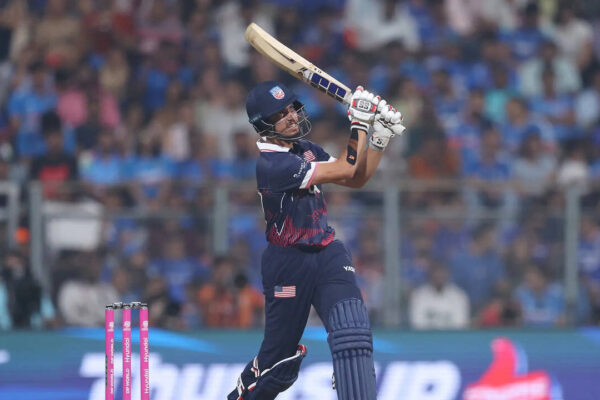
Sanjay Krishnamurthi of the United States bats during the T20 World Cup match against India at Wankhede Stadium in Mumbai. (Getty Images) TimesofIndia.com in Colombo: The first memory Satya Krishnamurthi returns to is not of a net session, a trophy, or a highlight-reel clip. It is a day at the M Chinnaswamy Stadium, sitting in…

Read More
‘If he pauses…’: R Ashwin’s fascinating advice to India before Usman Tariq test vs Pakistan

‘If he pauses…’: R Ashwin’s fascinating advice to India before Usman Tariq test vs Pakistan

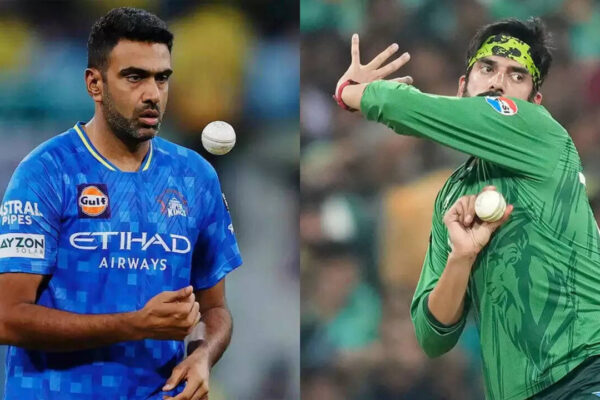
Ravichandran Ashwin and Usman Tariq NEW DELHI: Spin great Ravichandran Ashwin has offered a fascinating tactical blueprint for India’s batters ahead of the high-voltage T20 World Cup clash against Pakistan, suggesting they use the rules smartly while facing the unconventional action of mystery spinner Usman Tariq. With Tariq’s stop-and-pause delivery already sparking debates across the…

Read More
Budget 2026: Deepening domestic manufacturing capabilities, expanding global reach

Budget 2026: Deepening domestic manufacturing capabilities, expanding global reach

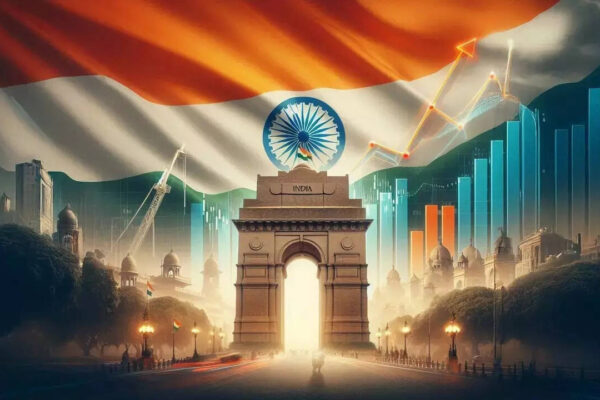
The Budget 2026 places manufacturing as a strategic and frontier sector for sustaining economic growth. (AI image) By Neetu VinayekIndia’s effort to strengthen its manufacturing foundation has steadily progressed over the past decade through a series of significant policy measures. A major milestone was the launch of the Make in India initiative in 2014, designed…

Read More
Telangana GPO recruitment 2026: Government announces 10,954 village level officer posts, notification soon

Telangana GPO recruitment 2026: Government announces 10,954 village level officer posts, notification soon

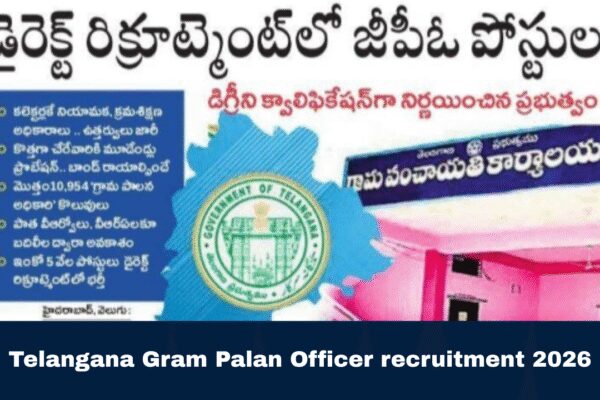
The Government of Telangana has announced a major recruitment drive for the post of Grama Palana Officer (GPO) in 2026. A total of 10,954 vacancies will be filled across the state. The detailed notification is expected to be released soon on the official portal. This recruitment is part of the state’s plan to strengthen village-level…

Read More