Bihar school timings changed due to cold wave? What students and parents should know

Bihar school timings changed due to cold wave? What students and parents should know

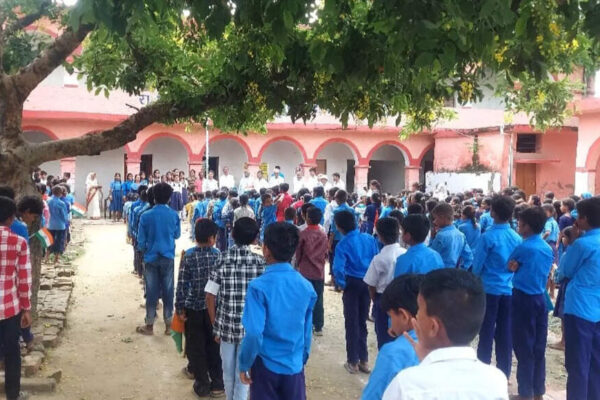
Bihar school timings changed due to cold wave In view of the prevailing cold wave conditions and a sustained drop in temperatures, the Patna District Administration has officially revised school timings to ensure the safety and well-being of students. The decision has been communicated through an official notice issued by the district authorities, bringing clarity…

Read More
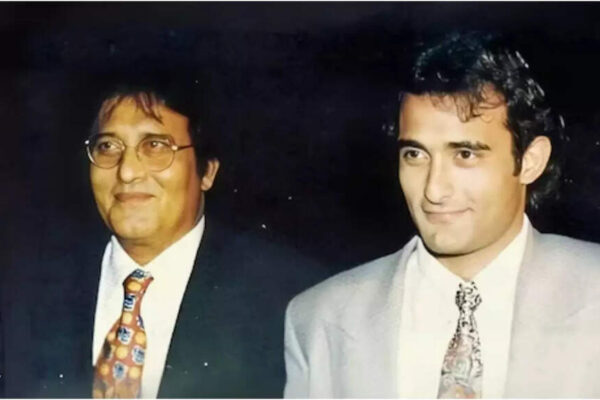
‘I don’t resemble my father’: When ‘Dhurandhar’ star Akshaye Khanna said he couldn’t play Vinod Khanna on screen

‘I don’t resemble my father’: When ‘Dhurandhar’ star Akshaye Khanna said he couldn’t play Vinod Khanna on screen

Akshaye Khanna once said he couldn’t portray his father Vinod Khanna in a biopic, noting, “I don’t look anywhere close to my father.” Calling real-life roles challenging and risky, he praised his father’s legendary career. Akshaye, known for ‘Dil Chahta Hai’ and ‘Ittefaq’, continues to impress with diverse roles. Akshaye Khanna feels there’s little physical…

Read More
Thane snakebite case: How cops unravelled woman’s death as murder after 3 years; husband, friends held

Thane snakebite case: How cops unravelled woman’s death as murder after 3 years; husband, friends held

THANE: Three years after a 37-year-old woman died from a snakebite in Badlapur, the police have arrested her husband and three of his friends and revealed a murder conspiracy behind what was initially recorded as an accidental death.The incident took place on July 10, 2022, in Ujjwaldeep Apartment, Badlapur East, where the victim, Nirja Amberkar,…

Read More
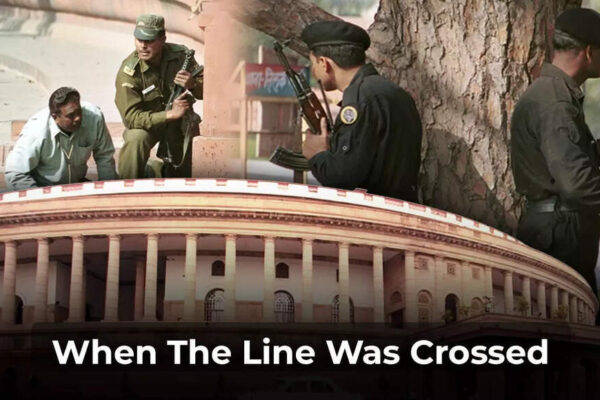
Terrorists attacked India’s Parliament on December 13, 2001. This event brought the threat of terrorism to the nation’s core. Security forces bravely fought back, preventing a greater crisis. The attack reshaped India’s security architecture, leading to enhanced surveillance and intelligence sharing. It remains a critical moment in India’s fight against terrorism. 24 years of 2001 Parliament attack On the afternoon of December 13, 2001, India witnessed a deadly assault on its democracy. A group of Pakistan-trained terrorists drove into the Parliament complex in a stolen white ambassador car and opened fire, leading to a gun battle that lasted nearly half an hour. For millions who watched the chaos unfolding live on television, the threat of terrorism suddenly felt far more real than ever before. For the first time, what had remained confined to the sarhad pushed its way to the very periphery of Sansad. It was a day that forced India to confront a question it had not asked so urgently until then. How vulnerable was the soul of Indian democracy?A military-precision strikeThe terrorists, armed with automatic rifles, grenades and explosives, moved with a precision that caught security personnel off guard. They had arrived in an ambassador fitted with a counterfeit home ministry sticker and Parliament labels, a deception that helped them pass through the initial barricades. White Ambassador Militants used to enter the Indian Parliament House kept aside inside the Parliament House, in New Delhi on December 13, 2013. (Photo: Times content.com)The suspicious movement of the beacon-fitted white car was first spotted by CRPF’s woman constable Kamlesh Kumari and Watch and Ward staff JP Yadav when it entered from the main gate on Parliament Street and started speeding. Both JP Yadav and Kamlesh Kumari ran from gate number 11 to stop it, only to fall to the bullets of the jihadists. Kumari was awarded the Ashok Chakra by the President for her valiant effort. The Ashok Chakra is India’s highest peacetime gallantry award given for exemplary courage and self-sacrifice away from the battlefield.After abandoning the car at gate 11, the terrorists ran towards gate number one, where head constable YB Thapa and constable Sukhvinder Singh, taking guard behind a pillar and a wall, fired at one of the terrorists, a fidayeen (suicide bomber), who blew himself up.Within minutes, the Parliament complex, typically defined by routine movement during the winter session, was transformed into a war-like zone. Gunfire crackled across the grounds. Smoke drifted through the corridors. Officers scrambled for cover as calls for reinforcements echoed across the compound. Security guards taking position with gun inside Indian Parliament buildings as there is a terror attack in the arena of the Parliament House, in New Delhi on December 13, 2001. (Photo: Times content.com)Realising they had triggered a full-blown response, the attackers scaled a wall near Gate 11, shed their civilian clothes and revealed olive-green fatigues. Each carried a Kalashnikov assault rifle, ammunition and several grenades.Gun battle at the Republic’s nerve centreSecurity forces reacted quickly. Personnel from the CRPF, Delhi Police and Parliament Security cordoned off the area and engaged the gunmen. A fierce gunfight erupted as the terrorists attempted to breach deeper into the complex.The confrontation lasted a little under thirty minutes but left an impact far beyond its duration. One terrorist detonated his suicide vest after being shot by security forces. The others were neutralised before they could enter the main building, where hundreds of Members of Parliament (MPs) were gathered. National Security Commandos stand guards and taking position with gun outside Indian parliament buildings as there is a terror attack in the arena of the Parliament House, in New Delhi on December 13, 2001. (Photo: Times content.com)By the end of the encounter, nine people had died, including six security personnel and gardener Desh Raj, who was caught in the sudden barrage of bullets, along with the five terrorists. Eighteen others were injured, among them twelve security personnel and a television cameraman who had been covering the events of the day. Delhi police commandos keep vigil outside the Indian parliament buildings as there is a terror attack inside the Parliament House, in New Delhi on December 13, 2001. (Photo: Times content.com)The bravery of the security teams prevented what could have escalated into an unprecedented constitutional crisis. Yet the proximity of the attack to the nation’s elected representatives exposed a terrifying reality. India’s most protected address had been penetrated with alarming ease!Who were the attackers?Investigations identified the attackers as Pakistani nationals linked to Hafiz Saeed’s Lashkar-e-Taiba (LeT) and Masood Azhar’s Jaish-e-Mohammed (JeM), two groups that Indian intelligence agencies and global counter-terror networks had already flagged as rising threats in the region.The five terrorists were Hamza, Haider, Rana, Raja and Mohammad, who were trained at the direction of Pakistan’s Inter-Services Intelligence (ISI).The attack was the outcome of a pact between JeM chief Maulana Masood Azhar and Zakir-ur-Rehman of LeT, the then Delhi Police commissioner Ajai Raj Sharma had said soon after the incident.Indian agencies found strong evidence suggesting that the assault was conceived as a symbolic attack meant to cripple India’s sovereignty. The attackers reportedly intended to storm the main building and take lawmakers hostage or kill them, an outcome that would have pushed the subcontinent into an extreme and unpredictable crisis.Conspiracy that stretched beyond attackersThe Delhi Police Special Cell took charge of the investigation. Within days, they traced the conspiracy to a network of handlers, facilitators and contacts in Delhi and Kashmir.Mohammed Afzal Guru emerged as the key figure who had arranged logistics for the attackers. He secured the car used in the attack, provided a safe house and coordinated communication between the terrorists and their handlers. His cousin, Shaukat Hussain Guru, along with Shaukat’s wife, Afsan Guru, were arrested for aiding elements of the plot. Delhi University lecturer SAR Geelani was also taken into custody but was later acquitted on appeal.Investigators recovered coded documents, explosives and communication devices from hideouts connected to the group. They also uncovered detailed reconnaissance notes that showed the terrorists had surveyed the Parliament complex days before the attack. A security Guards peeping inside the Indian parliament buildings through a wall as there is a terror attack inside the Parliament House, in New Delhi on December 13, 2001. (Photo: Times content.com)Afzal Guru was ultimately convicted and sentenced to death for his role as the main conspirator. After years of legal proceedings and political debate, he was executed in 2013.Operation Parakram: A military standoff The Parliament attack led to Operation Parakram, one of the largest military mobilisations on the India-Pakistan border since the 1971 war. Nearly half a million troops were deployed along the Line of Control (LoC) and the international border. The two nuclear-armed neighbours stood eyeball to eyeball for almost ten months. Photo: Generative AIIndia identified Pakistan’s Inter-Services Intelligence (ISI) as the force supporting the terror infrastructure behind the attack. Islamabad, however, denied the charges but faced intense global pressure to take action.General Pervez Musharraf, then Pakistan’s President, condemned terrorism publicly and, in a hogwash attempt, announced a ban on Lashkar-e-Taiba (LeT), Jaish-e-Mohammed (JeM) and other extremist organisations. Musharraf also promised reforms in madrassa regulation, which was, again, a load of baloney. A turning pointThe Parliament attack forced India to rethink its internal security architecture. Parliament received a massive overhaul in surveillance, access control and perimeter security. Agencies adopted more coordinated protocols, and several new counter-terror mechanisms were institutionalised.The attack also exposed weaknesses in intelligence sharing. A series of post-incident reviews led to reforms in how intelligence agencies exchanged information and monitored cross-border terror networks.India’s counter-terror approach became more centralised, structured and technologically driven in the years that followed.Parliament became one of the most heavily guarded zones in the country, with multi-layered access control, biometric passes, expanded CCTV coverage, permanent Quick Reaction Teams and strengthened perimeter checks. Security guards on the arms position with gun on the top of wall inside the Parliament House compound searching for terrorists during an suicide attack, in New Delhi on December 13, 2001. (Photo: Times content.com) Similar upgrades were carried out across other high-security government buildings, including the Seva Teerth (PMO) and Rashtrapati Bhavan. Intelligence-sharing mechanisms between the Intelligence Bureau, R&AW, Delhi Police and state agencies were streamlined to allow real-time information flow. Counter-terror units such as the Special Cell and the National Security Guard saw significant expansion in manpower, training and equipment, with greater emphasis on urban combat readiness, surveillance technology and coordinated response drills. Security forces received modernised weapons, protective gear and communication systems, while airports underwent rigorous audits and enhanced screening protocols to plug vulnerabilities exposed by past terror operations.The passage of the Prevention of Terrorism Act (POTA) in 2002 strengthened the legal framework for tackling terror networks and handling terror-related evidence. VIP protection protocols were revised, with tighter security during Parliament sessions and dedicated commando teams for ministers.A legal and political aftermath In 2002, a designated POTA court convicted Afzal Guru of conspiracy and waging war against the nation, holding that the attack could not have been executed without his support, even though he was not part of the armed assault inside Parliament. He was sentenced to death. The same court convicted his cousin, Shaukat Hussain Guru, but acquitted Afsan Guru and SAR Geelani due to the lack of evidence.The Delhi high court upheld Afzal Guru’s death sentence in 2003. In 2005, the Supreme Court confirmed the conviction and sentence, ruling that the chain of circumstantial evidence proved his role in the conspiracy and that the case met the “rarest of rare” standard. Mohd Afzal Guru, the prime accused in the Parliament attack case immediately after getting death sentence from a trial court in Delhi on December 16, 2002.Afzal Guru filed a mercy petition with the President APJ Abdul Kalam in 2006. After prolonged delay, the petition was rejected in February 2013. He was executed by hanging at Tihar Jail on February 9, 2013, ending one of India’s most closely scrutinised terror-related legal cases.The execution immediately triggered political reactions across the spectrum over the prolonged delay in carrying out the sentence. While the Congress-led United Progressive Alliance (UPA) government maintained that the hanging followed due legal process, the then home minister Sushil Kumar Shinde said all legal and constitutional procedures had been exhausted. Congress spokesperson Rashid Alvi also stated that the law had taken its course and urged against politicising the execution.The Bharatiya Janata Party (BJP) welcomed the execution but criticised the government for not acting sooner despite the Supreme Court’s 2005 verdict. Senior BJP leader Arun Jaitley described the hanging as “delayed justice,” while then Gujarat chief minister Narendra Modi said it was “better late than never,” questioning why the sentence had remained pending for years.Moment that reshaped securityThe Parliament attack is not just an event in the archives of India’s national security history. It is a reference point that continues to influence how India perceives, prepares for and responds to terror threats.Every major terror alert, every security drill at critical installations, and every diplomatic exchange with Pakistan carries, somewhere beneath the surface, the weight of December 13, 2001.It remains a reminder of how close India came to a catastrophe that could have altered the country’s constitutional and democratic fabric. It also stands as a testament to the security personnel who prevented that outcome, often at the cost of their own lives.Why the attack still matters todayFor a generation born after 2001, the Parliament attack may seem like a distant chapter in history. But the recent terror strike in Delhi, after more than a decade, abruptly rekindled that memory, revealing how deeply such attacks have shaped India’s sense of vulnerability, its security framework and its public consciousness.  Officers from various security agencies investigate the spot after a blast occurred in a parked car near Red Fort, leaving multiple vehicles in flames, in New Delhi. (PTI photo)On the evening of November 10, horror pierced through the heart of the Capital. Delhiites followed the development with nerves stretched thin and bated breath as fear surged through the collective memory. Fear that revived chilling reminders of the years when a palpable dread lived rent-free in the subconscious of every citizen, particularly those in metros.The terror incident in the heart of the Rajdhaanireopened old wounds from the past, with the attack on Parliament, which is around 6.5 km away from the Red Fort, being the first thought to resurface for many.End of ArticleFollow Us On Social MediaVideos‘Namaste Trump’ Era Is Over As India–US Relations Turn Fragile Over Tariffs, Says Jairam RameshHouse Democrats Push To Scrap Donald Trump’s India Tariffs As Congress Challenges Emergency PowersMessi’s Kolkata Visit Turns Chaotic As Angry Fans Vandalise Banners At Salt Lake Stadium’PM Not Always Wrong’: Ex-Congress Leader Ashwani Kumar, Calls Party Revival A National ObligationAction Over Rhetoric: CDS Anil Chauhan Sends A Calm But Clear Signal To Pakistan Amid Op SindoorWhen Optics Fail: Top Five Global Moments That Turned Pakistan PM Shehbaz Sharif Into A Meme’No Free Lift For India’: PM Modi’s Chief Economic Adviser Says China Won’t Repeat West’s MistakeMessi Lands In Kolkata At 2.26am, City Erupts As GOAT India Tour Sparks Midnight Frenzy Scenes Now!’No Place For Tukde Tukde Slogans’: RSS Chief Mohan Bhagwat Warns Against Divisive Language In IndiaIndia Speeds Up Visas For Chinese Businesses Amid Thaw In Ties; Beijing Calls It ‘Positive Move’123Photostories5 reasons why ‘Made-in-India’ sneakers are having a momentWhat your dad secretly taught you about lifeYour hidden spiritual gift revealed… based on your date of birthLonger locals, more relief: Western Railway begins work to extend 15-car locals up to Bandra7 Brilliant leftover rice recipes that are a must tryBanarasi beauty to modern touch: ‘Bigg Boss 19’ Tanya Mittal’s top 7 saree looksDelhi Metro begins construction on Golden Line’s Saket–Lajpat corridor – India’s 1st 3-coach routeLife Lessons You Can Learn From Lord Ganesha According To Your Birth DateThe unluckiest film title in Bollywood history: How one name triggered flops, career crashes, and chaosWhat your energy attracts when you’re tired, angry or hopeful123Hot PicksMukesh Ambani vs Gautam AdaniDonald TrumpAnurag ThakurGold rate todaySilver rate todayPublic Holidays NovemberBank Holidays NovemberTop TrendingSherrone MooreKell MooreH1B Fee HikeWho is Mia SoretyWho is Jeff ShiverNick FuentesDaniel JonesMeghan MarkleShehbaz SharifPaige Shiver Net Worth

Terrorists attacked India’s Parliament on December 13, 2001. This event brought the threat of terrorism to the nation’s core. Security forces bravely fought back, preventing a greater crisis. The attack reshaped India’s security architecture, leading to enhanced surveillance and intelligence sharing. It remains a critical moment in India’s fight against terrorism. 24 years of 2001 Parliament attack On the afternoon of December 13, 2001, India witnessed a deadly assault on its democracy. A group of Pakistan-trained terrorists drove into the Parliament complex in a stolen white ambassador car and opened fire, leading to a gun battle that lasted nearly half an hour. For millions who watched the chaos unfolding live on television, the threat of terrorism suddenly felt far more real than ever before. For the first time, what had remained confined to the sarhad pushed its way to the very periphery of Sansad. It was a day that forced India to confront a question it had not asked so urgently until then. How vulnerable was the soul of Indian democracy?A military-precision strikeThe terrorists, armed with automatic rifles, grenades and explosives, moved with a precision that caught security personnel off guard. They had arrived in an ambassador fitted with a counterfeit home ministry sticker and Parliament labels, a deception that helped them pass through the initial barricades. White Ambassador Militants used to enter the Indian Parliament House kept aside inside the Parliament House, in New Delhi on December 13, 2013. (Photo: Times content.com)The suspicious movement of the beacon-fitted white car was first spotted by CRPF’s woman constable Kamlesh Kumari and Watch and Ward staff JP Yadav when it entered from the main gate on Parliament Street and started speeding. Both JP Yadav and Kamlesh Kumari ran from gate number 11 to stop it, only to fall to the bullets of the jihadists. Kumari was awarded the Ashok Chakra by the President for her valiant effort. The Ashok Chakra is India’s highest peacetime gallantry award given for exemplary courage and self-sacrifice away from the battlefield.After abandoning the car at gate 11, the terrorists ran towards gate number one, where head constable YB Thapa and constable Sukhvinder Singh, taking guard behind a pillar and a wall, fired at one of the terrorists, a fidayeen (suicide bomber), who blew himself up.Within minutes, the Parliament complex, typically defined by routine movement during the winter session, was transformed into a war-like zone. Gunfire crackled across the grounds. Smoke drifted through the corridors. Officers scrambled for cover as calls for reinforcements echoed across the compound. Security guards taking position with gun inside Indian Parliament buildings as there is a terror attack in the arena of the Parliament House, in New Delhi on December 13, 2001. (Photo: Times content.com)Realising they had triggered a full-blown response, the attackers scaled a wall near Gate 11, shed their civilian clothes and revealed olive-green fatigues. Each carried a Kalashnikov assault rifle, ammunition and several grenades.Gun battle at the Republic’s nerve centreSecurity forces reacted quickly. Personnel from the CRPF, Delhi Police and Parliament Security cordoned off the area and engaged the gunmen. A fierce gunfight erupted as the terrorists attempted to breach deeper into the complex.The confrontation lasted a little under thirty minutes but left an impact far beyond its duration. One terrorist detonated his suicide vest after being shot by security forces. The others were neutralised before they could enter the main building, where hundreds of Members of Parliament (MPs) were gathered. National Security Commandos stand guards and taking position with gun outside Indian parliament buildings as there is a terror attack in the arena of the Parliament House, in New Delhi on December 13, 2001. (Photo: Times content.com)By the end of the encounter, nine people had died, including six security personnel and gardener Desh Raj, who was caught in the sudden barrage of bullets, along with the five terrorists. Eighteen others were injured, among them twelve security personnel and a television cameraman who had been covering the events of the day. Delhi police commandos keep vigil outside the Indian parliament buildings as there is a terror attack inside the Parliament House, in New Delhi on December 13, 2001. (Photo: Times content.com)The bravery of the security teams prevented what could have escalated into an unprecedented constitutional crisis. Yet the proximity of the attack to the nation’s elected representatives exposed a terrifying reality. India’s most protected address had been penetrated with alarming ease!Who were the attackers?Investigations identified the attackers as Pakistani nationals linked to Hafiz Saeed’s Lashkar-e-Taiba (LeT) and Masood Azhar’s Jaish-e-Mohammed (JeM), two groups that Indian intelligence agencies and global counter-terror networks had already flagged as rising threats in the region.The five terrorists were Hamza, Haider, Rana, Raja and Mohammad, who were trained at the direction of Pakistan’s Inter-Services Intelligence (ISI).The attack was the outcome of a pact between JeM chief Maulana Masood Azhar and Zakir-ur-Rehman of LeT, the then Delhi Police commissioner Ajai Raj Sharma had said soon after the incident.Indian agencies found strong evidence suggesting that the assault was conceived as a symbolic attack meant to cripple India’s sovereignty. The attackers reportedly intended to storm the main building and take lawmakers hostage or kill them, an outcome that would have pushed the subcontinent into an extreme and unpredictable crisis.Conspiracy that stretched beyond attackersThe Delhi Police Special Cell took charge of the investigation. Within days, they traced the conspiracy to a network of handlers, facilitators and contacts in Delhi and Kashmir.Mohammed Afzal Guru emerged as the key figure who had arranged logistics for the attackers. He secured the car used in the attack, provided a safe house and coordinated communication between the terrorists and their handlers. His cousin, Shaukat Hussain Guru, along with Shaukat’s wife, Afsan Guru, were arrested for aiding elements of the plot. Delhi University lecturer SAR Geelani was also taken into custody but was later acquitted on appeal.Investigators recovered coded documents, explosives and communication devices from hideouts connected to the group. They also uncovered detailed reconnaissance notes that showed the terrorists had surveyed the Parliament complex days before the attack. A security Guards peeping inside the Indian parliament buildings through a wall as there is a terror attack inside the Parliament House, in New Delhi on December 13, 2001. (Photo: Times content.com)Afzal Guru was ultimately convicted and sentenced to death for his role as the main conspirator. After years of legal proceedings and political debate, he was executed in 2013.Operation Parakram: A military standoff The Parliament attack led to Operation Parakram, one of the largest military mobilisations on the India-Pakistan border since the 1971 war. Nearly half a million troops were deployed along the Line of Control (LoC) and the international border. The two nuclear-armed neighbours stood eyeball to eyeball for almost ten months. Photo: Generative AIIndia identified Pakistan’s Inter-Services Intelligence (ISI) as the force supporting the terror infrastructure behind the attack. Islamabad, however, denied the charges but faced intense global pressure to take action.General Pervez Musharraf, then Pakistan’s President, condemned terrorism publicly and, in a hogwash attempt, announced a ban on Lashkar-e-Taiba (LeT), Jaish-e-Mohammed (JeM) and other extremist organisations. Musharraf also promised reforms in madrassa regulation, which was, again, a load of baloney. A turning pointThe Parliament attack forced India to rethink its internal security architecture. Parliament received a massive overhaul in surveillance, access control and perimeter security. Agencies adopted more coordinated protocols, and several new counter-terror mechanisms were institutionalised.The attack also exposed weaknesses in intelligence sharing. A series of post-incident reviews led to reforms in how intelligence agencies exchanged information and monitored cross-border terror networks.India’s counter-terror approach became more centralised, structured and technologically driven in the years that followed.Parliament became one of the most heavily guarded zones in the country, with multi-layered access control, biometric passes, expanded CCTV coverage, permanent Quick Reaction Teams and strengthened perimeter checks. Security guards on the arms position with gun on the top of wall inside the Parliament House compound searching for terrorists during an suicide attack, in New Delhi on December 13, 2001. (Photo: Times content.com) Similar upgrades were carried out across other high-security government buildings, including the Seva Teerth (PMO) and Rashtrapati Bhavan. Intelligence-sharing mechanisms between the Intelligence Bureau, R&AW, Delhi Police and state agencies were streamlined to allow real-time information flow. Counter-terror units such as the Special Cell and the National Security Guard saw significant expansion in manpower, training and equipment, with greater emphasis on urban combat readiness, surveillance technology and coordinated response drills. Security forces received modernised weapons, protective gear and communication systems, while airports underwent rigorous audits and enhanced screening protocols to plug vulnerabilities exposed by past terror operations.The passage of the Prevention of Terrorism Act (POTA) in 2002 strengthened the legal framework for tackling terror networks and handling terror-related evidence. VIP protection protocols were revised, with tighter security during Parliament sessions and dedicated commando teams for ministers.A legal and political aftermath In 2002, a designated POTA court convicted Afzal Guru of conspiracy and waging war against the nation, holding that the attack could not have been executed without his support, even though he was not part of the armed assault inside Parliament. He was sentenced to death. The same court convicted his cousin, Shaukat Hussain Guru, but acquitted Afsan Guru and SAR Geelani due to the lack of evidence.The Delhi high court upheld Afzal Guru’s death sentence in 2003. In 2005, the Supreme Court confirmed the conviction and sentence, ruling that the chain of circumstantial evidence proved his role in the conspiracy and that the case met the “rarest of rare” standard. Mohd Afzal Guru, the prime accused in the Parliament attack case immediately after getting death sentence from a trial court in Delhi on December 16, 2002.Afzal Guru filed a mercy petition with the President APJ Abdul Kalam in 2006. After prolonged delay, the petition was rejected in February 2013. He was executed by hanging at Tihar Jail on February 9, 2013, ending one of India’s most closely scrutinised terror-related legal cases.The execution immediately triggered political reactions across the spectrum over the prolonged delay in carrying out the sentence. While the Congress-led United Progressive Alliance (UPA) government maintained that the hanging followed due legal process, the then home minister Sushil Kumar Shinde said all legal and constitutional procedures had been exhausted. Congress spokesperson Rashid Alvi also stated that the law had taken its course and urged against politicising the execution.The Bharatiya Janata Party (BJP) welcomed the execution but criticised the government for not acting sooner despite the Supreme Court’s 2005 verdict. Senior BJP leader Arun Jaitley described the hanging as “delayed justice,” while then Gujarat chief minister Narendra Modi said it was “better late than never,” questioning why the sentence had remained pending for years.Moment that reshaped securityThe Parliament attack is not just an event in the archives of India’s national security history. It is a reference point that continues to influence how India perceives, prepares for and responds to terror threats.Every major terror alert, every security drill at critical installations, and every diplomatic exchange with Pakistan carries, somewhere beneath the surface, the weight of December 13, 2001.It remains a reminder of how close India came to a catastrophe that could have altered the country’s constitutional and democratic fabric. It also stands as a testament to the security personnel who prevented that outcome, often at the cost of their own lives.Why the attack still matters todayFor a generation born after 2001, the Parliament attack may seem like a distant chapter in history. But the recent terror strike in Delhi, after more than a decade, abruptly rekindled that memory, revealing how deeply such attacks have shaped India’s sense of vulnerability, its security framework and its public consciousness. Officers from various security agencies investigate the spot after a blast occurred in a parked car near Red Fort, leaving multiple vehicles in flames, in New Delhi. (PTI photo)On the evening of November 10, horror pierced through the heart of the Capital. Delhiites followed the development with nerves stretched thin and bated breath as fear surged through the collective memory. Fear that revived chilling reminders of the years when a palpable dread lived rent-free in the subconscious of every citizen, particularly those in metros.The terror incident in the heart of the Rajdhaanireopened old wounds from the past, with the attack on Parliament, which is around 6.5 km away from the Red Fort, being the first thought to resurface for many.End of ArticleFollow Us On Social MediaVideos‘Namaste Trump’ Era Is Over As India–US Relations Turn Fragile Over Tariffs, Says Jairam RameshHouse Democrats Push To Scrap Donald Trump’s India Tariffs As Congress Challenges Emergency PowersMessi’s Kolkata Visit Turns Chaotic As Angry Fans Vandalise Banners At Salt Lake Stadium’PM Not Always Wrong’: Ex-Congress Leader Ashwani Kumar, Calls Party Revival A National ObligationAction Over Rhetoric: CDS Anil Chauhan Sends A Calm But Clear Signal To Pakistan Amid Op SindoorWhen Optics Fail: Top Five Global Moments That Turned Pakistan PM Shehbaz Sharif Into A Meme’No Free Lift For India’: PM Modi’s Chief Economic Adviser Says China Won’t Repeat West’s MistakeMessi Lands In Kolkata At 2.26am, City Erupts As GOAT India Tour Sparks Midnight Frenzy Scenes Now!’No Place For Tukde Tukde Slogans’: RSS Chief Mohan Bhagwat Warns Against Divisive Language In IndiaIndia Speeds Up Visas For Chinese Businesses Amid Thaw In Ties; Beijing Calls It ‘Positive Move’123Photostories5 reasons why ‘Made-in-India’ sneakers are having a momentWhat your dad secretly taught you about lifeYour hidden spiritual gift revealed… based on your date of birthLonger locals, more relief: Western Railway begins work to extend 15-car locals up to Bandra7 Brilliant leftover rice recipes that are a must tryBanarasi beauty to modern touch: ‘Bigg Boss 19’ Tanya Mittal’s top 7 saree looksDelhi Metro begins construction on Golden Line’s Saket–Lajpat corridor – India’s 1st 3-coach routeLife Lessons You Can Learn From Lord Ganesha According To Your Birth DateThe unluckiest film title in Bollywood history: How one name triggered flops, career crashes, and chaosWhat your energy attracts when you’re tired, angry or hopeful123Hot PicksMukesh Ambani vs Gautam AdaniDonald TrumpAnurag ThakurGold rate todaySilver rate todayPublic Holidays NovemberBank Holidays NovemberTop TrendingSherrone MooreKell MooreH1B Fee HikeWho is Mia SoretyWho is Jeff ShiverNick FuentesDaniel JonesMeghan MarkleShehbaz SharifPaige Shiver Net Worth

24 years of 2001 Parliament attack On the afternoon of December 13, 2001, India witnessed a deadly assault on its democracy. A group of Pakistan-trained terrorists drove into the Parliament complex in a stolen white ambassador car and opened fire, leading to a gun battle that lasted nearly half an hour. For millions who watched…

Read More
Smriti Mandhana shares emotional message for skipper Harmanpreet Kaur — WATCH

Smriti Mandhana shares emotional message for skipper Harmanpreet Kaur — WATCH

Smriti Mandhana and Harmanpreet Kaur (Image credit: BCCI Women) NEW DELHI: India vice-captain Smriti Mandhana extended her congratulations to skipper Harmanpreet Kaur after the Punjab Cricket Association (PCA) named a stand in her honour at the Maharaja Yadavindra Singh International Cricket Stadium on Thursday. Two new stands were unveiled at the venue, with the second…

Read More
50% tariff shock: India in touch with Mexico over ‘unilateral’ move; aim for ‘stable and balanced trade environment’

50% tariff shock: India in touch with Mexico over ‘unilateral’ move; aim for ‘stable and balanced trade environment’

As India reels amid steep tariff hike by Mexico, ranging up to 50 per cent, an official said New Delhi is actively engaging with Mexican authorities over what it views as a “unilateral” move to raise duties on a wide range of products. The discussions, the official said, are aimed at finding solutions beneficial to…

Read More
Suryadatta Institute of Scientific Research survey: Teens want Smart, not excessive, screen

Suryadatta Institute of Scientific Research survey: Teens want Smart, not excessive, screen

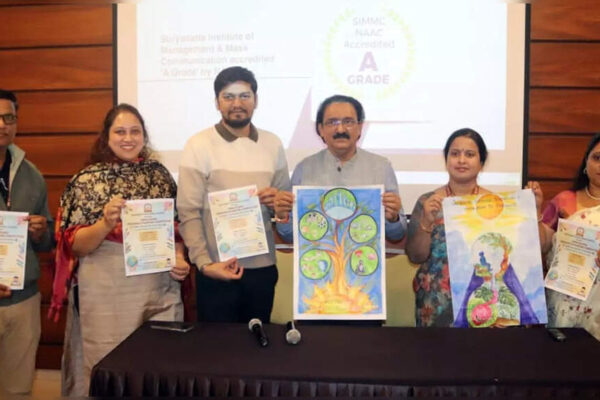
Suryadatta Institute of Scientific Research Survey Pune: A new survey by the Suryadatta Education Foundation’s Suryadatta Institute of Scientific Research has found that while teenagers are increasingly dependent on mobile phones for learning and information, many are simultaneously worried about the distractions caused by excessive screen time. The large-scale study, conducted among 2,700 students aged…

Read More
‘Dhurandhar’ box office collections day 9 (Live): Ranveer Singh’s film stays strong; Crosses Rs 255 crore mark; Occupancy remains healthy | Hindi Movie News

‘Dhurandhar’ box office collections day 9 (Live): Ranveer Singh’s film stays strong; Crosses Rs 255 crore mark; Occupancy remains healthy | Hindi Movie News

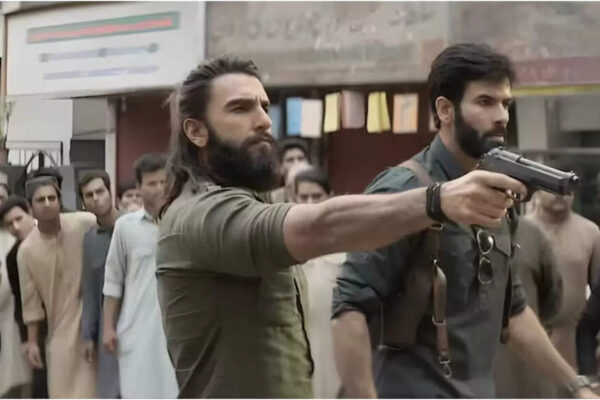
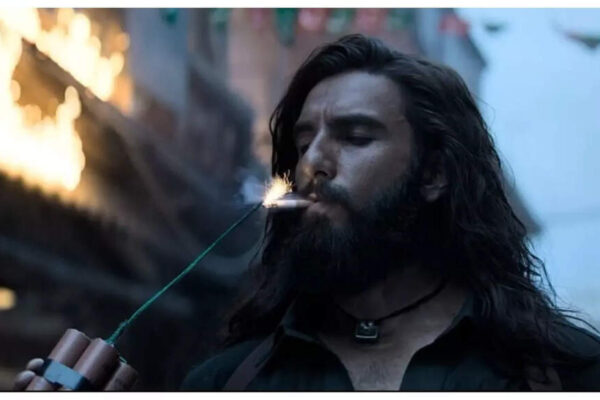
Ranveer Singh’s ‘Dhurandhar’ is a box office hit, crossing ₹255 crore by its ninth day. Director Rohit Shetty lauded the film as ‘naya Hindi cinema.’ The movie boasts a strong ensemble cast and has garnered significant audience appreciation, particularly for Ranveer’s intense portrayal and Akshaye Khanna’s memorable introduction. Ranveer Singh’s ‘Dhurandhar’ continues its impressive box…

Read More
Aries, Weekly Horoscope, December 14 to December 20,  2025: Week of emotional shifts and unexpected opportunities

Aries, Weekly Horoscope, December 14 to December 20, 2025: Week of emotional shifts and unexpected opportunities

The week opens with mixed energies for Aries natives. The first few days are marked by emotional ups and downs, and you may find yourself juggling several personal and professional matters simultaneously. Support from your spouse or close partner will be a bright spot, offering comfort amid daily stressors. As the week progresses, legal matters…

Read More
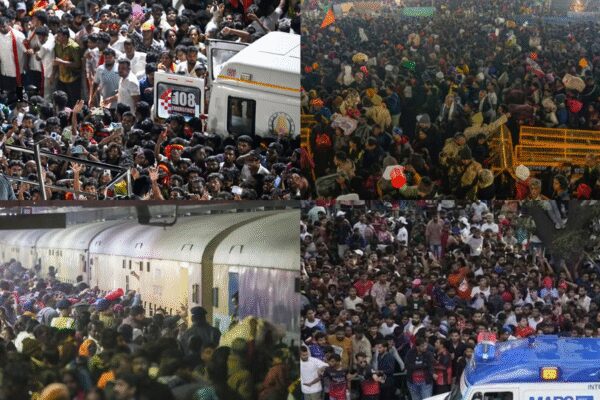
Chaos, screams and collapse: 8 stampedes, 127 dead — The anatomy of India’s crowd tragedies in 2025

Chaos, screams and collapse: 8 stampedes, 127 dead — The anatomy of India’s crowd tragedies in 2025

India witnessed a tragic year in 2025 with eight stampedes across various public gatherings, claiming 127 lives NEW DELHI: Chaos, screams and desperate struggles for space have marked India’s major public gatherings in 2025. From temples and festivals to railway stations, political rallies, and sporting celebrations, narrow pathways, overcrowding, and insufficient planning turned moments of…

Read More
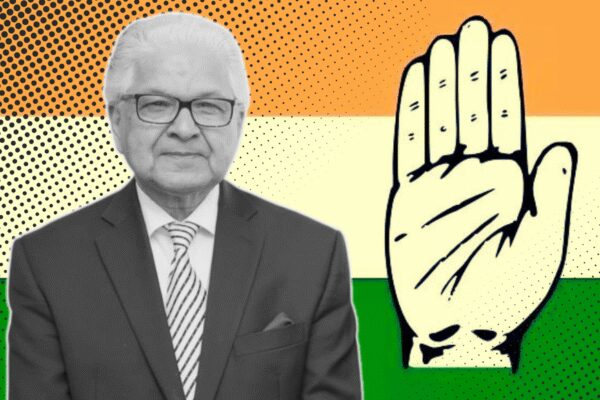
NEW DELHI: Former Union minister and ex-Congress leader Ashwani Kumar claimed that there could not be an effective opposition than Congress, however, the party has “somewhere lost ground.” He also emphasised that he does not believe in the idea that any Prime Minister will do “everything wrong.”“The impression that this regime does everything wrong, that this prime minister does everything wrong, is also not correct,” he said. ‘PM Not Always Wrong’: Ex-Congress Leader Ashwani Kumar, Calls Party Revival A National Obligation Kumar, at the launch of his book ‘Guardians of the Republic’, also highlighted ex-Prime Minister Manmohan Singh’s leadership represented magnanimity, which is an important trait for a democratic leader.”You need not the narrowness of mind, but the largeness of spirit, the magnanimity of the heart. That is the quality of leadership which Manmohan Singh represented. And that is the leadership that Jawaharlal Nehru represented,” Ashwani Kumar said.Positioning the Congress as central to India’s democratic balance, Kumar said the party retains influence across the country but has “somewhere lost ground.””Congress is a great party, and there cannot be an effective opposition in the country without it. That is a certainty. It still has its influence across the country. But yes, somewhere it has lost ground,” Kumar said.He argued that the party must strengthen itself through introspection rather than blaming opponents, adding that the BJP has “no obligation” to help the Congress regain its footing.”It must look inward for the weaknesses rather than finding fault with the opposition parties. Congress will have to strengthen itself from within by looking inwards, by introspecting. For example, Rahul Gandhi, his heart is in the right place. He is an idealist. He speaks for the poor. And I like that. But somewhere, the messaging of the Congress has gone wrong. I don’t know. I cannot comment,” Kumar said.He also voiced strong regard for the Congress’s ideological orientation and the current leadership in the party.”I still have the greatest regard for the Congress party for its ideological orientation. I have great respect even for its present leaders. I may have left the party, but I have the highest personal respect for Sonia Gandhi for unfailingly maintaining civility and decency in public life,” Kumar said, “In my long, personal association with her, I never found her to be arrogant. She has strong views. She has strong likes and dislikes. That I can concede.”Kumar further went on to add his appreciation for Sonia Gandhi for choosing Dr Manmohan Singh as the prime minister.”But she represents dignity and civility in public life. And I must give her one final and ultimate credit. When there were so many people among whom she could choose to be a Prime Minister, she chose Manmohan Singh for his civility and dignity,” Kumar said.Talking about the book Kumar said the book engages with constitutional questions around democracy, human dignity and human rights, and explores liberty, equality and justice in everyday life.About the AuthorTOI News DeskThe TOI News Desk comprises a dedicated and tireless team of journalists who operate around the clock to deliver the most current and comprehensive news and updates to the readers of The Times of India worldwide. With an unwavering commitment to excellence in journalism, our team is at the forefront of gathering, verifying, and presenting breaking news, in-depth analysis, and insightful reports on a wide range of topics. The TOI News Desk is your trusted source for staying informed and connected to the ever-evolving global landscape, ensuring that our readers are equipped with the latest developments that matter most.”Read MoreEnd of ArticleFollow Us On Social MediaVideosHouse Democrats Push To Scrap Donald Trump’s India Tariffs As Congress Challenges Emergency PowersMessi’s Kolkata Visit Turns Chaotic As Angry Fans Vandalise Banners At Salt Lake Stadium’PM Not Always Wrong’: Ex-Congress Leader Ashwani Kumar, Calls Party Revival A National ObligationAction Over Rhetoric: CDS Anil Chauhan Sends A Calm But Clear Signal To Pakistan Amid Op SindoorWhen Optics Fail: Top Five Global Moments That Turned Pakistan PM Shehbaz Sharif Into A Meme’No Free Lift For India’: PM Modi’s Chief Economic Adviser Says China Won’t Repeat West’s MistakeMessi Lands In Kolkata At 2.26am, City Erupts As GOAT India Tour Sparks Midnight Frenzy Scenes Now!’No Place For Tukde Tukde Slogans’: RSS Chief Mohan Bhagwat Warns Against Divisive Language In IndiaIndia Speeds Up Visas For Chinese Businesses Amid Thaw In Ties; Beijing Calls It ‘Positive Move’India’s Ambassador To UNESCO Hails Inscription Of Diwali On Intangible Cultural Heritage List123PhotostoriesYour hidden spiritual gift revealed… based on your date of birthLonger locals, more relief: Western Railway begins work to extend 15-car locals up to Bandra7 Brilliant leftover rice recipes that are a must tryDelhi Metro begins construction on Golden Line’s Saket–Lajpat corridor – India’s 1st 3-coach routeLife Lessons You Can Learn From Lord Ganesha According To Your Birth DateThe unluckiest film title in Bollywood history: How one name triggered flops, career crashes, and chaosWhat your energy attracts when you’re tired, angry or hopefulNot just blood in urine: 4 warning signs of prostate cancer you should not ignoreTop dog breeds that are perfect for kidsFrom ‘Kaantha’ to ‘F1: The Movie’: Latest OTT releases to watch this weekend123Hot PicksMukesh Ambani vs Gautam AdaniDonald TrumpAnurag ThakurGold rate todaySilver rate todayPublic Holidays NovemberBank Holidays NovemberTop TrendingSherrone MooreKell MooreH1B Fee HikeWho is Mia SoretyWho is Jeff ShiverNick FuentesDaniel JonesMeghan MarkleShehbaz SharifPaige Shiver Net Worth

NEW DELHI: Former Union minister and ex-Congress leader Ashwani Kumar claimed that there could not be an effective opposition than Congress, however, the party has “somewhere lost ground.” He also emphasised that he does not believe in the idea that any Prime Minister will do “everything wrong.”“The impression that this regime does everything wrong, that this prime minister does everything wrong, is also not correct,” he said. ‘PM Not Always Wrong’: Ex-Congress Leader Ashwani Kumar, Calls Party Revival A National Obligation Kumar, at the launch of his book ‘Guardians of the Republic’, also highlighted ex-Prime Minister Manmohan Singh’s leadership represented magnanimity, which is an important trait for a democratic leader.”You need not the narrowness of mind, but the largeness of spirit, the magnanimity of the heart. That is the quality of leadership which Manmohan Singh represented. And that is the leadership that Jawaharlal Nehru represented,” Ashwani Kumar said.Positioning the Congress as central to India’s democratic balance, Kumar said the party retains influence across the country but has “somewhere lost ground.””Congress is a great party, and there cannot be an effective opposition in the country without it. That is a certainty. It still has its influence across the country. But yes, somewhere it has lost ground,” Kumar said.He argued that the party must strengthen itself through introspection rather than blaming opponents, adding that the BJP has “no obligation” to help the Congress regain its footing.”It must look inward for the weaknesses rather than finding fault with the opposition parties. Congress will have to strengthen itself from within by looking inwards, by introspecting. For example, Rahul Gandhi, his heart is in the right place. He is an idealist. He speaks for the poor. And I like that. But somewhere, the messaging of the Congress has gone wrong. I don’t know. I cannot comment,” Kumar said.He also voiced strong regard for the Congress’s ideological orientation and the current leadership in the party.”I still have the greatest regard for the Congress party for its ideological orientation. I have great respect even for its present leaders. I may have left the party, but I have the highest personal respect for Sonia Gandhi for unfailingly maintaining civility and decency in public life,” Kumar said, “In my long, personal association with her, I never found her to be arrogant. She has strong views. She has strong likes and dislikes. That I can concede.”Kumar further went on to add his appreciation for Sonia Gandhi for choosing Dr Manmohan Singh as the prime minister.”But she represents dignity and civility in public life. And I must give her one final and ultimate credit. When there were so many people among whom she could choose to be a Prime Minister, she chose Manmohan Singh for his civility and dignity,” Kumar said.Talking about the book Kumar said the book engages with constitutional questions around democracy, human dignity and human rights, and explores liberty, equality and justice in everyday life.About the AuthorTOI News DeskThe TOI News Desk comprises a dedicated and tireless team of journalists who operate around the clock to deliver the most current and comprehensive news and updates to the readers of The Times of India worldwide. With an unwavering commitment to excellence in journalism, our team is at the forefront of gathering, verifying, and presenting breaking news, in-depth analysis, and insightful reports on a wide range of topics. The TOI News Desk is your trusted source for staying informed and connected to the ever-evolving global landscape, ensuring that our readers are equipped with the latest developments that matter most.”Read MoreEnd of ArticleFollow Us On Social MediaVideosHouse Democrats Push To Scrap Donald Trump’s India Tariffs As Congress Challenges Emergency PowersMessi’s Kolkata Visit Turns Chaotic As Angry Fans Vandalise Banners At Salt Lake Stadium’PM Not Always Wrong’: Ex-Congress Leader Ashwani Kumar, Calls Party Revival A National ObligationAction Over Rhetoric: CDS Anil Chauhan Sends A Calm But Clear Signal To Pakistan Amid Op SindoorWhen Optics Fail: Top Five Global Moments That Turned Pakistan PM Shehbaz Sharif Into A Meme’No Free Lift For India’: PM Modi’s Chief Economic Adviser Says China Won’t Repeat West’s MistakeMessi Lands In Kolkata At 2.26am, City Erupts As GOAT India Tour Sparks Midnight Frenzy Scenes Now!’No Place For Tukde Tukde Slogans’: RSS Chief Mohan Bhagwat Warns Against Divisive Language In IndiaIndia Speeds Up Visas For Chinese Businesses Amid Thaw In Ties; Beijing Calls It ‘Positive Move’India’s Ambassador To UNESCO Hails Inscription Of Diwali On Intangible Cultural Heritage List123PhotostoriesYour hidden spiritual gift revealed… based on your date of birthLonger locals, more relief: Western Railway begins work to extend 15-car locals up to Bandra7 Brilliant leftover rice recipes that are a must tryDelhi Metro begins construction on Golden Line’s Saket–Lajpat corridor – India’s 1st 3-coach routeLife Lessons You Can Learn From Lord Ganesha According To Your Birth DateThe unluckiest film title in Bollywood history: How one name triggered flops, career crashes, and chaosWhat your energy attracts when you’re tired, angry or hopefulNot just blood in urine: 4 warning signs of prostate cancer you should not ignoreTop dog breeds that are perfect for kidsFrom ‘Kaantha’ to ‘F1: The Movie’: Latest OTT releases to watch this weekend123Hot PicksMukesh Ambani vs Gautam AdaniDonald TrumpAnurag ThakurGold rate todaySilver rate todayPublic Holidays NovemberBank Holidays NovemberTop TrendingSherrone MooreKell MooreH1B Fee HikeWho is Mia SoretyWho is Jeff ShiverNick FuentesDaniel JonesMeghan MarkleShehbaz SharifPaige Shiver Net Worth

NEW DELHI: Former Union minister and ex-Congress leader Ashwani Kumar claimed that there could not be an effective opposition than Congress, however, the party has “somewhere lost ground.” He also emphasised that he does not believe in the idea that any Prime Minister will do “everything wrong.”“The impression that this regime does everything wrong, that…

Read More
Updated: Dec 13, 2025, 15:44 IST

Updated: Dec 13, 2025, 15:44 IST

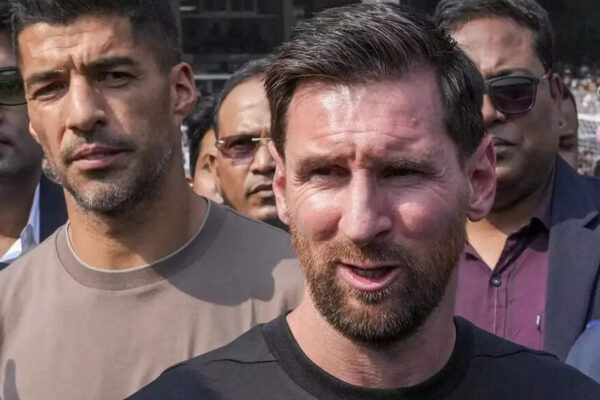
NEW DELHI: What was meant to be a historic celebration of football greatness in Kolkata spiralled into chaos on Saturday, December 13, forcing Lionel Messi to cut short his much-anticipated appearance at the Salt Lake Stadium. Overcrowding, poor crowd control and security lapses turned the Vivekananda Yuba Bharati Krirangan into a flashpoint, leaving fans angry,…

Read More
Egyptian Zodiac Horoscope Today for December 13, 2025: Power shifts in silence, these zodiac signs will feel the change within

Egyptian Zodiac Horoscope Today for December 13, 2025: Power shifts in silence, these zodiac signs will feel the change within

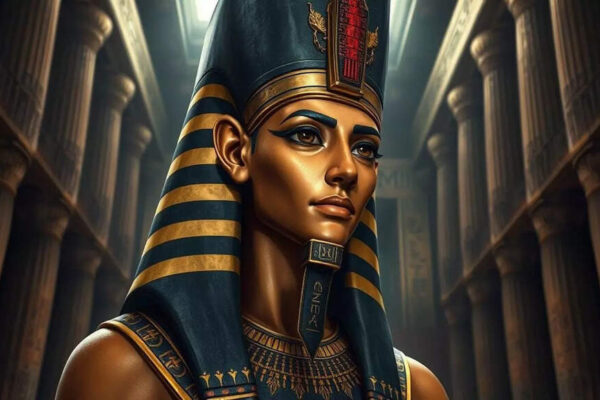
Step into the sands of time, where ancient wisdom meets modern energy. Egyptian astrology doesn’t just look to the stars; it listens to the gods. Each day, divine forces like Ra, Bastet, Thoth, and Anubis stir the energies around you, shaping your path in subtle, sacred ways. Whether you’re seeking clarity, strength, love, or a…

Read More
‘Shame on you Mamata!’ BJP tears into CM over Messi event mess; makes 3 demands

‘Shame on you Mamata!’ BJP tears into CM over Messi event mess; makes 3 demands

NEW DELHI: The BJP on Saturday launched a sharp attack on West Bengal chief minister Mamata Banerjee over the chaos at Kolkata’s Salt Lake stadium during Argentine football star Lionel Messi’s appearance, with Leader of the Opposition Suvendu Adhikari accusing the state government of gross mismanagement and making three demands, including Banerjee’s resignation.Reacting to the…

Read More
Modern offices are a melting pot of Boomers, Millennials, and Gen Z, each with distinct communication styles and work philosophies. While generational differences create unique workplace dynamics, from email etiquette to work-life balance, collaboration and innovation thrive. HR professionals now navigate these diverse expectations, fostering an environment where all generations contribute effectively. AI generated image Walk into any corporate office today, and you’re likely to witness a scene that feels less like a workplace and more like a group project assigned by the universe. On one end of the floor, a Boomer is carefully crafting an email that begins with “Dear Team,” while a GenZ intern is wondering why the email wasn’t simply replaced by a three-second voice note. In between them sits a Millennial, holding a reusable coffee cup and the emotional weight of being sandwiched between two generations who insist they were raised the hard way.Welcome to the modern office: a place where three generations collide daily, armed with their own communication styles, work philosophies, and deeply held opinions. For example, whether “…” at the end of a message is a passive-aggressive statement or simply a grammatically correct continuation. It’s a space where Boomers are still trying to understand why anyone needs a “mental health day,” Millennials are trying to avoid burnout for the third time this quarter, and GenZ is trying to figure out how to turn their hobby into a side hustle during lunch break.While all three cohorts technically have the same job descriptions, they often approach work like they’re playing different levels of the same video game. Boomers operate by the rulebook, because of course there is a rulebook, and have mastered the fine art of surviving long meetings without blinking. Millennials rely on collaboration, Google Docs, and the burning desire to appear competent at all times. GenZ, meanwhile, is speedrunning corporate life with tabs open to both the shared drive and Instagram reels.Yet for all their differences, what makes this intergenerational mash-up particularly entertaining is just how much each group believes the others are a little bit unusual. Boomers think Millennials take too many notes. Millennials think Boomers send emails like they’re writing novels. GenZ thinks everyone sends too many emails altogether.Still, somehow, work gets done. Projects are completed, presentations are delivered, and HR quietly updates its conflict-resolution guidelines every quarter. What looks like chaos from the outside is, in reality, a delicate balancing act: Boomers bring consistency, Millennials bring efficiency, and GenZ brings innovation with a dash of existential comedy.So if you’ve ever wondered why the office feels like a sitcom missing its laugh track, you’re simply witnessing the daily dance of three generations doing their best to navigate a changing work culture, one shared spreadsheet and misunderstood emoji at a time.From landlines to livestreams: How growing up online changed the way we workBaby Boomers or Boomers, Millennials and Generation Z are often spoken about in shorthand, but each group comes with its own backstory and work style shaped by the times they grew up in. Baby Boomers, born roughly between 1946 and 1964, are the only generation officially defined by a government body, the US Census Bureau, named after the post–World War Two surge in births, as cited by the BBC. In the workplace, they’re known for being committed, self-sufficient and competitive, traits that perhaps come from growing up in a crowded, fast-growing world where standing out mattered.Millennials, born approximately between 1980 and the mid-1990s, are the most debated and stereotyped generation, often unfairly labelled as “lazy” or frivolous. In reality, they were the first true digital natives, growing up alongside the internet, which made them confident, curious and highly self-reliant. AI generated imageGenZ, the youngest cohort, includes those born in the late 1990s or early 2000s and has never known a world without smartphones, social media or constant connectivity. Often called iGen, they are ambitious, tech-savvy and confident, entering workplaces with fresh expectations and an instinctive comfort with digital tools. Together, these generations bring very different perspectives to the same office floor, shaped not just by age, but by history, technology and the worlds they grew up navigating.Clocking out, calling it out: How three generations are quietly (and not-so-quietly) redefining office lifeWhen asked, “What’s one workplace habit from older generations that absolutely baffles you?” Aastha Jha, a member of Generation Z, didn’t hesitate: “Being ready to be there for the company whenever it demands.” Soumya Banerjee, working in an IT firm, shared a different frustration. He pointed to a familiar pattern he’s noticed among seniors: “Always comparing who does more work and who doesn’t, mostly in a fun way but it gets you sometimes.”The woes of a millennial are quite different. On asked how it feels to be sandwiched between the boomers and GenZs, Natasha said, “while millenials have been at the end of Boomer toxic culture, it is a nice spot to be in. While we have grown up listening to stories about the times they had to work during serious physical illnesses, the humour of a GenZ asking for a leave because they ‘are not feeling the vibes’ is not lost on you.”Sneha had a simple answer for the question of whether she had ever felt judged for logging off exactly on time: Yes. I don’t care.When a Boomer was asked, ‘what is the biggest change you have noticed in workplace culture?’, the response reflected decades of experience: “There has been a big change in workplace culture in 20–25 years, and most of the changes have been for the better. The pace of work has increased, and people have adapted to that pace. Twenty-five years ago, no matter which sector you were working in, the availability of technological tools was not as easy. There was no AI, social media, or even computers were not as actively used as they are currently. So the pace has increased due to new technology being introduced. And secondly, you have a younger workforce in every field. People have been taking up responsibilities that could only be taken by someone senior.”Coming from someone who has been part of the workforce for the past 30 years, the reflection highlights how technology and a younger workforce have reshaped how fast work gets done.He also noted that the younger generation needs to develop ‘ownership of work’, something that they can learn from the work ethics of the older generation. “People do a lot of work, but at times, you feel that there is no ownership of that specific work,” he said.HR professionals, on the other hand, today find themselves acting as cultural interpreters, peacekeepers as they navigate the competing expectations of all three generations. They must balance Boomers’ preference for structure and visibility with Millennials’ need for flexibility and Gen Z’s insistence on boundaries and mental well-being. This often means redesigning policies, rewriting communication norms, and mediating misunderstandings that arise from everything from email etiquette to attitudes toward overtime. For HR, the challenge isn’t choosing sides, it’s creating a workplace ecosystem where all three generations feel heard, respected, and able to collaborate without turning every team meeting into a generational tug-of-war.When asked whether the recruitment strategy has undergone any significant changes to accommodate younger professionals, Karan, an HR executive, said, “The strategy has undergone a significant transformation, now prioritising Authenticity and Investment in Marketability to secure the newest wave of talent. Messaging focuses less on abstract corporate rhetoric and more on demonstrating the company’s commitment to tangible skill development and job security, appealing directly to the risk-averse nature of younger professionals. Recruitment outreach is concentrated on high-engagement digital forums and specialised professional networks, employing candid employee testimonials to convey a transparent, genuine culture.”He also explains that for Millennials, staying with a company often depends on seeing a clear, fast-paced career path and knowing the organisation is genuinely committed to social impact through its CSR or ESG efforts. When it comes to older professionals, he says the key is to position them in meaningful advisory roles and provide strong technical support, so their deep experience and institutional knowledge remain an active part of the company’s modern, hybrid way of working.Ultimately, the generational divide in today’s workplaces is less about conflict and more about coexistence in transition. Boomers, Millennials, and GenZ are all responding to the same pressures, faster work, changing technologies and evolving ideas of success, just in different ways, shaped by their experiences. As offices continue to adapt, the challenge is not to declare one generation “right” and another “wrong,” but to find common ground where experience meets adaptability and ambition meets balance. As work culture evolves, offices have the chance to become spaces that value both productivity and people, whether that’s through a formal “Dear Team,” a sharp log-off, or a “no vibes today” day off.End of ArticleFollow Us On Social MediaVideosHouse Democrats Push To Scrap Donald Trump’s India Tariffs As Congress Challenges Emergency PowersMessi’s Kolkata Visit Turns Chaotic As Angry Fans Vandalise Banners At Salt Lake Stadium’PM Not Always Wrong’: Ex-Congress Leader Ashwani Kumar, Calls Party Revival A National ObligationAction Over Rhetoric: CDS Anil Chauhan Sends A Calm But Clear Signal To Pakistan Amid Op SindoorWhen Optics Fail: Top Five Global Moments That Turned Pakistan PM Shehbaz Sharif Into A Meme’No Free Lift For India’: PM Modi’s Chief Economic Adviser Says China Won’t Repeat West’s MistakeMessi Lands In Kolkata At 2.26am, City Erupts As GOAT India Tour Sparks Midnight Frenzy Scenes Now!’No Place For Tukde Tukde Slogans’: RSS Chief Mohan Bhagwat Warns Against Divisive Language In IndiaIndia Speeds Up Visas For Chinese Businesses Amid Thaw In Ties; Beijing Calls It ‘Positive Move’India’s Ambassador To UNESCO Hails Inscription Of Diwali On Intangible Cultural Heritage List123PhotostoriesYour hidden spiritual gift revealed… based on your date of birthLonger locals, more relief: Western Railway begins work to extend 15-car locals up to Bandra7 Brilliant leftover rice recipes that are a must tryDelhi Metro begins construction on Golden Line’s Saket–Lajpat corridor – India’s 1st 3-coach routeLife Lessons You Can Learn From Lord Ganesha According To Your Birth DateThe unluckiest film title in Bollywood history: How one name triggered flops, career crashes, and chaosWhat your energy attracts when you’re tired, angry or hopefulNot just blood in urine: 4 warning signs of prostate cancer you should not ignoreTop dog breeds that are perfect for kidsFrom ‘Kaantha’ to ‘F1: The Movie’: Latest OTT releases to watch this weekend123Hot PicksMukesh Ambani vs Gautam AdaniDonald TrumpAnurag ThakurGold rate todaySilver rate todayPublic Holidays NovemberBank Holidays NovemberTop TrendingSherrone MooreKell MooreH1B Fee HikeWho is Mia SoretyWho is Jeff ShiverNick FuentesDaniel JonesMeghan MarkleShehbaz SharifPaige Shiver Net Worth

Modern offices are a melting pot of Boomers, Millennials, and Gen Z, each with distinct communication styles and work philosophies. While generational differences create unique workplace dynamics, from email etiquette to work-life balance, collaboration and innovation thrive. HR professionals now navigate these diverse expectations, fostering an environment where all generations contribute effectively. AI generated image Walk into any corporate office today, and you’re likely to witness a scene that feels less like a workplace and more like a group project assigned by the universe. On one end of the floor, a Boomer is carefully crafting an email that begins with “Dear Team,” while a GenZ intern is wondering why the email wasn’t simply replaced by a three-second voice note. In between them sits a Millennial, holding a reusable coffee cup and the emotional weight of being sandwiched between two generations who insist they were raised the hard way.Welcome to the modern office: a place where three generations collide daily, armed with their own communication styles, work philosophies, and deeply held opinions. For example, whether “…” at the end of a message is a passive-aggressive statement or simply a grammatically correct continuation. It’s a space where Boomers are still trying to understand why anyone needs a “mental health day,” Millennials are trying to avoid burnout for the third time this quarter, and GenZ is trying to figure out how to turn their hobby into a side hustle during lunch break.While all three cohorts technically have the same job descriptions, they often approach work like they’re playing different levels of the same video game. Boomers operate by the rulebook, because of course there is a rulebook, and have mastered the fine art of surviving long meetings without blinking. Millennials rely on collaboration, Google Docs, and the burning desire to appear competent at all times. GenZ, meanwhile, is speedrunning corporate life with tabs open to both the shared drive and Instagram reels.Yet for all their differences, what makes this intergenerational mash-up particularly entertaining is just how much each group believes the others are a little bit unusual. Boomers think Millennials take too many notes. Millennials think Boomers send emails like they’re writing novels. GenZ thinks everyone sends too many emails altogether.Still, somehow, work gets done. Projects are completed, presentations are delivered, and HR quietly updates its conflict-resolution guidelines every quarter. What looks like chaos from the outside is, in reality, a delicate balancing act: Boomers bring consistency, Millennials bring efficiency, and GenZ brings innovation with a dash of existential comedy.So if you’ve ever wondered why the office feels like a sitcom missing its laugh track, you’re simply witnessing the daily dance of three generations doing their best to navigate a changing work culture, one shared spreadsheet and misunderstood emoji at a time.From landlines to livestreams: How growing up online changed the way we workBaby Boomers or Boomers, Millennials and Generation Z are often spoken about in shorthand, but each group comes with its own backstory and work style shaped by the times they grew up in. Baby Boomers, born roughly between 1946 and 1964, are the only generation officially defined by a government body, the US Census Bureau, named after the post–World War Two surge in births, as cited by the BBC. In the workplace, they’re known for being committed, self-sufficient and competitive, traits that perhaps come from growing up in a crowded, fast-growing world where standing out mattered.Millennials, born approximately between 1980 and the mid-1990s, are the most debated and stereotyped generation, often unfairly labelled as “lazy” or frivolous. In reality, they were the first true digital natives, growing up alongside the internet, which made them confident, curious and highly self-reliant. AI generated imageGenZ, the youngest cohort, includes those born in the late 1990s or early 2000s and has never known a world without smartphones, social media or constant connectivity. Often called iGen, they are ambitious, tech-savvy and confident, entering workplaces with fresh expectations and an instinctive comfort with digital tools. Together, these generations bring very different perspectives to the same office floor, shaped not just by age, but by history, technology and the worlds they grew up navigating.Clocking out, calling it out: How three generations are quietly (and not-so-quietly) redefining office lifeWhen asked, “What’s one workplace habit from older generations that absolutely baffles you?” Aastha Jha, a member of Generation Z, didn’t hesitate: “Being ready to be there for the company whenever it demands.” Soumya Banerjee, working in an IT firm, shared a different frustration. He pointed to a familiar pattern he’s noticed among seniors: “Always comparing who does more work and who doesn’t, mostly in a fun way but it gets you sometimes.”The woes of a millennial are quite different. On asked how it feels to be sandwiched between the boomers and GenZs, Natasha said, “while millenials have been at the end of Boomer toxic culture, it is a nice spot to be in. While we have grown up listening to stories about the times they had to work during serious physical illnesses, the humour of a GenZ asking for a leave because they ‘are not feeling the vibes’ is not lost on you.”Sneha had a simple answer for the question of whether she had ever felt judged for logging off exactly on time: Yes. I don’t care.When a Boomer was asked, ‘what is the biggest change you have noticed in workplace culture?’, the response reflected decades of experience: “There has been a big change in workplace culture in 20–25 years, and most of the changes have been for the better. The pace of work has increased, and people have adapted to that pace. Twenty-five years ago, no matter which sector you were working in, the availability of technological tools was not as easy. There was no AI, social media, or even computers were not as actively used as they are currently. So the pace has increased due to new technology being introduced. And secondly, you have a younger workforce in every field. People have been taking up responsibilities that could only be taken by someone senior.”Coming from someone who has been part of the workforce for the past 30 years, the reflection highlights how technology and a younger workforce have reshaped how fast work gets done.He also noted that the younger generation needs to develop ‘ownership of work’, something that they can learn from the work ethics of the older generation. “People do a lot of work, but at times, you feel that there is no ownership of that specific work,” he said.HR professionals, on the other hand, today find themselves acting as cultural interpreters, peacekeepers as they navigate the competing expectations of all three generations. They must balance Boomers’ preference for structure and visibility with Millennials’ need for flexibility and Gen Z’s insistence on boundaries and mental well-being. This often means redesigning policies, rewriting communication norms, and mediating misunderstandings that arise from everything from email etiquette to attitudes toward overtime. For HR, the challenge isn’t choosing sides, it’s creating a workplace ecosystem where all three generations feel heard, respected, and able to collaborate without turning every team meeting into a generational tug-of-war.When asked whether the recruitment strategy has undergone any significant changes to accommodate younger professionals, Karan, an HR executive, said, “The strategy has undergone a significant transformation, now prioritising Authenticity and Investment in Marketability to secure the newest wave of talent. Messaging focuses less on abstract corporate rhetoric and more on demonstrating the company’s commitment to tangible skill development and job security, appealing directly to the risk-averse nature of younger professionals. Recruitment outreach is concentrated on high-engagement digital forums and specialised professional networks, employing candid employee testimonials to convey a transparent, genuine culture.”He also explains that for Millennials, staying with a company often depends on seeing a clear, fast-paced career path and knowing the organisation is genuinely committed to social impact through its CSR or ESG efforts. When it comes to older professionals, he says the key is to position them in meaningful advisory roles and provide strong technical support, so their deep experience and institutional knowledge remain an active part of the company’s modern, hybrid way of working.Ultimately, the generational divide in today’s workplaces is less about conflict and more about coexistence in transition. Boomers, Millennials, and GenZ are all responding to the same pressures, faster work, changing technologies and evolving ideas of success, just in different ways, shaped by their experiences. As offices continue to adapt, the challenge is not to declare one generation “right” and another “wrong,” but to find common ground where experience meets adaptability and ambition meets balance. As work culture evolves, offices have the chance to become spaces that value both productivity and people, whether that’s through a formal “Dear Team,” a sharp log-off, or a “no vibes today” day off.End of ArticleFollow Us On Social MediaVideosHouse Democrats Push To Scrap Donald Trump’s India Tariffs As Congress Challenges Emergency PowersMessi’s Kolkata Visit Turns Chaotic As Angry Fans Vandalise Banners At Salt Lake Stadium’PM Not Always Wrong’: Ex-Congress Leader Ashwani Kumar, Calls Party Revival A National ObligationAction Over Rhetoric: CDS Anil Chauhan Sends A Calm But Clear Signal To Pakistan Amid Op SindoorWhen Optics Fail: Top Five Global Moments That Turned Pakistan PM Shehbaz Sharif Into A Meme’No Free Lift For India’: PM Modi’s Chief Economic Adviser Says China Won’t Repeat West’s MistakeMessi Lands In Kolkata At 2.26am, City Erupts As GOAT India Tour Sparks Midnight Frenzy Scenes Now!’No Place For Tukde Tukde Slogans’: RSS Chief Mohan Bhagwat Warns Against Divisive Language In IndiaIndia Speeds Up Visas For Chinese Businesses Amid Thaw In Ties; Beijing Calls It ‘Positive Move’India’s Ambassador To UNESCO Hails Inscription Of Diwali On Intangible Cultural Heritage List123PhotostoriesYour hidden spiritual gift revealed… based on your date of birthLonger locals, more relief: Western Railway begins work to extend 15-car locals up to Bandra7 Brilliant leftover rice recipes that are a must tryDelhi Metro begins construction on Golden Line’s Saket–Lajpat corridor – India’s 1st 3-coach routeLife Lessons You Can Learn From Lord Ganesha According To Your Birth DateThe unluckiest film title in Bollywood history: How one name triggered flops, career crashes, and chaosWhat your energy attracts when you’re tired, angry or hopefulNot just blood in urine: 4 warning signs of prostate cancer you should not ignoreTop dog breeds that are perfect for kidsFrom ‘Kaantha’ to ‘F1: The Movie’: Latest OTT releases to watch this weekend123Hot PicksMukesh Ambani vs Gautam AdaniDonald TrumpAnurag ThakurGold rate todaySilver rate todayPublic Holidays NovemberBank Holidays NovemberTop TrendingSherrone MooreKell MooreH1B Fee HikeWho is Mia SoretyWho is Jeff ShiverNick FuentesDaniel JonesMeghan MarkleShehbaz SharifPaige Shiver Net Worth

Walk into any corporate office today, and you’re likely to witness a scene that feels less like a workplace and more like a group project assigned by the universe. On one end of the floor, a Boomer is carefully crafting an email that begins with “Dear Team,” while a GenZ intern is wondering why the…

Read More
Ketan Deshpande presented award for Special Contribution to Human Rights

Ketan Deshpande presented award for Special Contribution to Human Rights

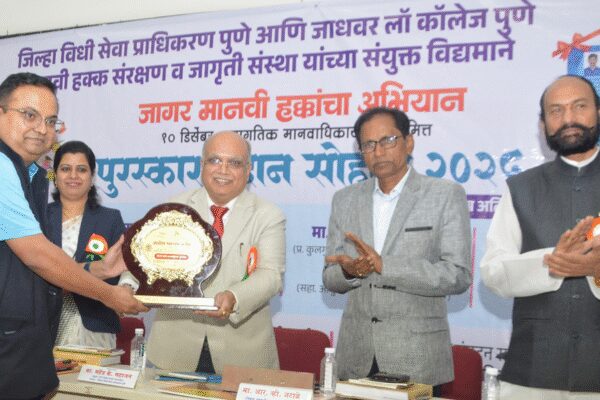
Pune: Ketan Deshpande, Founder and Chairman of FUEL Education, who has been instrumental in bringing about social transformation through education and creating employment opportunities for youth through skill-based learning, has been honored with the ‘Special Contribution Human Rights Award’ by the Human Rights Protection and Awareness Organization here on Thursday.He was presented the award by…

Read More