Weekly Wealth Horoscope Predictions, December 14 to December 20, 2025: Your money luck for the week

Weekly Wealth Horoscope Predictions, December 14 to December 20, 2025: Your money luck for the week

Aries This is a positive period for your finances, as money matters begin to move in your favour. You may come across opportunities to increase income or recover funds that were previously delayed. Smart planning and cautious spending will help you feel more secure. Avoid impulsive purchases, even if tempting offers arise. A small financial…

Read More
Raipur: Chief minister Vishnu Deo Sai on Sunday unveiled “Anjor Vision 2047” in the Assembly — an ambitious, people-centric blueprint aimed at transforming the state into a fully developed region by the time India celebrates 100 years of Independence.Calling the moment historic, the CM said the vision document lays out a clear, mission-driven roadmap with phased goals, governance reforms, and a strong push for infrastructure, investment, jobs and social development.Recalling that Chhattisgarh’s first Assembly session was held on Dec 14, 2000, at Rajkumar College soon after the state was formed, Sai said the new Assembly building marks the start of a fresh development journey. Reflecting the state’s culture and democratic values, the building, he said, would stand as a symbol of both heritage and progress.Using an analogy from Jashpur’s archery tradition and the Mahabharata, Sai said Chhattisgarh now has a single-minded focus. “Like Arjuna’s eye on the bird, our target is a developed Chhattisgarh,” he said, adding that the state has a clear and achievable plan to reach that goal. Work on the vision document began soon after the government took office, Sai said. It was prepared through wide public participation, involving farmers, youth, women, entrepreneurs and other stakeholders. Describing it as carrying the “fragrance of the soil,” he said the plan reflects the spirit of Antyodaya — development for the last person in the queue.The document identifies 13 priority sectors and 10 key missions, with good governance at the core. According to the CM, over 400 governance reforms implemented in the past two years have already made administration more transparent and citizen-friendly.Taking a political swipe at the previous Congress regime, the Chief Minister alleged that while his government has a vision for development till 2047, the Congress’s five-year rule was marked by “systematic loot” through an organised syndicate. He claimed central agencies have placed concrete evidence of financial irregularities before courts and said the public has understood the “true character” of the opposition.Sai highlighted major gains in road, rail and air connectivity, expansion of premier institutions like IIT, IIM and NIT, and growth in medical education, with medical colleges increasing from 10 to 15, in addition to AIIMS.A new industrial policy and a single-window clearance system have helped attract investment proposals worth over Rs 7.5 lakh crore, he said.On energy, Sai said Chhattisgarh ranks second nationally in power generation and aims to top the list by 2030, with a strong push towards renewable energy, including large-scale solar projects and rooftop solar with double subsidies. He also underlined opportunities in agriculture, forest-based economy, mineral resources and tourism. Concluding, Sai expressed confidence that the goals outlined in the Anjor Vision 2047 would be realised from the new Assembly building and called upon all members to work together to translate the vision of a developed Chhattisgarh into reality.Congress boycotts AssemblyCongress boycotted the Assembly on the first day of the winter session, held on Dec 14, in protest against the government’s decision to dedicate the entire sitting exclusively to a discussion on “Vision 2047.” Congress claimed that this approach sidelined routine legislative business, including Question Hour, Calling Attention notices, and adjournment motions. Leader of Opposition Charandas Mahant described the presentation as misleading, arguing that it focused heavily on long-term plans and promises while ignoring pressing day-to-day issues faced by the people, such as unemployment, delays in paddy procurement, crimes against women, potholes, lack of tap water, and electricity billing problems. He accused the government of using the session to project a futuristic agenda without addressing current grievances, and termed the vision document “heavy on claims but weak on substance.” Mahant said the Congress’s boycott was a way to protest the sidelining of ordinary legislative business and highlight the government’s neglect of immediate public concerns.End of ArticleFollow Us On Social MediaVideosBihar Minister Nitin Nabin Appointed National Working President Of BJP‘Amit Shah’s Hands Were Shaking’: Rahul Gandhi Hits Out At BJP-RSS, Warns EC In ‘Vote Chori’ Rally‘Didn’t Go For Son’s Operation’: Kharge Lauds Rahul Gandhi In ‘Vote Chori’ Rally, Calls BJP ‘Gaddar’Messi Kolkata Event Chaos: Organiser Satadru Dutta Denied Bail, Sent To 14-Day Police CustodyVIPs First, Fans Later: Messi’s Kolkata Tour Flop Exposes Misplaced PrioritiesRahul Gandhi Posts Video With Messi During Hyderabad GOAT India Tour StopTharoor Warns India Faces Growing Anti-Migrant Sentiment, Says “It’s Not Just In The West”Bhutia hits out at VIP culture, says Messi Kolkata chaos tarnishes India’s imageRam Temple Trust Prepares For Massive Pilgrim Rush As Ayodhya Eyes Kumbh-Scale CrowdsAssam CM Himanta Biswa Sarma Slams VIP Culture After Messi Event Chaos in West Bengal123PhotostoriesFrom ‘Fa9la’ to ‘Eena Meena Deeka’: When Indian audiences went crazy for unconventional lyricsNewlyweds Sara Khan and Krish Pathak’s gorgeous snaps from their honeymoon10 major currencies in the world every traveller should know aboutChef Sanjeev Kapoor’s must-try air fryer recipes this winterLuna to Mochi: Adorable dog names trending right nowThis Bollywood epic took 23 years to make, lost its actors and director along the way, was called cursed, released unfinishedAlbert Einstein once said, “You never fail until you stop trying”: 5 important lessons it teaches students3 heart-strengthening recipes shared by American Heart AssociationShilpa Shetty just revived the glory of 700-year-old Patan Patola sarees7 animals that build underground hidden homes !123Hot PicksMukesh Ambani vs Gautam AdaniDonald TrumpAnurag ThakurGold rate todaySilver rate todayPublic Holidays NovemberBank Holidays NovemberTop TrendingDelhi SchoolJohn CenaMessi Kolkata EventKyle TuckerMLB Trade RumorsBoston Red SoxDelhi AQIKVS Recruitment 2025Messi Event Organiser Satadru DuttaWho is Paige Shiver

Raipur: Chief minister Vishnu Deo Sai on Sunday unveiled “Anjor Vision 2047” in the Assembly — an ambitious, people-centric blueprint aimed at transforming the state into a fully developed region by the time India celebrates 100 years of Independence.Calling the moment historic, the CM said the vision document lays out a clear, mission-driven roadmap with phased goals, governance reforms, and a strong push for infrastructure, investment, jobs and social development.Recalling that Chhattisgarh’s first Assembly session was held on Dec 14, 2000, at Rajkumar College soon after the state was formed, Sai said the new Assembly building marks the start of a fresh development journey. Reflecting the state’s culture and democratic values, the building, he said, would stand as a symbol of both heritage and progress.Using an analogy from Jashpur’s archery tradition and the Mahabharata, Sai said Chhattisgarh now has a single-minded focus. “Like Arjuna’s eye on the bird, our target is a developed Chhattisgarh,” he said, adding that the state has a clear and achievable plan to reach that goal. Work on the vision document began soon after the government took office, Sai said. It was prepared through wide public participation, involving farmers, youth, women, entrepreneurs and other stakeholders. Describing it as carrying the “fragrance of the soil,” he said the plan reflects the spirit of Antyodaya — development for the last person in the queue.The document identifies 13 priority sectors and 10 key missions, with good governance at the core. According to the CM, over 400 governance reforms implemented in the past two years have already made administration more transparent and citizen-friendly.Taking a political swipe at the previous Congress regime, the Chief Minister alleged that while his government has a vision for development till 2047, the Congress’s five-year rule was marked by “systematic loot” through an organised syndicate. He claimed central agencies have placed concrete evidence of financial irregularities before courts and said the public has understood the “true character” of the opposition.Sai highlighted major gains in road, rail and air connectivity, expansion of premier institutions like IIT, IIM and NIT, and growth in medical education, with medical colleges increasing from 10 to 15, in addition to AIIMS.A new industrial policy and a single-window clearance system have helped attract investment proposals worth over Rs 7.5 lakh crore, he said.On energy, Sai said Chhattisgarh ranks second nationally in power generation and aims to top the list by 2030, with a strong push towards renewable energy, including large-scale solar projects and rooftop solar with double subsidies. He also underlined opportunities in agriculture, forest-based economy, mineral resources and tourism. Concluding, Sai expressed confidence that the goals outlined in the Anjor Vision 2047 would be realised from the new Assembly building and called upon all members to work together to translate the vision of a developed Chhattisgarh into reality.Congress boycotts AssemblyCongress boycotted the Assembly on the first day of the winter session, held on Dec 14, in protest against the government’s decision to dedicate the entire sitting exclusively to a discussion on “Vision 2047.” Congress claimed that this approach sidelined routine legislative business, including Question Hour, Calling Attention notices, and adjournment motions. Leader of Opposition Charandas Mahant described the presentation as misleading, arguing that it focused heavily on long-term plans and promises while ignoring pressing day-to-day issues faced by the people, such as unemployment, delays in paddy procurement, crimes against women, potholes, lack of tap water, and electricity billing problems. He accused the government of using the session to project a futuristic agenda without addressing current grievances, and termed the vision document “heavy on claims but weak on substance.” Mahant said the Congress’s boycott was a way to protest the sidelining of ordinary legislative business and highlight the government’s neglect of immediate public concerns.End of ArticleFollow Us On Social MediaVideosBihar Minister Nitin Nabin Appointed National Working President Of BJP‘Amit Shah’s Hands Were Shaking’: Rahul Gandhi Hits Out At BJP-RSS, Warns EC In ‘Vote Chori’ Rally‘Didn’t Go For Son’s Operation’: Kharge Lauds Rahul Gandhi In ‘Vote Chori’ Rally, Calls BJP ‘Gaddar’Messi Kolkata Event Chaos: Organiser Satadru Dutta Denied Bail, Sent To 14-Day Police CustodyVIPs First, Fans Later: Messi’s Kolkata Tour Flop Exposes Misplaced PrioritiesRahul Gandhi Posts Video With Messi During Hyderabad GOAT India Tour StopTharoor Warns India Faces Growing Anti-Migrant Sentiment, Says “It’s Not Just In The West”Bhutia hits out at VIP culture, says Messi Kolkata chaos tarnishes India’s imageRam Temple Trust Prepares For Massive Pilgrim Rush As Ayodhya Eyes Kumbh-Scale CrowdsAssam CM Himanta Biswa Sarma Slams VIP Culture After Messi Event Chaos in West Bengal123PhotostoriesFrom ‘Fa9la’ to ‘Eena Meena Deeka’: When Indian audiences went crazy for unconventional lyricsNewlyweds Sara Khan and Krish Pathak’s gorgeous snaps from their honeymoon10 major currencies in the world every traveller should know aboutChef Sanjeev Kapoor’s must-try air fryer recipes this winterLuna to Mochi: Adorable dog names trending right nowThis Bollywood epic took 23 years to make, lost its actors and director along the way, was called cursed, released unfinishedAlbert Einstein once said, “You never fail until you stop trying”: 5 important lessons it teaches students3 heart-strengthening recipes shared by American Heart AssociationShilpa Shetty just revived the glory of 700-year-old Patan Patola sarees7 animals that build underground hidden homes !123Hot PicksMukesh Ambani vs Gautam AdaniDonald TrumpAnurag ThakurGold rate todaySilver rate todayPublic Holidays NovemberBank Holidays NovemberTop TrendingDelhi SchoolJohn CenaMessi Kolkata EventKyle TuckerMLB Trade RumorsBoston Red SoxDelhi AQIKVS Recruitment 2025Messi Event Organiser Satadru DuttaWho is Paige Shiver

Raipur: Chief minister Vishnu Deo Sai on Sunday unveiled “Anjor Vision 2047” in the Assembly — an ambitious, people-centric blueprint aimed at transforming the state into a fully developed region by the time India celebrates 100 years of Independence.Calling the moment historic, the CM said the vision document lays out a clear, mission-driven roadmap with…

Read More
Moon Sign Astrology: How Each Zodiac Sign Can Processes Trauma & Needs to Heal in 2026

Moon Sign Astrology: How Each Zodiac Sign Can Processes Trauma & Needs to Heal in 2026

In 2026, mental health awareness continues to rise, encouraging deeper conversations about emotional resilience and personal healing. One powerful way to understand how we internalise pain and process trauma is through the Moon sign. Your Moon sign governs your emotions, instincts, and unconscious patterns. It reveals how you deal with stress, what comforts you, and…

Read More
Debt, reclusion, deaths: Inside Kalkaji triple tragedy that shocked Delhi; sons attempted suicide in past too

Debt, reclusion, deaths: Inside Kalkaji triple tragedy that shocked Delhi; sons attempted suicide in past too

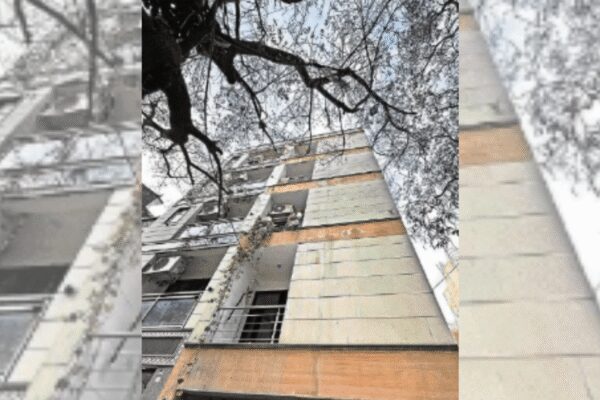
Stressed Due To Loan And Unpaid Rent, Family Descended Into Darkness NEW DELHI: An eerie silence enveloped the third-floor 2BHK flat in a Kalkaji residential building, masking a history of deep isolation and mounting financial distress. Inside the locked house, a 52-year-old woman and her two adult sons were found dead, an end that neighbours…

Read More
IShowSpeed’s fiery reaction to Lionel Messi in India takes over social media as Kolkata turns out in force

IShowSpeed’s fiery reaction to Lionel Messi in India takes over social media as Kolkata turns out in force

IShowSpeed (Image via: Getty) IShowSpeed’s livestream moment was brief, unfiltered, and instantly viral. His reaction, captured in real time, quickly became part of the larger football conversation unfolding around Lionel Messi’s presence in India. The timing amplified its impact. December 13 was expected to be a defining night for football fans in Kolkata, where anticipation…

Read More
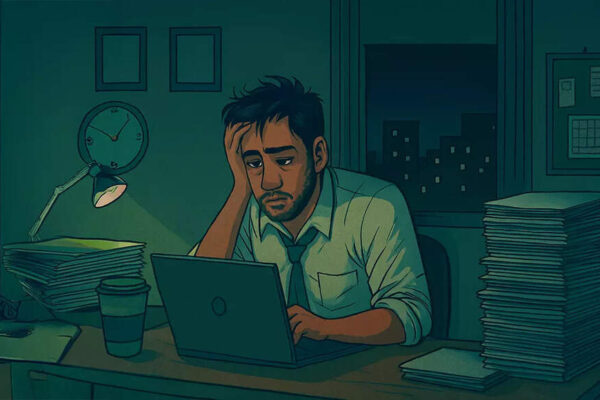
This bill marks India’s strongest legislative move yet to protect personal time in an always-connected digital work culture.  A fresh push in Parliament has revived the Right to Disconnect Bill, 2025, aimed at shielding employees from after-hours work pressure. The proposal outlines clear rules on refusing calls, overtime pay, and structured employer communication to restore healthy work boundaries.End of ArticleFollow Us On Social MediaVideos‘Didn’t Go For Son’s Operation’: Kharge Lauds Rahul Gandhi In ‘Vote Chori’ Rally, Calls BJP ‘Gaddar’Messi Kolkata Event Chaos: Organiser Satadru Dutta Denied Bail, Sent To 14-Day Police CustodyVIPs First, Fans Later: Messi’s Kolkata Tour Flop Exposes Misplaced PrioritiesRahul Gandhi Posts Video With Messi During Hyderabad GOAT India Tour StopTharoor Warns India Faces Growing Anti-Migrant Sentiment, Says “It’s Not Just In The West”Bhutia hits out at VIP culture, says Messi Kolkata chaos tarnishes India’s imageRam Temple Trust Prepares For Massive Pilgrim Rush As Ayodhya Eyes Kumbh-Scale CrowdsAssam CM Himanta Biswa Sarma Slams VIP Culture After Messi Event Chaos in West BengalMessi Lights Up Bandra-Worli Sea Link in Mumbai Ahead of Fan Meet, City Excited to Greet Star”Very Disappointing” Former Captain Bhutia Criticises VIP Mismanagement at Messi Show123PhotostoriesFrom ‘Fa9la’ to ‘Eena Meena Deeka’: When Indian audiences went crazy for unconventional lyricsNewlyweds Sara Khan and Krish Pathak’s gorgeous snaps from their honeymoon10 major currencies in the world every traveller should know aboutChef Sanjeev Kapoor’s must-try air fryer recipes this winterLuna to Mochi: Adorable dog names trending right nowThis Bollywood epic took 23 years to make, lost its actors and director along the way, was called cursed, released unfinishedAlbert Einstein once said, “You never fail until you stop trying”: 5 important lessons it teaches students3 heart-strengthening recipes shared by American Heart AssociationShilpa Shetty just revived the glory of 700-year-old Patan Patola sarees7 animals that build underground hidden homes !123Hot PicksMukesh Ambani vs Gautam AdaniDonald TrumpAnurag ThakurGold rate todaySilver rate todayPublic Holidays NovemberBank Holidays NovemberTop TrendingDelhi SchoolJohn CenaMessi Kolkata EventKyle TuckerMLB Trade RumorsBoston Red SoxDelhi AQIKVS Recruitment 2025Messi Event Organiser Satadru DuttaWho is Paige Shiver

This bill marks India’s strongest legislative move yet to protect personal time in an always-connected digital work culture. A fresh push in Parliament has revived the Right to Disconnect Bill, 2025, aimed at shielding employees from after-hours work pressure. The proposal outlines clear rules on refusing calls, overtime pay, and structured employer communication to restore healthy work boundaries.End of ArticleFollow Us On Social MediaVideos‘Didn’t Go For Son’s Operation’: Kharge Lauds Rahul Gandhi In ‘Vote Chori’ Rally, Calls BJP ‘Gaddar’Messi Kolkata Event Chaos: Organiser Satadru Dutta Denied Bail, Sent To 14-Day Police CustodyVIPs First, Fans Later: Messi’s Kolkata Tour Flop Exposes Misplaced PrioritiesRahul Gandhi Posts Video With Messi During Hyderabad GOAT India Tour StopTharoor Warns India Faces Growing Anti-Migrant Sentiment, Says “It’s Not Just In The West”Bhutia hits out at VIP culture, says Messi Kolkata chaos tarnishes India’s imageRam Temple Trust Prepares For Massive Pilgrim Rush As Ayodhya Eyes Kumbh-Scale CrowdsAssam CM Himanta Biswa Sarma Slams VIP Culture After Messi Event Chaos in West BengalMessi Lights Up Bandra-Worli Sea Link in Mumbai Ahead of Fan Meet, City Excited to Greet Star”Very Disappointing” Former Captain Bhutia Criticises VIP Mismanagement at Messi Show123PhotostoriesFrom ‘Fa9la’ to ‘Eena Meena Deeka’: When Indian audiences went crazy for unconventional lyricsNewlyweds Sara Khan and Krish Pathak’s gorgeous snaps from their honeymoon10 major currencies in the world every traveller should know aboutChef Sanjeev Kapoor’s must-try air fryer recipes this winterLuna to Mochi: Adorable dog names trending right nowThis Bollywood epic took 23 years to make, lost its actors and director along the way, was called cursed, released unfinishedAlbert Einstein once said, “You never fail until you stop trying”: 5 important lessons it teaches students3 heart-strengthening recipes shared by American Heart AssociationShilpa Shetty just revived the glory of 700-year-old Patan Patola sarees7 animals that build underground hidden homes !123Hot PicksMukesh Ambani vs Gautam AdaniDonald TrumpAnurag ThakurGold rate todaySilver rate todayPublic Holidays NovemberBank Holidays NovemberTop TrendingDelhi SchoolJohn CenaMessi Kolkata EventKyle TuckerMLB Trade RumorsBoston Red SoxDelhi AQIKVS Recruitment 2025Messi Event Organiser Satadru DuttaWho is Paige Shiver

A fresh push in Parliament has revived the Right to Disconnect Bill, 2025, aimed at shielding employees from after-hours work pressure. The proposal outlines clear rules on refusing calls, overtime pay, and structured employer communication to restore healthy work boundaries. Source link

Read More
MSME lending: RBI nudges banks to link MSME loans to external benchmark; govt lists wider support measures

MSME lending: RBI nudges banks to link MSME loans to external benchmark; govt lists wider support measures

Banks have been advised by the Reserve Bank of India (RBI) to link loans extended to micro, small and medium enterprises (MSMEs) to an external benchmark in order to strengthen monetary policy transmission, the government informed Parliament on Saturday.In a written reply to the Lok Sabha, Minister of State for MSME Shobha Karandlaje said the…

Read More
Ottawa targets global research talent to reverse Canada’s brain drain and boost economic growth nationwide

Ottawa targets global research talent to reverse Canada’s brain drain and boost economic growth nationwide

Canada targets brain gain with ambitious federal funding for research chairs and innovation. (Getty Images) Canada is moving to reclaim top research talent from around the world as Ottawa rolls out a multibillion-dollar strategy aimed at reversing decades of brain drain and accelerating national economic growth.The federal plan, unveiled in the most recent budget, commits…

Read More
Kareena Kapoor Khan opts for a boss lady avatar for meeting with Lionel Messi in Mumbai – See pics

Kareena Kapoor Khan opts for a boss lady avatar for meeting with Lionel Messi in Mumbai – See pics

During his much-anticipated G.O.A.T. Tour, football superstar Lionel Messi made headlines in Mumbai when he bumped into Bollywood royalty, Kareena Kapoor Khan. Sporting a stylish power suit, Kareena shared a moment with the legend, while Messi mingled with fellow athletes Suárez and De Paul. Football legend Lionel Messi has arrived in Mumbai as a part…

Read More
Korean methods to stop overthinking: 5 techniques for soothing mind and other lifestyle practices for better mental health |

Korean methods to stop overthinking: 5 techniques for soothing mind and other lifestyle practices for better mental health |

Overthinking can circle the mind around loops of stress, worry, or anxiety, including both psychological and physical aspects. In Korea, it is a tradition to blend the best of both worlds for a balanced mind. Activities such as meditation, mindful walking, journaling, or spending time in nature are some of the easiest methods that Koreans…

Read More
GOAT India Tour: Lionel Messi, Sachin Tendulkar share No. 10 moment; Sunil Chhetri leads football fiesta at Wankhede

GOAT India Tour: Lionel Messi, Sachin Tendulkar share No. 10 moment; Sunil Chhetri leads football fiesta at Wankhede

Argentina’s Lionel Messi, right, and former Indian cricketer Sachin Tendulkar (AP Photo/Rafiq Maqbool) NEW DELHI: Argentinian footballing legend Lionel Messi spent an hour at Mumbai’s Wankhede Stadium during his GOAT India Tour 2025, engaging with cricket legend Sachin Tendulkar, Maharashtra Chief Minister Devendra Fadnavis, footballers, film stars, celebrities, and politicians.Unlike his brief appearance in Kolkata…

Read More
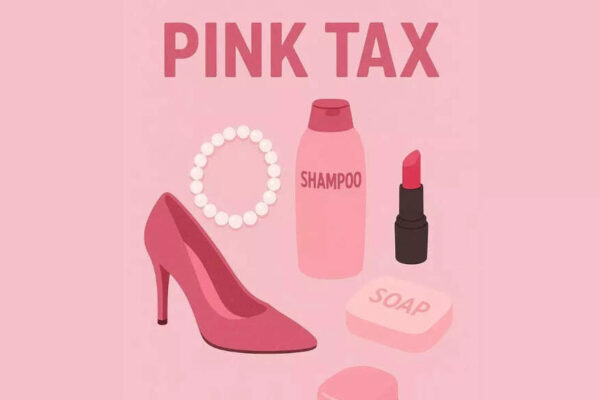
Do women end up paying hidden taxes just to survive? From the ‘pink tax’ to ‘safety tax’ and more, where women pay more for gendered products and essential safety measures. Does simply existing as a woman become financially and emotionally more expensive, a burden society continues to overlook but hard to escape. This is a representative AI image What is luxury?For a woman, simply being able to take a walk at night is often considered a luxury. But this freedom isn’t free. It comes at a cost most people never see, the extra money, effort and emotional labour women pay every day just to exist.Every rupee women spend is backed by labour, yet when it comes to buying everyday essentials, its value seems to shrink. Every morning, as I get ready for office, I inevitably spend more than a man would and not because I am extravagant, but because of the hidden taxes I pay every time I buy something.Why? Because a moisturiser packaged in lavender tones, promising “smooth skin” , costs more than a man’s basic black bottle offering the same function. When I calculated my spending on personal care, clothing, services and daily necessities, the pattern became impossible to ignore.How? Because women consistently pay more year after year simply because products are marketed to them. And no, this isn’t just a Western problem. India isn’t exempt.What is Pink Tax?It may sound like a trivial question, but the answer points to a deeper issue: the Pink Tax. It is not a government levy or an official surcharge. Instead, it is the invisible premium women pay for products and services marketed “for women” , even when they are nearly identical to men’s versions.Simply put, it’s the cost of being a woman. Many everyday products aimed at women are priced higher than their male counterparts despite serving the same purpose.”I think most people have little idea of the extra costs a woman has to bear simply to exist. There is a concept of ‘Pink Tax’ that few men are aware of, as it mainly involves women’s personal care products. Beyond the monetary aspect, there is also a safety angle to all this,” said Aashish Saxena.That’s the Pink Tax — and that’s why a pink razor costs more than a man’s black one.The Pink Tax shows up across everyday life:Personal care products: Women’s shampoos, conditioners and moisturisers routinely cost more than men’s, even when the difference is limited to packaging or colour.Fashion and accessories: Women’s formalwear and accessories are often priced higher despite similar materials and construction. The markup is usually explained away as “fashion” or “finishing” .Cosmetic procedures: Aggressively marketed to women, adding to the financial burden.Healthcare: Gynaecological check-ups, fertility consultations and reproductive healthcare come with higher recurring costs.”If you book a full comprehensive check-up for men on the health/medical app, it costs Rs 4,999, but for women, it costs Rs 5,999,” said Pallavi, pointing to the hidden cost. How marketing makes femininity costlierWomen are often seen as less price-sensitive when it comes to personal care, not because they want to be, but because many of these products are framed as necessities. Companies exploit this shift. What was once optional is now presented as baseline: SPF, retinol, serums, AM/PM routines, laser treatments, Botox, hair removal, marketed as “permanent” solutions that never truly end.”If we look at the market, the range of products available for women the variants and the overall maintenance and is far wider compared to men. The skincare industry largely targets women, giving men limited space under the idea of toughness,” said Vijaya Srivastava.Pallavi also points to fashion as another quiet contributor to the hidden tax. “Why can’t I have jeans with normal-sized pockets that can fit today’s phones?” she asks.”Men can just slip their phones into their pockets and walk freely. Why do we have to carry a handbag just to hold a phone? Because we don’t have pockets.” Her frustration reflects how design choices, driven by fashion norms and commercial interests, create yet another invisible cost: one paid in convenience, money and everyday freedom.The safety tax: Paying to feel safeBeyond products, women quietly absorb another cost, the safety tax! In urban India, women often pay a premium simply to move through the city. Public transport that is cheaper for men is not always an option. Cabs, safer buses or higher travel classes become necessities, not luxuries.Ignoring buses, trains and shared autos “just to feel safe” is common and expensive. “While men don’t have to think twice about getting into a crowded metro or bus, a woman might opt for a far more expensive cab just to avoid harassment,” said Aashish.Aastha Jha explains the cost she absorbs every month. “I pay Rs 6,000 for travel to office every month. I haven’t used shared autos, buses or the metro enough to even compare. My area is quite secluded with poor connectivity, so sharing doesn’t feel safe.” She adds that this expense isn’t consciously planned. “I don’t budget for it deliberately, but I’ve been doing it subconsciously for years.” While men may think about safety during odd hours, Aastha notes the difference during the day. “Men my age think about safety late at night. During normal hours, they don’t have to factor it in.”For women, even basic freedoms come with anxiety. “Being able to take a walk at night feels like a luxury. Whether you live in a gated society or a secluded area, you never really know who could harm you.” Her colleague Vivek Dubey agrees. “Safety matters to everyone, but not in the same way. I can book a cab at midnight without much thought. My main concern is the driver’s driving, not my personal safety.” He admits this is a privilege men often overlook. “I can take a bike taxi because it’s cheaper. I wouldn’t recommend the same to my female friends because of harassment risks.” Housing: Where safety overrides affordabilitySafety also dictates where women live.”When I came to New Delhi, my priorities were safety and security,” recalls Jyoti, a college student. “I looked at high-rise societies with rents far above my budget, but I had no choice,” she said.Natasha Singh adds, “Safety plays a huge role in evaluating cost of living.” After a robbery at her home, she and her flatmate were more concerned about security than stolen items. “When my flatmate was not in town, I used to travel all the way from Noida to Gurgaon to live with my parents because I didn’t feel safe living alone.”The unpaid labour taxWomen also bear the burden of unpaid domestic and emotional labour: cooking, cleaning, caregiving and emotional management, the work that doesn’t show up in GDP calculations.Healthcare and fertility pressureMenstrual products are unavoidable expenses men do not face. Beyond that, women incur ongoing costs linked to reproductive health, PCOS, fertility testing, supplements and preventive check-ups.”Women experience more frequent health milestones and transitions, which leads to higher spending on routine medical care and supplements — costs that are rarely framed as healthcare burdens,” said Priyanka Mukherjee.”The biggest hidden tax that I pay, I think, is healthcare tax. Firstly, female health is the least talked about. And because of that, even the most basic tests cost thousands. And I am just talking about tests, have not even started on medication, consultation,” said Aastha.Period poverty adds another layer. Despite GST removal on sanitary pads in 2018, one in ten girls under 21 in rural areas still cannot afford menstrual products. The pay gap makes the burden heavierWomen earn less but pay more.In India, women earn approximately Rs 40 for every Rs 100 earned by men. The country ranks 131 out of 148 in the Global Gender Gap Report 2025.”Yes, I do believe women are often paid less than male colleagues with similar experience or output, though the gap is not always obvious on paper. It shows up in slower growth, fewer leadership opportunities, or being expected to “prove” consistency over time,” said Priyanka reflecting on the disparity that only makes the burden of the Pink Tax feel heavier.Vijaya highlighted what she sees as one of the biggest hidden taxes women pay at work. “I’ve had colleagues with the same or even less work experience earn a higher CTC than me. I’ve also seen my female colleagues having to switch jobs more frequently than men simply because companies don’t make retention offers to them,” she said.”Men, on the other hand, are often retained. There’s never been an official declaration, but the pattern is quite evident. Having to repeatedly adjust to new environments is another hidden tax I’ve noticed,” she added.The Pink Tax doesn’t just hurt wallets — it reinforces inequality!The ‘career loss’ taxSafety concerns also push many women out of high-paying night shifts or demanding roles altogether. A budding journalist, Oshin, said she considered quitting because late working hours didn’t feel feasible for her. Living far from work, she didn’t want to take on the additional financial and emotional burden of arranging safety every night.Does simply existing as a woman cost more?Smriti Jain believes it does. “Simply being a woman comes with higher, unavoidable expenses. While awareness is growing, the true economic impact is still not fully acknowledged,” she said.Natasha echoed the sentiment, saying, “From daily transport to monthly periods, our lives are forced to be comparatively more expensive. Whether it is shopping for toiletries or simply getting a haircut, everything is more costly, marketed as a better lifestyle choice.”Priyanka, speaking candidly, agreed. “Honestly, yes. Simply existing as a woman costs more — financially, emotionally and mentally. From safety planning and health spending to clothing choices shaped by social scrutiny, there are constant micro-costs attached to being cautious, prepared and presentable,” she said.She added that one of the biggest hidden taxes rarely discussed is mental bandwidth. “The cost of constantly thinking ahead. ‘Is this safe?’ ‘Should I stay late?’ ‘Do I need a cab?’ ‘Will this be misread?’ That constant vigilance has an economic value we never calculate.””For many women, safety often feels like something you have to plan and pay for, rather than something that simply exists,” she added. Vivek acknowledged the disparity. “Yes, I do think simply existing as a woman costs more, financially, mentally and emotionally. But I don’t think society truly acknowledges it. There’s a kind of collective blindness around this issue. It’s almost as if society has accepted that it’s expensive to be a woman and decided this is just how things are,” he said.Rajeev Singh another male colleague of Vivek also agreed. “Men generally have greater flexibility to compromise on comfort or safety. Social norms, lower levels of harassment and fewer restrictions on movement allow men to accept risks that would be unreasonable or dangerous for women. Womanhood does appear costly — even if you subtract safety-related expenses,” he said.Does society acknowledge how expensive womanhood is?Aastha believes the issue is deeply structural. “Absolutely. Society itself has made womanhood expensive by keeping research and technological development that could genuinely benefit women scarce,” she said. “An HPV vaccine that could prevent cervical cancer costs thousands. These are exactly the areas that should be mass-produced, considering women make up nearly half the country’s population,” she added.Priyanka, however, feels the burden remains largely invisible. I don’t think society fully acknowledges how expensive womanhood is because many of these costs are normalised and invisible. They’re framed as ‘choices’, not necessities. Until we recognise these expenses as structural rather than personal, women will continue to bear them quietly, without much conversation.Priyanka MukherjeeIs safety treated as a luxury rather than a right?Natasha believes it is. “It’s a known fact that women feel more restricted even if it’s self-imposed, after a safety incident occurs in their vicinity. When a DU student was harassed outside a girls’ college, the response was to put up posters listing ‘dos and don’ts’ for women. That tells you everything. Our safety is treated like a joke, not a basic right,” she said.Vivek added that meaningful change requires structural effort. “Real change would require going back to the basics, changing policies, enforcing laws, redesigning public spaces, and challenging everyday behaviour. That takes effort and intent. And perhaps that’s why the issue is often ignored, even though it affects the dignity and daily lives of nearly half the population,” he said.Taken together, these everyday choices where women live, how they travel, the work they take on and the risks they avoid rarely show up as line items in budgets or policy discussions. Yet they quietly shape women’s freedom, mobility and opportunities in ways that are easy to overlook but hard to escape.The bill may be invisible, but it’s paid daily.End of ArticleFollow Us On Social MediaVideos‘Didn’t Go For Son’s Operation’: Kharge Lauds Rahul Gandhi In ‘Vote Chori’ Rally, Calls BJP ‘Gaddar’Messi Kolkata Event Chaos: Organiser Satadru Dutta Denied Bail, Sent To 14-Day Police CustodyVIPs First, Fans Later: Messi’s Kolkata Tour Flop Exposes Misplaced PrioritiesRahul Gandhi Posts Video With Messi During Hyderabad GOAT India Tour StopTharoor Warns India Faces Growing Anti-Migrant Sentiment, Says “It’s Not Just In The West”Bhutia hits out at VIP culture, says Messi Kolkata chaos tarnishes India’s imageRam Temple Trust Prepares For Massive Pilgrim Rush As Ayodhya Eyes Kumbh-Scale CrowdsAssam CM Himanta Biswa Sarma Slams VIP Culture After Messi Event Chaos in West BengalMessi Lights Up Bandra-Worli Sea Link in Mumbai Ahead of Fan Meet, City Excited to Greet Star”Very Disappointing” Former Captain Bhutia Criticises VIP Mismanagement at Messi Show123PhotostoriesNewlyweds Sara Khan and Krish Pathak’s gorgeous snaps from their honeymoon10 major currencies in the world every traveller should know aboutChef Sanjeev Kapoor’s must-try air fryer recipes this winterLuna to Mochi: Adorable dog names trending right nowThis Bollywood epic took 23 years to make, lost its actors and director along the way, was called cursed, released unfinishedAlbert Einstein once said, “You never fail until you stop trying”: 5 important lessons it teaches students3 heart-strengthening recipes shared by American Heart AssociationShilpa Shetty just revived the glory of 700-year-old Patan Patola sarees7 animals that build underground hidden homes !Inside photos: Messi event at Kolkata Salt Lake Stadium descends into chaos123Hot PicksMukesh Ambani vs Gautam AdaniDonald TrumpAnurag ThakurGold rate todaySilver rate todayPublic Holidays NovemberBank Holidays NovemberTop TrendingDelhi SchoolJohn CenaMessi Kolkata EventKyle TuckerMLB Trade RumorsBoston Red SoxDelhi AQIFernando Mendoza MomMessi Event Organiser Satadru DuttaWho is Paige Shiver

Do women end up paying hidden taxes just to survive? From the ‘pink tax’ to ‘safety tax’ and more, where women pay more for gendered products and essential safety measures. Does simply existing as a woman become financially and emotionally more expensive, a burden society continues to overlook but hard to escape. This is a representative AI image What is luxury?For a woman, simply being able to take a walk at night is often considered a luxury. But this freedom isn’t free. It comes at a cost most people never see, the extra money, effort and emotional labour women pay every day just to exist.Every rupee women spend is backed by labour, yet when it comes to buying everyday essentials, its value seems to shrink. Every morning, as I get ready for office, I inevitably spend more than a man would and not because I am extravagant, but because of the hidden taxes I pay every time I buy something.Why? Because a moisturiser packaged in lavender tones, promising “smooth skin” , costs more than a man’s basic black bottle offering the same function. When I calculated my spending on personal care, clothing, services and daily necessities, the pattern became impossible to ignore.How? Because women consistently pay more year after year simply because products are marketed to them. And no, this isn’t just a Western problem. India isn’t exempt.What is Pink Tax?It may sound like a trivial question, but the answer points to a deeper issue: the Pink Tax. It is not a government levy or an official surcharge. Instead, it is the invisible premium women pay for products and services marketed “for women” , even when they are nearly identical to men’s versions.Simply put, it’s the cost of being a woman. Many everyday products aimed at women are priced higher than their male counterparts despite serving the same purpose.”I think most people have little idea of the extra costs a woman has to bear simply to exist. There is a concept of ‘Pink Tax’ that few men are aware of, as it mainly involves women’s personal care products. Beyond the monetary aspect, there is also a safety angle to all this,” said Aashish Saxena.That’s the Pink Tax — and that’s why a pink razor costs more than a man’s black one.The Pink Tax shows up across everyday life:Personal care products: Women’s shampoos, conditioners and moisturisers routinely cost more than men’s, even when the difference is limited to packaging or colour.Fashion and accessories: Women’s formalwear and accessories are often priced higher despite similar materials and construction. The markup is usually explained away as “fashion” or “finishing” .Cosmetic procedures: Aggressively marketed to women, adding to the financial burden.Healthcare: Gynaecological check-ups, fertility consultations and reproductive healthcare come with higher recurring costs.”If you book a full comprehensive check-up for men on the health/medical app, it costs Rs 4,999, but for women, it costs Rs 5,999,” said Pallavi, pointing to the hidden cost. How marketing makes femininity costlierWomen are often seen as less price-sensitive when it comes to personal care, not because they want to be, but because many of these products are framed as necessities. Companies exploit this shift. What was once optional is now presented as baseline: SPF, retinol, serums, AM/PM routines, laser treatments, Botox, hair removal, marketed as “permanent” solutions that never truly end.”If we look at the market, the range of products available for women the variants and the overall maintenance and is far wider compared to men. The skincare industry largely targets women, giving men limited space under the idea of toughness,” said Vijaya Srivastava.Pallavi also points to fashion as another quiet contributor to the hidden tax. “Why can’t I have jeans with normal-sized pockets that can fit today’s phones?” she asks.”Men can just slip their phones into their pockets and walk freely. Why do we have to carry a handbag just to hold a phone? Because we don’t have pockets.” Her frustration reflects how design choices, driven by fashion norms and commercial interests, create yet another invisible cost: one paid in convenience, money and everyday freedom.The safety tax: Paying to feel safeBeyond products, women quietly absorb another cost, the safety tax! In urban India, women often pay a premium simply to move through the city. Public transport that is cheaper for men is not always an option. Cabs, safer buses or higher travel classes become necessities, not luxuries.Ignoring buses, trains and shared autos “just to feel safe” is common and expensive. “While men don’t have to think twice about getting into a crowded metro or bus, a woman might opt for a far more expensive cab just to avoid harassment,” said Aashish.Aastha Jha explains the cost she absorbs every month. “I pay Rs 6,000 for travel to office every month. I haven’t used shared autos, buses or the metro enough to even compare. My area is quite secluded with poor connectivity, so sharing doesn’t feel safe.” She adds that this expense isn’t consciously planned. “I don’t budget for it deliberately, but I’ve been doing it subconsciously for years.” While men may think about safety during odd hours, Aastha notes the difference during the day. “Men my age think about safety late at night. During normal hours, they don’t have to factor it in.”For women, even basic freedoms come with anxiety. “Being able to take a walk at night feels like a luxury. Whether you live in a gated society or a secluded area, you never really know who could harm you.” Her colleague Vivek Dubey agrees. “Safety matters to everyone, but not in the same way. I can book a cab at midnight without much thought. My main concern is the driver’s driving, not my personal safety.” He admits this is a privilege men often overlook. “I can take a bike taxi because it’s cheaper. I wouldn’t recommend the same to my female friends because of harassment risks.” Housing: Where safety overrides affordabilitySafety also dictates where women live.”When I came to New Delhi, my priorities were safety and security,” recalls Jyoti, a college student. “I looked at high-rise societies with rents far above my budget, but I had no choice,” she said.Natasha Singh adds, “Safety plays a huge role in evaluating cost of living.” After a robbery at her home, she and her flatmate were more concerned about security than stolen items. “When my flatmate was not in town, I used to travel all the way from Noida to Gurgaon to live with my parents because I didn’t feel safe living alone.”The unpaid labour taxWomen also bear the burden of unpaid domestic and emotional labour: cooking, cleaning, caregiving and emotional management, the work that doesn’t show up in GDP calculations.Healthcare and fertility pressureMenstrual products are unavoidable expenses men do not face. Beyond that, women incur ongoing costs linked to reproductive health, PCOS, fertility testing, supplements and preventive check-ups.”Women experience more frequent health milestones and transitions, which leads to higher spending on routine medical care and supplements — costs that are rarely framed as healthcare burdens,” said Priyanka Mukherjee.”The biggest hidden tax that I pay, I think, is healthcare tax. Firstly, female health is the least talked about. And because of that, even the most basic tests cost thousands. And I am just talking about tests, have not even started on medication, consultation,” said Aastha.Period poverty adds another layer. Despite GST removal on sanitary pads in 2018, one in ten girls under 21 in rural areas still cannot afford menstrual products. The pay gap makes the burden heavierWomen earn less but pay more.In India, women earn approximately Rs 40 for every Rs 100 earned by men. The country ranks 131 out of 148 in the Global Gender Gap Report 2025.”Yes, I do believe women are often paid less than male colleagues with similar experience or output, though the gap is not always obvious on paper. It shows up in slower growth, fewer leadership opportunities, or being expected to “prove” consistency over time,” said Priyanka reflecting on the disparity that only makes the burden of the Pink Tax feel heavier.Vijaya highlighted what she sees as one of the biggest hidden taxes women pay at work. “I’ve had colleagues with the same or even less work experience earn a higher CTC than me. I’ve also seen my female colleagues having to switch jobs more frequently than men simply because companies don’t make retention offers to them,” she said.”Men, on the other hand, are often retained. There’s never been an official declaration, but the pattern is quite evident. Having to repeatedly adjust to new environments is another hidden tax I’ve noticed,” she added.The Pink Tax doesn’t just hurt wallets — it reinforces inequality!The ‘career loss’ taxSafety concerns also push many women out of high-paying night shifts or demanding roles altogether. A budding journalist, Oshin, said she considered quitting because late working hours didn’t feel feasible for her. Living far from work, she didn’t want to take on the additional financial and emotional burden of arranging safety every night.Does simply existing as a woman cost more?Smriti Jain believes it does. “Simply being a woman comes with higher, unavoidable expenses. While awareness is growing, the true economic impact is still not fully acknowledged,” she said.Natasha echoed the sentiment, saying, “From daily transport to monthly periods, our lives are forced to be comparatively more expensive. Whether it is shopping for toiletries or simply getting a haircut, everything is more costly, marketed as a better lifestyle choice.”Priyanka, speaking candidly, agreed. “Honestly, yes. Simply existing as a woman costs more — financially, emotionally and mentally. From safety planning and health spending to clothing choices shaped by social scrutiny, there are constant micro-costs attached to being cautious, prepared and presentable,” she said.She added that one of the biggest hidden taxes rarely discussed is mental bandwidth. “The cost of constantly thinking ahead. ‘Is this safe?’ ‘Should I stay late?’ ‘Do I need a cab?’ ‘Will this be misread?’ That constant vigilance has an economic value we never calculate.””For many women, safety often feels like something you have to plan and pay for, rather than something that simply exists,” she added. Vivek acknowledged the disparity. “Yes, I do think simply existing as a woman costs more, financially, mentally and emotionally. But I don’t think society truly acknowledges it. There’s a kind of collective blindness around this issue. It’s almost as if society has accepted that it’s expensive to be a woman and decided this is just how things are,” he said.Rajeev Singh another male colleague of Vivek also agreed. “Men generally have greater flexibility to compromise on comfort or safety. Social norms, lower levels of harassment and fewer restrictions on movement allow men to accept risks that would be unreasonable or dangerous for women. Womanhood does appear costly — even if you subtract safety-related expenses,” he said.Does society acknowledge how expensive womanhood is?Aastha believes the issue is deeply structural. “Absolutely. Society itself has made womanhood expensive by keeping research and technological development that could genuinely benefit women scarce,” she said. “An HPV vaccine that could prevent cervical cancer costs thousands. These are exactly the areas that should be mass-produced, considering women make up nearly half the country’s population,” she added.Priyanka, however, feels the burden remains largely invisible. I don’t think society fully acknowledges how expensive womanhood is because many of these costs are normalised and invisible. They’re framed as ‘choices’, not necessities. Until we recognise these expenses as structural rather than personal, women will continue to bear them quietly, without much conversation.Priyanka MukherjeeIs safety treated as a luxury rather than a right?Natasha believes it is. “It’s a known fact that women feel more restricted even if it’s self-imposed, after a safety incident occurs in their vicinity. When a DU student was harassed outside a girls’ college, the response was to put up posters listing ‘dos and don’ts’ for women. That tells you everything. Our safety is treated like a joke, not a basic right,” she said.Vivek added that meaningful change requires structural effort. “Real change would require going back to the basics, changing policies, enforcing laws, redesigning public spaces, and challenging everyday behaviour. That takes effort and intent. And perhaps that’s why the issue is often ignored, even though it affects the dignity and daily lives of nearly half the population,” he said.Taken together, these everyday choices where women live, how they travel, the work they take on and the risks they avoid rarely show up as line items in budgets or policy discussions. Yet they quietly shape women’s freedom, mobility and opportunities in ways that are easy to overlook but hard to escape.The bill may be invisible, but it’s paid daily.End of ArticleFollow Us On Social MediaVideos‘Didn’t Go For Son’s Operation’: Kharge Lauds Rahul Gandhi In ‘Vote Chori’ Rally, Calls BJP ‘Gaddar’Messi Kolkata Event Chaos: Organiser Satadru Dutta Denied Bail, Sent To 14-Day Police CustodyVIPs First, Fans Later: Messi’s Kolkata Tour Flop Exposes Misplaced PrioritiesRahul Gandhi Posts Video With Messi During Hyderabad GOAT India Tour StopTharoor Warns India Faces Growing Anti-Migrant Sentiment, Says “It’s Not Just In The West”Bhutia hits out at VIP culture, says Messi Kolkata chaos tarnishes India’s imageRam Temple Trust Prepares For Massive Pilgrim Rush As Ayodhya Eyes Kumbh-Scale CrowdsAssam CM Himanta Biswa Sarma Slams VIP Culture After Messi Event Chaos in West BengalMessi Lights Up Bandra-Worli Sea Link in Mumbai Ahead of Fan Meet, City Excited to Greet Star”Very Disappointing” Former Captain Bhutia Criticises VIP Mismanagement at Messi Show123PhotostoriesNewlyweds Sara Khan and Krish Pathak’s gorgeous snaps from their honeymoon10 major currencies in the world every traveller should know aboutChef Sanjeev Kapoor’s must-try air fryer recipes this winterLuna to Mochi: Adorable dog names trending right nowThis Bollywood epic took 23 years to make, lost its actors and director along the way, was called cursed, released unfinishedAlbert Einstein once said, “You never fail until you stop trying”: 5 important lessons it teaches students3 heart-strengthening recipes shared by American Heart AssociationShilpa Shetty just revived the glory of 700-year-old Patan Patola sarees7 animals that build underground hidden homes !Inside photos: Messi event at Kolkata Salt Lake Stadium descends into chaos123Hot PicksMukesh Ambani vs Gautam AdaniDonald TrumpAnurag ThakurGold rate todaySilver rate todayPublic Holidays NovemberBank Holidays NovemberTop TrendingDelhi SchoolJohn CenaMessi Kolkata EventKyle TuckerMLB Trade RumorsBoston Red SoxDelhi AQIFernando Mendoza MomMessi Event Organiser Satadru DuttaWho is Paige Shiver

This is a representative AI image What is luxury?For a woman, simply being able to take a walk at night is often considered a luxury. But this freedom isn’t free. It comes at a cost most people never see, the extra money, effort and emotional labour women pay every day just to exist.Every rupee women…

Read More
NEET PG counselling 2025 round 2 seat allotment on this date: Check list of documents required for shortlisted candidates

NEET PG counselling 2025 round 2 seat allotment on this date: Check list of documents required for shortlisted candidates

NEET PG Counselling 2025 round 2 seat allotment list releasing on 16 December at mcc.nic.in. The Medical Counselling Committee (MCC) is expected to announce the NEET PG Counselling 2025 Round 2 seat allotment result on December 16, as per the ongoing counselling schedule. The Round 2 process is crucial for candidates who were either not…

Read More