Cancer, Weekly Horoscope, November 23 to November 29, 2025: Week of caution and emotional challenges

Cancer, Weekly Horoscope, November 23 to November 29, 2025: Week of caution and emotional challenges

The week for Cancer natives begins with a need for caution and emotional restraint. The early days carry the energy of hidden challenges—enemies, competitors, and people who may not wish you well could be observing your actions closely. You might feel drained or slightly unwell, and your mental clarity may waver. Avoid lending or borrowing…

Read More
When employers don’t respond, students take over: Indian youth in the UK unites to launch a national council for career success

When employers don’t respond, students take over: Indian youth in the UK unites to launch a national council for career success

Indian students in the UK now have a dedicated body, the Indian National Students Employability Council (INSEC), formed by INSA UK and Creoo. This initiative aims to tackle declining job prospects by moving beyond discussions to concrete actions like national roadshows and research. In a decisive step to improve career outcomes for Indian students in…

Read More
A new global analysis reveals yoga-based cardiac rehabilitation is as effective as standard methods for heart attack survivors. This approach significantly reduces hospital readmissions and improves quality of life, particularly for disadvantaged individuals. The findings highlight yoga’s affordability and accessibility as a powerful tool for recovery. AI image used for representation NEW DELHI: A new global analysis has reinforced what India has long believed: movement heals. An international meta-analysis published in the European Journal of Preventive Cardiology has found that yoga-based cardiac rehabilitation is as effective as standard rehabilitation for patients recovering from heart attacks — and may even help close health gaps among the most disadvantaged.Cardiac rehabilitation, traditionally centred on supervised exercise like treadmill walking or cycling along with monitoring and counselling, has been proven for decades. But the new review — covering nearly 5,000 coronary artery disease patients across eight international studies — offers some of the strongest evidence yet that yoga can stand shoulder-to-shoulder with conventional rehab.Patients who underwent cardiac rehab were 38% less likely to land back in the hospital for a new cardiac event and 32% less likely to be hospitalised for other causes over three years. They also reported better quality of life for up to a year after rehab. While life expectancy remained similar, the gains in day-to-day wellbeing were significant — and most pronounced among individuals with lower educational levels, a group traditionally underserved by cardiac care.AIIMS cardiologist Dr Ambuj Roy, a co-author of the meta-analysis, said the findings should resonate strongly in India. “The inclusion of yoga showed benefits comparable to standard cardiac rehab,” he said. “This matters for India, where standard CR is limited and expensive, while yoga is affordable, culturally acceptable and easily accessible.”Experts say the benefits transform lives. Dr Balbir Singh, Group Chairman & Head, Cardiology, Max Healthcare, pointed to a celebrated Geneva study where 29 heart-attack survivors, after structured rehab, successfully trekked up to 2,700 metres near Mont Blanc. “If patients can be trained to climb a mountain, it shows how effective cardiac rehab truly is,” he said, adding that early, guided exercise helps prevent future cardiac events and restores confidence.Clinicians say the findings reflect reality on the ground. Dr L.K. Jha, Associate Director & Head, Unit-II Cardiology, Asian Hospital, said patients often believe recovery ends at discharge — when the real healing actually begins. “Rehab helps them regain strength and avoid repeat hospital visits. It helps everyone, educated or not,” he said.Dr Atul Mathur, Chairman, Cardiology, Fortis Escorts Hospital, said rehab remains underutilised despite overwhelming evidence. “It should be integral to every patient’s treatment,” he said, urging hospitals and families to treat it as essential, not optional.The study’s message is clear and urgent: exercise-based cardiac rehabilitation — including yoga — is one of the most powerful, low-cost tools to help heart patients recover faster, stay out of the hospital, and live better.About the AuthorAnuja JaiswalAnuja Jaiswal is a Senior Assistant Editor at The Times of India, with an impressive 18-year career in narrative journalism. She specializes in health and heritage reporting, expertly simplifying complex health information to make it engaging and understandable for readers. Her deep dives into heritage topics are well-researched, resulting in captivating narratives that resonate with her audience. Over the years, she has worked in Chandigarh, Chhattisgarh and West UP, gaining diverse on-ground experience that shapes her storytelling.Read MoreEnd of ArticleFollow Us On Social MediaVideosManipur Sangai Festival 2025- ThemeSangai Festival 2025 Opening CeremonyEx-VP Jagdeep Dhankhar Breaks Silence, Calls Out Narrative Traps With Cryptic Reference To His Past’This Is How Democracy Should Work’: Shashi Tharoor’s Truth Bomb on Cong After Trump-Mamdani MeetingChina Used India-Pak Hostilities For Real-World Weapon Tests And Global Arms Sales, Says US ReportRSS Chief Mohan Bhagwat Warns Civilisations Will Fade But Hindus Endure While Calling For UnityIndia Urges Stronger Global Action At UN As Navy’s 520 Rescues Spotlight Arabian Sea InstabilityAt Indo-Pacific Forum, Pakistan Claims India Endangering Peace With War Rhetoric, IWT SuspensionBravery In The Sky: The Story Of Namansh Syal, Tejas Pilot Who Died During The Dubai Airshow DisplayAustralian PM Condoles Red Fort Attack, Saudi Bus Tragedy As He Meets PM Modi During G20 Summit123PhotostoriesMumbai’s Rs 100-Crore Footpath Revamp: What’s Changing on Key RoadsThe must-have vaccines every child needs: What parents shouldn’t skip9 gorgeous white animals that reflect nature’s elegance9 regional chicken dishes from across IndiaActor who lost 10 films overnight after a set accident with Amitabh Bachchan, went jobless for 6 years, is now…How Bengaluru’s Vande Bharat Sleeper Rake Aims to Transform Long-Distance TravelSmriti Mandhana’s relationship timeline: From the meet-cute to the grand proposalAlia Bhatt and Ranbir Kapoor’s top 5 parenting tipsHow Maharashtra’s upcoming pod taxis aim to fix daily commuter painHow to keep avocados fresh for a week: 5 ways that actually work123Hot PicksDelhi AQI TodayBihar Minister List 2025Bihar CM Oath CeremonyGold rate todaySilver rate todayPublic Holidays NovemberBank Holidays NovemberTop TrendingPortland Trail Blazers vs Golden State WarriorsSavannah JamesMiami Heat vs Chicago BullsSophie CunninghamHow to get Vecna Skin in FortniteAdam FootePM ModiLebron JamesNBA CupCade Cunningham

A new global analysis reveals yoga-based cardiac rehabilitation is as effective as standard methods for heart attack survivors. This approach significantly reduces hospital readmissions and improves quality of life, particularly for disadvantaged individuals. The findings highlight yoga’s affordability and accessibility as a powerful tool for recovery. AI image used for representation NEW DELHI: A new global analysis has reinforced what India has long believed: movement heals. An international meta-analysis published in the European Journal of Preventive Cardiology has found that yoga-based cardiac rehabilitation is as effective as standard rehabilitation for patients recovering from heart attacks — and may even help close health gaps among the most disadvantaged.Cardiac rehabilitation, traditionally centred on supervised exercise like treadmill walking or cycling along with monitoring and counselling, has been proven for decades. But the new review — covering nearly 5,000 coronary artery disease patients across eight international studies — offers some of the strongest evidence yet that yoga can stand shoulder-to-shoulder with conventional rehab.Patients who underwent cardiac rehab were 38% less likely to land back in the hospital for a new cardiac event and 32% less likely to be hospitalised for other causes over three years. They also reported better quality of life for up to a year after rehab. While life expectancy remained similar, the gains in day-to-day wellbeing were significant — and most pronounced among individuals with lower educational levels, a group traditionally underserved by cardiac care.AIIMS cardiologist Dr Ambuj Roy, a co-author of the meta-analysis, said the findings should resonate strongly in India. “The inclusion of yoga showed benefits comparable to standard cardiac rehab,” he said. “This matters for India, where standard CR is limited and expensive, while yoga is affordable, culturally acceptable and easily accessible.”Experts say the benefits transform lives. Dr Balbir Singh, Group Chairman & Head, Cardiology, Max Healthcare, pointed to a celebrated Geneva study where 29 heart-attack survivors, after structured rehab, successfully trekked up to 2,700 metres near Mont Blanc. “If patients can be trained to climb a mountain, it shows how effective cardiac rehab truly is,” he said, adding that early, guided exercise helps prevent future cardiac events and restores confidence.Clinicians say the findings reflect reality on the ground. Dr L.K. Jha, Associate Director & Head, Unit-II Cardiology, Asian Hospital, said patients often believe recovery ends at discharge — when the real healing actually begins. “Rehab helps them regain strength and avoid repeat hospital visits. It helps everyone, educated or not,” he said.Dr Atul Mathur, Chairman, Cardiology, Fortis Escorts Hospital, said rehab remains underutilised despite overwhelming evidence. “It should be integral to every patient’s treatment,” he said, urging hospitals and families to treat it as essential, not optional.The study’s message is clear and urgent: exercise-based cardiac rehabilitation — including yoga — is one of the most powerful, low-cost tools to help heart patients recover faster, stay out of the hospital, and live better.About the AuthorAnuja JaiswalAnuja Jaiswal is a Senior Assistant Editor at The Times of India, with an impressive 18-year career in narrative journalism. She specializes in health and heritage reporting, expertly simplifying complex health information to make it engaging and understandable for readers. Her deep dives into heritage topics are well-researched, resulting in captivating narratives that resonate with her audience. Over the years, she has worked in Chandigarh, Chhattisgarh and West UP, gaining diverse on-ground experience that shapes her storytelling.Read MoreEnd of ArticleFollow Us On Social MediaVideosManipur Sangai Festival 2025- ThemeSangai Festival 2025 Opening CeremonyEx-VP Jagdeep Dhankhar Breaks Silence, Calls Out Narrative Traps With Cryptic Reference To His Past’This Is How Democracy Should Work’: Shashi Tharoor’s Truth Bomb on Cong After Trump-Mamdani MeetingChina Used India-Pak Hostilities For Real-World Weapon Tests And Global Arms Sales, Says US ReportRSS Chief Mohan Bhagwat Warns Civilisations Will Fade But Hindus Endure While Calling For UnityIndia Urges Stronger Global Action At UN As Navy’s 520 Rescues Spotlight Arabian Sea InstabilityAt Indo-Pacific Forum, Pakistan Claims India Endangering Peace With War Rhetoric, IWT SuspensionBravery In The Sky: The Story Of Namansh Syal, Tejas Pilot Who Died During The Dubai Airshow DisplayAustralian PM Condoles Red Fort Attack, Saudi Bus Tragedy As He Meets PM Modi During G20 Summit123PhotostoriesMumbai’s Rs 100-Crore Footpath Revamp: What’s Changing on Key RoadsThe must-have vaccines every child needs: What parents shouldn’t skip9 gorgeous white animals that reflect nature’s elegance9 regional chicken dishes from across IndiaActor who lost 10 films overnight after a set accident with Amitabh Bachchan, went jobless for 6 years, is now…How Bengaluru’s Vande Bharat Sleeper Rake Aims to Transform Long-Distance TravelSmriti Mandhana’s relationship timeline: From the meet-cute to the grand proposalAlia Bhatt and Ranbir Kapoor’s top 5 parenting tipsHow Maharashtra’s upcoming pod taxis aim to fix daily commuter painHow to keep avocados fresh for a week: 5 ways that actually work123Hot PicksDelhi AQI TodayBihar Minister List 2025Bihar CM Oath CeremonyGold rate todaySilver rate todayPublic Holidays NovemberBank Holidays NovemberTop TrendingPortland Trail Blazers vs Golden State WarriorsSavannah JamesMiami Heat vs Chicago BullsSophie CunninghamHow to get Vecna Skin in FortniteAdam FootePM ModiLebron JamesNBA CupCade Cunningham

AI image used for representation NEW DELHI: A new global analysis has reinforced what India has long believed: movement heals. An international meta-analysis published in the European Journal of Preventive Cardiology has found that yoga-based cardiac rehabilitation is as effective as standard rehabilitation for patients recovering from heart attacks — and may even help close…

Read More
Can’t stop buying Van Gogh-inspired clothes? Psychology knows exactly why

Can’t stop buying Van Gogh-inspired clothes? Psychology knows exactly why

Embracing Van Gogh-inspired fashion reveals a rich inner world. Psychologically, this style signifies high openness to experience, emotional perceptiveness, and a search for meaning beyond mere aesthetics. It suggests an appreciation for beauty in imperfection and a strong, expressive personal identity, indicating a deep connection to colour and emotion. Some people like fashion and then…

Read More
Leo, Weekly Horoscope, November 23 to November 29, 2025: Joyful news and romantic warmth are expected

Leo, Weekly Horoscope, November 23 to November 29, 2025: Joyful news and romantic warmth are expected

Leo natives begin the week with a promising surge of energy. Students feel motivated, lovers experience luck, and businesspeople feel confident enough to take strategic decisions. You’re active, healthy, and mentally sharp. As the weekdays progress, joyful news from children lifts your spirits, and your romantic life blossoms with warmth. Confidence grows, and the workplace…

Read More
Gainsight breach: Google says hackers stole data of 200 Salesforce customers

Gainsight breach: Google says hackers stole data of 200 Salesforce customers

AI generated image for representation Google has confirmed that a large-scale supply chain attack resulted in hackers stealing data stored in Salesforce systems belonging to more than 200 companies. The stolen data was accessed via apps published by Gainsight, a customer support platform provider. Salesforce initially disclosed the breach of “certain customers’ Salesforce data”, without…

Read More
Authorities in Jammu and Kashmir have intensified searches across hospitals and media offices as part of a widening probe into a “white-collar” terror module. The investigation, sparked by the recovery of explosives and arms, has led to arrests and scrutiny of medical staff and a media house for alleged links to extremist networks and fugitive operatives. Representative image NEW DELHI: State Investigation Agency on Saturday arrested a man in Srinagar in connection with “white collar” terror module case, reported news agency PTI.Authorities in Jammu and Kashmir have stepped up searches across hospitals and media offices as part of the widening probe into the Delhi blast, with investigators examining possible links between medical staff, extremist modules and networks connected to fugitive operatives.Officials told PTI the intensified scrutiny follows the recovery of arms, ammunition and nearly 3,00 kg of explosive material from a “white-collar” terror module that surfaced in south Kashmir earlier this month.In Srinagar and Anantnag, police teams, along with medical officers, checked lockers used by doctors and staff in district hospitals, private facilities, medical colleges and health centres. Officers said the drive was launched to prevent misuse of storage spaces and ensure hospital infrastructure is not exploited for illegal or hazardous activities. Every rack and locker was inspected, and staff were reminded that lockers must be used strictly for official purposes. Officials added that such checks will now form part of routine vigilance across health institutions.The operation comes after an AK-47 rifle was found in the locker of Dr Adeel Rather at the Government Medical College in Anantnag earlier this month, leading to the unravelling of a wider terror network involving multiple doctors. During Thursday’s inspection at GMC Anantnag, police and hospital administrators identified unclaimed lockers and directed that records be updated to prevent further misuse.Parallel to the hospital searches, the State Investigation Agency raided the Jammu head office of Kashmir Times and the residence of its owner, Prabodh Jamwal. The agency said arms, ammunition and incriminating documents were seized during the raids. Investigators claimed the publication is accused of promoting anti-national activities and publishing content that allegedly pushed secessionist narratives. Items recovered included a revolver, empty AK-series cases, live rounds, fired bullets, grenade safety levers and suspected pistol ammunition. These will undergo forensic and technical examination.Meanwhile, the Delhi Police Special Cell identified a new link in the Red Fort car blast case, connecting the investigation to fugitive Indian Mujahideen operative Mirza Shadab Baig. Baig, wanted for the 2008 blasts in Rajasthan and Gujarat, studied at Al Falah, an institution already under scrutiny after the “suicide bomber” in the Delhi attack was found to be a professor there. Multiple agencies are now examining networks linked to the university, which is also being probed in separate cases of alleged financial irregularities and forgery, alongside Enforcement Directorate searches conducted earlier this week.About the AuthorTOI News DeskThe TOI News Desk comprises a dedicated and tireless team of journalists who operate around the clock to deliver the most current and comprehensive news and updates to the readers of The Times of India worldwide. With an unwavering commitment to excellence in journalism, our team is at the forefront of gathering, verifying, and presenting breaking news, in-depth analysis, and insightful reports on a wide range of topics. The TOI News Desk is your trusted source for staying informed and connected to the ever-evolving global landscape, ensuring that our readers are equipped with the latest developments that matter most.”Read MoreEnd of ArticleFollow Us On Social MediaVideosAt G20 Summit, PM Modi Proposes Global Knowledge, Skills, Health And Security Initiatives For FutureManipur Sangai Festival 2025- ThemeSangai Festival 2025 Opening CeremonyEx-VP Jagdeep Dhankhar Breaks Silence, Calls Out Narrative Traps With Cryptic Reference To His Past’This Is How Democracy Should Work’: Shashi Tharoor’s Truth Bomb on Cong After Trump-Mamdani MeetingChina Used India-Pak Hostilities For Real-World Weapon Tests And Global Arms Sales, Says US ReportRSS Chief Mohan Bhagwat Warns Civilisations Will Fade But Hindus Endure While Calling For UnityIndia Urges Stronger Global Action At UN As Navy’s 520 Rescues Spotlight Arabian Sea InstabilityAt Indo-Pacific Forum, Pakistan Claims India Endangering Peace With War Rhetoric, IWT SuspensionBravery In The Sky: The Story Of Namansh Syal, Tejas Pilot Who Died During The Dubai Airshow Display123PhotostoriesBigg Boss 19: From Gaurav Khanna, Tanya Mittal to Amaal Mallik: Net worth of Top 9 contestantsStep-by-step guide for growing Kiwi in your balcony gardenTomato Price Hike: 11 delicious & healthy tomato substitutes to try’Barfi’, ‘Black’ to ‘Masaan’: Bollywood films where actions speak more than words5 Signs your child may be struggling with depression and how you can helpMumbai’s Rs 100-Crore Footpath Revamp: What’s Changing on Key RoadsThe must-have vaccines every child needs: What parents shouldn’t skip9 gorgeous white animals that reflect nature’s elegance9 regional chicken dishes from across IndiaActor who lost 10 films overnight after a set accident with Amitabh Bachchan, went jobless for 6 years, is now…123Hot PicksDelhi AQI TodayBihar Minister List 2025Bihar CM Oath CeremonyGold rate todaySilver rate todayPublic Holidays NovemberBank Holidays NovemberTop TrendingPortland Trail Blazers vs Golden State WarriorsSavannah JamesMiami Heat vs Chicago BullsSophie CunninghamHow to get Vecna Skin in FortniteAdam FootePM ModiLebron JamesNBA CupCade Cunningham

Authorities in Jammu and Kashmir have intensified searches across hospitals and media offices as part of a widening probe into a “white-collar” terror module. The investigation, sparked by the recovery of explosives and arms, has led to arrests and scrutiny of medical staff and a media house for alleged links to extremist networks and fugitive operatives. Representative image NEW DELHI: State Investigation Agency on Saturday arrested a man in Srinagar in connection with “white collar” terror module case, reported news agency PTI.Authorities in Jammu and Kashmir have stepped up searches across hospitals and media offices as part of the widening probe into the Delhi blast, with investigators examining possible links between medical staff, extremist modules and networks connected to fugitive operatives.Officials told PTI the intensified scrutiny follows the recovery of arms, ammunition and nearly 3,00 kg of explosive material from a “white-collar” terror module that surfaced in south Kashmir earlier this month.In Srinagar and Anantnag, police teams, along with medical officers, checked lockers used by doctors and staff in district hospitals, private facilities, medical colleges and health centres. Officers said the drive was launched to prevent misuse of storage spaces and ensure hospital infrastructure is not exploited for illegal or hazardous activities. Every rack and locker was inspected, and staff were reminded that lockers must be used strictly for official purposes. Officials added that such checks will now form part of routine vigilance across health institutions.The operation comes after an AK-47 rifle was found in the locker of Dr Adeel Rather at the Government Medical College in Anantnag earlier this month, leading to the unravelling of a wider terror network involving multiple doctors. During Thursday’s inspection at GMC Anantnag, police and hospital administrators identified unclaimed lockers and directed that records be updated to prevent further misuse.Parallel to the hospital searches, the State Investigation Agency raided the Jammu head office of Kashmir Times and the residence of its owner, Prabodh Jamwal. The agency said arms, ammunition and incriminating documents were seized during the raids. Investigators claimed the publication is accused of promoting anti-national activities and publishing content that allegedly pushed secessionist narratives. Items recovered included a revolver, empty AK-series cases, live rounds, fired bullets, grenade safety levers and suspected pistol ammunition. These will undergo forensic and technical examination.Meanwhile, the Delhi Police Special Cell identified a new link in the Red Fort car blast case, connecting the investigation to fugitive Indian Mujahideen operative Mirza Shadab Baig. Baig, wanted for the 2008 blasts in Rajasthan and Gujarat, studied at Al Falah, an institution already under scrutiny after the “suicide bomber” in the Delhi attack was found to be a professor there. Multiple agencies are now examining networks linked to the university, which is also being probed in separate cases of alleged financial irregularities and forgery, alongside Enforcement Directorate searches conducted earlier this week.About the AuthorTOI News DeskThe TOI News Desk comprises a dedicated and tireless team of journalists who operate around the clock to deliver the most current and comprehensive news and updates to the readers of The Times of India worldwide. With an unwavering commitment to excellence in journalism, our team is at the forefront of gathering, verifying, and presenting breaking news, in-depth analysis, and insightful reports on a wide range of topics. The TOI News Desk is your trusted source for staying informed and connected to the ever-evolving global landscape, ensuring that our readers are equipped with the latest developments that matter most.”Read MoreEnd of ArticleFollow Us On Social MediaVideosAt G20 Summit, PM Modi Proposes Global Knowledge, Skills, Health And Security Initiatives For FutureManipur Sangai Festival 2025- ThemeSangai Festival 2025 Opening CeremonyEx-VP Jagdeep Dhankhar Breaks Silence, Calls Out Narrative Traps With Cryptic Reference To His Past’This Is How Democracy Should Work’: Shashi Tharoor’s Truth Bomb on Cong After Trump-Mamdani MeetingChina Used India-Pak Hostilities For Real-World Weapon Tests And Global Arms Sales, Says US ReportRSS Chief Mohan Bhagwat Warns Civilisations Will Fade But Hindus Endure While Calling For UnityIndia Urges Stronger Global Action At UN As Navy’s 520 Rescues Spotlight Arabian Sea InstabilityAt Indo-Pacific Forum, Pakistan Claims India Endangering Peace With War Rhetoric, IWT SuspensionBravery In The Sky: The Story Of Namansh Syal, Tejas Pilot Who Died During The Dubai Airshow Display123PhotostoriesBigg Boss 19: From Gaurav Khanna, Tanya Mittal to Amaal Mallik: Net worth of Top 9 contestantsStep-by-step guide for growing Kiwi in your balcony gardenTomato Price Hike: 11 delicious & healthy tomato substitutes to try’Barfi’, ‘Black’ to ‘Masaan’: Bollywood films where actions speak more than words5 Signs your child may be struggling with depression and how you can helpMumbai’s Rs 100-Crore Footpath Revamp: What’s Changing on Key RoadsThe must-have vaccines every child needs: What parents shouldn’t skip9 gorgeous white animals that reflect nature’s elegance9 regional chicken dishes from across IndiaActor who lost 10 films overnight after a set accident with Amitabh Bachchan, went jobless for 6 years, is now…123Hot PicksDelhi AQI TodayBihar Minister List 2025Bihar CM Oath CeremonyGold rate todaySilver rate todayPublic Holidays NovemberBank Holidays NovemberTop TrendingPortland Trail Blazers vs Golden State WarriorsSavannah JamesMiami Heat vs Chicago BullsSophie CunninghamHow to get Vecna Skin in FortniteAdam FootePM ModiLebron JamesNBA CupCade Cunningham

NEW DELHI: State Investigation Agency on Saturday arrested a man in Srinagar in connection with “white collar” terror module case, reported news agency PTI.Authorities in Jammu and Kashmir have stepped up searches across hospitals and media offices as part of the widening probe into the Delhi blast, with investigators examining possible links between medical staff,…

Read More
Updated: Nov 22, 2025, 18:26 IST

Updated: Nov 22, 2025, 18:26 IST

All of South Africa’s top four batters on Day 1 of the 2nd Test combined to ‘achieve’ something never done before in history. (Agencies) South Africa produced a statistical rarity on the opening day of the second Test, becoming the first team in Test history to see all of their top four score at least…

Read More
Governance reforms: CAG Murthy lays out roadmap for Viksit Bharat; stresses access, data-driven systems

Governance reforms: CAG Murthy lays out roadmap for Viksit Bharat; stresses access, data-driven systems

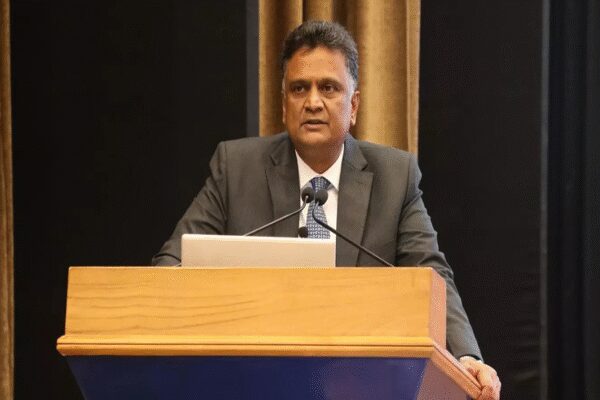
CAG K Sanjay Murthy (ANI) Comptroller and Auditor General of India K Sanjay Murthy on Friday said expanding access, strengthening data-driven governance and advancing institutional maturity in financial management are key pillars for achieving the Viksit Bharat vision, PTI reported.Speaking at the Viksit Bharat talk during the 100th Common Foundation Course at the Lal Bahadur…

Read More
You can’t …: Google CEO Sundar Pichai tells employees in all-hands meeting

You can’t …: Google CEO Sundar Pichai tells employees in all-hands meeting

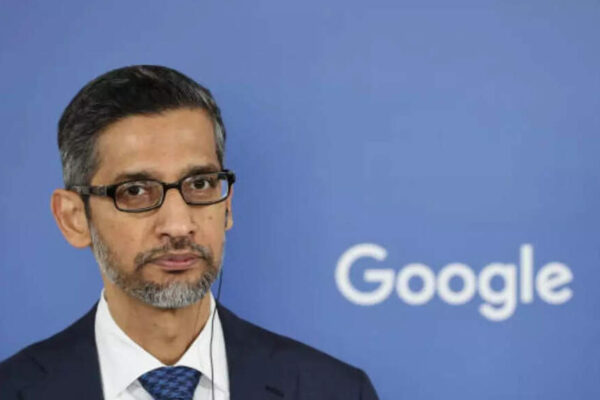
Google CEO Sundar Pichai delivered a ‘caution’ to employees during a recent all-hands meeting, warning that 2026 will be an “intense” year marked by heightened competition in artificial intelligence (AI) and mounting pressure to satisfy cloud computing demand. Pichai told the gathering that the workers cannot rest on their laurels and that there’s a lot…

Read More
Prime Minister Modi engaged in diplomatic exchanges at the G20 Summit, while UP CM Yogi Adityanath ordered action against unauthorized residents. The BJP criticized the Congress over Shashi Tharoor’s remarks on political civility. Meanwhile, cricketer Yashasvi Jaiswal set a unique record, and the Centre notified four consolidated Labour Codes. UP CM Yogi Adityanath (left), PM Modi with Italian PM Meloni  NEW DELHI: Prime Minister Narendra Modi’s interactions on the G20 Summit sidelines – including a brief exchange with Italian PM Giorgia Meloni and warm greetings with Brazil’s President Lula da Silva – alongside a vibrant cultural welcome by the Indian diaspora, highlighted India’s diplomatic presence in Johannesburg. Back home, Uttar Pradesh chief minister Yogi Adityanath directed officials to act firmly against unauthorized residents and prepare temporary holding centres, underscoring the state’s focus on security and compliance.In national politics, the BJP targeted the Congress after Shashi Tharoor’s praise of US-style political civility, questioning whether Rahul Gandhi would heed calls for democratic cooperation. Meanwhile, on the sporting front, Yashasvi Jaiswal continued to impress with his adaptability across Test venues. The Centre also advanced major policy changes by notifying four consolidated Labour Codes, extending protections to a wider range of workers and simplifying compliance for businesses.Here are your top stories of the evening: PM Modi on charm offensive at G20; shares laugh with Meloni, hugs world leadersPrime Minister Narendra Modi’s informal exchange with Italian PM Giorgia Meloni drew attention on the sidelines of the G20 Summit in Johannesburg. He was also seen warmly greeting other global leaders, including Brazil’s President Lula da Silva. PM’s arrival featured a colourful traditional welcome by performers and members of the Indian diaspora. Read full story UP CM Yogi orders crackdown on illegal immigrants amid SIRUttar Pradesh chief minister Yogi Adityanath has instructed district authorities to take strict action against those living in the state without authorization, underscoring the need to uphold order and protect national security. The government is also preparing to create temporary holding centres for such individuals until their removal can be carried out.Read full story BJP’s ‘sore loser’ swipe at Congress after fresh ammunition from Tharoor The BJP took a swipe at the Congress party questioning Rahul Gandhi’s willingness to embrace democratic cooperation after Shashi Tharoor praised a display of political civility in the US. Tharoor’s call for post-election unity in the national interest prompted a pointed response from BJP spokesperson Shehzad Poonawala, who asked whether Gandhi would take the message on board and refrain from what the BJP terms “sore loser” behaviour.Read full story Yashasvi Jaiswal’s unique record: Achieves what no cricketer has ever doneYashasvi Jaiswal’s impressive Test run has come with the unusual distinction of never featuring on the same venue twice. From his debut century in Dominica to his recent double tons against England, he has shown the ability to thrive across varied conditions. Though his latest outing in South Africa was challenging, his overall numbers continue to underline his promise.Read full story Labour rules revamped! What all do new codes cover? All you need to knowThe Centre has formally implemented wide-ranging labour reforms through four new Labour Codes, merging 29 earlier laws into a unified framework. The overhaul expands protections to fixed-term, contract, gig, platform and women workers, guaranteeing equal pay and broader employment options. It also establishes a national floor wage and streamlines compliance requirements for employers.Read full storyAbout the AuthorTOI News DeskThe TOI News Desk comprises a dedicated and tireless team of journalists who operate around the clock to deliver the most current and comprehensive news and updates to the readers of The Times of India worldwide. With an unwavering commitment to excellence in journalism, our team is at the forefront of gathering, verifying, and presenting breaking news, in-depth analysis, and insightful reports on a wide range of topics. The TOI News Desk is your trusted source for staying informed and connected to the ever-evolving global landscape, ensuring that our readers are equipped with the latest developments that matter most.”Read MoreEnd of ArticleFollow Us On Social MediaVideosManipur Sangai Festival 2025- ThemeSangai Festival 2025 Opening CeremonyEx-VP Jagdeep Dhankhar Breaks Silence, Calls Out Narrative Traps With Cryptic Reference To His Past’This Is How Democracy Should Work’: Shashi Tharoor’s Truth Bomb on Cong After Trump-Mamdani MeetingChina Used India-Pak Hostilities For Real-World Weapon Tests And Global Arms Sales, Says US ReportRSS Chief Mohan Bhagwat Warns Civilisations Will Fade But Hindus Endure While Calling For UnityIndia Urges Stronger Global Action At UN As Navy’s 520 Rescues Spotlight Arabian Sea InstabilityAt Indo-Pacific Forum, Pakistan Claims India Endangering Peace With War Rhetoric, IWT SuspensionBravery In The Sky: The Story Of Namansh Syal, Tejas Pilot Who Died During The Dubai Airshow DisplayAustralian PM Condoles Red Fort Attack, Saudi Bus Tragedy As He Meets PM Modi During G20 Summit123PhotostoriesStep-by-step guide for growing Kiwi in your balcony gardenTomato Price Hike: 11 delicious & healthy tomato substitutes to try’Barfi’, ‘Black’ to ‘Masaan’: Bollywood films where actions speak more than words5 Signs your child may be struggling with depression and how you can helpMumbai’s Rs 100-Crore Footpath Revamp: What’s Changing on Key RoadsThe must-have vaccines every child needs: What parents shouldn’t skip9 gorgeous white animals that reflect nature’s elegance9 regional chicken dishes from across IndiaActor who lost 10 films overnight after a set accident with Amitabh Bachchan, went jobless for 6 years, is now…How Bengaluru’s Vande Bharat Sleeper Rake Aims to Transform Long-Distance Travel123Hot PicksDelhi AQI TodayBihar Minister List 2025Bihar CM Oath CeremonyGold rate todaySilver rate todayPublic Holidays NovemberBank Holidays NovemberTop TrendingPortland Trail Blazers vs Golden State WarriorsSavannah JamesMiami Heat vs Chicago BullsSophie CunninghamHow to get Vecna Skin in FortniteAdam FootePM ModiLebron JamesNBA CupCade Cunningham

Prime Minister Modi engaged in diplomatic exchanges at the G20 Summit, while UP CM Yogi Adityanath ordered action against unauthorized residents. The BJP criticized the Congress over Shashi Tharoor’s remarks on political civility. Meanwhile, cricketer Yashasvi Jaiswal set a unique record, and the Centre notified four consolidated Labour Codes. UP CM Yogi Adityanath (left), PM Modi with Italian PM Meloni NEW DELHI: Prime Minister Narendra Modi’s interactions on the G20 Summit sidelines – including a brief exchange with Italian PM Giorgia Meloni and warm greetings with Brazil’s President Lula da Silva – alongside a vibrant cultural welcome by the Indian diaspora, highlighted India’s diplomatic presence in Johannesburg. Back home, Uttar Pradesh chief minister Yogi Adityanath directed officials to act firmly against unauthorized residents and prepare temporary holding centres, underscoring the state’s focus on security and compliance.In national politics, the BJP targeted the Congress after Shashi Tharoor’s praise of US-style political civility, questioning whether Rahul Gandhi would heed calls for democratic cooperation. Meanwhile, on the sporting front, Yashasvi Jaiswal continued to impress with his adaptability across Test venues. The Centre also advanced major policy changes by notifying four consolidated Labour Codes, extending protections to a wider range of workers and simplifying compliance for businesses.Here are your top stories of the evening: PM Modi on charm offensive at G20; shares laugh with Meloni, hugs world leadersPrime Minister Narendra Modi’s informal exchange with Italian PM Giorgia Meloni drew attention on the sidelines of the G20 Summit in Johannesburg. He was also seen warmly greeting other global leaders, including Brazil’s President Lula da Silva. PM’s arrival featured a colourful traditional welcome by performers and members of the Indian diaspora. Read full story UP CM Yogi orders crackdown on illegal immigrants amid SIRUttar Pradesh chief minister Yogi Adityanath has instructed district authorities to take strict action against those living in the state without authorization, underscoring the need to uphold order and protect national security. The government is also preparing to create temporary holding centres for such individuals until their removal can be carried out.Read full story BJP’s ‘sore loser’ swipe at Congress after fresh ammunition from Tharoor The BJP took a swipe at the Congress party questioning Rahul Gandhi’s willingness to embrace democratic cooperation after Shashi Tharoor praised a display of political civility in the US. Tharoor’s call for post-election unity in the national interest prompted a pointed response from BJP spokesperson Shehzad Poonawala, who asked whether Gandhi would take the message on board and refrain from what the BJP terms “sore loser” behaviour.Read full story Yashasvi Jaiswal’s unique record: Achieves what no cricketer has ever doneYashasvi Jaiswal’s impressive Test run has come with the unusual distinction of never featuring on the same venue twice. From his debut century in Dominica to his recent double tons against England, he has shown the ability to thrive across varied conditions. Though his latest outing in South Africa was challenging, his overall numbers continue to underline his promise.Read full story Labour rules revamped! What all do new codes cover? All you need to knowThe Centre has formally implemented wide-ranging labour reforms through four new Labour Codes, merging 29 earlier laws into a unified framework. The overhaul expands protections to fixed-term, contract, gig, platform and women workers, guaranteeing equal pay and broader employment options. It also establishes a national floor wage and streamlines compliance requirements for employers.Read full storyAbout the AuthorTOI News DeskThe TOI News Desk comprises a dedicated and tireless team of journalists who operate around the clock to deliver the most current and comprehensive news and updates to the readers of The Times of India worldwide. With an unwavering commitment to excellence in journalism, our team is at the forefront of gathering, verifying, and presenting breaking news, in-depth analysis, and insightful reports on a wide range of topics. The TOI News Desk is your trusted source for staying informed and connected to the ever-evolving global landscape, ensuring that our readers are equipped with the latest developments that matter most.”Read MoreEnd of ArticleFollow Us On Social MediaVideosManipur Sangai Festival 2025- ThemeSangai Festival 2025 Opening CeremonyEx-VP Jagdeep Dhankhar Breaks Silence, Calls Out Narrative Traps With Cryptic Reference To His Past’This Is How Democracy Should Work’: Shashi Tharoor’s Truth Bomb on Cong After Trump-Mamdani MeetingChina Used India-Pak Hostilities For Real-World Weapon Tests And Global Arms Sales, Says US ReportRSS Chief Mohan Bhagwat Warns Civilisations Will Fade But Hindus Endure While Calling For UnityIndia Urges Stronger Global Action At UN As Navy’s 520 Rescues Spotlight Arabian Sea InstabilityAt Indo-Pacific Forum, Pakistan Claims India Endangering Peace With War Rhetoric, IWT SuspensionBravery In The Sky: The Story Of Namansh Syal, Tejas Pilot Who Died During The Dubai Airshow DisplayAustralian PM Condoles Red Fort Attack, Saudi Bus Tragedy As He Meets PM Modi During G20 Summit123PhotostoriesStep-by-step guide for growing Kiwi in your balcony gardenTomato Price Hike: 11 delicious & healthy tomato substitutes to try’Barfi’, ‘Black’ to ‘Masaan’: Bollywood films where actions speak more than words5 Signs your child may be struggling with depression and how you can helpMumbai’s Rs 100-Crore Footpath Revamp: What’s Changing on Key RoadsThe must-have vaccines every child needs: What parents shouldn’t skip9 gorgeous white animals that reflect nature’s elegance9 regional chicken dishes from across IndiaActor who lost 10 films overnight after a set accident with Amitabh Bachchan, went jobless for 6 years, is now…How Bengaluru’s Vande Bharat Sleeper Rake Aims to Transform Long-Distance Travel123Hot PicksDelhi AQI TodayBihar Minister List 2025Bihar CM Oath CeremonyGold rate todaySilver rate todayPublic Holidays NovemberBank Holidays NovemberTop TrendingPortland Trail Blazers vs Golden State WarriorsSavannah JamesMiami Heat vs Chicago BullsSophie CunninghamHow to get Vecna Skin in FortniteAdam FootePM ModiLebron JamesNBA CupCade Cunningham

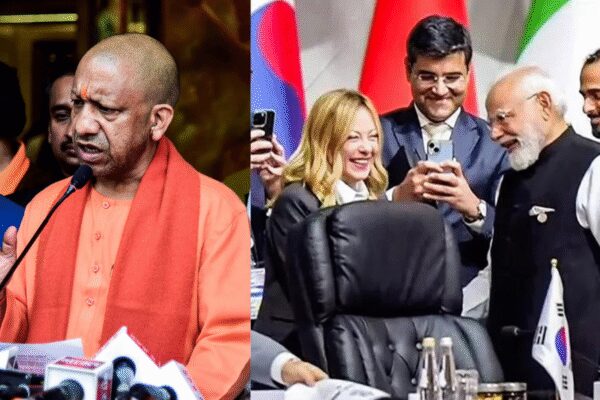
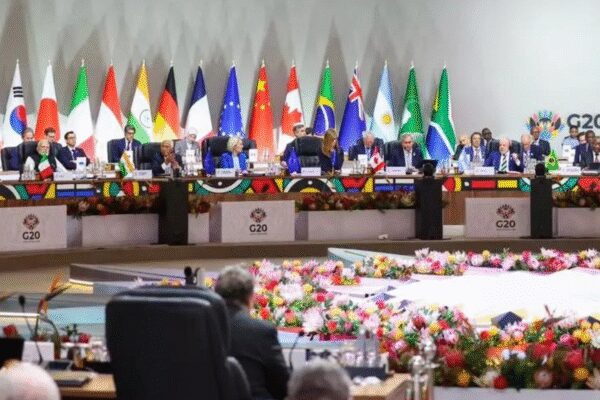
UP CM Yogi Adityanath (left), PM Modi with Italian PM Meloni NEW DELHI: Prime Minister Narendra Modi’s interactions on the G20 Summit sidelines – including a brief exchange with Italian PM Giorgia Meloni and warm greetings with Brazil’s President Lula da Silva – alongside a vibrant cultural welcome by the Indian diaspora, highlighted India’s diplomatic…

Read More
‘The whole nation will now go at them’: Nasser Hussain fumes as England face shambolic 1st Ashes Test defeat in Australia

‘The whole nation will now go at them’: Nasser Hussain fumes as England face shambolic 1st Ashes Test defeat in Australia

1st Ashes test match (AP Photo) Travis Head, serving as a makeshift opener, scored a rapid century off 69 balls to lead Australia to victory in the opening Ashes Test at Perth Stadium against England.Australia successfully chased down a target of 205 runs on day two, securing an eight-wicket win. Head scored 123 runs while…

Read More
‘Wild to allow a jihadist communist…’: Laura Loomer says she is ‘sad to see’ Zohran Mamdani stand beside Trump in the White House

‘Wild to allow a jihadist communist…’: Laura Loomer says she is ‘sad to see’ Zohran Mamdani stand beside Trump in the White House

In a fiery outburst, right-wing commentator Laura Loomer targeted the newly elected Mayor Zohran Mamdani, slamming him with harsh labels such as ‘jihadist communist’ and ‘Islamic immigrant from Africa. Right-wing commentator Laura Loomer attacked New York mayor-elect Zohran Mamdani for standing beside President Donald Trump during a meeting in the Oval Office. Loomer posted on…

Read More
In the early 1980s, Jangarh Singh Shyam’s art on a mud wall in Patangarh village was recognized as contemporary art by J. Swaminathan. This led to the global emergence of “Gond painting,” though many insist on calling it “Jangarh Kalam” to honor its individual creator and revolutionary style.  On a humid monsoon afternoon in the early 1980s, in a village most Indians had never heard of, a Delhi artist stood silently before a mud wall. The village was Patangarh, deep inside the Mandla forests of Madhya Pradesh. The wall belonged to a modest Gond home. And on that wall, painted in earth pigments and improvised brushes, a teenage boy had created a world that seemed to move – snakes curling into rivers, birds morphing into trees, forest spirits floating above hills, every surface breathing with lines, dots and patterns.The visitor, painter and thinker J Swaminathan, instantly sensed that this was not “tribal craft” or “folk ornamentation.” It had structure, language, confidence. It was, unmistakably, contemporary art. The boy was named Jangarh Singh Shyam. Within a decade, his work would travel from Patangarh to Bhopal, from Bhopal to Delhi, and eventually to Tokyo and Paris – carrying with it an idiom that came to be known worldwide as “Gond painting.” Those closest to him, however, insist that the truer name is “Jangarh Kalam.”The forest, the hill and the painted wallLong before the words “Gond painting” appeared in gallery catalogues or GI-tag notifications, there were just mud walls, red earth and the slow, attentive labour of village hands. In the forested belt of central India, in and around Patangarh in Madhya Pradesh’s Mandla district, painting was not a profession but a way of keeping faith with the world.The Gond and Pardhan communities who live here have long believed that every hill, river, tree and rock is inhabited by spirit. Art grew out of that belief. Images of tigers, peacocks, serpents, women, ancestors and deities were painted on the inner and outer walls of homes using what the land provided: charcoal for black, geru and other clays for warm reds and browns, chhui mitti for pale yellow or white, crushed leaves for green, plant sap and cow dung as binders.These images were not “artworks” in the contemporary sense. They were part of rituals marking harvests, marriages, festivals and propitiations to Bada Dev, the Gonds’ great god. The practice — digna and bhitti chitra — sat alongside oral traditions: the songs of Pardhan bards, the sound of the single-stringed bana, the stories of origins, animals and gods. The aesthetic was functional, sacred and collective.What did not exist yet was a single, named, portable “Gond painting” style. Different villages had different motifs, and the marks on the wall faded with time, rain and replastering. The leap from wall to canvas, from ritual to recognised art form, would come much later — and decisively through one young artist from Patangarh.From ritual markings to narrative artWhen we speak of Gond painting today, we are usually referring to a visual language built up from fine lines, dots and dashes, filling animal and human forms with pulsating pattern and colour. Horses, stags, fish, birds and trees are often shown in improbable combinations: a tree that is also a bird, a river that coils like a snake, a tiger whose body is made of leaves.These choices are not random decoration. They grow out of the community’s close observation of the forest, but they are also filtered through individual imagination and memory. As Mayank Singh Shyam, elder son of the late painter Jangarh Singh Shyam, explains of his father’s work:“This art emerged from my father’s soul and imagination, and on that foundation, it received the identity of a distinct style. The term ‘Gond painting’ is neither historically accurate nor rooted in our traditional practices. In India, artistic styles like Mithila, Madhubani, Warli, and Kalighat carry clear geographical identities. But Patangarh never received such recognition, and my father never called himself the creator of any ‘Gond’ style.”His description underlines two important things. First, that what we now call Gond painting is rooted in older wall traditions, but is not simply a direct transfer of those motifs. And second, that the form in which the world sees it today was decisively shaped by one individual.“I call it the Jangarh Style, because this was a revolutionary and completely new artistic form born from my father, the late Jangarh Singh Shyam. For the first time, someone created a stylistic form based on tribal memory, experience and tradition. Before him, the mural markings and motifs in our region did not have an independent artistic identity.“If you read research papers from the 1970s, you will not find any reference to ‘Gond painting’. This name was assigned later, merely because an Adivasi artist had created paintings drawn from his imagination and life experience.”The boy whose imagination lifted that visual memory onto paper and canvas grew up in the very landscape he painted — in Patangarh, among hill slopes whose very name, many scholars point out, echoes the Dravidian root kond or konda for green hill.The moment Patangarh entered the art mapThe turning point came in the early 1980s, when the currents of urban modern art met the currents of tribal expression in Bhopal. The mediator between these worlds was J Swaminathan — painter, poet, Marxist intellectual and one of the key figures behind Bharat Bhavan, the multi-arts complex that opened in 1982.At Bharat Bhavan, Swaminathan set up the Roopankar Museum of Folk and Tribal Art with a clear conviction: that tribal and folk artists were not anonymous “craftspeople” but contemporaries of any modern painter, thinking in their own visual philosophies. To make that visible, he travelled widely through the tribal belts of Madhya Pradesh, looking for artists whose work broke the frame of mere ritual.In 1981, that search brought him to Patangarh. On the mud walls of a house, he saw something that startled him: brilliantly imaginative scenes painted with a sureness of line that felt entirely personal rather than formulaic. The hand behind them was a teenager, Jangarh Singh Shyam.Swaminathan brought him to Bhopal. For the young painter, the move meant not just a change of geography but of medium and gaze. At Bharat Bhavan, he was given paper, canvas, brushes and poster colours. The walls of his childhood were replaced by surfaces that would not be plastered over. His images could now travel; they could be exhibited, sold, collected.In this new environment, the motifs of Patangarh began to expand. Birds and animals were no longer just auspicious elements in a domestic ritual; they became central protagonists in dense narrative fields. Trees grew bodies, gods inhabited forests, and the patterns of dots and lines began to act almost like musical notation — echoing the community’s bardic tradition in visual form.Jangarh kalam: When a style finds its nameAs these works began to circulate, critics and curators saw that something new was happening. This was not simply a documentation of tribal life for urban consumption; it was an authorial vision.Working at Bharat Bhavan, and later in other cities and abroad, Jangarh developed a distinctive technique: inner and outer contour lines drawn with great precision, and figures filled with comb-like strokes, rows of ovals, scales and squiggles that created an intense sense of movement. The surfaces of his paintings glowed with deep reds, electric blues and greens, bright yellows and speckled textures.The art world began to refer to this as “Jangarh Kalam” — the pen or style of Jangarh. Over time, however, as more artists from Patangarh and elsewhere adopted and adapted this vocabulary, the broader label “Gond painting” took hold, especially in the market and among urban buyers.For his family and many of his peers, this shift in terminology remains unresolved. The label “Gond painting” links the work to community identity, but it also risks erasing the very individuality that allowed it to enter the world in this form. Mayank voices that tension sharply:“People still look at traditional wall drawings and say they want the ‘traditional type of work’. They send me my father’s paintings as reference. They don’t know this is not tradition—it is a new style.“It is like salt—you cannot see it, but you taste it. You can see my father’s influence in every artist’s work. That essence is not Gond—it is Jangarh.”For the purposes of history, both terms now sit side by side: Gond painting as the larger field, Jangarh Kalam as a crucial, defining stream within it.Untitled Carousel     A village of paintersAs Jangarh’s reputation grew, so did the number of brushes and Rotring pens in Patangarh. Young men and women from the village and the surrounding Mandla forests began training, first informally, then as apprentices. Some learnt directly from him in Bhopal or during his visits; others studied his works that travelled back home.Names like Anarkali Shyam, Champi Bai Shyam, Rajesh Shyam, Santosh Maravi, Sanjay Pancheshwar and many others emerged from this context. Their paintings transformed “traditional musical memory into imaginative contemporary visuals”, as one exhibition curator put it: fairytale-like images crafted out of fine lines, scales and dots that vividly express stories based on folklore and mythology. In these canvases, animals grow into trees, trees merge into forests that seem to reach the gods, and the human figure often appears small in a world dominated by nature.The shift from charcoal and mud pigment to acrylics and ink did not mean an abandonment of older themes. Instead, it allowed them to be archived, traded and displayed. Red began to stand for the heat of the sun, yellow for energy, green for the forest’s life, blue for calmness and tranquillity. The language of colour, once dictated by whatever the soil and leaves could provide, now also responded to market demands and exhibition lighting.At the same time, Gond painting retained a quality that set it apart from much urban art: a persistent refusal to place humans at the centre of the universe. Trees, tigers, elephants and peacocks are often the real protagonists. The paintings become both celebration and warning — quietly rebelling against deforestation, urban decay and the loss of habitat by insisting, again and again, on the primacy of the more-than-human world.New stories, new mediumsWhile many Patangarh artists continued to work in a vocabulary close to Jangarh’s, others took seriously his advice that each artist must find their own way. Nowhere is this more visible than in the work of his daughter, Japani Shyam.She grew up literally at his side: “My father is my guru. I learnt painting from him. I was very young at that time, but I still worked with him. From time to time, he would teach me things while working on his paintings, and I would follow what he showed me.“The style comes naturally. Whoever learnt from him, you can see his influence in all their work. I have seen my father doing highly experimental work. He always said that every artist should create their own distinct style.”Watching him create dazzling, highly coloured works filled with detail, she chose to move in a visually opposite direction, without abandoning the underlying grammar.“My father always worked in very colourful compositions with a lot of detailing. Detailing has always been part of our work, but I felt that I should bring something different into my own work.“In traditional Gond painting, there are bright, vibrant colours and a lot of detailing. People recognise a Gond painting immediately. In the beginning, I also worked exactly like my father.“But remembering what he told all of us — ‘create your own style’ — I started working in just two colours, with a white background. At first, people could not understand it, because they were used to seeing Gond paintings in very bright colours. So black-and-white looked very different to them.“Gradually, I explained that the story is still the same, the same nature, the same themes — I only changed the colours and medium. That is how my work began to acquire a separate identity.”Her canvases often centre women and contemporary life as much as forests and animals:“In our traditional Gond painting, the focus is mainly on nature — trees, birds, animals. That still exists, but now I take ideas from what I see in front of me.“Whether it is the city, the village, or the lives of women — most of my work has been centred around women. I observe the surroundings where I live: city life, village life, what is happening in the present time, and I work on that.“Instead of creating long mythic stories, I now work on real things around me. That is what makes my work a little different from others.”In doing so, she embodies one of the most striking features of Gond painting today: its ability to remain rooted in ritual and nature while absorbing the pressures and textures of the present — from migration and urbanisation to gendered experience.Lineage, labour and the question of authenticityThe growing popularity of Gond painting, especially in urban fairs and online platforms, has raised a familiar problem in folk and tribal arts: how to tell the difference between deep, rooted work and shallow imitation. Japani’s response to this is less about policing than about attention:“As you start understanding something deeply, you begin to recognise quality in one glance.“Today many people like Gond painting, but only a few truly understand it. On the internet, in fairs, there are many artists — some from our community, some not — all working under the name ‘Gond painting’.“Some people just think it is Gond painting, no matter who made it. But there are others who know the artist’s name, understand the story and what is actually being conveyed.“I think only those who have a genuine interest in art, and who know and understand it, can truly identify which work is deeper and distinct.”Her favourite works of her father say something about what that depth looks like: “It’s very difficult for me to choose five, because I love all of my father’s work. But personally, I especially love his works based on gods and goddesses.“The way he painted gods and goddesses — whether in drawings or colourful paintings — was entirely his own style. Their eyes, faces, mouths, noses, the jewellery, the adornment — everything was very detailed and imaginative.“Perhaps nobody imagined our deities like that before. But he created them through his imagination in such a way that they do not look frightening or wrong — just astonishing.”In those faces — neither sanitised nor terrifying — one can glimpse what made his work, and by extension Gond painting as we know it, so singular.A journey that ended in JapanIf the story of Gond painting’s rise has the feel of a fairytale — a boy from a remote village discovered by a renowned modernist, his work travelling to museums in Tokyo, Paris and London — its central figure’s death remains a stark reminder of the vulnerabilities behind such trajectories.In 2001, while working in Japan, Jangarh died in circumstances that have since been described in official records as suicide. For his family, the questions around that moment remain raw. Mayank says simply:“This question has lived in my mind for 25 years. What happened with my father remains unanswered. Why did it happen in Japan, even though he had already travelled there twice earlier? Who facilitated his travel? Under what circumstances did everything unfold there? The truth is still unknown.“People say he was depressed, but we never knew of him taking any such medication. He loved us deeply. We could not even see him one final time—his body came home after ten days. We could not embrace him and cry.“It is the deepest wish of my mother, my siblings and mine that we go to Japan and light a lamp at the place where he breathed his last.”For the art, however, that journey from Patangarh to Japan left a lasting mark. Large murals in Japanese museums, international exhibitions in Europe and America, and high-profile sales turned Gond painting from an almost entirely local practice into a recognised category in the global art market.Recognition, gaps and the role of the stateDespite this international acclaim, the recognition accorded at home has been uneven. Jangarh received the Madhya Pradesh government’s Shikhar Samman, and his works have entered major Indian collections. Yet, as Mayank points out, the scale of his contribution — creating an entire stylistic movement and opening a path for dozens of artists — has not been fully matched by institutional honour:“Despite creating such a revolutionary artistic movement, 25 years have passed and the government has given nothing beyond the Shikhar Award. The students he trained received honours. But the one who created the style did not. That is the biggest mistake.“We all artists believe that if this style is officially recognised as the ‘Jangarh Style’ or ‘Jan-Kalam’, it would be the greatest tribute to him.”Their demand is not only personal. It speaks to a broader question: can the state and the art establishment recognise individual Adivasi artists not merely as representatives of a community form, but as authors of styles and movements? The GI tag for Gond painting from Madhya Pradesh acknowledges geographic and community origin; what Mayank and others seek is a similar clarity around authorship within that field.Why Gond painting still needs a new audience at homeGlobally, Gond painting — especially works from the Jangarh lineage — enjoys a steady presence. Exhibitions in Paris, London, Tokyo and New York, illustrated books, collaborations with designers and international collectors have all kept demand alive. Mayank notes from experience:“In India, people still don’t fully understand how important this art is. I have just returned from exhibiting in Paris. Abroad, there is deep respect for it. But in India, awareness is still lacking. That is why media has a crucial role.”That role involves more than celebrating “tribal art” in occasional features or festivals. It means telling the story of how a village like Patangarh became a hub of contemporary practice; how women like Japani have taken the line and dot further into new subjects; how younger artists are using the Gond vocabulary to speak of climate anxiety, migration, caste and gender. And it means listening carefully when those within the tradition say that names matter — that “Gond painting” is not a flat, singular thing, but a field in which Jangarh Kalam occupies a defining place.From mud walls washed away each monsoon to canvases that hang in climate-controlled galleries thousands of kilometres away, the journey of Gond painting is not just a story of art. It is a story of how imagination travels: from a boy in a forest village painting what he sees and dreams, to a family and a community who continue to hold that line steady, even as the world looks on.About the AuthorAyush PandeyAyush Pandey is a journalist at the Times of India. He covers breaking news, political developments, and key legal and policy shifts across India and the world, with a focus on politics, elections, and institutional affairs.

He also specialises in analytical explainers and in-depth feature stories that examine the broader implications of political alliances, policy changes, and evolving public sentiment.Read MoreEnd of ArticleFollow Us On Social MediaVideosManipur Sangai Festival 2025- ThemeSangai Festival 2025 Opening CeremonyEx-VP Jagdeep Dhankhar Breaks Silence, Calls Out Narrative Traps With Cryptic Reference To His Past’This Is How Democracy Should Work’: Shashi Tharoor’s Truth Bomb on Cong After Trump-Mamdani MeetingChina Used India-Pak Hostilities For Real-World Weapon Tests And Global Arms Sales, Says US ReportRSS Chief Mohan Bhagwat Warns Civilisations Will Fade But Hindus Endure While Calling For UnityIndia Urges Stronger Global Action At UN As Navy’s 520 Rescues Spotlight Arabian Sea InstabilityAt Indo-Pacific Forum, Pakistan Claims India Endangering Peace With War Rhetoric, IWT SuspensionBravery In The Sky: The Story Of Namansh Syal, Tejas Pilot Who Died During The Dubai Airshow DisplayAustralian PM Condoles Red Fort Attack, Saudi Bus Tragedy As He Meets PM Modi During G20 Summit123PhotostoriesStep-by-step guide for growing Kiwi in your balcony gardenTomato Price Hike: 11 delicious & healthy tomato substitutes to try’Barfi’, ‘Black’ to ‘Masaan’: Bollywood films where actions speak more than words5 Signs your child may be struggling with depression and how you can helpMumbai’s Rs 100-Crore Footpath Revamp: What’s Changing on Key RoadsThe must-have vaccines every child needs: What parents shouldn’t skip9 gorgeous white animals that reflect nature’s elegance9 regional chicken dishes from across IndiaActor who lost 10 films overnight after a set accident with Amitabh Bachchan, went jobless for 6 years, is now…How Bengaluru’s Vande Bharat Sleeper Rake Aims to Transform Long-Distance Travel123Hot PicksDelhi AQI TodayBihar Minister List 2025Bihar CM Oath CeremonyGold rate todaySilver rate todayPublic Holidays NovemberBank Holidays NovemberTop TrendingPortland Trail Blazers vs Golden State WarriorsSavannah JamesMiami Heat vs Chicago BullsSophie CunninghamHow to get Vecna Skin in FortniteAdam FootePM ModiLebron JamesNBA CupCade Cunningham

In the early 1980s, Jangarh Singh Shyam’s art on a mud wall in Patangarh village was recognized as contemporary art by J. Swaminathan. This led to the global emergence of “Gond painting,” though many insist on calling it “Jangarh Kalam” to honor its individual creator and revolutionary style. On a humid monsoon afternoon in the early 1980s, in a village most Indians had never heard of, a Delhi artist stood silently before a mud wall. The village was Patangarh, deep inside the Mandla forests of Madhya Pradesh. The wall belonged to a modest Gond home. And on that wall, painted in earth pigments and improvised brushes, a teenage boy had created a world that seemed to move – snakes curling into rivers, birds morphing into trees, forest spirits floating above hills, every surface breathing with lines, dots and patterns.The visitor, painter and thinker J Swaminathan, instantly sensed that this was not “tribal craft” or “folk ornamentation.” It had structure, language, confidence. It was, unmistakably, contemporary art. The boy was named Jangarh Singh Shyam. Within a decade, his work would travel from Patangarh to Bhopal, from Bhopal to Delhi, and eventually to Tokyo and Paris – carrying with it an idiom that came to be known worldwide as “Gond painting.” Those closest to him, however, insist that the truer name is “Jangarh Kalam.”The forest, the hill and the painted wallLong before the words “Gond painting” appeared in gallery catalogues or GI-tag notifications, there were just mud walls, red earth and the slow, attentive labour of village hands. In the forested belt of central India, in and around Patangarh in Madhya Pradesh’s Mandla district, painting was not a profession but a way of keeping faith with the world.The Gond and Pardhan communities who live here have long believed that every hill, river, tree and rock is inhabited by spirit. Art grew out of that belief. Images of tigers, peacocks, serpents, women, ancestors and deities were painted on the inner and outer walls of homes using what the land provided: charcoal for black, geru and other clays for warm reds and browns, chhui mitti for pale yellow or white, crushed leaves for green, plant sap and cow dung as binders.These images were not “artworks” in the contemporary sense. They were part of rituals marking harvests, marriages, festivals and propitiations to Bada Dev, the Gonds’ great god. The practice — digna and bhitti chitra — sat alongside oral traditions: the songs of Pardhan bards, the sound of the single-stringed bana, the stories of origins, animals and gods. The aesthetic was functional, sacred and collective.What did not exist yet was a single, named, portable “Gond painting” style. Different villages had different motifs, and the marks on the wall faded with time, rain and replastering. The leap from wall to canvas, from ritual to recognised art form, would come much later — and decisively through one young artist from Patangarh.From ritual markings to narrative artWhen we speak of Gond painting today, we are usually referring to a visual language built up from fine lines, dots and dashes, filling animal and human forms with pulsating pattern and colour. Horses, stags, fish, birds and trees are often shown in improbable combinations: a tree that is also a bird, a river that coils like a snake, a tiger whose body is made of leaves.These choices are not random decoration. They grow out of the community’s close observation of the forest, but they are also filtered through individual imagination and memory. As Mayank Singh Shyam, elder son of the late painter Jangarh Singh Shyam, explains of his father’s work:“This art emerged from my father’s soul and imagination, and on that foundation, it received the identity of a distinct style. The term ‘Gond painting’ is neither historically accurate nor rooted in our traditional practices. In India, artistic styles like Mithila, Madhubani, Warli, and Kalighat carry clear geographical identities. But Patangarh never received such recognition, and my father never called himself the creator of any ‘Gond’ style.”His description underlines two important things. First, that what we now call Gond painting is rooted in older wall traditions, but is not simply a direct transfer of those motifs. And second, that the form in which the world sees it today was decisively shaped by one individual.“I call it the Jangarh Style, because this was a revolutionary and completely new artistic form born from my father, the late Jangarh Singh Shyam. For the first time, someone created a stylistic form based on tribal memory, experience and tradition. Before him, the mural markings and motifs in our region did not have an independent artistic identity.“If you read research papers from the 1970s, you will not find any reference to ‘Gond painting’. This name was assigned later, merely because an Adivasi artist had created paintings drawn from his imagination and life experience.”The boy whose imagination lifted that visual memory onto paper and canvas grew up in the very landscape he painted — in Patangarh, among hill slopes whose very name, many scholars point out, echoes the Dravidian root kond or konda for green hill.The moment Patangarh entered the art mapThe turning point came in the early 1980s, when the currents of urban modern art met the currents of tribal expression in Bhopal. The mediator between these worlds was J Swaminathan — painter, poet, Marxist intellectual and one of the key figures behind Bharat Bhavan, the multi-arts complex that opened in 1982.At Bharat Bhavan, Swaminathan set up the Roopankar Museum of Folk and Tribal Art with a clear conviction: that tribal and folk artists were not anonymous “craftspeople” but contemporaries of any modern painter, thinking in their own visual philosophies. To make that visible, he travelled widely through the tribal belts of Madhya Pradesh, looking for artists whose work broke the frame of mere ritual.In 1981, that search brought him to Patangarh. On the mud walls of a house, he saw something that startled him: brilliantly imaginative scenes painted with a sureness of line that felt entirely personal rather than formulaic. The hand behind them was a teenager, Jangarh Singh Shyam.Swaminathan brought him to Bhopal. For the young painter, the move meant not just a change of geography but of medium and gaze. At Bharat Bhavan, he was given paper, canvas, brushes and poster colours. The walls of his childhood were replaced by surfaces that would not be plastered over. His images could now travel; they could be exhibited, sold, collected.In this new environment, the motifs of Patangarh began to expand. Birds and animals were no longer just auspicious elements in a domestic ritual; they became central protagonists in dense narrative fields. Trees grew bodies, gods inhabited forests, and the patterns of dots and lines began to act almost like musical notation — echoing the community’s bardic tradition in visual form.Jangarh kalam: When a style finds its nameAs these works began to circulate, critics and curators saw that something new was happening. This was not simply a documentation of tribal life for urban consumption; it was an authorial vision.Working at Bharat Bhavan, and later in other cities and abroad, Jangarh developed a distinctive technique: inner and outer contour lines drawn with great precision, and figures filled with comb-like strokes, rows of ovals, scales and squiggles that created an intense sense of movement. The surfaces of his paintings glowed with deep reds, electric blues and greens, bright yellows and speckled textures.The art world began to refer to this as “Jangarh Kalam” — the pen or style of Jangarh. Over time, however, as more artists from Patangarh and elsewhere adopted and adapted this vocabulary, the broader label “Gond painting” took hold, especially in the market and among urban buyers.For his family and many of his peers, this shift in terminology remains unresolved. The label “Gond painting” links the work to community identity, but it also risks erasing the very individuality that allowed it to enter the world in this form. Mayank voices that tension sharply:“People still look at traditional wall drawings and say they want the ‘traditional type of work’. They send me my father’s paintings as reference. They don’t know this is not tradition—it is a new style.“It is like salt—you cannot see it, but you taste it. You can see my father’s influence in every artist’s work. That essence is not Gond—it is Jangarh.”For the purposes of history, both terms now sit side by side: Gond painting as the larger field, Jangarh Kalam as a crucial, defining stream within it.Untitled Carousel A village of paintersAs Jangarh’s reputation grew, so did the number of brushes and Rotring pens in Patangarh. Young men and women from the village and the surrounding Mandla forests began training, first informally, then as apprentices. Some learnt directly from him in Bhopal or during his visits; others studied his works that travelled back home.Names like Anarkali Shyam, Champi Bai Shyam, Rajesh Shyam, Santosh Maravi, Sanjay Pancheshwar and many others emerged from this context. Their paintings transformed “traditional musical memory into imaginative contemporary visuals”, as one exhibition curator put it: fairytale-like images crafted out of fine lines, scales and dots that vividly express stories based on folklore and mythology. In these canvases, animals grow into trees, trees merge into forests that seem to reach the gods, and the human figure often appears small in a world dominated by nature.The shift from charcoal and mud pigment to acrylics and ink did not mean an abandonment of older themes. Instead, it allowed them to be archived, traded and displayed. Red began to stand for the heat of the sun, yellow for energy, green for the forest’s life, blue for calmness and tranquillity. The language of colour, once dictated by whatever the soil and leaves could provide, now also responded to market demands and exhibition lighting.At the same time, Gond painting retained a quality that set it apart from much urban art: a persistent refusal to place humans at the centre of the universe. Trees, tigers, elephants and peacocks are often the real protagonists. The paintings become both celebration and warning — quietly rebelling against deforestation, urban decay and the loss of habitat by insisting, again and again, on the primacy of the more-than-human world.New stories, new mediumsWhile many Patangarh artists continued to work in a vocabulary close to Jangarh’s, others took seriously his advice that each artist must find their own way. Nowhere is this more visible than in the work of his daughter, Japani Shyam.She grew up literally at his side: “My father is my guru. I learnt painting from him. I was very young at that time, but I still worked with him. From time to time, he would teach me things while working on his paintings, and I would follow what he showed me.“The style comes naturally. Whoever learnt from him, you can see his influence in all their work. I have seen my father doing highly experimental work. He always said that every artist should create their own distinct style.”Watching him create dazzling, highly coloured works filled with detail, she chose to move in a visually opposite direction, without abandoning the underlying grammar.“My father always worked in very colourful compositions with a lot of detailing. Detailing has always been part of our work, but I felt that I should bring something different into my own work.“In traditional Gond painting, there are bright, vibrant colours and a lot of detailing. People recognise a Gond painting immediately. In the beginning, I also worked exactly like my father.“But remembering what he told all of us — ‘create your own style’ — I started working in just two colours, with a white background. At first, people could not understand it, because they were used to seeing Gond paintings in very bright colours. So black-and-white looked very different to them.“Gradually, I explained that the story is still the same, the same nature, the same themes — I only changed the colours and medium. That is how my work began to acquire a separate identity.”Her canvases often centre women and contemporary life as much as forests and animals:“In our traditional Gond painting, the focus is mainly on nature — trees, birds, animals. That still exists, but now I take ideas from what I see in front of me.“Whether it is the city, the village, or the lives of women — most of my work has been centred around women. I observe the surroundings where I live: city life, village life, what is happening in the present time, and I work on that.“Instead of creating long mythic stories, I now work on real things around me. That is what makes my work a little different from others.”In doing so, she embodies one of the most striking features of Gond painting today: its ability to remain rooted in ritual and nature while absorbing the pressures and textures of the present — from migration and urbanisation to gendered experience.Lineage, labour and the question of authenticityThe growing popularity of Gond painting, especially in urban fairs and online platforms, has raised a familiar problem in folk and tribal arts: how to tell the difference between deep, rooted work and shallow imitation. Japani’s response to this is less about policing than about attention:“As you start understanding something deeply, you begin to recognise quality in one glance.“Today many people like Gond painting, but only a few truly understand it. On the internet, in fairs, there are many artists — some from our community, some not — all working under the name ‘Gond painting’.“Some people just think it is Gond painting, no matter who made it. But there are others who know the artist’s name, understand the story and what is actually being conveyed.“I think only those who have a genuine interest in art, and who know and understand it, can truly identify which work is deeper and distinct.”Her favourite works of her father say something about what that depth looks like: “It’s very difficult for me to choose five, because I love all of my father’s work. But personally, I especially love his works based on gods and goddesses.“The way he painted gods and goddesses — whether in drawings or colourful paintings — was entirely his own style. Their eyes, faces, mouths, noses, the jewellery, the adornment — everything was very detailed and imaginative.“Perhaps nobody imagined our deities like that before. But he created them through his imagination in such a way that they do not look frightening or wrong — just astonishing.”In those faces — neither sanitised nor terrifying — one can glimpse what made his work, and by extension Gond painting as we know it, so singular.A journey that ended in JapanIf the story of Gond painting’s rise has the feel of a fairytale — a boy from a remote village discovered by a renowned modernist, his work travelling to museums in Tokyo, Paris and London — its central figure’s death remains a stark reminder of the vulnerabilities behind such trajectories.In 2001, while working in Japan, Jangarh died in circumstances that have since been described in official records as suicide. For his family, the questions around that moment remain raw. Mayank says simply:“This question has lived in my mind for 25 years. What happened with my father remains unanswered. Why did it happen in Japan, even though he had already travelled there twice earlier? Who facilitated his travel? Under what circumstances did everything unfold there? The truth is still unknown.“People say he was depressed, but we never knew of him taking any such medication. He loved us deeply. We could not even see him one final time—his body came home after ten days. We could not embrace him and cry.“It is the deepest wish of my mother, my siblings and mine that we go to Japan and light a lamp at the place where he breathed his last.”For the art, however, that journey from Patangarh to Japan left a lasting mark. Large murals in Japanese museums, international exhibitions in Europe and America, and high-profile sales turned Gond painting from an almost entirely local practice into a recognised category in the global art market.Recognition, gaps and the role of the stateDespite this international acclaim, the recognition accorded at home has been uneven. Jangarh received the Madhya Pradesh government’s Shikhar Samman, and his works have entered major Indian collections. Yet, as Mayank points out, the scale of his contribution — creating an entire stylistic movement and opening a path for dozens of artists — has not been fully matched by institutional honour:“Despite creating such a revolutionary artistic movement, 25 years have passed and the government has given nothing beyond the Shikhar Award. The students he trained received honours. But the one who created the style did not. That is the biggest mistake.“We all artists believe that if this style is officially recognised as the ‘Jangarh Style’ or ‘Jan-Kalam’, it would be the greatest tribute to him.”Their demand is not only personal. It speaks to a broader question: can the state and the art establishment recognise individual Adivasi artists not merely as representatives of a community form, but as authors of styles and movements? The GI tag for Gond painting from Madhya Pradesh acknowledges geographic and community origin; what Mayank and others seek is a similar clarity around authorship within that field.Why Gond painting still needs a new audience at homeGlobally, Gond painting — especially works from the Jangarh lineage — enjoys a steady presence. Exhibitions in Paris, London, Tokyo and New York, illustrated books, collaborations with designers and international collectors have all kept demand alive. Mayank notes from experience:“In India, people still don’t fully understand how important this art is. I have just returned from exhibiting in Paris. Abroad, there is deep respect for it. But in India, awareness is still lacking. That is why media has a crucial role.”That role involves more than celebrating “tribal art” in occasional features or festivals. It means telling the story of how a village like Patangarh became a hub of contemporary practice; how women like Japani have taken the line and dot further into new subjects; how younger artists are using the Gond vocabulary to speak of climate anxiety, migration, caste and gender. And it means listening carefully when those within the tradition say that names matter — that “Gond painting” is not a flat, singular thing, but a field in which Jangarh Kalam occupies a defining place.From mud walls washed away each monsoon to canvases that hang in climate-controlled galleries thousands of kilometres away, the journey of Gond painting is not just a story of art. It is a story of how imagination travels: from a boy in a forest village painting what he sees and dreams, to a family and a community who continue to hold that line steady, even as the world looks on.About the AuthorAyush PandeyAyush Pandey is a journalist at the Times of India. He covers breaking news, political developments, and key legal and policy shifts across India and the world, with a focus on politics, elections, and institutional affairs. He also specialises in analytical explainers and in-depth feature stories that examine the broader implications of political alliances, policy changes, and evolving public sentiment.Read MoreEnd of ArticleFollow Us On Social MediaVideosManipur Sangai Festival 2025- ThemeSangai Festival 2025 Opening CeremonyEx-VP Jagdeep Dhankhar Breaks Silence, Calls Out Narrative Traps With Cryptic Reference To His Past’This Is How Democracy Should Work’: Shashi Tharoor’s Truth Bomb on Cong After Trump-Mamdani MeetingChina Used India-Pak Hostilities For Real-World Weapon Tests And Global Arms Sales, Says US ReportRSS Chief Mohan Bhagwat Warns Civilisations Will Fade But Hindus Endure While Calling For UnityIndia Urges Stronger Global Action At UN As Navy’s 520 Rescues Spotlight Arabian Sea InstabilityAt Indo-Pacific Forum, Pakistan Claims India Endangering Peace With War Rhetoric, IWT SuspensionBravery In The Sky: The Story Of Namansh Syal, Tejas Pilot Who Died During The Dubai Airshow DisplayAustralian PM Condoles Red Fort Attack, Saudi Bus Tragedy As He Meets PM Modi During G20 Summit123PhotostoriesStep-by-step guide for growing Kiwi in your balcony gardenTomato Price Hike: 11 delicious & healthy tomato substitutes to try’Barfi’, ‘Black’ to ‘Masaan’: Bollywood films where actions speak more than words5 Signs your child may be struggling with depression and how you can helpMumbai’s Rs 100-Crore Footpath Revamp: What’s Changing on Key RoadsThe must-have vaccines every child needs: What parents shouldn’t skip9 gorgeous white animals that reflect nature’s elegance9 regional chicken dishes from across IndiaActor who lost 10 films overnight after a set accident with Amitabh Bachchan, went jobless for 6 years, is now…How Bengaluru’s Vande Bharat Sleeper Rake Aims to Transform Long-Distance Travel123Hot PicksDelhi AQI TodayBihar Minister List 2025Bihar CM Oath CeremonyGold rate todaySilver rate todayPublic Holidays NovemberBank Holidays NovemberTop TrendingPortland Trail Blazers vs Golden State WarriorsSavannah JamesMiami Heat vs Chicago BullsSophie CunninghamHow to get Vecna Skin in FortniteAdam FootePM ModiLebron JamesNBA CupCade Cunningham

On a humid monsoon afternoon in the early 1980s, in a village most Indians had never heard of, a Delhi artist stood silently before a mud wall. The village was Patangarh, deep inside the Mandla forests of Madhya Pradesh. The wall belonged to a modest Gond home. And on that wall, painted in earth pigments…

Read More
Aviation ties: Air India restores codeshare with Air Canada; flyers get wider access across Canada

Aviation ties: Air India restores codeshare with Air Canada; flyers get wider access across Canada

Air India on Saturday announced it has reinstated its codeshare partnership with Air Canada, resuming a tie-up that was suspended more than five years ago during the coronavirus pandemic.Under the renewed arrangement, Air India will offer passengers access to six destinations in Canada beyond its gateways at Vancouver and London Heathrow, PTI reported. The airline…

Read More