‘Long live friendship between our countries!’: Macron hails India-France ties;  meets PM Modi on G20 Summit sidelines

‘Long live friendship between our countries!’: Macron hails India-France ties; meets PM Modi on G20 Summit sidelines

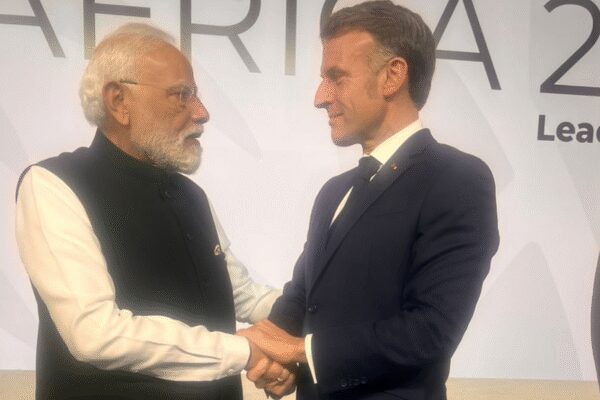
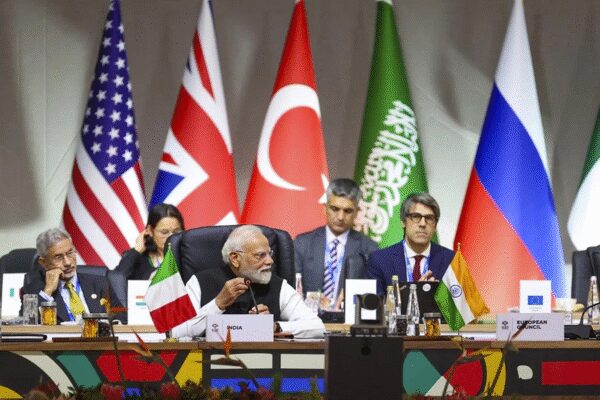
(Image credits: X @narendramodi) NEW DELHI: French President Emmanuel Macron and Prime Minister Narendra Modi on Sunday reaffirmed the close and growing partnership between India and France during a meeting on the sidelines of the 2025 G20 Summit in Johannesburg.After the discussion, President Macron posted on X, saying, “Thank you, my friend, dear Narendra Modi….

Read More
28-point proposal: Trump asked if peace plan was his ‘final offer’ to Ukraine; here’s what he said

28-point proposal: Trump asked if peace plan was his ‘final offer’ to Ukraine; here’s what he said

US President Donald Trump (Photo credit: AP) US President Donald Trump on Saturday said the US peace plan for ending the nearly four-year Russia-Ukraine war is “not my final offer” to Kyiv, suggesting the Thanksgiving deadline could be extended if progress is made in negotiations. The remarks hint at Washington’s intent to push for a…

Read More
Two recent deaths at the National Defence Academy (NDA) have sparked urgent introspection into cadet selection and training. The tragic loss of two first-term cadets, one by suicide and another in a drowning incident, highlights immense adjustment pressures. Experts call for systemic reforms in physical and psychological assessments to ensure cadet safety without compromising toughness. File pic of PT display during an NDA convocation ceremony NDA’s training regimen takes cadets beyond mental and physical limits of endurance. For some, however, the going gets really tough and the road ends not in a quiet withdrawal, but in tragedy. Two recent deaths at the premier military training academy have forced deep introspection into selection and trainingIt was DLTGH 50 (days left to go home) at National Defence Academy (NDA). Morning announcements at squadrons were now beginning with this cheerful count. Mid-term had passed. Termbreak — and home — were only a few weeks away when the Oct 10 morning muster in Charlie Squadron reported a missing firsttermer, Cadet Antriksh Kumar Singh.The 18-year-old was found dead in his cabin. It was the third suicide in NDA since 2014. The Lucknow boy had cleared Services Selection Board (SSB) in his first attempt and was by all accounts a very bright student. What drove him beyond the edge?Less than two weeks later, tragedy struck again. This time in the swimming pool. Bravo Squadron first-termer Aditya D Yadav, a weak swimmer, was being put through extra lessons to clear his mandatory test when he drowned. Just how he died in the presence of six instructors, other cadets and officers is not known yet.Police investigations are on into both incidents. NDA is holding a court of inquiry. Both families have alleged a conspiracy and demanded ‘impartial investigations’.Deep look withinThe back-to-back deaths at India’s premier military academy have triggered a deep introspection within defence and training circles about SSB, the training regimen and the psychological resilience expected of boys and girls fresh out of school.Selection for NDA is one of the most gruelling in the world — some 6 lakh sign up for just 406 seats. After clearing a UPSC written exam, candidates have to undergo an SSB interview process that lasts four days for those that clear screening. Then, there are medical tests. It’s after this multi-layered filtering that cadets earn the right to wear the Ashoka emblem on their NDA beret.Then comes training. Often, night merges into sleepless night after the day’s soul-sapping ‘ ragda ’ for first-termers. “Forget the drill square or PT grounds, merely surviving from reveille to lights-out in the squadron was a challenge in my ‘ Ikki ’ (first-termer) days,” recalled an NDA alumnus, who later joined as an instructor. “The process of forging boys into soldiers needs to be hard on mind and body. Unfortunately, sometimes tragedies happen. My heart goes out to the families of these cadets.”While the two deaths occurred under different circumstances, they are an indication of the immense adjustment pressures first-term cadets face.There have been nine deaths at NDA in the last two decades, three of them suicides. Cadets quitting training is also a major concern. A 2018 news report, quoting a report jointly prepared by Integrated Defence Staff Headquarters and NDA, revealed that between Jan 2008 and Nov 2017, as many as 1,256 cadets quit NDA, or a good 16-20% of intake every year.So, what’s going wrong?TOI spoke to former SSB assessors, NDA instructors and former commandants and deputy commandants and a common voice emerged: the need to introduce systemic reforms that can ensure cadet safety without compromising on toughness.Change must start with SSBA consensus among several former SSB presidents and instructors is that the problem begins much before cadets even reach NDA. They point out that while the SSB process rigorously tests the mental makeup of a candidate, there is a need for a more uniform and scientific physical assessment system during the selection process itself.Candidates who fare poorly on the individual obstacle course may still get recommended if they are found fit otherwise — but the physical weakness shows up in NDA’s gruelling pace. Many candidates can’t cope with the sheer physical demands and drop out or get injured or worse.On Feb 11, 2022, defence minister Rajnath Singh informed Lok Sabha that 211 cadets had been discharged from NDA, IMA (Indian Military Academy in Dehradun) and OTA (Officers Training Academy, in Chennai and Gaya) in the previous 10 years as disabled and medically unfit for service.Experts suggest that like soldier recruitment rallies, a standardised physical test — based on measurable, uniform parameters — should be introduced for officer aspirants as well. Additionally, they recommend that cadets undergo comprehensive physical fitness assessments upon reporting to NDA. “Without a scientific baseline, how can the academy know if a cadet has weak leg muscles or poor endurance?” asked a retired physical training officer. “Instead of asking a new cadet to run a few kilometres within days of joining, the academy should build endurance gradually. Those who fail to meet standards after progressive training can then be screened out,” he suggested.“The individual obstacle test at SSB includes activities like ‘Tarzan jump’, vertical rope climbing or Burma bridge-crossing — things most civilian students have never done. Candidates from non-military schools find this difficult because it’s completely new to them,” said Brigadier Laxmicharan Patnaik, former president of an SSB centre.Brigadier Jay Konnur, former president of SSB Centre-Bangalore, acknowledged that physical standards often receive less attention during selection.“Candidates are asked to complete 10 obstacles in three minutes. We observe determination, not absolute physical capability. If a candidate manages even six, we tend to overlook the shortfall. That may not reflect the actual physical preparedness required for NDA training,” he said, adding that SSB’s focus on leadership and group dynamics often overshadows baseline fitness.“Once they reach NDA, every shortcoming becomes magnified in a far more demanding environment,” he pointed out.It’s all in the mindThey are equally vocal about the need for improved and sustained psychological evaluations. “Psychological tests at SSBs are not foolproof,” said Patnaik, who was also chairman of Odisha Public Service Commission. “Repeated and deeper assessments at the academy are essential.”He feels NDA should appoint a dedicated team of psychologists to conduct regular evaluations and build a psychological dossier for each cadet.“These young men are future leaders of the armed forces. Understanding their emotional and mental resilience early can prevent breakdowns later,” Patnaik pointed out, adding that psychological counselling should be made a “normal and de-stigmatised part” of cadet life. “If we normalise counselling, first-termers will open up more. Confidential sessions can help them regain confidence and adjust to the demanding environment,” he said.“Cadets from civilian backgrounds face a stunning culture shock in the first term. They are not accustomed to the regimentation, physical demands or the sheer mental toughness that’s asked of them,” said an NDA alumnus. The academy has a system of counselling but what it needs is professional counsellors, said another alumnus.According to Major General Shukla, former commandant of SSB centre-Bhopal, the problem is compounded by interpersonal challenges within squadrons.“First-term cadets are often under immense pressure to prove themselves. Some seniors, driven by tradition or competition, unintentionally humiliate or overburden them. Sensitising senior cadets about mentorship is essential. They must handhold, not intimidate,” he said, remarking that effective mentorship and emotional support from senior cadets can ease this transition provided it is guided and monitored by officers. “Else, the same system that is meant to help may break them,” he cautioned.Pushy buddy?The “buddy system” — where every fresher is mentored by a senior cadet (overstudy) — has come under sharp scrutiny after recent incidents. Several parents, including serving officers, allege the system often crosses ethical and physical boundaries.“There are cases where seniors ask juniors to perform dangerous activities in the name of maintaining squadron honour,” said a source. “A second-term cadet suffered serious neck injuries when a senior asked him to perform a dive roll — a test the senior himself had not passed. The case is under consideration and the injured cadet is likely to board out on medical grounds.”Antriksh’s parents have alleged that his overstudy ragged him relentlessly. That is yet to be borne out in the police probe.The ‘fauji’ father of a medically boarded-out cadet said, “Each squadron competes fiercely in swimming, cross-country, or equestrian events. Seniors push juniors to unrealistic limits to maintain their reputation. This is neither scientific nor fair. This practice needs to be stopped.”However, former NDA commandants defend the mentorship tradition, insisting that when implemented correctly, it helps cadets adapt to a tough environment.Lt Gen Asit Mistry (retd), a former NDA commandant, said, “The buddy system has existed for decades and works effectively. Senior cadets help newcomers cope with the rigours of training. It’s unclear what went wrong in these cases, but the concept is sound.”Another former commandant added, “There is no scope for ragging or unscientific practices. Each squadron has officers specifically responsible for cadet welfare, who personally monitor stress and morale. Deviations must be dealt with seriously.”Balancing tradition with accountabilityEx-NDAs fiercely defend the academy’s ethos, and its emphasis on physical and mental toughness, pointing out that the system has produced three Param Vir Chakras, 12 Ashoka Chakras, 32 Mahavir Chakras and 160 Vir Chakras.But officers have also acknowledged the existence of what they term “unscientific traditions” — informal endurance practices not sanctioned but culturally ingrained. “These sessions are not officially part of the training schedule. But they are often conducted by senior cadets in the name of toughening them up. It can lead to injuries or psychological breakdowns,” said a former physical training officer.Another veteran observed that while the intention may be to foster toughness, such practices must be replaced with structured, scientific endurance programmes. “We must stop romanticising suffering as character-building. A soldier’s resilience should be built through method, not shock,” he suggested.Another alumnus recalled his own early struggles: “In my first term, I felt completely out of place. I couldn’t meet the standards and thought of quitting. It was only in the third term that I regained confidence. The system is harsh — but it shouldn’t break you before it builds you.”An officer who was part of the TriServices Committee, which tried to reform practices at training academies in 2003, said barracks punishments are the reasons for suicides and should be stopped immediately. “Most armies have changed it. Punishments can be military-ways, but harassment during night or odd hours should end immediately,” he told TOI on the condition of anonymity. “The academy must evolve with the times,” said Major General Shukla. “We cannot afford to lose bright young minds to outdated systems. The goal is not to dilute training, but to make it safer, smarter, and more humane.”As the investigations into the two deaths continue, the hope is that the tragedy will become a catalyst for long-overdue change — one that ensures no more dreams are extinguished in the process of building the nation’s defenders.The human costFar from the institutional debate lies the anguish of devastated families. Rubikumari Yadav, mother of first-termer Aditya Yadav, said her life has been shattered. “My son dreamed of serving the nation, and now I am left with nothing. The academy says there was no fault. Who is responsible for my son’s death then?” she asked.Antriksh’s family says he faced intense pressure and humiliation from a senior cadet. “He topped his school and was full of dreams,” said his uncle, A P Sengar. “But he couldn’t bear the pressure. This is not training — it’s trauma.”Reacting to the allegations levelled by Antriksh’s parents, then NDA commandant Vice-Admiral Gurcharan Singh told TOI, “It is a regrettable incident. He was a good cadet and performing well. We are in touch with the family and extending all possible assistance. A court of inquiry has been ordered to ascertain the facts.”But that’s little consolation for Rubikumari. “At the end of the day, I lost my son — and they lost one of the nation’s best,” she said.Deaths in training this yearOct 23 NDA | Cadet Aditya D Yadav dies during swimming sessionOct 10 NDA | Cadet Antriksh Kumar Singh dies by suicideSept 10 IMA | Gentleman Cadet S Balu dies during a swimming sessionJuly 6 OTA-Gaya | Gentleman Cadet Kumbhar Atharv Sambhaji dies during cross country runMay 19 OTA Chennai | Gentleman Cadet Umang Khar dies from a heat strokeMarch 28 Naval Academy | Cadet R Rabijith dies during trainingWhat NDA saysMentorship | Cadets follow a clear hierarchy within each squadron, ensuring continuous guidance. Five officers are assigned to every squadron, with officers on site, regularly interacting with cadetsConfidential grievance redress | To ensure that cadets can raise concerns without fear, NDA runs a confidential Cadet Suggestion Forum — overseen by highest Academy authorities, monitored dailyPsychological support | Each squadron has two dedicated counsellors, along with service officers who provide additional guidance. This process is monitored by the battalion commander (a colonel-rank officer)Scientific Training | Training is scientific and progressive, designed for gradual physical and mental conditioning. The routine for first-term cadets is engineered with flexibility to facilitate a smooth settling-in period and reduce stress. Cadets needing extra physical support receive bespoke trainingAbout the AuthorAjay SuraAjay Sura is Senior Assistant Editor with The Times of India Chandigarh. He covers news concerning the State of Haryana, Punjab & Haryana High Court and Defence & Military Affairs. He likes to analyse political developments and decoding judicial pronouncements. His hobbies include travelling, mountaineering and trekking.Read MoreEnd of ArticleFollow Us On Social MediaVideosTrump Says He Brokered Eight Peace Deals Including India And Pakistan During Mamdani MeetUP Gears Up For Biggest Crackdown Yet As CM Yogi Mandates Detention Hubs For Illegal ImmigrantsModi, Meloni Share Warm Laughter on G20 Sidelines in Johannesburg‘In memory of our brothers’: Russian Pilot’s Heartfelt Note For Indian Tejas Pilot After Dubai Crash’Objective Is To Destroy The Enemy’: Op Sindoor Echoes As Indian Army Vows Stronger Response to PakIndian Army Chief Reveals How A Trusted Orchestra Crushed Nine Targets in Operation Sindoor BlitzManipur Sangai Festival 2025- ThemeAt G20 Summit, PM Modi Proposes Global Knowledge, Skills, Health And Security Initiatives For FutureSangai Festival 2025 Opening CeremonyEx-VP Jagdeep Dhankhar Breaks Silence, Calls Out Narrative Traps With Cryptic Reference To His Past123PhotostoriesFeeling the winter blues?: 6 mind-clearing habits to try at home5 style lessons to take from Italy’s PM Giorgia MeloniHansika Motwani’s rise shows her steady mix of hard work and charmFrom Bengal to B-town, actors who found fame in Hindi filmsLaughter Chefs 3: From new jodis of Vivian Dsena-Eisha Singh, Gurmeet-Debina to Tejasswi Prakash-Karan Kundrra teaming up together: Highlights from the new season3 Ayurveda-approved fruit rules to boost digestionFrom Harman Sidhu to Danish Zehen: Indian celebrities who died in tragic road accidents7 high-protein breakfast shakes with 20g per glassMillion-dollar executives: Meet top 5 highest-paid CXOs in India FY259 behaviours that slowly destroy relationships over time123Hot PicksDelhi AQI TodayBihar Minister List 2025Bihar CM Oath CeremonyGold rate todaySilver rate todayPublic Holidays NovemberBank Holidays NovemberTop TrendingFantasy Football Injury ReportSavannah JamesBrittany MahomesTaylor SwiftTravis KelceChris Blake GriffithJosh Allen InjuryCharvarius WardFortnite Chapter 7 LeakedCade Cunningham

Two recent deaths at the National Defence Academy (NDA) have sparked urgent introspection into cadet selection and training. The tragic loss of two first-term cadets, one by suicide and another in a drowning incident, highlights immense adjustment pressures. Experts call for systemic reforms in physical and psychological assessments to ensure cadet safety without compromising toughness. File pic of PT display during an NDA convocation ceremony NDA’s training regimen takes cadets beyond mental and physical limits of endurance. For some, however, the going gets really tough and the road ends not in a quiet withdrawal, but in tragedy. Two recent deaths at the premier military training academy have forced deep introspection into selection and trainingIt was DLTGH 50 (days left to go home) at National Defence Academy (NDA). Morning announcements at squadrons were now beginning with this cheerful count. Mid-term had passed. Termbreak — and home — were only a few weeks away when the Oct 10 morning muster in Charlie Squadron reported a missing firsttermer, Cadet Antriksh Kumar Singh.The 18-year-old was found dead in his cabin. It was the third suicide in NDA since 2014. The Lucknow boy had cleared Services Selection Board (SSB) in his first attempt and was by all accounts a very bright student. What drove him beyond the edge?Less than two weeks later, tragedy struck again. This time in the swimming pool. Bravo Squadron first-termer Aditya D Yadav, a weak swimmer, was being put through extra lessons to clear his mandatory test when he drowned. Just how he died in the presence of six instructors, other cadets and officers is not known yet.Police investigations are on into both incidents. NDA is holding a court of inquiry. Both families have alleged a conspiracy and demanded ‘impartial investigations’.Deep look withinThe back-to-back deaths at India’s premier military academy have triggered a deep introspection within defence and training circles about SSB, the training regimen and the psychological resilience expected of boys and girls fresh out of school.Selection for NDA is one of the most gruelling in the world — some 6 lakh sign up for just 406 seats. After clearing a UPSC written exam, candidates have to undergo an SSB interview process that lasts four days for those that clear screening. Then, there are medical tests. It’s after this multi-layered filtering that cadets earn the right to wear the Ashoka emblem on their NDA beret.Then comes training. Often, night merges into sleepless night after the day’s soul-sapping ‘ ragda ’ for first-termers. “Forget the drill square or PT grounds, merely surviving from reveille to lights-out in the squadron was a challenge in my ‘ Ikki ’ (first-termer) days,” recalled an NDA alumnus, who later joined as an instructor. “The process of forging boys into soldiers needs to be hard on mind and body. Unfortunately, sometimes tragedies happen. My heart goes out to the families of these cadets.”While the two deaths occurred under different circumstances, they are an indication of the immense adjustment pressures first-term cadets face.There have been nine deaths at NDA in the last two decades, three of them suicides. Cadets quitting training is also a major concern. A 2018 news report, quoting a report jointly prepared by Integrated Defence Staff Headquarters and NDA, revealed that between Jan 2008 and Nov 2017, as many as 1,256 cadets quit NDA, or a good 16-20% of intake every year.So, what’s going wrong?TOI spoke to former SSB assessors, NDA instructors and former commandants and deputy commandants and a common voice emerged: the need to introduce systemic reforms that can ensure cadet safety without compromising on toughness.Change must start with SSBA consensus among several former SSB presidents and instructors is that the problem begins much before cadets even reach NDA. They point out that while the SSB process rigorously tests the mental makeup of a candidate, there is a need for a more uniform and scientific physical assessment system during the selection process itself.Candidates who fare poorly on the individual obstacle course may still get recommended if they are found fit otherwise — but the physical weakness shows up in NDA’s gruelling pace. Many candidates can’t cope with the sheer physical demands and drop out or get injured or worse.On Feb 11, 2022, defence minister Rajnath Singh informed Lok Sabha that 211 cadets had been discharged from NDA, IMA (Indian Military Academy in Dehradun) and OTA (Officers Training Academy, in Chennai and Gaya) in the previous 10 years as disabled and medically unfit for service.Experts suggest that like soldier recruitment rallies, a standardised physical test — based on measurable, uniform parameters — should be introduced for officer aspirants as well. Additionally, they recommend that cadets undergo comprehensive physical fitness assessments upon reporting to NDA. “Without a scientific baseline, how can the academy know if a cadet has weak leg muscles or poor endurance?” asked a retired physical training officer. “Instead of asking a new cadet to run a few kilometres within days of joining, the academy should build endurance gradually. Those who fail to meet standards after progressive training can then be screened out,” he suggested.“The individual obstacle test at SSB includes activities like ‘Tarzan jump’, vertical rope climbing or Burma bridge-crossing — things most civilian students have never done. Candidates from non-military schools find this difficult because it’s completely new to them,” said Brigadier Laxmicharan Patnaik, former president of an SSB centre.Brigadier Jay Konnur, former president of SSB Centre-Bangalore, acknowledged that physical standards often receive less attention during selection.“Candidates are asked to complete 10 obstacles in three minutes. We observe determination, not absolute physical capability. If a candidate manages even six, we tend to overlook the shortfall. That may not reflect the actual physical preparedness required for NDA training,” he said, adding that SSB’s focus on leadership and group dynamics often overshadows baseline fitness.“Once they reach NDA, every shortcoming becomes magnified in a far more demanding environment,” he pointed out.It’s all in the mindThey are equally vocal about the need for improved and sustained psychological evaluations. “Psychological tests at SSBs are not foolproof,” said Patnaik, who was also chairman of Odisha Public Service Commission. “Repeated and deeper assessments at the academy are essential.”He feels NDA should appoint a dedicated team of psychologists to conduct regular evaluations and build a psychological dossier for each cadet.“These young men are future leaders of the armed forces. Understanding their emotional and mental resilience early can prevent breakdowns later,” Patnaik pointed out, adding that psychological counselling should be made a “normal and de-stigmatised part” of cadet life. “If we normalise counselling, first-termers will open up more. Confidential sessions can help them regain confidence and adjust to the demanding environment,” he said.“Cadets from civilian backgrounds face a stunning culture shock in the first term. They are not accustomed to the regimentation, physical demands or the sheer mental toughness that’s asked of them,” said an NDA alumnus. The academy has a system of counselling but what it needs is professional counsellors, said another alumnus.According to Major General Shukla, former commandant of SSB centre-Bhopal, the problem is compounded by interpersonal challenges within squadrons.“First-term cadets are often under immense pressure to prove themselves. Some seniors, driven by tradition or competition, unintentionally humiliate or overburden them. Sensitising senior cadets about mentorship is essential. They must handhold, not intimidate,” he said, remarking that effective mentorship and emotional support from senior cadets can ease this transition provided it is guided and monitored by officers. “Else, the same system that is meant to help may break them,” he cautioned.Pushy buddy?The “buddy system” — where every fresher is mentored by a senior cadet (overstudy) — has come under sharp scrutiny after recent incidents. Several parents, including serving officers, allege the system often crosses ethical and physical boundaries.“There are cases where seniors ask juniors to perform dangerous activities in the name of maintaining squadron honour,” said a source. “A second-term cadet suffered serious neck injuries when a senior asked him to perform a dive roll — a test the senior himself had not passed. The case is under consideration and the injured cadet is likely to board out on medical grounds.”Antriksh’s parents have alleged that his overstudy ragged him relentlessly. That is yet to be borne out in the police probe.The ‘fauji’ father of a medically boarded-out cadet said, “Each squadron competes fiercely in swimming, cross-country, or equestrian events. Seniors push juniors to unrealistic limits to maintain their reputation. This is neither scientific nor fair. This practice needs to be stopped.”However, former NDA commandants defend the mentorship tradition, insisting that when implemented correctly, it helps cadets adapt to a tough environment.Lt Gen Asit Mistry (retd), a former NDA commandant, said, “The buddy system has existed for decades and works effectively. Senior cadets help newcomers cope with the rigours of training. It’s unclear what went wrong in these cases, but the concept is sound.”Another former commandant added, “There is no scope for ragging or unscientific practices. Each squadron has officers specifically responsible for cadet welfare, who personally monitor stress and morale. Deviations must be dealt with seriously.”Balancing tradition with accountabilityEx-NDAs fiercely defend the academy’s ethos, and its emphasis on physical and mental toughness, pointing out that the system has produced three Param Vir Chakras, 12 Ashoka Chakras, 32 Mahavir Chakras and 160 Vir Chakras.But officers have also acknowledged the existence of what they term “unscientific traditions” — informal endurance practices not sanctioned but culturally ingrained. “These sessions are not officially part of the training schedule. But they are often conducted by senior cadets in the name of toughening them up. It can lead to injuries or psychological breakdowns,” said a former physical training officer.Another veteran observed that while the intention may be to foster toughness, such practices must be replaced with structured, scientific endurance programmes. “We must stop romanticising suffering as character-building. A soldier’s resilience should be built through method, not shock,” he suggested.Another alumnus recalled his own early struggles: “In my first term, I felt completely out of place. I couldn’t meet the standards and thought of quitting. It was only in the third term that I regained confidence. The system is harsh — but it shouldn’t break you before it builds you.”An officer who was part of the TriServices Committee, which tried to reform practices at training academies in 2003, said barracks punishments are the reasons for suicides and should be stopped immediately. “Most armies have changed it. Punishments can be military-ways, but harassment during night or odd hours should end immediately,” he told TOI on the condition of anonymity. “The academy must evolve with the times,” said Major General Shukla. “We cannot afford to lose bright young minds to outdated systems. The goal is not to dilute training, but to make it safer, smarter, and more humane.”As the investigations into the two deaths continue, the hope is that the tragedy will become a catalyst for long-overdue change — one that ensures no more dreams are extinguished in the process of building the nation’s defenders.The human costFar from the institutional debate lies the anguish of devastated families. Rubikumari Yadav, mother of first-termer Aditya Yadav, said her life has been shattered. “My son dreamed of serving the nation, and now I am left with nothing. The academy says there was no fault. Who is responsible for my son’s death then?” she asked.Antriksh’s family says he faced intense pressure and humiliation from a senior cadet. “He topped his school and was full of dreams,” said his uncle, A P Sengar. “But he couldn’t bear the pressure. This is not training — it’s trauma.”Reacting to the allegations levelled by Antriksh’s parents, then NDA commandant Vice-Admiral Gurcharan Singh told TOI, “It is a regrettable incident. He was a good cadet and performing well. We are in touch with the family and extending all possible assistance. A court of inquiry has been ordered to ascertain the facts.”But that’s little consolation for Rubikumari. “At the end of the day, I lost my son — and they lost one of the nation’s best,” she said.Deaths in training this yearOct 23 NDA | Cadet Aditya D Yadav dies during swimming sessionOct 10 NDA | Cadet Antriksh Kumar Singh dies by suicideSept 10 IMA | Gentleman Cadet S Balu dies during a swimming sessionJuly 6 OTA-Gaya | Gentleman Cadet Kumbhar Atharv Sambhaji dies during cross country runMay 19 OTA Chennai | Gentleman Cadet Umang Khar dies from a heat strokeMarch 28 Naval Academy | Cadet R Rabijith dies during trainingWhat NDA saysMentorship | Cadets follow a clear hierarchy within each squadron, ensuring continuous guidance. Five officers are assigned to every squadron, with officers on site, regularly interacting with cadetsConfidential grievance redress | To ensure that cadets can raise concerns without fear, NDA runs a confidential Cadet Suggestion Forum — overseen by highest Academy authorities, monitored dailyPsychological support | Each squadron has two dedicated counsellors, along with service officers who provide additional guidance. This process is monitored by the battalion commander (a colonel-rank officer)Scientific Training | Training is scientific and progressive, designed for gradual physical and mental conditioning. The routine for first-term cadets is engineered with flexibility to facilitate a smooth settling-in period and reduce stress. Cadets needing extra physical support receive bespoke trainingAbout the AuthorAjay SuraAjay Sura is Senior Assistant Editor with The Times of India Chandigarh. He covers news concerning the State of Haryana, Punjab & Haryana High Court and Defence & Military Affairs. He likes to analyse political developments and decoding judicial pronouncements. His hobbies include travelling, mountaineering and trekking.Read MoreEnd of ArticleFollow Us On Social MediaVideosTrump Says He Brokered Eight Peace Deals Including India And Pakistan During Mamdani MeetUP Gears Up For Biggest Crackdown Yet As CM Yogi Mandates Detention Hubs For Illegal ImmigrantsModi, Meloni Share Warm Laughter on G20 Sidelines in Johannesburg‘In memory of our brothers’: Russian Pilot’s Heartfelt Note For Indian Tejas Pilot After Dubai Crash’Objective Is To Destroy The Enemy’: Op Sindoor Echoes As Indian Army Vows Stronger Response to PakIndian Army Chief Reveals How A Trusted Orchestra Crushed Nine Targets in Operation Sindoor BlitzManipur Sangai Festival 2025- ThemeAt G20 Summit, PM Modi Proposes Global Knowledge, Skills, Health And Security Initiatives For FutureSangai Festival 2025 Opening CeremonyEx-VP Jagdeep Dhankhar Breaks Silence, Calls Out Narrative Traps With Cryptic Reference To His Past123PhotostoriesFeeling the winter blues?: 6 mind-clearing habits to try at home5 style lessons to take from Italy’s PM Giorgia MeloniHansika Motwani’s rise shows her steady mix of hard work and charmFrom Bengal to B-town, actors who found fame in Hindi filmsLaughter Chefs 3: From new jodis of Vivian Dsena-Eisha Singh, Gurmeet-Debina to Tejasswi Prakash-Karan Kundrra teaming up together: Highlights from the new season3 Ayurveda-approved fruit rules to boost digestionFrom Harman Sidhu to Danish Zehen: Indian celebrities who died in tragic road accidents7 high-protein breakfast shakes with 20g per glassMillion-dollar executives: Meet top 5 highest-paid CXOs in India FY259 behaviours that slowly destroy relationships over time123Hot PicksDelhi AQI TodayBihar Minister List 2025Bihar CM Oath CeremonyGold rate todaySilver rate todayPublic Holidays NovemberBank Holidays NovemberTop TrendingFantasy Football Injury ReportSavannah JamesBrittany MahomesTaylor SwiftTravis KelceChris Blake GriffithJosh Allen InjuryCharvarius WardFortnite Chapter 7 LeakedCade Cunningham

File pic of PT display during an NDA convocation ceremony NDA’s training regimen takes cadets beyond mental and physical limits of endurance. For some, however, the going gets really tough and the road ends not in a quiet withdrawal, but in tragedy. Two recent deaths at the premier military training academy have forced deep introspection…

Read More
‘Vilayath Buddha’ box office collection day 2: Prithviraj Sukumaran’s sees a MAJOR DROP on Saturday; mints below Rs 3 crore in total

‘Vilayath Buddha’ box office collection day 2: Prithviraj Sukumaran’s sees a MAJOR DROP on Saturday; mints below Rs 3 crore in total

Prithviraj Sukumaran’s latest film ‘Vilayath Buddha’ made it to the silver screen this Friday, on November 21, 2025. The movie made a decent opening, as it collected Rs. 1.70 crore on its first day. However, on day 2, i.e. its opening Saturday, the movie saw a big drop in the numbers. It failed to reach…

Read More
23 November 2025 – Sunday: Best time of the day as per your Zodiac sign

23 November 2025 – Sunday: Best time of the day as per your Zodiac sign

Each day arrives with its own beauty, energy, and cosmic rhythm. It influences how you think, feel, act, and respond to situations. On 23 November 2025, planetary vibrations activate specific “power hours” for every zodiac sign. These windows enhance intuition, boost clarity, and align your actions with a supportive universal flow.Whether you’re travelling, planning your…

Read More
When Carnatic vocalist Bombay Jayashri Ramnath suffered a brain haemorrhage in March 2023, the singer was unable to sit, stand, or move. Involuntary neck and jaw tremors made even speech, an uphill task, forget singing. Traditional physiotherapy, with its repetitive routines, felt painful, monotonous and dispiriting. Recovery seemed distant, and she shut herself from social circles. Then came Jerry — not a real person, but a lively, animated coach inside a virtual reality (VR) rehabilitation program.Restoring mobility with cartoonsIn one of the games, “Save the Jerry”, set on a sunlit beach, the avatar nudged her to stand up and walk. Through immersive sessions, each small motion made Jerry dance and cheer, turning therapy into play. Other games targeted different challenges — like restoring neck mobility, controlling her left shoulder, or helping her relax and reduce involuntary movements. They were set in storylines featuring forests and snowy mountains, where she rescued birds and gathered fruit for penguins, or prayed peacefully at a temple.“I looked forward to these sessions. Recovery became less about gruelling effort. It was about play, progress, and hope,” said the 60-year-old singer, who has sung in multiple languages, including Tamil, Telugu, Kannada, Malayalam, Hindi, and English.A year later, in Dec 2024, Jayashri, the fourth generation of artistes in her family and trained by legends like Lalgudi Jayaraman and T R Balamani, stood on stage once again, this time to receive the Music Academy’s Sangita Kalanidhi award. “I haven’t done a fullfledged concert yet. But I’ve begun recording again. It may not be this Dec, but I plan to restart my kutcheries (Carnatic concerts) soon,” she said.After undergoing brain surgery in the UK, Jayashri returned to India for therapy. She chose to continue most of her physiotherapy at home. The immersive VR program tapped into neuroplasticity, helping her brain rebuild damaged motor pathways through visual and emotional feedback. “It was slow, but I gradually regained strength, coordination, and confidence. These sessions even encouraged me to perform better in speech therapy, too,” she said.While her therapy included the usual mix of physiotherapy and speech exercises, her therapists gradually increased the time spent on digitally prescribed routines to match her progress. Her physiotherapist, Raja from ReWin, a company using digital therapeutics to enhance rehabilitation, said that unlike conventional physiotherapy, the system integrates a wearable motion sensor that tracks joint movement with precision, eliminating human error.“It also gives us quick, repeatable measurements to monitor progress. Combining this technology with immersive VR creates a powerful tool for lower-limb and gait rehabilitation, allowing patients to visualise and experience leg movements for strengthening neuromuscular pathways,” he added.Exercising via virtual AartisPhysiotherapists point to research showing that engaging in virtual tasks stimulates dopamine release, enhancing motivation and speeding up neural recovery. Dopamine plays a key role in motor memory formation and motivation pathways, which means patients train more effectively and recover faster from neurological injuries. VR and gaming-style immersive tasks activate dopamine-driven reward circuits, improving motor and cognitive outcomes.Digital exercises also allow room for creativity. In one instance, a 66-year-old woman with a frozen shoulder was taken on a virtual journey to the Sai Baba temple in Shirdi. Her therapy involved reaching out to offer digital flowers and rotating her hands during a virtual aarti. These movements were designed to mirror the stretches she needed for recovery, without drawing her attention to the pain. After just one session, she said she felt so much better.“Places of worship are very popular with my patients with Parkinson’s and dementia,” said senior orthopaedic surgeon Dr Thineshchandar Andiappan. “It helps them regain a wide range of hand movements.”Doctors say VR is here to stayDigital exercise prescriptions also ensure continuity of care through remote monitoring, progress tracking and consistent engagement. This is why hospitals and rehabilitation centres are increasingly integrating them into postsurgical routines. Dr Andiappan began briefly using the system a year ago, but has steadily increased its use.“Now patients do about half an hour of digital exercises along with traditional ones. Earlier, it was just 15 minutes of digital and 45 minutes of traditional,” he said. The digital format, he added, improves adherence, affordability and accessibility. “Quality of life improves for most patients. The sensors alert them when movements are incorrect or the range is insufficient. They can correct themselves in real time.”At least two govt hospitals in Chennai — the Government Institute of Rehabilitation Medicine and the National Institute of Ageing — now combine traditional and digital therapy. “We cannot replace traditional exercises. They supplement traditional exercises well. We track patient movement range and make timely corrections, improving outcomes,” said physical medicine and rehabilitation specialist Dr P Thirunavukkarasu. In the private sector, several companies are offering portable, interactive systems for home use, complete with real-time feedback and guided routines — bringing a new dimension to rehabilitation outside the clinic.How digital rehab worksWho designs games | Bio-engineers and physiotherapists, using inputs from doctors. Some modules are ready-made; others are customised for specific needs of patientsHow patients use it | Patients wear VR (virtual reality) headsets and are connected to motion sensors that track limb movement. Sessions last 20-30 minutes, extendable to 45 minutesCost | 400 to 1,500, depending on assessment and hospitals. In govt facilities where the system is available, sessions are freeAbout the AuthorPushpa NarayanPushpa Narayan, Editor (Health), The Times of India | Journalist whose stories have driven policy changes | Passionate about informing and engaging readers.End of ArticleFollow Us On Social MediaVideosTrump Says He Brokered Eight Peace Deals Including India And Pakistan During Mamdani MeetUP Gears Up For Biggest Crackdown Yet As CM Yogi Mandates Detention Hubs For Illegal ImmigrantsModi, Meloni Share Warm Laughter on G20 Sidelines in Johannesburg‘In memory of our brothers’: Russian Pilot’s Heartfelt Note For Indian Tejas Pilot After Dubai Crash’Objective Is To Destroy The Enemy’: Op Sindoor Echoes As Indian Army Vows Stronger Response to PakIndian Army Chief Reveals How A Trusted Orchestra Crushed Nine Targets in Operation Sindoor BlitzManipur Sangai Festival 2025- ThemeAt G20 Summit, PM Modi Proposes Global Knowledge, Skills, Health And Security Initiatives For FutureSangai Festival 2025 Opening CeremonyEx-VP Jagdeep Dhankhar Breaks Silence, Calls Out Narrative Traps With Cryptic Reference To His Past123PhotostoriesFeeling the winter blues?: 6 mind-clearing habits to try at home5 style lessons to take from Italy’s PM Giorgia MeloniHansika Motwani’s rise shows her steady mix of hard work and charmFrom Bengal to B-town, actors who found fame in Hindi filmsLaughter Chefs 3: From new jodis of Vivian Dsena-Eisha Singh, Gurmeet-Debina to Tejasswi Prakash-Karan Kundrra teaming up together: Highlights from the new season3 Ayurveda-approved fruit rules to boost digestionFrom Harman Sidhu to Danish Zehen: Indian celebrities who died in tragic road accidents7 high-protein breakfast shakes with 20g per glassMillion-dollar executives: Meet top 5 highest-paid CXOs in India FY259 behaviours that slowly destroy relationships over time123Hot PicksDelhi AQI TodayBihar Minister List 2025Bihar CM Oath CeremonyGold rate todaySilver rate todayPublic Holidays NovemberBank Holidays NovemberTop TrendingFantasy Football Injury ReportSavannah JamesBrittany MahomesTaylor SwiftTravis KelceChris Blake GriffithJosh Allen InjuryCharvarius WardFortnite Chapter 7 LeakedCade Cunningham

When Carnatic vocalist Bombay Jayashri Ramnath suffered a brain haemorrhage in March 2023, the singer was unable to sit, stand, or move. Involuntary neck and jaw tremors made even speech, an uphill task, forget singing. Traditional physiotherapy, with its repetitive routines, felt painful, monotonous and dispiriting. Recovery seemed distant, and she shut herself from social circles. Then came Jerry — not a real person, but a lively, animated coach inside a virtual reality (VR) rehabilitation program.Restoring mobility with cartoonsIn one of the games, “Save the Jerry”, set on a sunlit beach, the avatar nudged her to stand up and walk. Through immersive sessions, each small motion made Jerry dance and cheer, turning therapy into play. Other games targeted different challenges — like restoring neck mobility, controlling her left shoulder, or helping her relax and reduce involuntary movements. They were set in storylines featuring forests and snowy mountains, where she rescued birds and gathered fruit for penguins, or prayed peacefully at a temple.“I looked forward to these sessions. Recovery became less about gruelling effort. It was about play, progress, and hope,” said the 60-year-old singer, who has sung in multiple languages, including Tamil, Telugu, Kannada, Malayalam, Hindi, and English.A year later, in Dec 2024, Jayashri, the fourth generation of artistes in her family and trained by legends like Lalgudi Jayaraman and T R Balamani, stood on stage once again, this time to receive the Music Academy’s Sangita Kalanidhi award. “I haven’t done a fullfledged concert yet. But I’ve begun recording again. It may not be this Dec, but I plan to restart my kutcheries (Carnatic concerts) soon,” she said.After undergoing brain surgery in the UK, Jayashri returned to India for therapy. She chose to continue most of her physiotherapy at home. The immersive VR program tapped into neuroplasticity, helping her brain rebuild damaged motor pathways through visual and emotional feedback. “It was slow, but I gradually regained strength, coordination, and confidence. These sessions even encouraged me to perform better in speech therapy, too,” she said.While her therapy included the usual mix of physiotherapy and speech exercises, her therapists gradually increased the time spent on digitally prescribed routines to match her progress. Her physiotherapist, Raja from ReWin, a company using digital therapeutics to enhance rehabilitation, said that unlike conventional physiotherapy, the system integrates a wearable motion sensor that tracks joint movement with precision, eliminating human error.“It also gives us quick, repeatable measurements to monitor progress. Combining this technology with immersive VR creates a powerful tool for lower-limb and gait rehabilitation, allowing patients to visualise and experience leg movements for strengthening neuromuscular pathways,” he added.Exercising via virtual AartisPhysiotherapists point to research showing that engaging in virtual tasks stimulates dopamine release, enhancing motivation and speeding up neural recovery. Dopamine plays a key role in motor memory formation and motivation pathways, which means patients train more effectively and recover faster from neurological injuries. VR and gaming-style immersive tasks activate dopamine-driven reward circuits, improving motor and cognitive outcomes.Digital exercises also allow room for creativity. In one instance, a 66-year-old woman with a frozen shoulder was taken on a virtual journey to the Sai Baba temple in Shirdi. Her therapy involved reaching out to offer digital flowers and rotating her hands during a virtual aarti. These movements were designed to mirror the stretches she needed for recovery, without drawing her attention to the pain. After just one session, she said she felt so much better.“Places of worship are very popular with my patients with Parkinson’s and dementia,” said senior orthopaedic surgeon Dr Thineshchandar Andiappan. “It helps them regain a wide range of hand movements.”Doctors say VR is here to stayDigital exercise prescriptions also ensure continuity of care through remote monitoring, progress tracking and consistent engagement. This is why hospitals and rehabilitation centres are increasingly integrating them into postsurgical routines. Dr Andiappan began briefly using the system a year ago, but has steadily increased its use.“Now patients do about half an hour of digital exercises along with traditional ones. Earlier, it was just 15 minutes of digital and 45 minutes of traditional,” he said. The digital format, he added, improves adherence, affordability and accessibility. “Quality of life improves for most patients. The sensors alert them when movements are incorrect or the range is insufficient. They can correct themselves in real time.”At least two govt hospitals in Chennai — the Government Institute of Rehabilitation Medicine and the National Institute of Ageing — now combine traditional and digital therapy. “We cannot replace traditional exercises. They supplement traditional exercises well. We track patient movement range and make timely corrections, improving outcomes,” said physical medicine and rehabilitation specialist Dr P Thirunavukkarasu. In the private sector, several companies are offering portable, interactive systems for home use, complete with real-time feedback and guided routines — bringing a new dimension to rehabilitation outside the clinic.How digital rehab worksWho designs games | Bio-engineers and physiotherapists, using inputs from doctors. Some modules are ready-made; others are customised for specific needs of patientsHow patients use it | Patients wear VR (virtual reality) headsets and are connected to motion sensors that track limb movement. Sessions last 20-30 minutes, extendable to 45 minutesCost | 400 to 1,500, depending on assessment and hospitals. In govt facilities where the system is available, sessions are freeAbout the AuthorPushpa NarayanPushpa Narayan, Editor (Health), The Times of India | Journalist whose stories have driven policy changes | Passionate about informing and engaging readers.End of ArticleFollow Us On Social MediaVideosTrump Says He Brokered Eight Peace Deals Including India And Pakistan During Mamdani MeetUP Gears Up For Biggest Crackdown Yet As CM Yogi Mandates Detention Hubs For Illegal ImmigrantsModi, Meloni Share Warm Laughter on G20 Sidelines in Johannesburg‘In memory of our brothers’: Russian Pilot’s Heartfelt Note For Indian Tejas Pilot After Dubai Crash’Objective Is To Destroy The Enemy’: Op Sindoor Echoes As Indian Army Vows Stronger Response to PakIndian Army Chief Reveals How A Trusted Orchestra Crushed Nine Targets in Operation Sindoor BlitzManipur Sangai Festival 2025- ThemeAt G20 Summit, PM Modi Proposes Global Knowledge, Skills, Health And Security Initiatives For FutureSangai Festival 2025 Opening CeremonyEx-VP Jagdeep Dhankhar Breaks Silence, Calls Out Narrative Traps With Cryptic Reference To His Past123PhotostoriesFeeling the winter blues?: 6 mind-clearing habits to try at home5 style lessons to take from Italy’s PM Giorgia MeloniHansika Motwani’s rise shows her steady mix of hard work and charmFrom Bengal to B-town, actors who found fame in Hindi filmsLaughter Chefs 3: From new jodis of Vivian Dsena-Eisha Singh, Gurmeet-Debina to Tejasswi Prakash-Karan Kundrra teaming up together: Highlights from the new season3 Ayurveda-approved fruit rules to boost digestionFrom Harman Sidhu to Danish Zehen: Indian celebrities who died in tragic road accidents7 high-protein breakfast shakes with 20g per glassMillion-dollar executives: Meet top 5 highest-paid CXOs in India FY259 behaviours that slowly destroy relationships over time123Hot PicksDelhi AQI TodayBihar Minister List 2025Bihar CM Oath CeremonyGold rate todaySilver rate todayPublic Holidays NovemberBank Holidays NovemberTop TrendingFantasy Football Injury ReportSavannah JamesBrittany MahomesTaylor SwiftTravis KelceChris Blake GriffithJosh Allen InjuryCharvarius WardFortnite Chapter 7 LeakedCade Cunningham

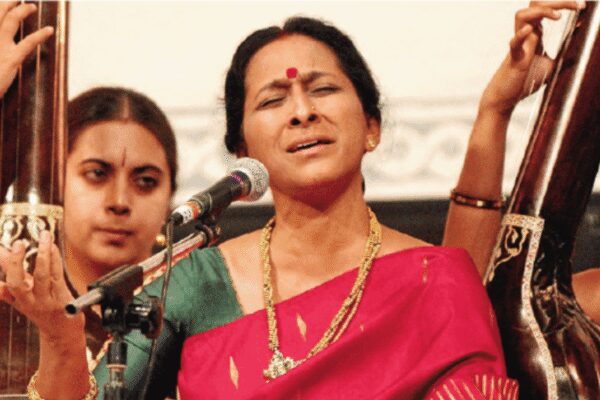
When Carnatic vocalist Bombay Jayashri Ramnath suffered a brain haemorrhage in March 2023, the singer was unable to sit, stand, or move. Involuntary neck and jaw tremors made even speech, an uphill task, forget singing. Traditional physiotherapy, with its repetitive routines, felt painful, monotonous and dispiriting. Recovery seemed distant, and she shut herself from social…

Read More
Nov 23, 2025, 06:47 IST

Nov 23, 2025, 06:47 IST

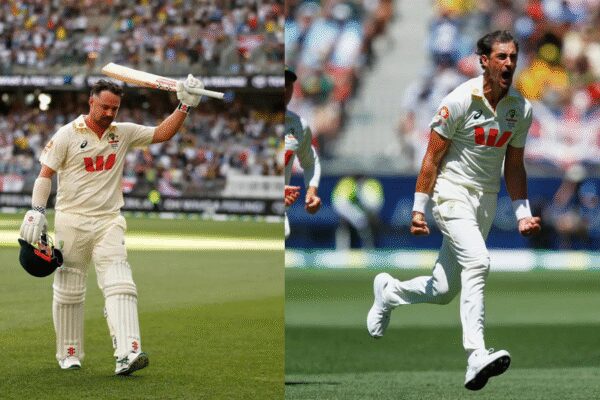
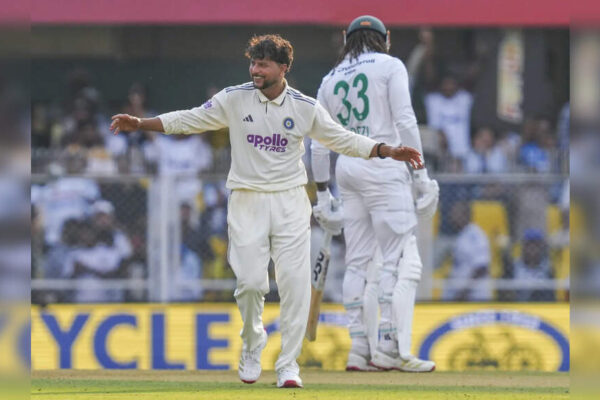
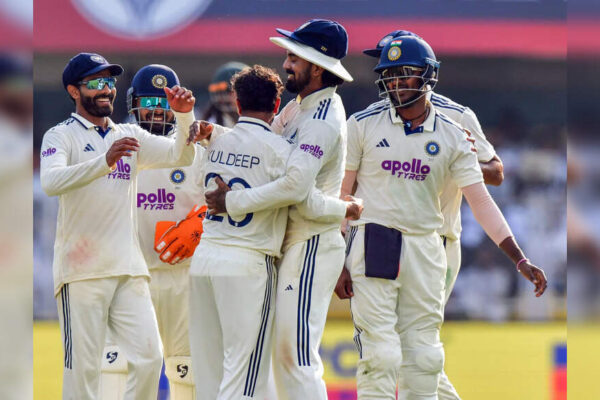
Travis Head & Mitchell Starc (AP) Australia’s commanding eight-wicket triumph over England in the first Ashes Test in Perth was more than just a dominant win — it rewrote record books, producing three rare feats not seen in over a century, with the match concluding in under two days.England’s rapid double collapse England’s batting woes…

Read More
Travis Scott’s Mumbai concert mass theft: 24 phones and 18 gold chains worth Rs 18 lakhs stolen, amid energetic performance

Travis Scott’s Mumbai concert mass theft: 24 phones and 18 gold chains worth Rs 18 lakhs stolen, amid energetic performance

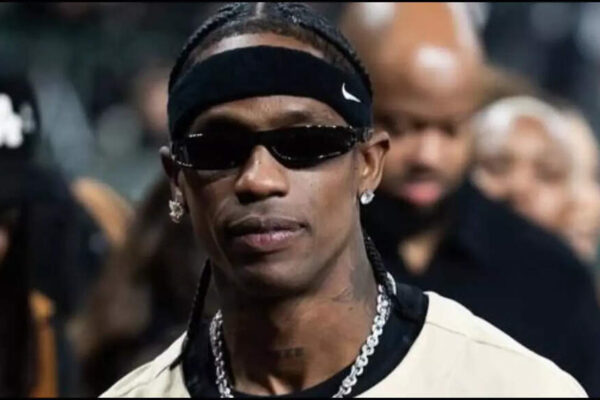
After the epic showdown of energetic performance and playing the renowned track ‘FE!N’ four times, Travis Scott’s Mumbai concert encountered mass theft. Many concertgoers filed complaints about their expensive phones and gold chains being stolen during the show. With the estimated loss of Rs 18 lakhs, the incident is reported to be an advantage taken…

Read More
Rahu’s last big Nakshatra Transit of 2025: A wake-up call for every zodiac sign ahead of 2026

Rahu’s last big Nakshatra Transit of 2025: A wake-up call for every zodiac sign ahead of 2026

On November 23, 2025, Rahu—the north node of the Moon, a shadow planet tied to illusions, obsession, ambition, and future karma—enters Shatabhisha Nakshatra in the sign of Aquarius. This is no ordinary shift. Shatabhisha, symbolized by “a hundred healers,” is a deeply spiritual, futuristic, and often isolating nakshatra. It governs healing through detachment, confronting uncomfortable…

Read More
Inside job: How a police constable ‘trained’ gang for Bengaluru’s biggest cash van robbery; 6 arrested

Inside job: How a police constable ‘trained’ gang for Bengaluru’s biggest cash van robbery; 6 arrested

(R-L) Police constable Annappa Naik, Xavier BENGALURU: Six states, 200 cops, a mountain of phone data and CCTV footage dump, and 72 hours of massive hunt. Plus human intelligence. With this, Bengaluru police have arrested six persons, including a police constable, and recovered Rs 6.29 crore of the Rs 7.11 crore spirited away from a…

Read More
Nigeria shuts schools as 300+ kids abducted

Nigeria shuts schools as 300+ kids abducted

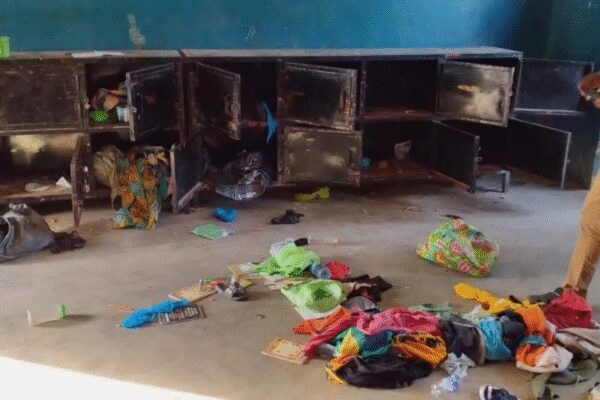
In this photo released by Christian Association of Nigeria, a man walk past belongings at the St. Mary’s Catholic Primary and Secondary School after gunmen abducted children and staff in Papiri community (Image credits: AP) More than 300 students are confirmed missing after armed men attacked a Catholic school in northern Nigeria on Friday, the…

Read More
Proposes Tutoring 1 Million Certified Trainers Over Next Decade  As part of his focus on Africa at the G20 summit in Johannesburg, Prime Minister Narendra Modi said the continent can benefit from skills transfer. He said Africa’s development and empowerment of its young talent are in the interests of the entire world and proposed a ‘G20-Africa Skills Multiplier Initiative’. This can operate under a “train-the-trainers” model across various sectors, and all G20 partners can finance and support this effort, he said.”Our collective goal will be to prepare one million certified trainers in Africa over the next decade. They, in turn, will help equip millions of young people with skills. This initiative will have a powerful multiplier effect. It will strengthen local capacity and significantly contribute to Africa’s long-term development,” he said.Batting for a global healthcare response team to bring together experts from G20 countries, Modi said it will ensure swift measures in case of health emergencies and natural disasters. The speech was marked by an unabashed advocacy of what PM Modi called India’s civilisational ethos. India’s civilisational values, he said, can offer ways to reevaluate development parameters.Turning his attention to the menace of drug trafficking, the Prime Minister singled out the “rapid spread of highly lethal substances like fentanyl”. “This has emerged as a serious challenge to public health, social stability and global security. It also serves as a significant channel for financing terrorism,” Modi further said.A G20 initiative to counter this global threat can bring together various instruments relating to finance, governance and security. Only then can the drug-terror economy be effectively weakened, he said.PM Modi lauded South Africa’s presidency for making commendable progress on key areas such as skilled migration, tourism, food security, AI, digital economy, innovation and women’s empowerment, noting that historic initiatives undertaken at the New Delhi G20 Summit have been carried forward.End of ArticleFollow Us On Social MediaVideosTrump Says He Brokered Eight Peace Deals Including India And Pakistan During Mamdani MeetUP Gears Up For Biggest Crackdown Yet As CM Yogi Mandates Detention Hubs For Illegal ImmigrantsModi, Meloni Share Warm Laughter on G20 Sidelines in Johannesburg‘In memory of our brothers’: Russian Pilot’s Heartfelt Note For Indian Tejas Pilot After Dubai Crash’Objective Is To Destroy The Enemy’: Op Sindoor Echoes As Indian Army Vows Stronger Response to PakIndian Army Chief Reveals How A Trusted Orchestra Crushed Nine Targets in Operation Sindoor BlitzManipur Sangai Festival 2025- ThemeAt G20 Summit, PM Modi Proposes Global Knowledge, Skills, Health And Security Initiatives For FutureSangai Festival 2025 Opening CeremonyEx-VP Jagdeep Dhankhar Breaks Silence, Calls Out Narrative Traps With Cryptic Reference To His Past123PhotostoriesLaughter Chefs 3: From new jodis of Vivian Dsena-Eisha Singh, Gurmeet-Debina to Tejasswi Prakash-Karan Kundrra teaming up together: Highlights from the new season3 Ayurveda-approved fruit rules to boost digestionFrom Harman Sidhu to Danish Zehen: Indian celebrities who died in tragic road accidents7 high-protein breakfast shakes with 20g per glassMillion-dollar executives: Meet top 5 highest-paid CXOs in India FY259 behaviours that slowly destroy relationships over timeTop 4 home remedies to reduce bloating and boost digestion naturallyKartik Aaryan to Sara Tendulkar: 5 best celebrity looks of the daySilent signs of bullying every parent should pay attention to7 ways to enjoy Papaya for breakfast123Hot PicksDelhi AQI TodayBihar Minister List 2025Bihar CM Oath CeremonyGold rate todaySilver rate todayPublic Holidays NovemberBank Holidays NovemberTop TrendingFantasy Football Injury ReportSavannah JamesBrittany MahomesTaylor SwiftTravis KelceChris Blake GriffithJosh Allen InjuryCharvarius WardFortnite Chapter 7 LeakedCade Cunningham

Proposes Tutoring 1 Million Certified Trainers Over Next Decade As part of his focus on Africa at the G20 summit in Johannesburg, Prime Minister Narendra Modi said the continent can benefit from skills transfer. He said Africa’s development and empowerment of its young talent are in the interests of the entire world and proposed a ‘G20-Africa Skills Multiplier Initiative’. This can operate under a “train-the-trainers” model across various sectors, and all G20 partners can finance and support this effort, he said.”Our collective goal will be to prepare one million certified trainers in Africa over the next decade. They, in turn, will help equip millions of young people with skills. This initiative will have a powerful multiplier effect. It will strengthen local capacity and significantly contribute to Africa’s long-term development,” he said.Batting for a global healthcare response team to bring together experts from G20 countries, Modi said it will ensure swift measures in case of health emergencies and natural disasters. The speech was marked by an unabashed advocacy of what PM Modi called India’s civilisational ethos. India’s civilisational values, he said, can offer ways to reevaluate development parameters.Turning his attention to the menace of drug trafficking, the Prime Minister singled out the “rapid spread of highly lethal substances like fentanyl”. “This has emerged as a serious challenge to public health, social stability and global security. It also serves as a significant channel for financing terrorism,” Modi further said.A G20 initiative to counter this global threat can bring together various instruments relating to finance, governance and security. Only then can the drug-terror economy be effectively weakened, he said.PM Modi lauded South Africa’s presidency for making commendable progress on key areas such as skilled migration, tourism, food security, AI, digital economy, innovation and women’s empowerment, noting that historic initiatives undertaken at the New Delhi G20 Summit have been carried forward.End of ArticleFollow Us On Social MediaVideosTrump Says He Brokered Eight Peace Deals Including India And Pakistan During Mamdani MeetUP Gears Up For Biggest Crackdown Yet As CM Yogi Mandates Detention Hubs For Illegal ImmigrantsModi, Meloni Share Warm Laughter on G20 Sidelines in Johannesburg‘In memory of our brothers’: Russian Pilot’s Heartfelt Note For Indian Tejas Pilot After Dubai Crash’Objective Is To Destroy The Enemy’: Op Sindoor Echoes As Indian Army Vows Stronger Response to PakIndian Army Chief Reveals How A Trusted Orchestra Crushed Nine Targets in Operation Sindoor BlitzManipur Sangai Festival 2025- ThemeAt G20 Summit, PM Modi Proposes Global Knowledge, Skills, Health And Security Initiatives For FutureSangai Festival 2025 Opening CeremonyEx-VP Jagdeep Dhankhar Breaks Silence, Calls Out Narrative Traps With Cryptic Reference To His Past123PhotostoriesLaughter Chefs 3: From new jodis of Vivian Dsena-Eisha Singh, Gurmeet-Debina to Tejasswi Prakash-Karan Kundrra teaming up together: Highlights from the new season3 Ayurveda-approved fruit rules to boost digestionFrom Harman Sidhu to Danish Zehen: Indian celebrities who died in tragic road accidents7 high-protein breakfast shakes with 20g per glassMillion-dollar executives: Meet top 5 highest-paid CXOs in India FY259 behaviours that slowly destroy relationships over timeTop 4 home remedies to reduce bloating and boost digestion naturallyKartik Aaryan to Sara Tendulkar: 5 best celebrity looks of the daySilent signs of bullying every parent should pay attention to7 ways to enjoy Papaya for breakfast123Hot PicksDelhi AQI TodayBihar Minister List 2025Bihar CM Oath CeremonyGold rate todaySilver rate todayPublic Holidays NovemberBank Holidays NovemberTop TrendingFantasy Football Injury ReportSavannah JamesBrittany MahomesTaylor SwiftTravis KelceChris Blake GriffithJosh Allen InjuryCharvarius WardFortnite Chapter 7 LeakedCade Cunningham

As part of his focus on Africa at the G20 summit in Johannesburg, Prime Minister Narendra Modi said the continent can benefit from skills transfer. He said Africa’s development and empowerment of its young talent are in the interests of the entire world and proposed a ‘G20-Africa Skills Multiplier Initiative’. This can operate under a…

Read More
Nov 23, 2025, 06:14 IST

Nov 23, 2025, 06:14 IST

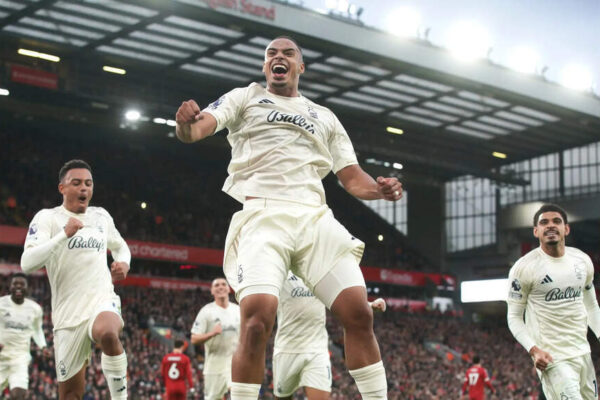
Nottingham Forest’s Murillo, centre, celebrates (AP Photo/Ian Hodgson) Liverpool’s Premier League campaign continued its downward spiral on Saturday as the defending champions suffered a 3-0 home defeat to Nottingham Forest. Meanwhile, Manchester City’s pursuit of Arsenal was stalled by a 2-1 loss at Newcastle. Liverpool’s sixth defeat of the season leaves them 11th in the…

Read More
‘Thugesh’ host Mahesh Keshwala gets married to Jigisha Bhanushali, calls it a ‘collaboration of a lifetime’; RJ Mahvash, Dhruv Rathee, and others send warm wishes

‘Thugesh’ host Mahesh Keshwala gets married to Jigisha Bhanushali, calls it a ‘collaboration of a lifetime’; RJ Mahvash, Dhruv Rathee, and others send warm wishes

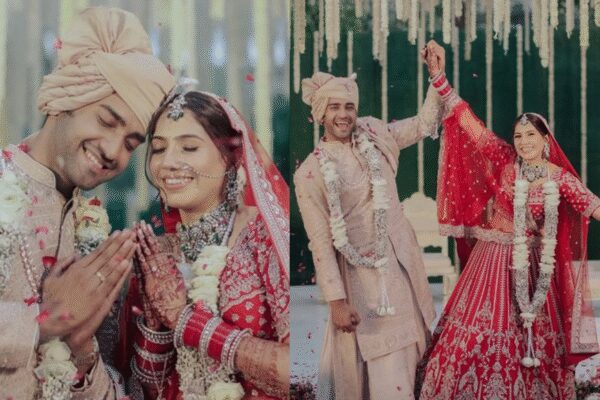
Mahesh Keshwala, known widely as Thugesh, has entered a beautiful new chapter in his life. The popular creator married his longtime love Jigisha Bhanushali, and he shared the happy news with a touching post on Instagram.Along with a series of warm wedding photos, Mahesh wrote, “Collaboration of a Lifetime! 22.11.2025 Bless us with your prayers…

Read More
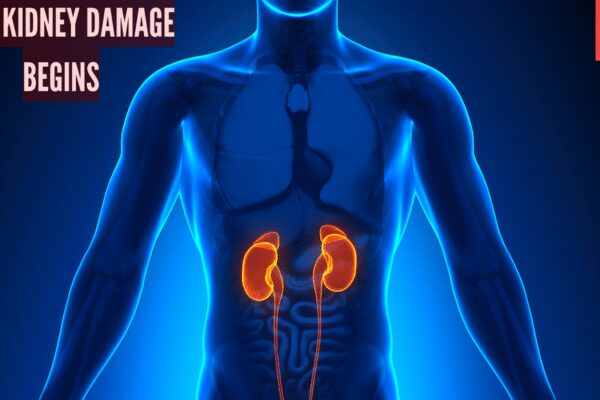
What happens to the body when kidney function begins to deteriorate

What happens to the body when kidney function begins to deteriorate

Reduced kidney function causes an impairment of mineral metabolism, especially regarding phosphate and calcium. The classic review “Cardiovascular risk in chronic kidney disease: the CKD–mineral bone disorder (CKD-MBD)” describes how high levels of phosphate can stimulate vascular smooth muscle cells to transform into cells that promote vascular calcification. Another key paper entitled “Role of Uremic…

Read More