
The bench said that the omission on part of the trial judge was not such a ‘fatal’ defect as to vitiate the entire trial NEW DELHI: It was a minor lapse by a trial judge of not affixing his signature to the order framing the charges, but it led to a washout of 17 years of trial proceedings, with the Allahabad HC ordering retrial despite the case having reached a conclusive state. Disagreeing with the high court, the Supreme Court has said criminal procedure is intended to advance the ends of justice and not thwart them over technicalities.A bench of Justices Ahsanuddin Amanullah and R Mahadevan said that the omission on the part of the trial judge was not such a “fatal” defect as to vitiate the entire trial and that the procedural irregularity is curable.In the 2007 murder case, which had nine accused, the trial court framed charges in 2009, but the order for the same remained unsigned owing to the absence of one of the accused. The trial in the case, however, went on smoothly for 15 years, and this issue was raised only at the fag end of proceedings in 2024, making the HC order a retrial.Referring to a constitution bench verdict, the bench said, “This court distinguished fundamental illegality and curable procedural irregularity. It was held that only those defects which go to the root of jurisdiction or occasion real prejudice can vitiate the proceedings, whereas defects of a lesser degree constitute irregularities requiring proof of failure of justice. The distinction between an illegality and an irregularity is thus well established…”Quashing the HC’s order, the court said, “Acceptance of such belated challenges founded on procedural irregularities would defeat the object of criminal procedure, which is to advance the cause of justice and not to frustrate it on technical grounds”. It also questioned the conduct of the accused in raising the issue at the fag end of the trial, that too after the demise of key eyewitnesses.It said the omission of a signature on the order did not render the proceedings invalid when the framing of charges was done, recorded, read over, and acted upon by the court and the parties. “The record affirmatively demonstrates that the accused had full knowledge of the accusations and effectively contested the prosecution’s case. The nature of cross-examination and the defence adopted leaves no manner of doubt that the accused were neither misled nor prejudiced,” the bench said.End of ArticleFollow Us On Social MediaVideosAmit Shah Flags Russia-China Influence During CPI, CPI(M) Formation; Slams Bhagat Singh ComparisonCensus Goes Fully Digital: How India Will Count Its Population With Apps, Data And Self-Entry’Global Oil Crisis May Push India Closer To Iran’: US Expert Robert Pape Hints Big Diplomatic Shift’India Is Now Naxal-Free’: Amit Shah Tells Lok Sabha; Hits Out At Congress, Rahul Gandhi’India Better Mediator Than Pakistan’: Israeli Envoy Says Islamabad Is Trying Hard To Be RelevantTrump Threatens To ‘Obliterate’ Iran’s Infra If No Deal; Tehran Rejects Pak’s Mediation ProposalNew Income Tax Rules Kick In From April With Same Rates, Sharper Rules And Tighter Reporting System’Congress Laid Red Carpet For Red Corridor’: Anurag Thakur Hits Out Over Naxalism’Family Of Pimps’: Pakistan Minister Khawaja Asif Loses Cool At Jaishankar’s Alleged ‘Dalal’ RemarkMiG-29 Fighter Jets Get Major Boost, Indian Air Force Plans ASRAAM Missile Integration For Combat123PhotostoriesArtemis II in pictures: NASA’s next moon mission like you have never seen before7 traditional cooling alternatives to coffee for your summer morning routineNavi Mumbai’s billionaire lanes: 5 posh localities dominating high-end real estateDiabetes and liver disease are tightly linked, study of over 9,000 Indian adult finds: Doctor answers critical questions on this hidden connectionThis island nation is Africa’s best-kept secret—and hardly anyone is visitingSridevi to Madhuri Dixit: Decoding the appeal of the sunset-hued saree and who truly owned itWorld Idli Day 2026: 8 traditional varieties of South Indian idlis that are perfect for breakfastWhy this food is called ‘poor man’s protein’ and 9 ways to consume it in summer monthsBhagavad Gita wisdom: What stays in your life without force is yours by dharma, and whatever leaves despite all efforts came only to……Arnold Schwarzenegger’s best Hollywood movies of all time: ‘The Terminator’, ‘Predator’ and more123Hot PicksIncome Tax Changes from April 1stPost office small savings schemesNASA Artemis IIAmazon treeIncome Tax CalculatorPublic holidays April 2026Bank Holidays AprilTop TrendingGold Price PredictionTrump 1987 interviewVaibhav SooryavanshiMohamad SafaCensus 2027Congress debateArticle 370Pakistan terror groupsBank Holiday this weekKharg Island

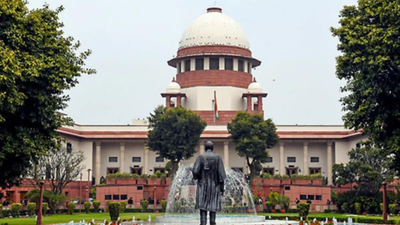
The bench said that the omission on part of the trial judge was not such a ‘fatal’ defect as to vitiate the entire trial
NEW DELHI: It was a minor lapse by a trial judge of not affixing his signature to the order framing the charges, but it led to a washout of 17 years of trial proceedings, with the Allahabad HC ordering retrial despite the case having reached a conclusive state. Disagreeing with the high court, the Supreme Court has said criminal procedure is intended to advance the ends of justice and not thwart them over technicalities.A bench of Justices Ahsanuddin Amanullah and R Mahadevan said that the omission on the part of the trial judge was not such a “fatal” defect as to vitiate the entire trial and that the procedural irregularity is curable.In the 2007 murder case, which had nine accused, the trial court framed charges in 2009, but the order for the same remained unsigned owing to the absence of one of the accused. The trial in the case, however, went on smoothly for 15 years, and this issue was raised only at the fag end of proceedings in 2024, making the HC order a retrial.Referring to a constitution bench verdict, the bench said, “This court distinguished fundamental illegality and curable procedural irregularity. It was held that only those defects which go to the root of jurisdiction or occasion real prejudice can vitiate the proceedings, whereas defects of a lesser degree constitute irregularities requiring proof of failure of justice. The distinction between an illegality and an irregularity is thus well established...”Quashing the HC’s order, the court said, “Acceptance of such belated challenges founded on procedural irregularities would defeat the object of criminal procedure, which is to advance the cause of justice and not to frustrate it on technical grounds”. It also questioned the conduct of the accused in raising the issue at the fag end of the trial, that too after the demise of key eyewitnesses.It said the omission of a signature on the order did not render the proceedings invalid when the framing of charges was done, recorded, read over, and acted upon by the court and the parties. “The record affirmatively demonstrates that the accused had full knowledge of the accusations and effectively contested the prosecution’s case. The nature of cross-examination and the defence adopted leaves no manner of doubt that the accused were neither misled nor prejudiced,” the bench said.


