
The Bangladesh Nationalist Party (BNP) has secured a landslide victory in the country’s first parliamentary elections since the deadly 2024 uprising that forced then-prime minister Sheikh Hasina from office.The BNP is led by 60-year-old Tarique Rahman, its prime ministerial candidate, who returned to Bangladesh in December after spending 17 years in self-exile in London. He is the son of former Prime Minister Khaleda Zia, who passed away in December.The contest was largely a two-way race between the BNP and an 11-party alliance led by the Islamist Jamaat-e-Islami, a conservative religious party whose growing political influence has raised concerns, particularly among women and minority communities.In immediate recognition of the political shift in Dhaka, New Delhi signaled its readiness to engage with the incoming government.Extending his wishes on X (formerly Twitter), Prime Minister Narendra Modi stated, “I convey my warm congratulations to Mr. Tarique Rahman on leading BNP to a decisive victory in the Parliamentary elections in Bangladesh. This victory shows the trust of the people of Bangladesh in your leadership. India will continue to stand in support of a democratic, progressive and inclusive Bangladesh. I look forward to working with you to strengthen our multifaceted relations and advance our common development goals.”The Prime Minister also spoke to Rahman and extended country’s continued commitment to the peace, progress and prosperity of the people of both countries.”Delighted to speak with Mr. Tarique Rahman. I congratulated him on the remarkable victory in the Bangladesh elections.The BNP, in turn, thanked India and Prime Minister Modi for recognising the verdict of Bangladesh’s general elections and expressed hope that bilateral relations would strengthen under the new government.What the BNP’s win means for IndiaOne of the most pressing geopolitical challenges before the new administration will be recalibrating ties with India. Under Sheikh Hasina, New Delhi was Dhaka’s closest strategic partner. However, relations deteriorated sharply following her ouster, with tensions becoming more visible in recent months.BNP’s past history with IndiaThe BNP’s earlier terms in office (1991–96 and 2001–06) were marked by periodic friction with New Delhi.Diplomatic ties reached particularly low points during the 2001–06 period, when the BNP governed in coalition with the right-wing Jamaat-e-Islami. Indian officials accused the BNP-led government of failing to curb anti-India insurgent groups operating from Bangladeshi territory. Concerns peaked in 2004 when a large cache of arms, allegedly meant for the United Liberation Front of Asom (ULFA), was seized in Chittagong.In contrast, India invested heavily in its partnership with Sheikh Hasina over the past 15 years, viewing her government as a dependable partner on security cooperation and regional stability.What Tarique Rahman has said on IndiaDespite the historical baggage, Tarique Rahman has recently adopted a pragmatic tone. The BNP’s 2026 election manifesto introduced the doctrine of “Bangladesh Before All,” under the slogan: “Friends, yes; Masters, no.”In an interview with The Guardian, Rahman acknowledged that relations with India deteriorated after Hasina’s removal but emphasised his desire for “a relationship of mutual respect and mutual understanding.”When asked whether full normalisation was possible while India continues to provide refuge to Sheikh Hasina—whose extradition the BNP has formally sought—Rahman responded cautiously, saying, “That depends. It has to be on them too.”Hindu minorityThe safety of minorities, particularly the Hindu community, remains a sensitive and closely watched issue in bilateral ties. In the months following Hasina’s ouster in August last year, several incidents of violence targeting minorities were reported.India responded with a strongly worded statement. “The unremitting hostilities against minorities in Bangladesh, including Hindus, Christians and Buddhists, at the hands of extremists are a matter of grave concern,” New Delhi said.“Over 2,900 incidents of violence against minorities, including cases of killings, arson and land grabbing, have been documented by independent sources during the tenure of the interim government. These incidents cannot be brushed aside as mere media exaggerations or dismissed as political violence,” the MEA spokesperson added.Infiltration and border securitySecuring the long and porous India-Bangladesh border remains one of the most sensitive issues between the two countries. Illegal cross-border migration continues to be politically charged in border states such as West Bengal and Assam.The BNP’s manifesto promises to take a “strict position” to end alleged “border killings” by India’s Border Security Force (BSF) and to halt what it describes as “push-ins” of individuals from the Indian side without due legal process.Water-sharing and the Teesta issueBangladesh shares 54 rivers with India, making river diplomacy central to bilateral engagement. The BNP manifesto places significant emphasis on securing what it calls a “fair share” of water from transboundary rivers such as the Teesta and the Padma.The party has signalled that it may pursue the China-backed Teesta River Master Plan—an initiative that New Delhi has opposed due to concerns over Chinese involvement near the strategically sensitive Siliguri Corridor.Additionally, the 1996 Ganges Water Treaty is due for renewal this year.Ultimately, the BNP’s decisive return to power represents a significant geopolitical shift in South Asia. For New Delhi, the phase of relying predominantly on one political leadership in Dhaka has ended, replaced by the need to engage a more assertive and politically distinct administration.About the AuthorTOI News DeskThe TOI News Desk comprises a dedicated and tireless team of journalists who operate around the clock to deliver the most current and comprehensive news and updates to the readers of The Times of India worldwide. With an unwavering commitment to excellence in journalism, our team is at the forefront of gathering, verifying, and presenting breaking news, in-depth analysis, and insightful reports on a wide range of topics. The TOI News Desk is your trusted source for staying informed and connected to the ever-evolving global landscape, ensuring that our readers are equipped with the latest developments that matter most.”Read MoreEnd of ArticleFollow Us On Social MediaVideosPM Modi Unveils Seva Teerth, A New PMO Hub Marking Governance Shift In National Capital DelhiRafale To Be Built In India For The First Time Outside France After DAC Nod For 114 Fighter Jets’Bangladesh Rejected Pakistan-Backed Jamaat’: Experts Decode BNP’s Historic Return To PowerCDS General Anil Chauhan Links History With Border Disputes With China, Recalls Nehru Knew About It’He Is A Habitual Liar’: Farmers At Centre As Piyush Goyal Slams Rahul Gandhi On India US Trade DealPoK And Aksai Chin In India Map: US Trade Deal Post Forced Pakistan To Rush Washington To RectifyPak PM Sharif Heads To Washington As India Weighs Strategic Cost Of Joining Trump’s Board of PeaceBNP’s Tarique Rahman Set To Become Bangladesh PM After Sweeping Victory In Historic ComebackBangladesh PM Hasina Calls Elections Rigged, Urges Credible Fresh Polls, Attacks Yunus‘Modi Under Trump’s Grip’: Rahul Gandhi Hits Back At Nishikant Dubey’s Motion123PhotostoriesFrom Titan Arum to Bulbophyllum Phalaenopsis: 7 worst smelling flowers of the worldDid you know Shahid Kapoor was rejected 100 times before his debut in ‘Ishq Vishk’? 6 lesser-known facts about ‘O Romeo’ actor5 hill forts of Rajasthan and why they are a traveller’s favourite7 glass buildings across the world that changed contemporary architecturePotholes, debris and chaos: Bengaluru commuters struggle ahead of Pink Line Metro launch5 Indian fabrics that offer a luxury feel at an affordable priceSadhguru considers this Avocado Salad with Crunchy Seeds an ideal precursor to the main meal, recipe insideValentine’s Day special: Best red lipstick shades that flatter every Indian skin toneBest Tom Cruise movies to watch on OTT: ‘Mission: Impossible franchise’, ‘Oblivion’ and moreThe 50: From falling in love on Bigg Boss 9 to facing a ‘rough patch’- Prince Narula and Yuvika Chaudhary’s relationship timeline123Hot PicksIT Stocks CrashGold Silver PricesBangladesh Election ResultsTelangana Municipal Elections ResultsIncome Tax CalculatorPublic holidays February 2026Bank Holidays februaryTop TrendingMarvel Rivals Season 6.5 Release dateErika KirkBad BunnyCatherine Polli Net WorthSeahawks Super Bowl paradeKayla NicoleAnthony JoshuaChloe KimCardi BMax Muncy
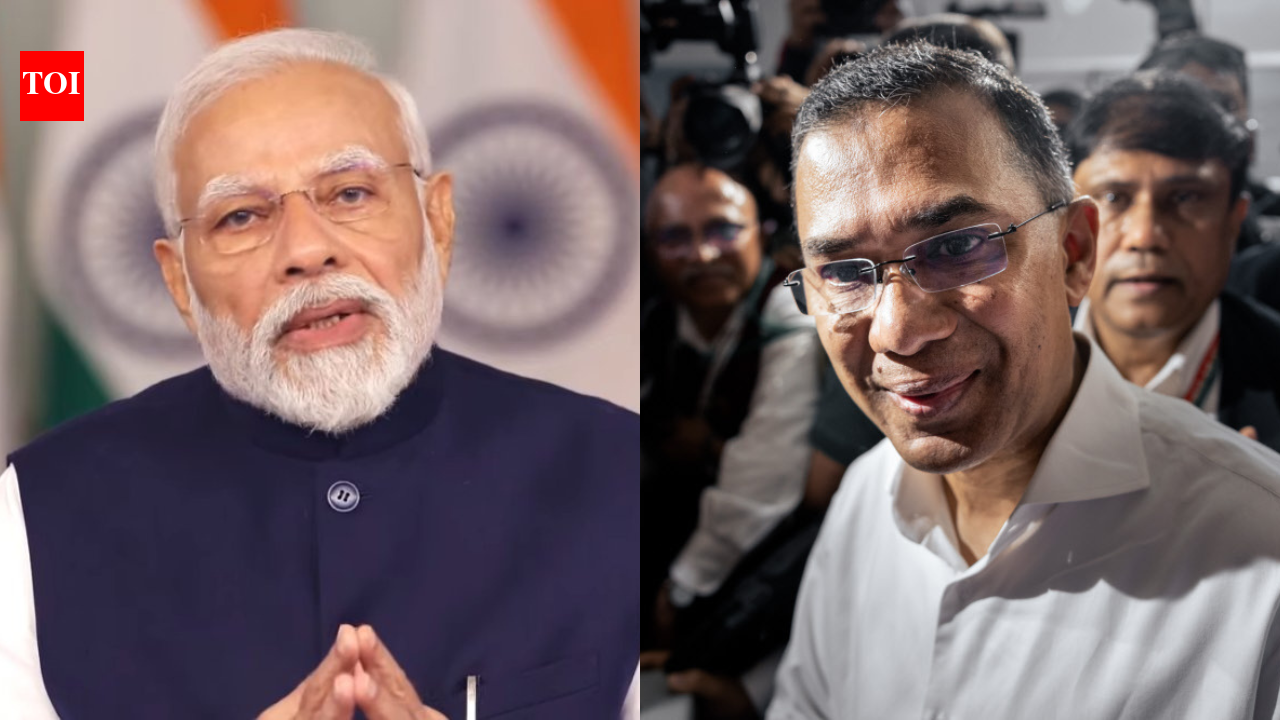
The Bangladesh Nationalist Party (BNP) has secured a landslide victory in the country’s first parliamentary elections since the deadly 2024 uprising that forced then-prime minister Sheikh Hasina from office.The BNP is led by 60-year-old Tarique Rahman, its prime ministerial candidate, who returned to Bangladesh in December after spending 17 years in self-exile in London. He is the son of former Prime Minister Khaleda Zia, who passed away in December.The contest was largely a two-way race between the BNP and an 11-party alliance led by the Islamist Jamaat-e-Islami, a conservative religious party whose growing political influence has raised concerns, particularly among women and minority communities.In immediate recognition of the political shift in Dhaka, New Delhi signaled its readiness to engage with the incoming government.Extending his wishes on X (formerly Twitter), Prime Minister Narendra Modi stated, “I convey my warm congratulations to Mr. Tarique Rahman on leading BNP to a decisive victory in the Parliamentary elections in Bangladesh. This victory shows the trust of the people of Bangladesh in your leadership. India will continue to stand in support of a democratic, progressive and inclusive Bangladesh. I look forward to working with you to strengthen our multifaceted relations and advance our common development goals.”The Prime Minister also spoke to Rahman and extended country’s continued commitment to the peace, progress and prosperity of the people of both countries.“Delighted to speak with Mr. Tarique Rahman. I congratulated him on the remarkable victory in the Bangladesh elections.The BNP, in turn, thanked India and Prime Minister Modi for recognising the verdict of Bangladesh’s general elections and expressed hope that bilateral relations would strengthen under the new government.What the BNP’s win means for IndiaOne of the most pressing geopolitical challenges before the new administration will be recalibrating ties with India. Under Sheikh Hasina, New Delhi was Dhaka’s closest strategic partner. However, relations deteriorated sharply following her ouster, with tensions becoming more visible in recent months.BNP’s past history with IndiaThe BNP’s earlier terms in office (1991–96 and 2001–06) were marked by periodic friction with New Delhi.Diplomatic ties reached particularly low points during the 2001–06 period, when the BNP governed in coalition with the right-wing Jamaat-e-Islami. Indian officials accused the BNP-led government of failing to curb anti-India insurgent groups operating from Bangladeshi territory. Concerns peaked in 2004 when a large cache of arms, allegedly meant for the United Liberation Front of Asom (ULFA), was seized in Chittagong.In contrast, India invested heavily in its partnership with Sheikh Hasina over the past 15 years, viewing her government as a dependable partner on security cooperation and regional stability.What Tarique Rahman has said on IndiaDespite the historical baggage, Tarique Rahman has recently adopted a pragmatic tone. The BNP’s 2026 election manifesto introduced the doctrine of “Bangladesh Before All,” under the slogan: “Friends, yes; Masters, no.”In an interview with The Guardian, Rahman acknowledged that relations with India deteriorated after Hasina’s removal but emphasised his desire for “a relationship of mutual respect and mutual understanding.”When asked whether full normalisation was possible while India continues to provide refuge to Sheikh Hasina—whose extradition the BNP has formally sought—Rahman responded cautiously, saying, “That depends. It has to be on them too.”Hindu minorityThe safety of minorities, particularly the Hindu community, remains a sensitive and closely watched issue in bilateral ties. In the months following Hasina’s ouster in August last year, several incidents of violence targeting minorities were reported.India responded with a strongly worded statement. “The unremitting hostilities against minorities in Bangladesh, including Hindus, Christians and Buddhists, at the hands of extremists are a matter of grave concern,” New Delhi said.“Over 2,900 incidents of violence against minorities, including cases of killings, arson and land grabbing, have been documented by independent sources during the tenure of the interim government. These incidents cannot be brushed aside as mere media exaggerations or dismissed as political violence,” the MEA spokesperson added.Infiltration and border securitySecuring the long and porous India-Bangladesh border remains one of the most sensitive issues between the two countries. Illegal cross-border migration continues to be politically charged in border states such as West Bengal and Assam.The BNP’s manifesto promises to take a “strict position” to end alleged “border killings” by India’s Border Security Force (BSF) and to halt what it describes as “push-ins” of individuals from the Indian side without due legal process.Water-sharing and the Teesta issueBangladesh shares 54 rivers with India, making river diplomacy central to bilateral engagement. The BNP manifesto places significant emphasis on securing what it calls a “fair share” of water from transboundary rivers such as the Teesta and the Padma.The party has signalled that it may pursue the China-backed Teesta River Master Plan—an initiative that New Delhi has opposed due to concerns over Chinese involvement near the strategically sensitive Siliguri Corridor.Additionally, the 1996 Ganges Water Treaty is due for renewal this year.Ultimately, the BNP’s decisive return to power represents a significant geopolitical shift in South Asia. For New Delhi, the phase of relying predominantly on one political leadership in Dhaka has ended, replaced by the need to engage a more assertive and politically distinct administration.


