
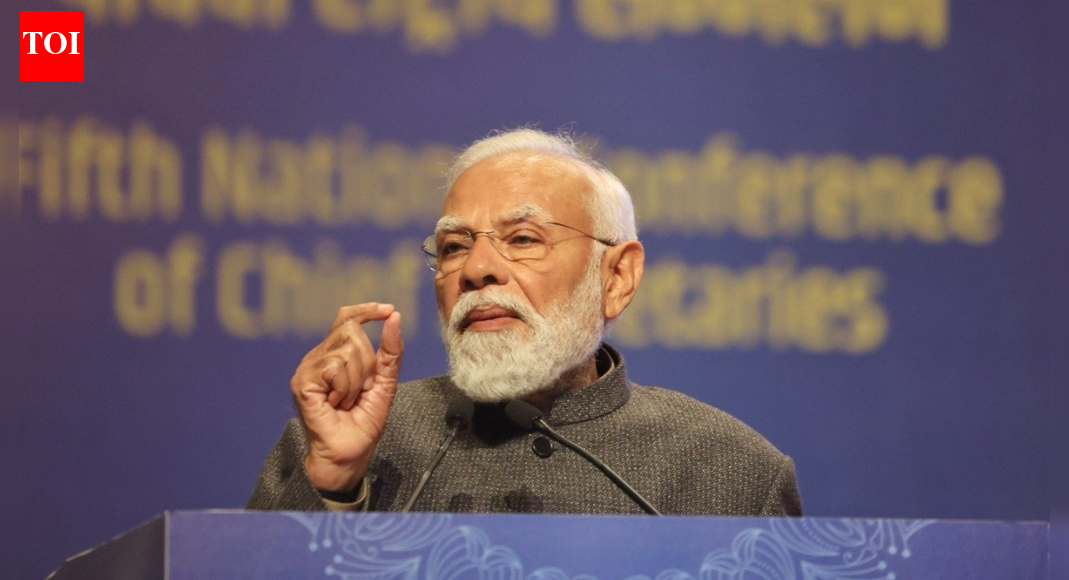
PM Modi NEW DELHI: The outgoing year (2025) will be remembered for India’s focus on reforms as a continuous national mission, PM Narendra Modi said on Tuesday, asserting that his govt prioritised collaboration over control and facilitation over regulation in the true spirit of a modern democracy. “What makes the reforms of 2025 significant is not only their dimension but also their underlying philosophy. We modernised institutions, simplified governance, and strengthened the foundations for long-term inclusive growth,” he said, citing a host of measures. Asking investors to keep trusting India and investing in its people, he said in a post on LinkedIn, that the country’s youthful demography is the prime engine of “Reform Express”, a term he first used earlier this month during Parliament’s winter session to underscore his govt’s commitment to fast-paced reforms across sectors. These reforms, which included opening up of nuclear sector to private players, higher education, 100% FDI in insurance sector, and introduction of four labour codes to cover a complex web of 29 laws, were designed with empathy, recognising the realities of small businesses, young professionals, farmers, workers and the middle class. “They were shaped by consultation, guided by data and anchored in India’s constitutional values. They add momentum to our decade-long efforts to move away from a control-based economy to one that operates within a framework of trust, keeping the citizen at its core. These reforms are aimed towards building a prosperous and self-reliant India,” he said. He emphasised that his govt will continue pursuing the reform agenda in the coming years. Amid opposition’s determined protest against his govt’s decision to bring G RAM G Act in replace UPA-era MGNREGA, he said provisions of the new law raise employment guarantee from 100 to 125 days, resulting in increased spending towards strengthening village infrastructure and livelihoods. In Parliament’s monsoon session, he said five landmark maritime legislations were passed to simplify documentation, make dispute resolution easier and reduce logistics costs, replacing outdated Acts. Modi said GST slab rationalisation will ensure dispute reduction and better compliance and has boosted consumer sentiment and demand, while tax break for individuals earning upto Rs 12 lakh is an “unparalleled relief for the middle class”. These reforms mark India’s move towards a transparent, technology-driven tax administration, he said. Modi said that trade deals with New Zealand, Oman and Britain will add to investments, job creation and encourage local entrepreneurs. He said a bill introduced in Parliament will lead to establishment of a single, unified higher education regulator in ‘Viksit Bharat Shiksha Adhishthan’ to replace overlapping bodies (UGC, AICTE and NCTE, etc). “Institutional autonomy will be strengthened, with innovation and research boosted,” he said. In a boost to small and medium businesses, the definition of “small companies” has been expanded to include firms with turnovers up to Rs 100 crore, reducing compliance burdens and associated costs for thousands of firms. Another bill will enhance governance norms in Sebi and investor protection.End of ArticleFollow Us On Social MediaVideosJaishankar To Attend Khaleda Zia’s Funeral In Dhaka Amid Strained India-Bangladesh TiesDRDO Successfully Tests Pinaka Long-Range Guided Rocket In Odisha, To Be Inducted In Indian Army’UPSC Is Complete Waste Of Time’: PM’s Economic Advisor Sanjeev Sanyal On AI Era EducationHindu Guard Killed By Colleague In Bangladesh, Third Death In Days Raises Minority Safety Fears’Deeply Concerned’: PM Modi Reacts To Reports Of Attack On Putin’s House, Ukraine Responds“No Racial Angle”: SSP Rules Out Alleged Slurs in Angel Chakma KillingCongress’ Adhir Ranjan Chowdhury Flags Attacks on Migrant Workers to PM Modi’Will Rid Bengal Of Infiltrators’: Amit Shah Slams Mamata Banerjee’s 14-Year Rule, Sounds Poll BugleFrom Defence To Civil Skies: HAL’s Dhruv-NG Helicopter Takes Flight In India’s Aviation PushJapanese Tourist Harassed in Varanasi on Christmas, Netizens Slam ‘Mob Culture’123Photostories5 new unexpected couples and major celebrity weddings of 2025Tracing the arc from ‘Sanam Teri Kasam’ through ‘Taish’ to ‘Dange’, Harshvardhan Rane’s growing stature5 iconic New Year markets in the USA that keep the holiday magic alive for long!3 reasons to consume Papaya smoothie and the right way to make it as per AIIMS doctor10 types of Pasta dishes from around the world6 best indoor exercises for people who are planning to build muscle strength‘Dhurandhar’: Saumya Tandon aka Ulfat Hasin Baloch says, ‘Aditya Dhar was always on my wish list’ – Exclusive7 weekly routines common among people who live to 100Healthiest fruits of 2025: These 5 fruits are richest in key nutrientsWhich Hindu Idol You Should Bring Home On January 1, 2026123Hot PicksIndigo flight DisruptionsPAN-Aadhaar link statusKhaleda ZiaGold rate todayIncome Tax RefundBahrain Golden Visa 2025Bank Holidays DecemberTop TrendingErika KirkTravis KelceJoel EmbiidAlex Rodriguez and Jaclyn Cordeiro Net WorthStefon DiggsMagic Johnson vs Shaquille O Neal Net WorthPhiladelphia 76ers vs Memphis GrizzliesPopeyes Streaming BundlesJake Paul and Jutta Leerdam Net WorthSidney Crosby Lifestyle
NEW DELHI: The outgoing year (2025) will be remembered for India’s focus on reforms as a continuous national mission, PM Narendra Modi said on Tuesday, asserting that his govt prioritised collaboration over control and facilitation over regulation in the true spirit of a modern democracy. “What makes the reforms of 2025 significant is not only their dimension but also their underlying philosophy. We modernised institutions, simplified governance, and strengthened the foundations for long-term inclusive growth,” he said, citing a host of measures. Asking investors to keep trusting India and investing in its people, he said in a post on LinkedIn, that the country’s youthful demography is the prime engine of “Reform Express”, a term he first used earlier this month during Parliament’s winter session to underscore his govt’s commitment to fast-paced reforms across sectors. These reforms, which included opening up of nuclear sector to private players, higher education, 100% FDI in insurance sector, and introduction of four labour codes to cover a complex web of 29 laws, were designed with empathy, recognising the realities of small businesses, young professionals, farmers, workers and the middle class. “They were shaped by consultation, guided by data and anchored in India’s constitutional values. They add momentum to our decade-long efforts to move away from a control-based economy to one that operates within a framework of trust, keeping the citizen at its core. These reforms are aimed towards building a prosperous and self-reliant India,” he said. He emphasised that his govt will continue pursuing the reform agenda in the coming years. Amid opposition’s determined protest against his govt’s decision to bring G RAM G Act in replace UPA-era MGNREGA, he said provisions of the new law raise employment guarantee from 100 to 125 days, resulting in increased spending towards strengthening village infrastructure and livelihoods. In Parliament’s monsoon session, he said five landmark maritime legislations were passed to simplify documentation, make dispute resolution easier and reduce logistics costs, replacing outdated Acts. Modi said GST slab rationalisation will ensure dispute reduction and better compliance and has boosted consumer sentiment and demand, while tax break for individuals earning upto Rs 12 lakh is an “unparalleled relief for the middle class”. These reforms mark India’s move towards a transparent, technology-driven tax administration, he said. Modi said that trade deals with New Zealand, Oman and Britain will add to investments, job creation and encourage local entrepreneurs. He said a bill introduced in Parliament will lead to establishment of a single, unified higher education regulator in ‘Viksit Bharat Shiksha Adhishthan’ to replace overlapping bodies (UGC, AICTE and NCTE, etc). “Institutional autonomy will be strengthened, with innovation and research boosted,” he said. In a boost to small and medium businesses, the definition of “small companies” has been expanded to include firms with turnovers up to Rs 100 crore, reducing compliance burdens and associated costs for thousands of firms. Another bill will enhance governance norms in Sebi and investor protection.


