
. NEW DELHI: The two-phase polling in West Bengal spread over just one week – making it the state’s most compact in recent memory – is aimed at curbing intimidation of electors and polling personnel by unruly elements allegedly hired and groomed by parties to influence the outcome in their favour, TOI has learnt. Election Commission sources explained that unruly elements, enjoying patronage of the party in office, usually move in between phases from one poll-going area to another and resort to malpractices known in local parlance as ‘chhapa’ – wherein the polling parties are threatened inside polling stations and votes cast through impersonation; booth jamming – a practice followed in rural areas where electors are asked not to go to polling stations by citing violence, disorder or some blockage along the access route; and source/gate jamming – wherein electors in urban areas are discouraged from venturing out of their homes for voting, on the pretext that their votes have already been cast by others.Israel Iran WarUS-Israel-Iran War News Live Updates: ‘All oil and energy infrastructure will turn to ashes,’ says Iran after US hits Kharg Island’I’m what?’ Israeli PM Benjamin Netanyahu mocks death rumours, shows off five fingers – watch’Must take care’: Trump urges nations to send warships to Strait of Hormuz as conflict with Iran intensifies In the latter two cases, most prefer to stay back, strangely to avoid explaining to poll officials why they are not the one impersonating. The sources said the larger the number of phases, as in the past, the easier it was for the limited force of unruly elements to move from one area to another, maximising coverage to “intimidate electors and polling personnel”. The two polling dates – April 23, covering 152 assembly constituencies (ACs); and April 29, covering the remaining 142 ACs – would spread the “unruly force” thin, limiting their potential to sabotage the elections and influence the voting pattern in favour of a particular party outside their “local area”. There will be 100% webcasting from inside polling stations, they said. A key enabler of EC in restricting the Bengal poll to just two phases is the good availability of central armed police forces (CAPFs). Sources indicated that nearly 1,600-2,000 companies of CAPFs – comprising around 1.5-1.8 lakh personnel – may be deployed in the state. While nearly 500 companies are already in Bengal on advance deployment, an additional 1,000-1,500 companies shall be stationed there before April 23. In fact, forces deployed in Assam will move to Bengal soon after the northeastern state completes polling on April 9.About the AuthorBharti JainBharti Jain is senior editor with The Times of India, New Delhi. She has been writing on security matters since 1996. Having covered the Union home ministry, security agencies, Election Commission and the ‘prime’ political beat, the Congress, for The Economic Times all these years, she moved to TOI in August 2012. Her repertoire of news stories delves into the whole gamut of issues related to terrorism and internal strife, besides probing strategic affairs in India’s neighbourhood.Read MoreEnd of ArticleFollow Us On Social MediaVideosDiscussed Ways To Fast-Track EU FTA With S Jaishankar: Piyush GoyalIndian Vessel ‘Jag Laadki’ Escapes Unhurt After Attack At Fujairah Oil TerminalSTF Arrests Man Who Helped Bangladeshi Murder Suspects Sneak Into India After Dhaka KillingRahul Gandhi Writes To PM Modi, Demands Bharat Ratna For BSP Founder Kanshi RamTMC MP Mahua Moitra Accuses BJP Workers Of Bringing -Jungle Raj- To West Bengal‘Chai-Pakora At Parl Door’: Amit Shah Hits Out At Rahul Gandhi Over LPG Protest, AI Summit Row7 Indian Pilgrims Killed, Several Injured After Bus Slips Off Mountain Road In NepalInfiltration Bid Foiled In J&K: Pakistani Terrorist Killed In Army-Police Joint Operation In Uri‘Because I Am Brahmin…’: Mani Shankar Aiyar Slams BJP, Clarifies ‘Neech Aadmi’ Comment On PM Modi‘Act Of Aggression’: India Strongly Condemns Pakistan’s Air Strikes On Afghanistan123PhotostoriesStomach feels tight after a normal meal? Gastroenterologists explain why digestion can slow down and share simple habits that help ease post-meal bloating7 summer foods Indians traditionally ate to beat the heatAmerican TV sitcoms to watch with friends: ‘Friends’, ‘Brooklyn Nine-Nine’ and more10 benefits of eating soaked almonds daily: Dietitians explain how this simple morning habit supports brain, heart and digestive healthSara Tendulkar steps out with new bhabhi Saaniya Chandhok after Arjun Tendulkar’s wedding; their saree looks steal the spotlightThe best romantic comedies on TV: ‘Bhakarwadi’, ‘Anandibaa aur Emily’ and more6 foods that may cause bloating if eaten too often7 architectural features that increase natural light in housesPriyanka Chopra, Aishwarya Rai Bachchan to Rashmika Mandanna: Pan-Indian actresses who conquered multiple film industries10 ways Kathal or Jackfruit is prepared across India123Hot PicksIran war newsLPG crisis in IndiaElection CommissionGold rate todayIncome Tax CalculatorPublic holidays March 2026Bank Holidays MarchTop TrendingSanju SamsonBrittany Mahomes Net WorthWilt ChamberlainMovsar EvloevMichael BispingLPG Crisis IndiaAssembly election dateIran US WarIPL 2026 Chennai Super KingsMiddle East War

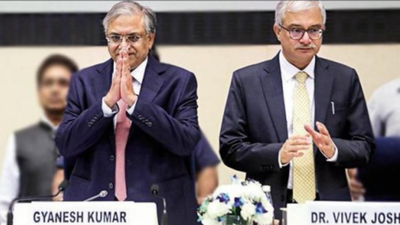
NEW DELHI: The two-phase polling in West Bengal spread over just one week – making it the state’s most compact in recent memory – is aimed at curbing intimidation of electors and polling personnel by unruly elements allegedly hired and groomed by parties to influence the outcome in their favour, TOI has learnt. Election Commission sources explained that unruly elements, enjoying patronage of the party in office, usually move in between phases from one poll-going area to another and resort to malpractices known in local parlance as ‘chhapa’ – wherein the polling parties are threatened inside polling stations and votes cast through impersonation; booth jamming – a practice followed in rural areas where electors are asked not to go to polling stations by citing violence, disorder or some blockage along the access route; and source/gate jamming – wherein electors in urban areas are discouraged from venturing out of their homes for voting, on the pretext that their votes have already been cast by others. In the latter two cases, most prefer to stay back, strangely to avoid explaining to poll officials why they are not the one impersonating. The sources said the larger the number of phases, as in the past, the easier it was for the limited force of unruly elements to move from one area to another, maximising coverage to “intimidate electors and polling personnel”. The two polling dates – April 23, covering 152 assembly constituencies (ACs); and April 29, covering the remaining 142 ACs – would spread the “unruly force” thin, limiting their potential to sabotage the elections and influence the voting pattern in favour of a particular party outside their “local area”. There will be 100% webcasting from inside polling stations, they said. A key enabler of EC in restricting the Bengal poll to just two phases is the good availability of central armed police forces (CAPFs). Sources indicated that nearly 1,600-2,000 companies of CAPFs – comprising around 1.5-1.8 lakh personnel – may be deployed in the state. While nearly 500 companies are already in Bengal on advance deployment, an additional 1,000-1,500 companies shall be stationed there before April 23. In fact, forces deployed in Assam will move to Bengal soon after the northeastern state completes polling on April 9.


