
NEW DELHI: Kerala on Wednesday entered the mandatory silence period ahead of the April 9 assembly elections, with candidates and party workers making last-mile efforts to reach voters through door-to-door visits and personal contacts, as public campaigning came to an end.With high-decibel campaigning concluding Tuesday evening after nearly a month-long electioneering, a total of 2.71 crore voters are set to decide the fate of 883 candidates in the crucial polls for the 140-member assembly to be held on Thursday. Watch Who Will Win Kerala Polls? K Bharathram Decodes Data, Trends, And Possible Outcome | The Race Ep02 During the silence period, the Election Commission has strictly prohibited campaigning through public meetings, rallies, media interactions, and election-related interviews to ensure a level playing field. Star campaigners and political leaders have also been directed to refrain from addressing the media on poll-related matters.The electoral contest in the state is primarily among three fronts — the CPI(M)-led Left Democratic Front (LDF), the Congress-led United Democratic Front (UDF), and the BJP-led National Democratic Alliance (NDA).According to officials, all arrangements have been put in place for the smooth conduct of polling. A total of 30,495 polling stations have been set up across Kerala, including 24 auxiliary booths created following the Special Intensive Revision (SIR) of electoral rolls. These additional booths are located in Kasaragod, Kannur, Palakkad, Malappuram, and Ernakulam districts.Security measures have been intensified, with prohibitory orders imposed in sensitive constituencies to prevent untoward incidents. Around 2,000 persons identified as potential troublemakers have been placed under preventive detention, while authorities have executed about 11,000 non-bailable warrants. Additionally, over 3,400 social media posts have been removed for alleged violations of poll norms.Among the electorate, 1.32 crore are men, 1.39 crore women, and 273 transgender persons, along with over 2.42 lakh overseas voters eligible to cast their votes.Special arrangements include 352 polling stations managed entirely by women and 37 by persons with disabilities. Authorities have also established 140 distribution and collection centres, while counting will take place in 140 strongrooms across 43 locations.The final day of public campaigning on Tuesday witnessed a vibrant display of political mobilisation across the state, with roadshows, rallies, and processions filling town centres, marked by party flags, drum beats, and slogan-shouting workers.Apart from traditional canvassing, political parties also relied heavily on television, print media, and social media platforms to reach voters during the campaign period before the silence phase came into effect.About the AuthorTOI News DeskThe TOI News Desk comprises a dedicated and tireless team of journalists who operate around the clock to deliver the most current and comprehensive news and updates to the readers of The Times of India worldwide. With an unwavering commitment to excellence in journalism, our team is at the forefront of gathering, verifying, and presenting breaking news, in-depth analysis, and insightful reports on a wide range of topics. The TOI News Desk is your trusted source for staying informed and connected to the ever-evolving global landscape, ensuring that our readers are equipped with the latest developments that matter most.”Read MoreEnd of ArticleFollow Us On Social MediaVideosDRDO Chief Flags Risks Of Foreign Dependence, Calls For Full-Spectrum Defence Self-Reliance’I Cry When I Think Of Indians’: Iran Supreme Leader’s Rep Hails India After Ceasefire With US‘Hormuz Disruptions Could Hit Growth’: RBI Governor Malhotra Flags Oil, Inflation Risks After MPCJaishankar To Visit UAE, Signals India’s Strategic Push After US, Iran Strike Ceasefire In West AsiaIndia Welcomes US-Iran Peace Push But Warns Against Further Disruption In Hormuz Supply Chain RouteFour Killed in Fresh Manipur Violence After Months of Calm; Probe Handed to NIACeasefire No Guarantee: Indian Embassy In Tehran Issues Urgent Exit Advisory For Citizens In IranIndia-US Ties Gain Momentum As Sergio Gor Meets Donald Trump, Vikram Misri Begins Crucial VisitPakistan PM Shehbaz Sharif’s Draft Tweet On US-Iran Ceasefire Sparks Row Over Diplomatic CredibilityIndian Army Releases UAV And Loitering Munition Roadmap, Focus On Drone-Centric Warfare123PhotostoriesTop 8 Indian real estate hotspots for NRI investors right nowFrom ‘Ramayana’, ‘Cocktail 2’ to ‘Toxic’: A complete look at 2026’s biggest upcoming movies5 quiet laws of social power that make you instantly more respectedAs Ranbir Kapoor takes on dual roles in ‘Ramayana’, a look at Bollywood’s finest double role performancesMumbai Metro crosses 100km, overtakes Bengaluru to become India’s second-largest network after Delhi-NCRInside Ruturaj Gaikwad’s ₹8 crore Pune residence that defines modern luxuryWhat is your power word for the week; based on your birth numberFrom nutrition to toxicity: Why overdosing on vitamin-rich superfoods can harm your eyes, and what expert recommends insteadMumbai’s first driverless pod taxi: 8.85-km network with 22 stations to ease congestion in BKC10 frozen foods you should throw away from your kitchen pantry123Hot PicksShreyas Iyer SisterUpdated IPL Points TablePurple cap winnerOrange cap winnerIPL Points TablePublic holidays April 2026Bank Holidays AprilTop TrendingTaylor Swift and Travis Kelce RelationshipIPL 2026Donald TrumpB V NagarathnaRomarioMHT CET Admit cardBengal PollIPL Points TableSchool Holidays in AprilKarnataka 2nd PUC Exam Result Date

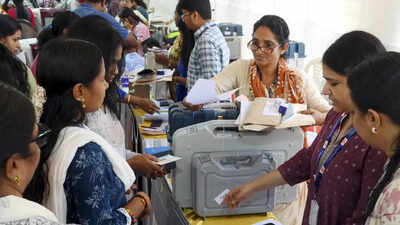
NEW DELHI: Kerala on Wednesday entered the mandatory silence period ahead of the April 9 assembly elections, with candidates and party workers making last-mile efforts to reach voters through door-to-door visits and personal contacts, as public campaigning came to an end.With high-decibel campaigning concluding Tuesday evening after nearly a month-long electioneering, a total of 2.71 crore voters are set to decide the fate of 883 candidates in the crucial polls for the 140-member assembly to be held on Thursday.
During the silence period, the Election Commission has strictly prohibited campaigning through public meetings, rallies, media interactions, and election-related interviews to ensure a level playing field. Star campaigners and political leaders have also been directed to refrain from addressing the media on poll-related matters.The electoral contest in the state is primarily among three fronts — the CPI(M)-led Left Democratic Front (LDF), the Congress-led United Democratic Front (UDF), and the BJP-led National Democratic Alliance (NDA).According to officials, all arrangements have been put in place for the smooth conduct of polling. A total of 30,495 polling stations have been set up across Kerala, including 24 auxiliary booths created following the Special Intensive Revision (SIR) of electoral rolls. These additional booths are located in Kasaragod, Kannur, Palakkad, Malappuram, and Ernakulam districts.Security measures have been intensified, with prohibitory orders imposed in sensitive constituencies to prevent untoward incidents. Around 2,000 persons identified as potential troublemakers have been placed under preventive detention, while authorities have executed about 11,000 non-bailable warrants. Additionally, over 3,400 social media posts have been removed for alleged violations of poll norms.Among the electorate, 1.32 crore are men, 1.39 crore women, and 273 transgender persons, along with over 2.42 lakh overseas voters eligible to cast their votes.Special arrangements include 352 polling stations managed entirely by women and 37 by persons with disabilities. Authorities have also established 140 distribution and collection centres, while counting will take place in 140 strongrooms across 43 locations.The final day of public campaigning on Tuesday witnessed a vibrant display of political mobilisation across the state, with roadshows, rallies, and processions filling town centres, marked by party flags, drum beats, and slogan-shouting workers.Apart from traditional canvassing, political parties also relied heavily on television, print media, and social media platforms to reach voters during the campaign period before the silence phase came into effect.


