
– NEW DELHI: Indian seafarers navigating Strait of Hormuz are grappling with GPS disruptions, warnings of underwater mines and the absence of a clear navigation authority.Ships in the region are reporting repeated radio broadcasts over maritime channels warning vessels against transit. “Attention all ships… This is the Sepah Navy… navigation through Strait of Hormuz is forbidden… no ship is allowed to pass until further notice,” the radio messages repeatedly blare. Crews attributed these announcements to Iran’s Islamic Revolutionary Guard Corps (IRGC) Navy.At sea, these real-time instructions are shaping decisions. Captains describe a volatile situation marked by confusion and increasing reliance on manual navigation as satellite-based systems become unreliable.Israel Iran WarUS-Israel-Iran War News Live Updates: Blasts reported near Pakistan embassy in Tehran as Israel launches fresh wave of strikesUS-Iran war: India prepares to re-start LNG buys from Russia; seeks Trump admin waiver, says reportMiddle East crisis: Govt levies export duties on diesel, turbine oil; eyes over Rs 1,500 crore collection in fortnightCaptain Manish Kumar, an Indian master mariner with 28 years of experience commanding a chemical tanker currently awaiting safe passage from the Strait of Hormuz, told TOI on Thursday: “Navigation is severely affected due to GPS. It is very difficult to determine the position of the vessel… If you miss the position in such narrow waters, the vessel can be grounded or collide.”Modern shipping depends heavily on GPS for route plotting and collision avoidance, making such disruptions particularly dangerous in constricted passages like Hormuz.Adding to the risk are warnings of naval mines — explosive devices that can be triggered by contact or proximity. Kumar said ships are being given maps marking specific transit corridors. “There are arrows, entry and exit routes marked. It’s like a designated passage,” he said.Kumar described the current situation as unprecedented. “This combination — GPS issues, unclear timeline, and real threats out there — this is new.”The risks are amplified by the nature of cargo. Most vessels transiting Hormuz are oil or chemical tankers with flammable cargo. If anything happens, it can turn into a big explosion.Shipping companies have begun issuing daily “conflict intelligence briefs” directly to vessels. These combine military advisories, open-source tracking and proprietary risk assessments into real-time operational guidance.A March 25 ‘Middle East Conflict Daily Security Intelligence Update’ warned of “extreme caution”, noting GPS interference, elevated port security levels and unco-nfirmed concerns over mine-laying activity. The report compiled real-time battlefield developments, maritime incidents, airspace closures and energy disruptions.A March 24 advisory by Joint Maritime Information Center, a US-led multinational coordination body, flagged the regional maritime threat level as “critical”. It cited 21 confirmed incidents since March 1 and ongoing “navigation interference” across Strait of Hormuz, Gulf of Oman and Arabian Gulf.Traffic through the strait has dropped from an average of around 138 vessels a day to single digits.About the AuthorIsmat AraAt The Times of India, Ismat Ara covers politics, people, and societies, with a focus on accountability, justice, and lived experience. Shaped by years of rigorous reporting across cities, small towns, and remote villages, she is drawn to the human stories tucked beneath policy and paperwork.Read MoreEnd of ArticleFollow Us On Social MediaVideos’Team India’: PM Modi Meets With CMs, Urges Covid-Like Coordination Amid West Asia CrisisPM Modi Congratulates Balendra Shah On Becoming Nepal PM, Eyes Stronger India-Nepal Ties‘Systemic Victimisation’: India Blasts Munir’s ‘Go To Iran’ Remark, Targets Pakistan On 1971 Denial’Pak Remains In Denial’: India Hits Out Over Op Searchlight Genocide, Backs Dhaka’s Justice Call‘Lockdown Rumours False’: Oil Minister; Centre Slashes Excise Duty On Fuel, Will It Help Consumers?BJP MP Kangana Ranaut Targets Rahul Gandhi, Says ‘Needs Tuition’ Over Economy Claims In ParliamentIndia Signs ₹445 Crore Tunguska Air Defence Deal To Boost Short-Range ProtectionWill Delimitation Change Impact Of Muslim Voters In Assam Election 2026? | Himanta Biswa SarmaIndia Moves To Secure Military Drones With New “Secure-By-Design” Framework“As if Hardeep Puri is giving money from his pocket…”: OPPN STRONG take on fuel excise move123Photostories8 sky events in April 2026 you can’t miss: From a blazing comet to meteor stormsExclusive – The 50: Rajat Dalal opens up on fallout with Prince Narula, says he no longer calls him ‘brother’; reacts to link-up with Chahat PandeyAkshaye Khanna birthday special:‘Dhurandhar’, ‘Chhaava’, ‘Border’, a look at his best performances5 sacred flowers of Goddess Lakshmi you must grow at home to attract wealth and prosperityHow to make Soy and Mushroom Fried Rice for dinner at homeAlmost 50% of Indians have vitamin B12 deficiency: Top foods for vegetarians and non-vegetarians to boost energy and avoid long-term health risks5 off-road cars designed for extreme conditions5 island destinations to visit in summer, and why they shouldn’t be skippedNora Fatehi looks divine in a deep purple Raw Mango saree10 mind-blowing facts about the blue planet, Earth123Hot PicksStock Market TodayDonald TrumpIran Strike on IsraelUS Iran WarIncome Tax CalculatorPublic holidays April 2026Bank Holidays AprilTop TrendingMiddle East CrisisBSEB 10th ResultPetrol Price TodayPoland Bent TreesUS Strike on IranFrance Underwater ShipwreckUS mortgage ratesUAE CycloneZojila PassPetrol Diesel Price

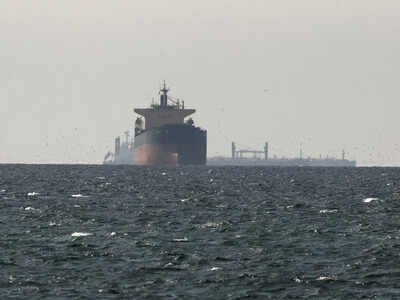
NEW DELHI: Indian seafarers navigating Strait of Hormuz are grappling with GPS disruptions, warnings of underwater mines and the absence of a clear navigation authority.Ships in the region are reporting repeated radio broadcasts over maritime channels warning vessels against transit. “Attention all ships… This is the Sepah Navy… navigation through Strait of Hormuz is forbidden… no ship is allowed to pass until further notice,” the radio messages repeatedly blare. Crews attributed these announcements to Iran’s Islamic Revolutionary Guard Corps (IRGC) Navy.At sea, these real-time instructions are shaping decisions. Captains describe a volatile situation marked by confusion and increasing reliance on manual navigation as satellite-based systems become unreliable.Captain Manish Kumar, an Indian master mariner with 28 years of experience commanding a chemical tanker currently awaiting safe passage from the Strait of Hormuz, told TOI on Thursday: “Navigation is severely affected due to GPS. It is very difficult to determine the position of the vessel… If you miss the position in such narrow waters, the vessel can be grounded or collide.”Modern shipping depends heavily on GPS for route plotting and collision avoidance, making such disruptions particularly dangerous in constricted passages like Hormuz.Adding to the risk are warnings of naval mines — explosive devices that can be triggered by contact or proximity. Kumar said ships are being given maps marking specific transit corridors. “There are arrows, entry and exit routes marked. It’s like a designated passage,” he said.Kumar described the current situation as unprecedented. “This combination — GPS issues, unclear timeline, and real threats out there — this is new.”The risks are amplified by the nature of cargo. Most vessels transiting Hormuz are oil or chemical tankers with flammable cargo. If anything happens, it can turn into a big explosion.Shipping companies have begun issuing daily “conflict intelligence briefs” directly to vessels. These combine military advisories, open-source tracking and proprietary risk assessments into real-time operational guidance.A March 25 ‘Middle East Conflict Daily Security Intelligence Update’ warned of “extreme caution”, noting GPS interference, elevated port security levels and unco-nfirmed concerns over mine-laying activity. The report compiled real-time battlefield developments, maritime incidents, airspace closures and energy disruptions.A March 24 advisory by Joint Maritime Information Center, a US-led multinational coordination body, flagged the regional maritime threat level as “critical”. It cited 21 confirmed incidents since March 1 and ongoing “navigation interference” across Strait of Hormuz, Gulf of Oman and Arabian Gulf.Traffic through the strait has dropped from an average of around 138 vessels a day to single digits.


