
NEW DELHI: For the first time, a five-judge bench of the Supreme Court in a matter relating to interpretation of constitutional provisions abjured citing rulings of Supreme Courts of foreign countries to buttress their logic and referred only to the SC’s past judgments while penning its opinion on the Presidential Reference.CJI B R Gavai, who led the five-judge bench also comprising Justices Surya Kant, Vikram Nath, P S Narasimha and A S Chandurkar, said the bench wanted to speak in one voice and support its opinion with ‘swadeshi’ interpretation of constitutional provisions relating to the power and functions of the President and governors with regard to bills passed by assemblies.Justice Surya Kant, Known For Article 370 Ruling And Pegasus Scrutiny, Takes Oath As India’s New CJIAnother five-judge bench on Wednesday pronounced a judgment on promotions in judicial services without any of the judges taking credit for authorship. This trend of speaking in one voice, without any single judge taking credit for authoring the judgment, started with Ayodhya verdict. A five-judge bench led by then CJI Ranjan Gogoi didn’t have the author’s name.For the last six months, Justice Narasimha, since he started presiding over benches, has also rendered judgments without taking authorship credit and passing the verdicts as that of the bench. However, his bench colleague has been persuaded to take credit for judgments authored by him. It is likely that Justice Narasimha could have suggested an unanimous yet anonymous opinion by the five-judge bench on the reference.In the presidential reference opinion, the five-judge bench explained why it did not want to be influenced by foreign judgments. The SC said, “Copious written submissions and extensive arguments have been employed by counsel to underscore the functioning of the Westminster parliamentary model and its workings in the UK. They sought to draw parallels on the discretionary powers of the Crown and the limitations thereon.”It added, “This court believes that our constitutional truth does not lay in either of these extremes but is grounded in the way we have successfully, and if we may add, proudly, worked our Constitution over three quarters of a century. While our constitutional text may have been inspired by comparative outlook, its interpretation and working, we believe, is truly swadeshi.”It explained how the working of India’s constitutional federal democracy was different from that of the UK and the US. “Unlike the English experience of an unwritten constitution, we have a written text. English constitutional law did not have to grapple with vital questions of federalism and an inherently diverse country,” it said. “The American experience is different due to the strict separation of powers between executive and legislature, necessitating the presidential veto. Indian constitutionalism has evolved to a parliamentary model where legislative agenda, business and enactment is overwhelmingly executed at the behest of the executive,” it said.End of ArticleFollow Us On Social MediaVideosSuicide Bombers Storm Pakistan’s FC Headquarters In Peshawar As Explosions Rock High-Security ZoneJustice Surya Kant, Known For Article 370 Ruling And Pegasus Scrutiny, Takes Oath As India’s New CJI’We May Have Run Away!’: Cyril Ramaphosa’s Joke To PM Modi on Hosting G20 Summit Sparks LaughterHow AQ Khan Became ‘Merchant Of Death’ And Triggered Musharraf’s Outrage, Reveals Ex CIA OperativeIndia, Canada Restart Trade Talks, Aim For $50-Bn Trade By 2030 As Pm Modi Meets Mark CarneyIndia, Italy Launch Joint Initiative To Counter Terror Financing As PM Modi Meets MeloniPiyush Goyal Meets PM Netanyahu, President Herzog As India-Israel FTA Talks Gain Momentum‘Sindh May Return To India Again’: Rajnath Singh’s Big Remark On India-Pakistan Border’No Longer Optional’: PM Modi Calls For UNSC Reforms At IBSA Meet; Urges United Stand Against Terror‘Extensive Misinformation’: French Navy Slams Pakistan Media Report Over Op Sindoor Claims123PhotostoriesOnce Akshay Kumar, late Irrfan Khan, Manoj Bajpayee’s co-star, THIS actor lost everything and was forced to work as a watchmanKalyani Priyadarshan: Best fashionable moments7 interesting ways to ensure your kids eat eggsAishwarya Rai Bachchan’s approach to raising a confident daughterRoyal babies of 2025: A look at the famous Royal kidsTeaching kids: Who is a stranger? Understanding safe vs. unsafe peopleTop 7 baby names inspired by Lord ShivaHow to make Indian-style kimchi at home for a probiotic boost5 common mistakes people make on the first dateAamir Khan uses careful craft and smart scripts to build films that connect123Hot PicksDelhi AQI TodayNew Labour CodeChennai rainGold rate todaySilver rate todayPublic Holidays NovemberBank Holidays NovemberTop TrendingChip KellyAuston Matthews InjuryCola Social Security PaymentsBrittany MahomesCanada Citizenship ActMichael IrvinSmriti MandhanaJosh Allen InjuryTejas CrashFortnite Chapter 7 Leaked

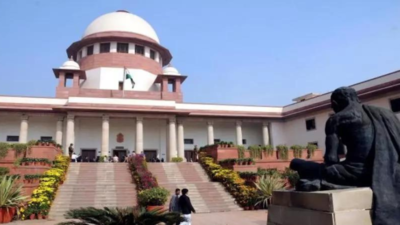
NEW DELHI: For the first time, a five-judge bench of the Supreme Court in a matter relating to interpretation of constitutional provisions abjured citing rulings of Supreme Courts of foreign countries to buttress their logic and referred only to the SC’s past judgments while penning its opinion on the Presidential Reference.CJI B R Gavai, who led the five-judge bench also comprising Justices Surya Kant, Vikram Nath, P S Narasimha and A S Chandurkar, said the bench wanted to speak in one voice and support its opinion with ‘swadeshi’ interpretation of constitutional provisions relating to the power and functions of the President and governors with regard to bills passed by assemblies.
Another five-judge bench on Wednesday pronounced a judgment on promotions in judicial services without any of the judges taking credit for authorship. This trend of speaking in one voice, without any single judge taking credit for authoring the judgment, started with Ayodhya verdict. A five-judge bench led by then CJI Ranjan Gogoi didn’t have the author’s name.For the last six months, Justice Narasimha, since he started presiding over benches, has also rendered judgments without taking authorship credit and passing the verdicts as that of the bench. However, his bench colleague has been persuaded to take credit for judgments authored by him. It is likely that Justice Narasimha could have suggested an unanimous yet anonymous opinion by the five-judge bench on the reference.In the presidential reference opinion, the five-judge bench explained why it did not want to be influenced by foreign judgments. The SC said, “Copious written submissions and extensive arguments have been employed by counsel to underscore the functioning of the Westminster parliamentary model and its workings in the UK. They sought to draw parallels on the discretionary powers of the Crown and the limitations thereon.“It added, “This court believes that our constitutional truth does not lay in either of these extremes but is grounded in the way we have successfully, and if we may add, proudly, worked our Constitution over three quarters of a century. While our constitutional text may have been inspired by comparative outlook, its interpretation and working, we believe, is truly swadeshi.”It explained how the working of India’s constitutional federal democracy was different from that of the UK and the US. “Unlike the English experience of an unwritten constitution, we have a written text. English constitutional law did not have to grapple with vital questions of federalism and an inherently diverse country,” it said. “The American experience is different due to the strict separation of powers between executive and legislature, necessitating the presidential veto. Indian constitutionalism has evolved to a parliamentary model where legislative agenda, business and enactment is overwhelmingly executed at the behest of the executive,” it said.


