
. NEW DELHI: At a time when Pakistan has inserted itself in the West Asia frame and proposed to position itself as a mediator, the latest US congressional research service (CRS) report offers a sharp reality check. It says Pakistan remains a sanctuary for a wide array of terrorist groups despite decades of state-led military offensives and strategic policy shifts.Despite the 2014 National Action Plan’s mandate to dismantle all armed militias, 15 major groups continue to operate across five broad categories — globally oriented, Afghanistan-oriented, India- and Kashmir-oriented, domestically oriented, and sectarian, the report noted.Twelve of these 15 groups are designated as Foreign Terrorist Organisations (FTOs) under US law, with most animated by extremist ideology. The report underscores a fundamental failure in dismantling these networks, noting that both US- and UN-designated terrorist organisations continue to operate openly on Pakistani soil. Particular emphasis is placed on India-centric groups like Hizbul Mujahideen and Jaish-e-Muhammed, which maintain active cadres of 1,500 and 500 armed supporters, respectively.On the regional front, Pakistan remains a base for India-oriented groups like Lashkar-e-Taiba (responsible for the 2008 Mumbai attacks), Jaish and Hizbul, which seek the annexation of Kashmir.While Islamabad accuses India of backing militants in Balochistan and Khyber Pakhtunkhwa — charges India denies — US officials have conversely linked the Haqqani Network, led by Afghanistan’s interior minister Sirajuddin Haqqani, to Pakistan’s own intelligence services. Despite being removed from the FATF “grey list” in 2022, Pakistan remains designated by the US as a “Country of Particular Concern” for religious freedom, as some madrassas continue teaching doctrines which could lead to greater acceptance of extremist ideology. From the dormant anti-Shia Sipah-e-Sahaba to the active Lashkar-e-Jhangvi, and Al Qaeda in the Indian Subcontinent, the sheer diversity of these outfits illustrates a multi-layered security challenge that neither airstrikes nor diplomatic maneuvers have been able to resolve, the report said.The reality is further punctuated by a spike in terrorism-linked deaths that reached 4,001 in 2025 — highest in 11 years. TTP remains the deadliest domestic threat, seeking Sharia law in Khyber Pakhtunkhwa.About the AuthorRaj Shekhar JhaRaj Shekhar Jha is a journalist for the Times of India with over a decade of experience in reporting on national security, terrorism, crime and prisons.End of ArticleFollow Us On Social MediaVideosAmit Shah Flags Russia-China Influence During CPI, CPI(M) Formation; Slams Bhagat Singh ComparisonCensus Goes Fully Digital: How India Will Count Its Population With Apps, Data And Self-Entry’Global Oil Crisis May Push India Closer To Iran’: US Expert Robert Pape Hints Big Diplomatic Shift’India Is Now Naxal-Free’: Amit Shah Tells Lok Sabha; Hits Out At Congress, Rahul Gandhi’India Better Mediator Than Pakistan’: Israeli Envoy Says Islamabad Is Trying Hard To Be RelevantTrump Threatens To ‘Obliterate’ Iran’s Infra If No Deal; Tehran Rejects Pak’s Mediation ProposalNew Income Tax Rules Kick In From April With Same Rates, Sharper Rules And Tighter Reporting System’Congress Laid Red Carpet For Red Corridor’: Anurag Thakur Hits Out Over Naxalism’Family Of Pimps’: Pakistan Minister Khawaja Asif Loses Cool At Jaishankar’s Alleged ‘Dalal’ RemarkMiG-29 Fighter Jets Get Major Boost, Indian Air Force Plans ASRAAM Missile Integration For Combat123Photostories7 traditional cooling alternatives to coffee for your summer morning routineNavi Mumbai’s billionaire lanes: 5 posh localities dominating high-end real estateDiabetes and liver disease are tightly linked, study of over 9,000 Indian adult finds: Doctor answers critical questions on this hidden connectionThis island nation is Africa’s best-kept secret—and hardly anyone is visitingSridevi to Madhuri Dixit: Decoding the appeal of the sunset-hued saree and who truly owned itWorld Idli Day 2026: 8 traditional varieties of South Indian idlis that are perfect for breakfastWhy this food is called ‘poor man’s protein’ and 9 ways to consume it in summer monthsBhagavad Gita wisdom: What stays in your life without force is yours by dharma, and whatever leaves despite all efforts came only to……Arnold Schwarzenegger’s best Hollywood movies of all time: ‘The Terminator’, ‘Predator’ and moreShah Rukh Khan, Rani Mukerji, Aishwarya Rai Bachchan: Bollywood stars who bounced back stronger after setbacks123Hot PicksIncome Tax Changes from April 1stNFL Trade NewsCandace OwensAaron RodgersIncome Tax CalculatorPublic holidays April 2026Bank Holidays AprilTop TrendingGold Price PredictionDelhi DOE Results 2026RR vs CSKStrait of HormuzJEE Admit CardKharg IslandIndian Army Agniveer RecruitmentWhy Stock Market Crash TodayBank Holiday this weekKharg Island

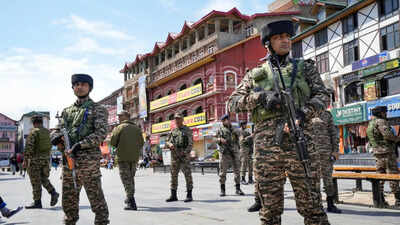
NEW DELHI: At a time when Pakistan has inserted itself in the West Asia frame and proposed to position itself as a mediator, the latest US congressional research service (CRS) report offers a sharp reality check. It says Pakistan remains a sanctuary for a wide array of terrorist groups despite decades of state-led military offensives and strategic policy shifts.Despite the 2014 National Action Plan’s mandate to dismantle all armed militias, 15 major groups continue to operate across five broad categories — globally oriented, Afghanistan-oriented, India- and Kashmir-oriented, domestically oriented, and sectarian, the report noted.Twelve of these 15 groups are designated as Foreign Terrorist Organisations (FTOs) under US law, with most animated by extremist ideology. The report underscores a fundamental failure in dismantling these networks, noting that both US- and UN-designated terrorist organisations continue to operate openly on Pakistani soil. Particular emphasis is placed on India-centric groups like Hizbul Mujahideen and Jaish-e-Muhammed, which maintain active cadres of 1,500 and 500 armed supporters, respectively.On the regional front, Pakistan remains a base for India-oriented groups like Lashkar-e-Taiba (responsible for the 2008 Mumbai attacks), Jaish and Hizbul, which seek the annexation of Kashmir.While Islamabad accuses India of backing militants in Balochistan and Khyber Pakhtunkhwa — charges India denies — US officials have conversely linked the Haqqani Network, led by Afghanistan’s interior minister Sirajuddin Haqqani, to Pakistan’s own intelligence services. Despite being removed from the FATF “grey list” in 2022, Pakistan remains designated by the US as a “Country of Particular Concern” for religious freedom, as some madrassas continue teaching doctrines which could lead to greater acceptance of extremist ideology. From the dormant anti-Shia Sipah-e-Sahaba to the active Lashkar-e-Jhangvi, and Al Qaeda in the Indian Subcontinent, the sheer diversity of these outfits illustrates a multi-layered security challenge that neither airstrikes nor diplomatic maneuvers have been able to resolve, the report said.The reality is further punctuated by a spike in terrorism-linked deaths that reached 4,001 in 2025 — highest in 11 years. TTP remains the deadliest domestic threat, seeking Sharia law in Khyber Pakhtunkhwa.


