
NE DELHI: If you want to recall what you had for breakfast in your 80s, it may be time to pay closer attention to what you eat in your 40s.A large study published in JAMA Neurology, tracking over 1.5 lakh adults, has found that healthier diets in midlife are associated with better memory and thinking abilities later. Those eating more fruits, vegetables, whole grains and fish were less likely to report early signs of cognitive decline and performed better on cognitive tests over time.The findings put the spotlight on a crucial but often ignored window-ages 45 to 54, when long-term brain health appears to be shaped.AIIMS Delhi dietician Monita Gahlot said this is when many risk factors-such as high blood pressure, blood sugar imbalance, inflammation and vascular damage-begin silently and gradually to affect the brain. Israel Iran WarUS-Israel-Iran War News Live Updates: Iran vows tit-for-tat strike after Trump’s 48hr ultimatum, threatens to hit US-Israel energy facilityIf America strikes us, we should attack Indian cities like Delhi and Mumbai: Ex-Pak envoyTrump Pauses Planned Strikes: US halts Iran attack plan for 5 days; talks called very good and productive”Midlife is a critical window because the brain still retains enough flexibility for lifestyle changes, especially diet, to make a meaningful impact. Habits formed during this phase help build cognitive reserve and can delay or reduce dementia risk,” she said.Among the diets studied, the DASH (Dietary Approaches to Stop Hypertension) diet showed one of the strongest links with lower risk of cognitive decline, reinforcing its benefits beyond heart health. Ritika Samaddar, chief clinical nutritionist at Max Super Speciality Hospital, said diet plays a direct and sustained role in brain health across adulthood. “Plant-based diets rich in fruits, vegetables, whole grains, nuts, seeds and healthy fats like olive oil and fish are key. At the same time, intake of red and processed meat, refined carbs, sugary drinks and ultra-processed foods should be reduced,” she said.She added that diet affects the brain through multiple pathways. “A healthy gut microbiome supports cognition and mood, while poor diets increase inflammation and oxidative stress, damaging brain cells. Stable blood sugar and good vascular health are equally important for maintaining brain function,” she said.The study also flags diets high in red and processed meat and those linked to inflammation or blood sugar spikes as being associated with poorer brain outcomes.Experts say brain ageing begins much earlier, and prevention needs to start in midlife. For a country like India, where cases of dementia are expected to rise sharply, the findings reinforce the importance of prevention.About the AuthorAnuja JaiswalAnuja Jaiswal is a Senior Assistant Editor at The Times of India, with an impressive 18-year career in narrative journalism. She specializes in health and heritage reporting, expertly simplifying complex health information to make it engaging and understandable for readers. Her deep dives into heritage topics are well-researched, resulting in captivating narratives that resonate with her audience. Over the years, she has worked in Chandigarh, Chhattisgarh and West UP, gaining diverse on-ground experience that shapes her storytelling.Read MoreEnd of ArticleFollow Us On Social MediaVideos’India Moving Ahead With Resolve’: PM Modi’s Big Message On West Asia Conflict’Never Faced Such Humiliation’: Jaya Bachchan Slams VIP Culture In RS, Flags Traffic DisruptionsUS Finally Ready For De-Escalation? Iran Says Trump’s Threat To Blow Up Its Power Grid Was ‘Bluff’’100% Under Control Of Trump’: Rahul Gandhi Slams PM Modi Over West Asia Remarks In Lok Sabha’India Should Put House In Order First: Gita Gopinath’s Big Warning To Modi Govt Amid Iran WarIndia’s Nuclear Submarine Trio Is What China and Pakistan Should Pay Attention ToQawwali Meets Politics: LJP MP Shambhavi Chaudhary’s Dhurandhar Dig Targets Opposition In Lok Sabha‘Your Kindness Won’t Be Forgotten’: Iran Thanks Kashmir Donors For War Relief’India Shining Speech’: Oppn Hits Out At PM Modi’s Remarks On West Asia, Demands Discussion In Parl’India Deserves Deepest Respect: Russia Praises Delhi’s Strategic Autonomy, Confirms PM Modi’s Visit123PhotostoriesHow to make Kala Chana Kofta Curry for dinner at home5 Vastu-approved paintings of fish you should have in your home to attract wealth, love and prosperityOrdering food gets costlier: Under 20 minutes easy dinner ideas for busy weeknights9 animals living in the wettest place on Earth: From a venomous snake and a creature that smells like popcornAneet Padda to Ananya Panday: Celebrity showstoppers who owned the ramp at Lakmē Fashion Week 20265 most magnificent palaces of South India worth travelling forWhy you stretch unconsciously: The hidden stress signal your body uses, and how to fix itHow to make Amla Turmeric Juice at home and 3 reasons to drink it before your breakfast dailyInside Axar Patel’s Luxury Car Collection: Top 3 cars owned by the cricketer7 science-backed reasons soaked walnuts are great for your brain and heart, and beyond123Hot PicksTrump Iran DealMohammad Bagher GhalibafSan Francisco AirportGold rate todayIncome Tax CalculatorPublic holidays March 2026Bank Holidays MarchTop TrendingBSEB Class 12th ResultUS Stock Market TodayGold prices crashShedeur SandersPuducherry electionsNDA seat sharingSilver Rate TodayPahalgam hotel caseTrump Iran DealBihar Board Science Topper

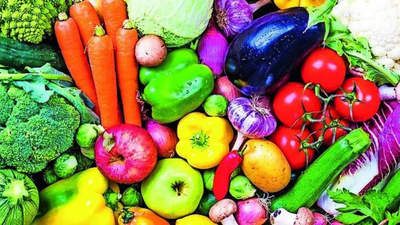
NE DELHI: If you want to recall what you had for breakfast in your 80s, it may be time to pay closer attention to what you eat in your 40s.A large study published in JAMA Neurology, tracking over 1.5 lakh adults, has found that healthier diets in midlife are associated with better memory and thinking abilities later. Those eating more fruits, vegetables, whole grains and fish were less likely to report early signs of cognitive decline and performed better on cognitive tests over time.
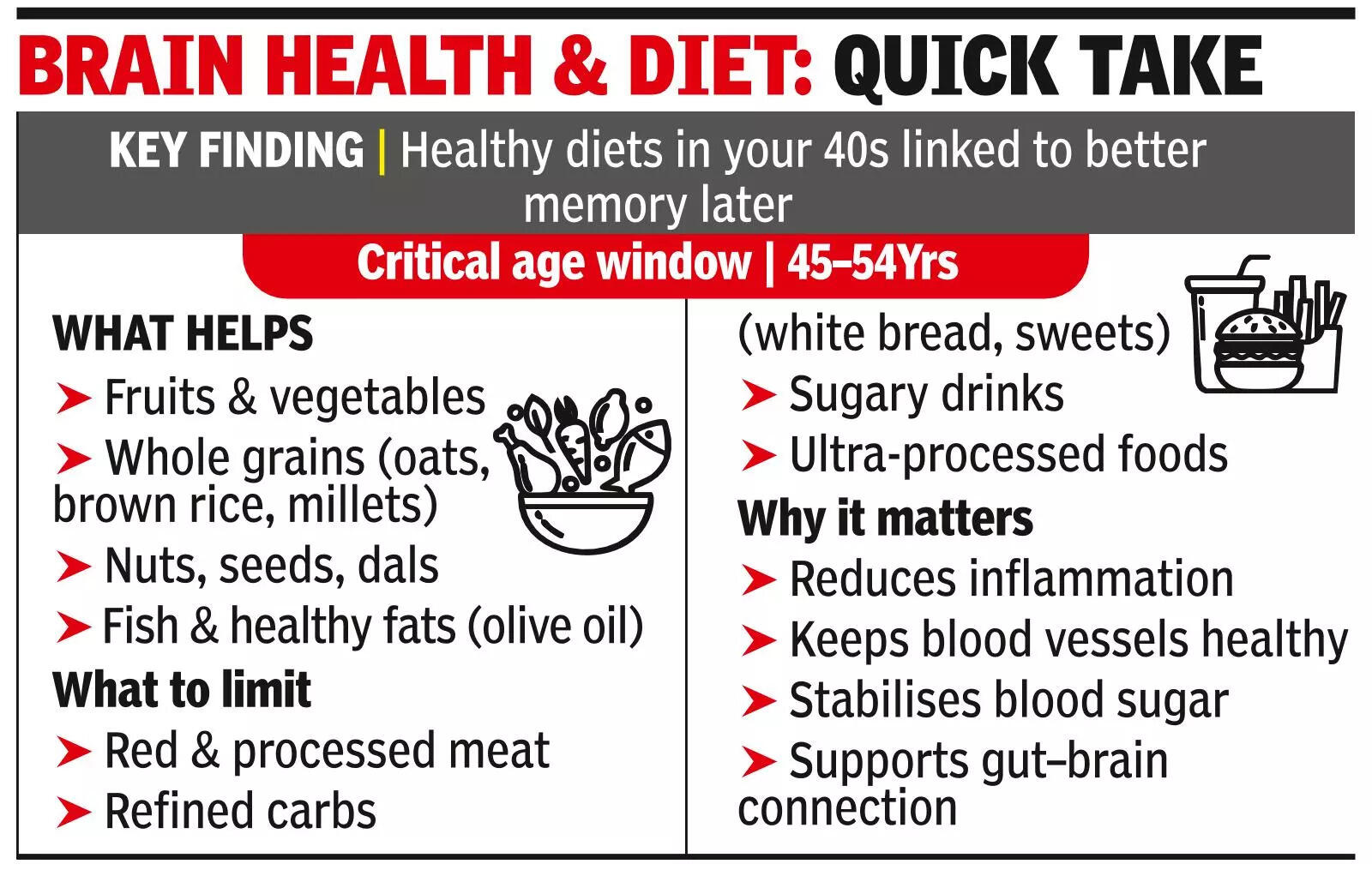
The findings put the spotlight on a crucial but often ignored window-ages 45 to 54, when long-term brain health appears to be shaped.AIIMS Delhi dietician Monita Gahlot said this is when many risk factors-such as high blood pressure, blood sugar imbalance, inflammation and vascular damage-begin silently and gradually to affect the brain. “Midlife is a critical window because the brain still retains enough flexibility for lifestyle changes, especially diet, to make a meaningful impact. Habits formed during this phase help build cognitive reserve and can delay or reduce dementia risk,” she said.Among the diets studied, the DASH (Dietary Approaches to Stop Hypertension) diet showed one of the strongest links with lower risk of cognitive decline, reinforcing its benefits beyond heart health. Ritika Samaddar, chief clinical nutritionist at Max Super Speciality Hospital, said diet plays a direct and sustained role in brain health across adulthood. “Plant-based diets rich in fruits, vegetables, whole grains, nuts, seeds and healthy fats like olive oil and fish are key. At the same time, intake of red and processed meat, refined carbs, sugary drinks and ultra-processed foods should be reduced,” she said.She added that diet affects the brain through multiple pathways. “A healthy gut microbiome supports cognition and mood, while poor diets increase inflammation and oxidative stress, damaging brain cells. Stable blood sugar and good vascular health are equally important for maintaining brain function,” she said.The study also flags diets high in red and processed meat and those linked to inflammation or blood sugar spikes as being associated with poorer brain outcomes.Experts say brain ageing begins much earlier, and prevention needs to start in midlife. For a country like India, where cases of dementia are expected to rise sharply, the findings reinforce the importance of prevention.


