
India is leading the charge in utilizing AI technology to anticipate common disease outbreaks like dengue and flu, getting ahead of potential health crises. The system expertly analyzes various data streams—ranging from news reports and weather conditions to health statistics—to uncover early signs of impending outbreaks. An AI-generated image NEW DELHI: India is set to deploy artificial intelligence (AI) to predict outbreaks of everyday illnesses — dengue, chikungunya, influenza, diarrhoea and other public health threats— well before they begin spreading in neighbourhoods. Officials say this marks a major shift from the current system, which often picks up outbreaks only after hospitals start seeing a surge in patients.At the National Centre for Disease Control (NCDC), an AI-driven system already scans millions of news reports daily in 13 Indian languages, flagging unusual health signals — a spike in fever cases, reports of diarrhoea in a locality, or rising mosquito breeding. Since 2022, it has analysed over 300 million reports and identified 95,000 early health events, a scale impossible under manual surveillance.This next phase goes further. India’s new predictive model will fuse data from weather patterns, hospital records, lab results, and population movement to forecast risks even before the first patient walks into a clinic. If indicators point to a likely dengue surge after heavy rains or a flu wave following a temperature dip, alerts will go straight to state and district teams for pre-emptive action.Health experts say that because many diseases follow seasonal and environmental patterns, AI-led forecasting could allow authorities to stock medicines, prepare hospitals, spray mosquito hotspots and check water contamination in advance — cutting transmission before it begins.The system has already shown its value. When suspected Acute Encephalitis Syndrome (AES) cases were reported in Chhindwara, Madhya Pradesh, the Metropolitan Surveillance Unit in Nagpur flagged it immediately, enabling rapid coordination among central agencies and state teams. Officials say such real-time responses will only strengthen as predictive tools expand.According to NCDC, the shift signals a larger national move toward data-driven, anticipatory disease control, replacing the old pattern of reacting only after outbreaks escalate. “With AI and real-time information, we can see where risks are rising before people fall ill,” a senior official said.For citizens, officials say, this means faster alerts, quicker containment and fewer seasonal disruptions as authorities act earlier and more precisely.As one official summed up, India is moving from reactive to proactive — and the future of disease surveillance will be early, intelligent and predictive.About the AuthorAnuja JaiswalAnuja Jaiswal is a Senior Assistant Editor at The Times of India, with an impressive 18-year career in narrative journalism. She specializes in health and heritage reporting, expertly simplifying complex health information to make it engaging and understandable for readers. Her deep dives into heritage topics are well-researched, resulting in captivating narratives that resonate with her audience. Over the years, she has worked in Chandigarh, Chhattisgarh and West UP, gaining diverse on-ground experience that shapes her storytelling.Read MoreEnd of ArticleFollow Us On Social MediaVideosEU MP Filip Dewinter Labels Pakistan As A ‘Terror State’, Urges Europe To Act And Align With IndiaNepal’s Currency Map Includes Indian Land; Ex-Minister Calls Dialogue Essential Amid Rising TensionIndia’s Maritime Future Is Preordained: CDS Chauhan Predicts Indian Navy’s Decisive Warfighting RolePak Slams Rajnath’s Sindh Remark But Ignores Its Leader Claiming Gujarat, Rajasthan, Haryana As OwnIndiGo And Air India Warn Of Delays As Airbus Solar Radiation Snag Hits 350 A320 Jets In IndiaPakistan Faces Global Scrutiny as UN Flags Grave Risks to Rule of Law, Judicial Freedom, GovernanceCyclone Ditwah Approaches India: Tamil Nadu, Puducherry, Andhra Pradesh Brace For Impact’Op Sindoor Was Just A Glimpse Of Future Theatre Commands’: Air Marshal Ashutosh DixitPM Modi Unveils World’s Tallest Bronze Statue Of Lord Ram In South GoaIndia Says US Trade Deal Is ‘Only Matter Of Time’ As Tariffs Reshape Bilateral Trade Negotiations123PhotostoriesEveryday fashion inspired by Bollywood elegance and effortless celebrity charm influencing real life wardrobes across generations5 must visit places in Delhi for a fun weekend with kidsHow Dilwale Dulhania Le Jayenge rewrote the way India falls in loveHow Universe Communicate With You According To Your Birth Date7 everyday Indian foods that help improve your child’s memoryExpert-approved 3 best drinks and their right quantity to reverse fatty liver naturallyWeekly Cosmic Messages From November 29 To December 5, 2025 According To Your Birth DateBrainless but brilliant: 5 animals that survive without a brainJustin Bieber as a doting dad: Times the Grammy winner won our hearts with his love for Jack Blues BieberBengali film stories that shaped generations and still move hearts today123Hot PicksDelhi AQI TodayNew Labour CodeWorld NewsGold rate todaySilver rate todayPublic Holidays NovemberBank Holidays NovemberTop TrendingGiannis AntetokounmpoBo BichetteWWE Smackdown HighlightsDonald TrumpPerez HiltonCyclone DitwahR AshwinAyesha CurryFuzzy ZoellerJammie Booker

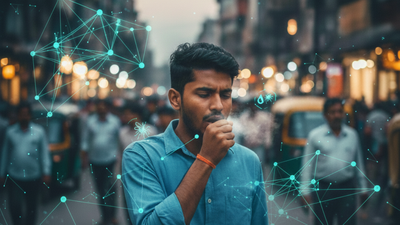
NEW DELHI: India is set to deploy artificial intelligence (AI) to predict outbreaks of everyday illnesses — dengue, chikungunya, influenza, diarrhoea and other public health threats— well before they begin spreading in neighbourhoods. Officials say this marks a major shift from the current system, which often picks up outbreaks only after hospitals start seeing a surge in patients.At the National Centre for Disease Control (NCDC), an AI-driven system already scans millions of news reports daily in 13 Indian languages, flagging unusual health signals — a spike in fever cases, reports of diarrhoea in a locality, or rising mosquito breeding. Since 2022, it has analysed over 300 million reports and identified 95,000 early health events, a scale impossible under manual surveillance.This next phase goes further. India’s new predictive model will fuse data from weather patterns, hospital records, lab results, and population movement to forecast risks even before the first patient walks into a clinic. If indicators point to a likely dengue surge after heavy rains or a flu wave following a temperature dip, alerts will go straight to state and district teams for pre-emptive action.Health experts say that because many diseases follow seasonal and environmental patterns, AI-led forecasting could allow authorities to stock medicines, prepare hospitals, spray mosquito hotspots and check water contamination in advance — cutting transmission before it begins.The system has already shown its value. When suspected Acute Encephalitis Syndrome (AES) cases were reported in Chhindwara, Madhya Pradesh, the Metropolitan Surveillance Unit in Nagpur flagged it immediately, enabling rapid coordination among central agencies and state teams. Officials say such real-time responses will only strengthen as predictive tools expand.According to NCDC, the shift signals a larger national move toward data-driven, anticipatory disease control, replacing the old pattern of reacting only after outbreaks escalate. “With AI and real-time information, we can see where risks are rising before people fall ill,” a senior official said.For citizens, officials say, this means faster alerts, quicker containment and fewer seasonal disruptions as authorities act earlier and more precisely.As one official summed up, India is moving from reactive to proactive — and the future of disease surveillance will be early, intelligent and predictive.


