
In a landmark ruling that revisits one of medicine’s most difficult ethical questions, the Supreme Court on Wednesday allowed the withdrawal of artificial life support — or passive euthanasia as it is commonly referred to — for a 31-year-old man who had been comatose for over 13 years. The decision in the Harish Rana case marks the first time the court has directly permitted passive euthanasia for a patient in a permanent vegetative state. Dr Sushma Bhatnagar , former chief of AIIMS and professor of onco-anaesthesia and palliative medicine, tells TOI what this mean in medical practice, and how doctors decide when life support should be withdrawn.What does passive euthanasia mean in medical practice?In simple terms, it involves withdrawal of life support, stopping certain forms of artificial support that prolong life without improving the patient’s condition. Israel Iran WarUS-Israel-Iran War News Live Updates: Saudi intercepts drone headed to Shaybah oil field; Israeli strikes 10 Hezbollah targets in Beirut’Legitimate targets’: Iran issues warning to US tech firms including Google, Amazon, Microsoft, NvidiaSafe Passage For Indian Vessels: Iran clears Indian-flagged ships in Hormuz; US, Europe, Israel face curbsFor instance, doctors may stop artificial feeding, fluids, or other lifesustaining interventions when they are no longer beneficial. The aim is not to actively end life, but to stop treatments that only prolong suffering, and allow the illness to run its course when recovery is not possible.In what situations do doctors consider withdrawing life support?Doctors consider it when treatments are no longer helping the patient and are only increasing suffering. In such cases, continuing aggressive medical support may not be in the patient’s best interest. Situations may include a permanent vegetative state, severe and irreversible brain injury, terminal cancer, end-stage kidney failure where dialysis is no longer effective, or advanced heart disease where treatment options have been exhausted. It may involve withdrawing ventilatory support, stopping medicines that artificially maintain blood pressure, dialysis, artificial feeding through tubes, or other interventions that sustain bodily functions without improving the patient’s condition.How do doctors determine that a patient has no chance of recovery, and what safeguards must be followed before life support can be withdrawn in India?There are established medical criteria and tests. For instance, specific tools are used to confirm conditions such as coma or a vegetative state. In terminal illnesses like advanced cancer, prognosis and chances of recovery are assessed using evidencebased medical guidelines. In India, decisions typically involve a review by a primary and a secondary medical board before any decision is taken. In some cases, hospital ethics committees may also be involved to ensure that the process adheres to medical ethics and legal guidelines laid down by the Supreme Court. These measures ensure that the decision is medically justified and ethically sound.How important are living wills or advance directives?They are extremely important. If a patient has clearly stated in advance what kind of treatment they would or would not want in such circumstances, doctors and families can follow those wishes. Respecting patient autonomy is a fundamental principle of medical ethics.How often do doctors get requests to withdraw life support in India?It is still relatively rare in India.Awareness about advance directives is limited. Culturally, many families find it difficult to accept death as a natural part of life.What is the difference between active and passive euthanasia, and how is the latter different from assisted suicide or assisted dying?Active euthanasia involves deliberately administering drugs to cause death. Passive euthanasia refers to withdrawing or withholding treatments that artificially sustain life and involves stopping medical interventions that are no longer beneficial. Assisted suicide involves actively helping a person end their life, usually by providing medication that the person takes themselves.What are some common misconceptions about passive euthanasia?Many people believe it means doctors are actively trying to end a patient’s life. In reality, it usually involves stopping medical interventions that are no longer useful, and focusing on comfort, care and dignity at the end of life.From a medical ethics perspective, why are these practices treated differently?Medical ethics emphasises not causing harm and avoiding treatments that offer no benefit. When treatment only prolongs suffering without any realistic chance of recovery, withdrawing it can be considered ethically appropriate.About the AuthorAnuja JaiswalAnuja Jaiswal is a Senior Assistant Editor at The Times of India, with an impressive 18-year career in narrative journalism. She specializes in health and heritage reporting, expertly simplifying complex health information to make it engaging and understandable for readers. Her deep dives into heritage topics are well-researched, resulting in captivating narratives that resonate with her audience. Over the years, she has worked in Chandigarh, Chhattisgarh and West UP, gaining diverse on-ground experience that shapes her storytelling.Read MoreEnd of ArticleFollow Us On Social MediaVideos“Public Interest Will Guide Every Decision,” PM Modi Reassures Nation Amid Global UncertaintyIndian Crew Hit In Iran War Shipping Chaos: 3 Dead, 4 InjuredCentre Urges Citizens To Avoid Panic Booking As India Assures Stable LPG, Fuel Supply Amid WarChief Of Integrated Staff Air Marshal Dixit Says India Not Dealing With Same Pakistan After Operation SindoorEpstein Chants Greet Hardeep Puri In Lok Sabha Amid Rahul Gandhi’s Dig At Minister, Birla Steps In“Energy Security Compromised”: Rahul Gandhi Sounds Alarm In Parliament’India’s Fuel Supply Stable’: Hardeep Singh Puri Rejects LPG Shortage, Oil Crisis Fears In Lok Sabha’I Heard A Cracker Sound…’: Farooq Abdullah Opens Up About Assassination AttemptRahul Gandhi Warns Of Fuel Crisis Amid Middle East Conflict, BJP MP Dubey Hits Back With Soros JibeAmid US-Iran War, First Crude Tanker Shenlong Safely Reaches Mumbai Port Through Strait Of Hormuz123PhotostoriesCelebrity parents 2026: Ellie Goulding, Meghan Trainor, Kat Graham and other Hollywood stars who expanded their familiesLPG, Induction, Air fryer, or Microwave: Which is cheaper and efficient to cook with8 high-protein no-cook breakfast dishes to save LPGExclusive – Ridhima Pandit accuses Vanshaj Singh of inciting hate; says she received ra*e and death threats, claims Karan Patel slept through The 50 and wanted to quitThin but diagnosed with fatty liver? Doctors explain why lean people can develop NAFLD and how lifestyle changes can reverse it6 foods to add to coconut water to make it an even more hydrating morning drinkOprah Winfrey once said, “Turn your wounds into wisdom”: 4 lessons it teaches studentsNormal cholesterol but early heart attack risk? Doctors say Lipoprotein(a) test can reveal hidden danger6 superbikes famous for their thrilling engine roarAhead of ‘Dhurandhar: The Revenge’ release, revisiting Ranveer Singh’s iconic characters like Khilji, Bajirao, Rocky Randhawa123Hot PicksUAE newsSaudi oil tanker arrivalQatar newsPune restaurantsIncome Tax CalculatorPublic holidays March 2026Bank Holidays MarchTop TrendingCardi BIPL Teams Match ScheduleUS oil tanker hitUS Stock Market NewsLPG Shortage in MumbaiFixed-term employmentJones ActIran US WarReliance Oil Refinery in USMiddle East War


In a landmark ruling that revisits one of medicine’s most difficult ethical questions, the Supreme Court on Wednesday allowed the withdrawal of artificial life support — or passive euthanasia as it is commonly referred to — for a 31-year-old man who had been comatose for over 13 years. The decision in the Harish Rana case marks the first time the court has directly permitted passive euthanasia for a patient in a permanent vegetative state. Dr Sushma Bhatnagar , former chief of AIIMS and professor of onco-anaesthesia and palliative medicine, tells TOI what this mean in medical practice, and how doctors decide when life support should be withdrawn.What does passive euthanasia mean in medical practice?In simple terms, it involves withdrawal of life support, stopping certain forms of artificial support that prolong life without improving the patient’s condition. For instance, doctors may stop artificial feeding, fluids, or other lifesustaining interventions when they are no longer beneficial. The aim is not to actively end life, but to stop treatments that only prolong suffering, and allow the illness to run its course when recovery is not possible.In what situations do doctors consider withdrawing life support?Doctors consider it when treatments are no longer helping the patient and are only increasing suffering. In such cases, continuing aggressive medical support may not be in the patient’s best interest. Situations may include a permanent vegetative state, severe and irreversible brain injury, terminal cancer, end-stage kidney failure where dialysis is no longer effective, or advanced heart disease where treatment options have been exhausted. It may involve withdrawing ventilatory support, stopping medicines that artificially maintain blood pressure, dialysis, artificial feeding through tubes, or other interventions that sustain bodily functions without improving the patient’s condition.
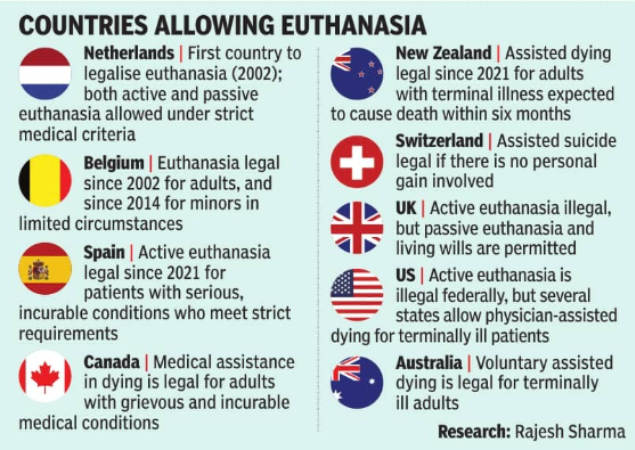
How do doctors determine that a patient has no chance of recovery, and what safeguards must be followed before life support can be withdrawn in India?There are established medical criteria and tests. For instance, specific tools are used to confirm conditions such as coma or a vegetative state. In terminal illnesses like advanced cancer, prognosis and chances of recovery are assessed using evidencebased medical guidelines. In India, decisions typically involve a review by a primary and a secondary medical board before any decision is taken. In some cases, hospital ethics committees may also be involved to ensure that the process adheres to medical ethics and legal guidelines laid down by the Supreme Court. These measures ensure that the decision is medically justified and ethically sound.How important are living wills or advance directives?They are extremely important. If a patient has clearly stated in advance what kind of treatment they would or would not want in such circumstances, doctors and families can follow those wishes. Respecting patient autonomy is a fundamental principle of medical ethics.How often do doctors get requests to withdraw life support in India?It is still relatively rare in India.Awareness about advance directives is limited. Culturally, many families find it difficult to accept death as a natural part of life.What is the difference between active and passive euthanasia, and how is the latter different from assisted suicide or assisted dying?Active euthanasia involves deliberately administering drugs to cause death. Passive euthanasia refers to withdrawing or withholding treatments that artificially sustain life and involves stopping medical interventions that are no longer beneficial. Assisted suicide involves actively helping a person end their life, usually by providing medication that the person takes themselves.What are some common misconceptions about passive euthanasia?Many people believe it means doctors are actively trying to end a patient’s life. In reality, it usually involves stopping medical interventions that are no longer useful, and focusing on comfort, care and dignity at the end of life.From a medical ethics perspective, why are these practices treated differently?Medical ethics emphasises not causing harm and avoiding treatments that offer no benefit. When treatment only prolongs suffering without any realistic chance of recovery, withdrawing it can be considered ethically appropriate.


