
Image: PTI NEW DELHI: In a debate over faith and belief vs fundamental rights emerging from the striking down of the customary ban on the entry of menstruating women into Lord Ayyappa Temple at Sabarimala, Justice B V Nagarathna on Tuesday criticised the past social practice of treating women as ‘untouchables’ for three days every month.Part of the CJI Surya Kant-headed nine-judge constitution bench that commenced what promises to be an intense yet interesting elucidation of contesting constitutional and legal principles on equality, religion, religious practices, faith and belief, Justice Nagarathna said, “As a woman, I do not agree.”Slated to be the first woman Chief Justice of India in Sept next year, she questioned the social practice that isolated menstruating women and said, “There cannot be three days of untouchability in a month for women, after which they are treated normal.”The remark came when solicitor general Tushar Mehta was questioning the rationality of the Sept 28, 2018, SC judgment in the ‘Indian Young Lawyer Association vs Kerala’ case in testing the practice of barring entry of women in the 10-50 age group into the Sabarimala temple on the touchstone of Article 17, which abolished untouchability and made its practice a penal offence.He said in India women are worshipped, and “we have a president, PM, governors and constitutional post-holders in women”. Equality for women is the cornerstone of govt policies, and hence, applying the Article 17 test to declare the custom at Sabarimala as unconstitutional appears to stretch the jurisprudence far beyond the ambit, he said.He said women of all ages enter all Ayyappa temples, but the practice of barring entry of menstruating women into Sabarimala was unique as devotees consider the Lord Ayyappa deity at the temple a “naistik brahmachari”.”This unique attribute of the deity can’t be tested by SC,” Mehta said, and complained that the jurisprudence of testing every issue with the gender equality litmus paper has unfortunately crept into constitution benches in the last few decades. “Women are equal in every aspect and must be treated equally,” he said.Justice M M Sundresh said it is the Centre’s argument that since the attribute of the deity is intrinsically linked to the faith and belief of devotees and Lord Ayyappa followers at Sabarimala, the court cannot embark on the validity test of such faith and belief.Mehta said the Sabarimala temple practice is ‘sui generis’ (of its own kind) and similar attributes could be found in other religious institutions also. “Someone may find that his/her right to freedom of expression in keeping their hair uncovered is being violated when they are forced to cover their head while entering a mazhar or gurdwara,” he said.End of ArticleFollow Us On Social MediaVideosManipur Erupts Again After Deadly Blast Kills 2 Children; Curfew Imposed, Internet Shutdown’Avoid Military Areas, Stay Indoors’: India Issues Advisory For Indians In Iran As Tensions RiseManipur Erupts Again: Curfew, Internet Shutdown As Violence Returns Over Killing Of Two ChildrenTejas Back In Air After Setbacks, But Reliability And Delays Raise Fresh Questions’Target Of Akhand Bharat’: Pakistan Senator Sounds Alarm Over Growing India-UAE Ties’At The Behest Of Mamata’: BJP MP Nishikant Dubey’s Shocking Claim On Pakistan’s Kolkata ThreatIndia Seeks US Waiver On Chabahar Amid Conflict; Iran Envoy Hints At Key Port Revival After WarBJP Calls Kharge’s ‘Snake’ Remark Dangerous, Alleges Communal ProvocationAssam Passport Row Turns Personal: Himanta Sarma Takes ‘Peda’ Jibe At Pawan Khera, Congress Responds’Pakistan Will Be Divided Into…’: Rajnath Singh’s Strong Response To Khawaja Asif’s Kolkata Threat123Photostories10 short baby girl names inspired by beautiful flowersFrom Divyanka Tripathi to Karishma Tanna confirming their pregnancies to Surbhi Jyoti flaunting her baby bump; TV actresses who are all set to embrace motherhoodWhy this is the only Indian dish among the 50 Best Bean Dishes in the World5 fun and unusual vacation ideas for the summer holidays in IndiaStep inside Kapil Dev’s Delhi residence that defines understated luxurySimple remedies to attract wealth based on your numberHappy birthday Jackie Chan: ‘Drunken Master’, ‘Police Story’ to ‘Rush Hour’ – The legend’s greatest hitsBrad Pitt, Tom Cruise and more: Hollywood stars who adore Bollywood actors, trends and moviesTamil Nadu’s Buckingham Canal gets Rs 45 crore makeover: Walkways, cycling tracks, Miyawaki forests planned6 Japanese ideas that quietly help calm an overthinking mind123Hot PicksThierry HenryUpdated IPL Points TablePurple cap winnerOrange cap winnerIPL Points TablePublic holidays April 2026Bank Holidays AprilTop TrendingBuffalo BillsIShowSpeedStephen CurrySheldon KeefeUS stocks todayIran AdvisoryCarlos AlcarazIPL Points TableSchool Holidays in AprilKarnataka 2nd PUC Exam Result Date

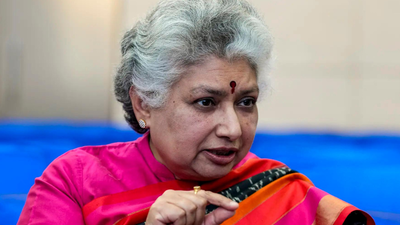
NEW DELHI: In a debate over faith and belief vs fundamental rights emerging from the striking down of the customary ban on the entry of menstruating women into Lord Ayyappa Temple at Sabarimala, Justice B V Nagarathna on Tuesday criticised the past social practice of treating women as ‘untouchables’ for three days every month.Part of the CJI Surya Kant-headed nine-judge constitution bench that commenced what promises to be an intense yet interesting elucidation of contesting constitutional and legal principles on equality, religion, religious practices, faith and belief, Justice Nagarathna said, “As a woman, I do not agree.”Slated to be the first woman Chief Justice of India in Sept next year, she questioned the social practice that isolated menstruating women and said, “There cannot be three days of untouchability in a month for women, after which they are treated normal.”The remark came when solicitor general Tushar Mehta was questioning the rationality of the Sept 28, 2018, SC judgment in the ‘Indian Young Lawyer Association vs Kerala’ case in testing the practice of barring entry of women in the 10-50 age group into the Sabarimala temple on the touchstone of Article 17, which abolished untouchability and made its practice a penal offence.He said in India women are worshipped, and “we have a president, PM, governors and constitutional post-holders in women”. Equality for women is the cornerstone of govt policies, and hence, applying the Article 17 test to declare the custom at Sabarimala as unconstitutional appears to stretch the jurisprudence far beyond the ambit, he said.He said women of all ages enter all Ayyappa temples, but the practice of barring entry of menstruating women into Sabarimala was unique as devotees consider the Lord Ayyappa deity at the temple a “naistik brahmachari”.“This unique attribute of the deity can’t be tested by SC,” Mehta said, and complained that the jurisprudence of testing every issue with the gender equality litmus paper has unfortunately crept into constitution benches in the last few decades. “Women are equal in every aspect and must be treated equally,” he said.Justice M M Sundresh said it is the Centre’s argument that since the attribute of the deity is intrinsically linked to the faith and belief of devotees and Lord Ayyappa followers at Sabarimala, the court cannot embark on the validity test of such faith and belief.Mehta said the Sabarimala temple practice is ‘sui generis’ (of its own kind) and similar attributes could be found in other religious institutions also. “Someone may find that his/her right to freedom of expression in keeping their hair uncovered is being violated when they are forced to cover their head while entering a mazhar or gurdwara,” he said.


