
ANI file photo The Pakistan-brokered temporary ceasefire – after 6 weeks of a brutal war in the West Asia region – was welcomed by India in an official statement in which the government also expressed hope that the truce will lead to a lasting peace in the region. Stressing that the conflict had already caused immense suffering to people and disrupted global energy supply and trade networks, the Indian government said it expected unimpeded freedom of navigation and global flow of commerce to prevail through the Strait of Hormuz. “As we have continuously advocated earlier, deescalation, dialogue and diplomacy are essential to bring an early end to the ongoing conflict,” said the MEA in a carefully worded statement focused more on the outcome than the means used to achieve it. Going a step further, MEA spokesperson Randhir Jaiswal expressed hope that developments in West Asia will encourage peace efforts in Ukraine too.“India has always been in favour of peace. We welcome all steps that lead to peace and stability,” he said. There was no formal acknowledgement of the key intermediary role played by Pakistan, which was credited by both President Donald Trump and Iran for the breakthrough. However, official sources said India sees the development, which entails a commitment by Iran to open the Strait of Hormuz during the 2-week ceasefire, as a potential catalyst for progress in negotiations for long-term peace in the region. Pakistan PM Shehbaz Sharif has announced that Islamabad will host talks between the US and Iran, beginning April 10. Apart from ensuring the safety and security of the 10-million strong Indian diaspora in the Gulf region, India’s foremost priority in the past several weeks had been to secure safe passage for its LPG tankers through the key energy route to prevent any supply disruptions. India, however, will be wary of any negative fallout on its own downgraded ties with Pakistan from greater international legitimacy for Islamabad that the ceasefire could lead to. India maintains that Pakistan is the fountainhead of global terrorism and refuses to engage with Islamabad till it takes tangible and irreversible action against groups responsible for cross-border terrorism. Trump also hinted after the ceasefire that China too might have played a role in the peace negotiations by urging Tehran to engage with the US. For India, however, despite its close ties with both sides and its status as a vital stakeholder in the Gulf, active mediation was not an option in line with its decades-old disdain for third-party mediation, especially in ties with Islamabad in which it has always emphasised bilateralism. External affairs minister S Jaishankar touched upon this at an all-party meeting last month where he said that India, unlike Pakistan, does not have a history of acting as a go-between between countries. He mentioned Pakistan’s role in facilitating clandestine backchannel talks between the US and China in 1971.End of ArticleFollow Us On Social MediaVideos‘Bilateral Trade Growing Towards $500 Bn Ambition’: Piyush Goyal At Launch Of India-US Trade PortalIndia Pushes For ‘Freedom Of Navigation’ At Hormuz After Iran-US Ceasefire, Jaishankar Heads To UAE’How Will We Get PoK, Aksai Chin Back?’: Owaisi Slams Modi Govt Over US-Iran CeasefireOil Falls After US-Iran Ceasefire, But Why Indians May Not See Cheaper Fuel Anytime SoonIndia Seeks Return Of Stranded Ships In Hormuz, Evacuation Of 7,500 Indians In Iran After CeasefireIndia’s Theatre Command Plan Nears Reality, Marking Major Shift In WarfightingExplained: Why India’s Prototype Fast Breeder Reactor Is A Game-Changer For Its Nuclear RoadmapEAM Jaishankar Hosts Bangladesh FM Khalilur Rahman For Crucial Bilateral Talks In DelhiDRDO Chief Flags Risks Of Foreign Dependence, Calls For Full-Spectrum Defence Self-Reliance’I Cry When I Think Of Indians’: Iran Supreme Leader’s Rep Hails India After Ceasefire With US123PhotostoriesHow to make Ranveer Brar-Style Biryani ka Masala at home5 interesting ways to use a sandwich maker beyond making sandwichesFrom ‘flying’ to surviving a year without food: 7 snake facts explained8 red snakes you won’t believe exist in the wildThese 8 teddy bear-like dogs are so cute you won’t believe they’re realBanarasi outfit ideas beyond sarees inspired by Bollywood celebritiesWhat are the Vedic switch words? know their powerful effects in HinduismAhead of ‘The Devil Wears Prada 2’ release, let’s revisit Meryl Streep’s other iconic charactersNearly 100 hospitalised after suspected food poisoning: Food storage mistakes that turn dangerous in summerTop 8 Indian real estate hotspots for NRI investors right now123Hot PicksShreyas Iyer SisterUpdated IPL Points TablePurple cap winnerOrange cap winnerIPL Points TablePublic holidays April 2026Bank Holidays AprilTop TrendingTaylor Swift and Travis Kelce RelationshipIPL 2026Donald TrumpB V NagarathnaRomarioMHT CET Admit cardBengal PollIPL Points TableSchool Holidays in AprilKarnataka 2nd PUC Exam Result Date

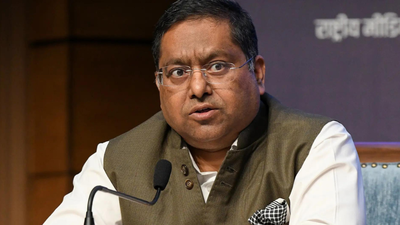
The Pakistan-brokered temporary ceasefire – after 6 weeks of a brutal war in the West Asia region – was welcomed by India in an official statement in which the government also expressed hope that the truce will lead to a lasting peace in the region. Stressing that the conflict had already caused immense suffering to people and disrupted global energy supply and trade networks, the Indian government said it expected unimpeded freedom of navigation and global flow of commerce to prevail through the Strait of Hormuz. “As we have continuously advocated earlier, deescalation, dialogue and diplomacy are essential to bring an early end to the ongoing conflict,” said the MEA in a carefully worded statement focused more on the outcome than the means used to achieve it. Going a step further, MEA spokesperson Randhir Jaiswal expressed hope that developments in West Asia will encourage peace efforts in Ukraine too.“India has always been in favour of peace. We welcome all steps that lead to peace and stability,” he said. There was no formal acknowledgement of the key intermediary role played by Pakistan, which was credited by both President Donald Trump and Iran for the breakthrough. However, official sources said India sees the development, which entails a commitment by Iran to open the Strait of Hormuz during the 2-week ceasefire, as a potential catalyst for progress in negotiations for long-term peace in the region. Pakistan PM Shehbaz Sharif has announced that Islamabad will host talks between the US and Iran, beginning April 10. Apart from ensuring the safety and security of the 10-million strong Indian diaspora in the Gulf region, India’s foremost priority in the past several weeks had been to secure safe passage for its LPG tankers through the key energy route to prevent any supply disruptions. India, however, will be wary of any negative fallout on its own downgraded ties with Pakistan from greater international legitimacy for Islamabad that the ceasefire could lead to. India maintains that Pakistan is the fountainhead of global terrorism and refuses to engage with Islamabad till it takes tangible and irreversible action against groups responsible for cross-border terrorism. Trump also hinted after the ceasefire that China too might have played a role in the peace negotiations by urging Tehran to engage with the US. For India, however, despite its close ties with both sides and its status as a vital stakeholder in the Gulf, active mediation was not an option in line with its decades-old disdain for third-party mediation, especially in ties with Islamabad in which it has always emphasised bilateralism. External affairs minister S Jaishankar touched upon this at an all-party meeting last month where he said that India, unlike Pakistan, does not have a history of acting as a go-between between countries. He mentioned Pakistan’s role in facilitating clandestine backchannel talks between the US and China in 1971.


