
Photo credit: Agencies NEW DELHI: A parliamentary committee is set to recommend to government that it should explore introducing age-restrictions for social media platforms, a suggestion that will lend a legislative fillip to the demand for limiting children’s exposure to them at a time when countries around the world are warming up to the idea. The committee’s nudge to govt for limiting social media exposure for children, though it has not specified any age bracket but its suggestion appears to be aimed at them, comes amid growing call within India, including from state govts, to ban SM platforms for minors below a certain age. The parliament committee on communications and information technology, which is headed by BJP MP Nishikant Dubey, has adopted its report and is likely to table this in Parliament on Monday, people aware of the development said. Israel Iran War‘A tremendous mistake’: Trump says he’ll cut spending on Nato over Iran war snubWar to end in ‘weeks, not months’: Rubio says no need to send ground troops to IranInterview With Iran Envoy: Nuclear weapons are forbidden; India urged to mediateIt has also urged govt to consider bringing in a comprehensive legislation to prevent the misuse of Artificial Intelligence on the lines of stringent and binding laws enacted in several countries. Pitching for a comprehensive law to curb the misuse of Artificial Intelligence, the panel cited its deployment for financial frauds and intimidation besides deepfake audios and videos to back its suggestions even as it acknowledged govt’s steps to curb such incidence and protect innocent people, especially women and children. In the committee’s meetings, members cutting across party lines have flagged the growing danger of cyber crimes, which have robbed people of their lifelong savings in many cases which have hit national headlines, and asked for stringent counter measures. Currently, such cases fall under the provisions of Bharatiya Nyaya Sanhita, an omnibus set of criminal laws, and IT Act. The panel has said, “The committee opines that AI should be used ethically and responsibly. The committee is given to understand that several countries in the world have already enacted stringent and binding laws to prevent the misuse of Artificial Intelligence. It urges govt to explore the possibility of a comprehensive legislation to prevent AI’s misuse and also explore if age restrictions for certain platforms could be an option to save people from the misuse of AI.” Official sources said the reference to certain platforms is meant for social media and its adverse impact on children. While there is a recognition within govt over the issue, it has so far restricted itself to conveying concerns and calling for building a consensus over the manner of dealing with the challenge. Two Indian states, Andhra Pradesh and Telangana, have taken a stand for banning the use of children in a certain age group, but no nationwide policy on restricting social media usage exists so far. Australia became the first country to ban children under-16 having social media accounts, touching off a clamour for similar policy in different countries with several European nations now in the middle of formulating legislations. The panel said efficient use of AI will help resolve the “problems of humanity” and help common people through its integration into healthcare, education, agriculture, energy, industry and infrastructure creation. It has urged the ministry of electronics and IT to encourage specialised studies and courses in AI besides popularizing it from lower standards of schools, in colleges, academic research and PhDs and work for setting up data centres and AI Labs throughout the country.End of ArticleFollow Us On Social MediaVideosNirmala Sitharaman Blasts Lockdown Rumours, Compares Pakistan, Bangladesh Situation On Fuel Crisis’Team India’: PM Modi Meets With CMs, Urges Covid-Like Coordination Amid West Asia CrisisPM Modi Congratulates Balendra Shah On Becoming Nepal PM, Eyes Stronger India-Nepal Ties‘Systemic Victimisation’: India Blasts Munir’s ‘Go To Iran’ Remark, Targets Pakistan On 1971 Denial’Pak Remains In Denial’: India Hits Out Over Op Searchlight Genocide, Backs Dhaka’s Justice Call‘Lockdown Rumours False’: Oil Minister; Centre Slashes Excise Duty On Fuel, Will It Help Consumers?BJP MP Kangana Ranaut Targets Rahul Gandhi, Says ‘Needs Tuition’ Over Economy Claims In ParliamentIndia Signs ₹445 Crore Tunguska Air Defence Deal To Boost Short-Range ProtectionWill Delimitation Change Impact Of Muslim Voters In Assam Election 2026? | Himanta Biswa SarmaIndia Moves To Secure Military Drones With New “Secure-By-Design” Framework123Photostories5 books to read if you want to be rich and successful in lifeFake Desi Ghee in the market? How to check the purity of Ghee at homeIndia’s most iconic treks for the summer extreme adventure6 tallest buildings of Bangkok defining architectural brilliance8 fruits that can protect kids from heat strokeYou’re drinking water, but is your body actually using it? Doctor explains hidden hydration mistakes5 phrases that can emotionally hurt a childHow to grow beautiful zinnia flowers in your balcony garden8 Japanese food habits that help shed extra kilosRashmika Mandanna and Vijay Deverakonda’s chikankari moment proves newlywed fashion doesn’t always have to be loud123Hot PicksE-chequesIndia-US trade dealUS stock markets todayUS Iran WarIncome Tax CalculatorPublic holidays April 2026Bank Holidays AprilTop TrendingTiger Woods CrashJill BidenH-1B lotteryVanathi SrinivasanMirwaiz Umar FarooqZojila Pass avalancheNoelia CastilloUS travel advisoryAnti-vaccine rowH-1B visa

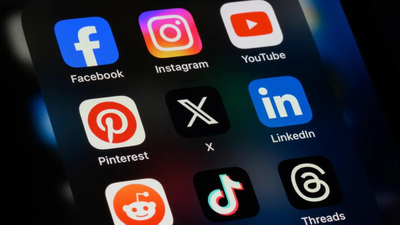
NEW DELHI: A parliamentary committee is set to recommend to government that it should explore introducing age-restrictions for social media platforms, a suggestion that will lend a legislative fillip to the demand for limiting children’s exposure to them at a time when countries around the world are warming up to the idea. The committee’s nudge to govt for limiting social media exposure for children, though it has not specified any age bracket but its suggestion appears to be aimed at them, comes amid growing call within India, including from state govts, to ban SM platforms for minors below a certain age. The parliament committee on communications and information technology, which is headed by BJP MP Nishikant Dubey, has adopted its report and is likely to table this in Parliament on Monday, people aware of the development said. It has also urged govt to consider bringing in a comprehensive legislation to prevent the misuse of Artificial Intelligence on the lines of stringent and binding laws enacted in several countries. Pitching for a comprehensive law to curb the misuse of Artificial Intelligence, the panel cited its deployment for financial frauds and intimidation besides deepfake audios and videos to back its suggestions even as it acknowledged govt’s steps to curb such incidence and protect innocent people, especially women and children. In the committee’s meetings, members cutting across party lines have flagged the growing danger of cyber crimes, which have robbed people of their lifelong savings in many cases which have hit national headlines, and asked for stringent counter measures. Currently, such cases fall under the provisions of Bharatiya Nyaya Sanhita, an omnibus set of criminal laws, and IT Act. The panel has said, “The committee opines that AI should be used ethically and responsibly. The committee is given to understand that several countries in the world have already enacted stringent and binding laws to prevent the misuse of Artificial Intelligence. It urges govt to explore the possibility of a comprehensive legislation to prevent AI’s misuse and also explore if age restrictions for certain platforms could be an option to save people from the misuse of AI.” Official sources said the reference to certain platforms is meant for social media and its adverse impact on children. While there is a recognition within govt over the issue, it has so far restricted itself to conveying concerns and calling for building a consensus over the manner of dealing with the challenge. Two Indian states, Andhra Pradesh and Telangana, have taken a stand for banning the use of children in a certain age group, but no nationwide policy on restricting social media usage exists so far. Australia became the first country to ban children under-16 having social media accounts, touching off a clamour for similar policy in different countries with several European nations now in the middle of formulating legislations. The panel said efficient use of AI will help resolve the “problems of humanity” and help common people through its integration into healthcare, education, agriculture, energy, industry and infrastructure creation. It has urged the ministry of electronics and IT to encourage specialised studies and courses in AI besides popularizing it from lower standards of schools, in colleges, academic research and PhDs and work for setting up data centres and AI Labs throughout the country.


