
The AIIMS-Delhi is studying links between exposure to air pollution, particularly fine particulate matter 2.5, and the risk of developing lung cancer. The AIRCARE study, which the institution claimed is the first of its kind, is being led by Dr Abhishek Shankar, Assistant Professor, Radiation Oncology, AIIMS. Dr Shankar said that as air pollution continues to be an increasingly significant public health concern, there is a need for research to inform policy and disease management. He said India is home to some of the most polluted cities in the world, and there is an urgent need to scientifically look at the effects of pollution on people’s health. “Lung cancer is one of the most common cancers among males in India, and there is a high number of non-smoking lung cancers among females and young adults,” Dr Shankar stated.Israel Iran WarUS-Israel-Iran War News Live Updates: Israel pounds Tehran as Iranians mark Nowruz; UAE, Kuwait defences respond to missile barrage’World’s first hit’: Iran claims strike on US F-35 lightning 2 – why it’s a big dealIran hits Ras Laffan facility: Qatar’s 17% LNG capacity gone, $20bn loss; which countries will be impacted? Air pollution has emerged as a contributing factor to lung cancer, but more evidence is needed on this issue from India, he said. “It is deeply concerning that lung cancer, once assumed to be a disease mostly associated with people who smoke tobacco, is now seeing a rapid increase in incidence amongst people who do not smoke,” Dr Shankar said. The AIRCARE study will study 1,615 lung cancer cases with 1,615 controls from family members across the Delhi-NCR. The study is a complex undertaking involving both clinical and non-clinical components, Dr Shankar said. One aspect of the study will be to employ both a cohort and case-control design to track the effects of chronic PM 2.5 exposure on lung cancer across demographics and socio-economic groups, he said. Another aspect of the study is to search for a unique genetic signature in the Indian population being exposed to air pollution. Simply put, the study will attempt to isolate an Indian population-specific genetic imprint to see whether a particular early genetic event in response to air pollution exposure develops into lung cancer later in life, Dr Shankar said. With the data, the researchers will develop a risk-based screening model based on both clinical and molecular components specific to the Indian population and exposure levels. It will also identify the susceptible population among the cohort who are more at risk of developing lung cancer, he said. “Lung cancer continues to be the second most frequent cancer in males in India and the fourth most common type for both sexes. There is an urgent need to implement policy and management strategies to tackle this disease and mitigate further loss of life,” Dr Shankar said.End of ArticleFollow Us On Social MediaVideosPM Modi Speaks To Bahrain King, Condemns Attacks On Energy Infra, Stresses Secure Shipping RoutesTrump Sending Troops To Strait Of Hormuz?; ‘Iran Being Decimated’: Bibi Denies Dragging U.S Into WarDiplomacy In New Avatar: Why Vikram Doraiwami Picked Chinese Name Wei Jiameng As India’s New EnvoyHow Iran’s Attack on Qatar’s Ras Laffan Gas Hub Sparks India’s Energy EmergencyIndian National Killed In Riyadh, MEA Confirms Total 6 Dead, 1 Missing Amid Israel-Iran WarRussia Tip Off Led To NIA Arrest Of Matthew VanDyke, Global Insurgency Network Exposed In Northeast’Some Say India Can Stop The War’: RSS Chief Mohan Bhagwat’s Big StatementPremium Petrol Prices Hiked By Up To ₹2.35 Per Litre In India Amid West Asia ConflictPakistan’s Fake War Narrative Exposed: India Busts Digital Attack After Iran’s IRIS Dena StrikeIndia Warns Against Attacks On Commercial Ships Amid Hormuz Crisis, Calls For Peace And Dialogue123PhotostoriesEid Mubarak 2026: 6 traditional Seviyan preparations that complete the Eid feasting5 most scenic riverside retreats in India perfect for April travel5 advanced features in bikes that enhance performanceWhy no one stays in this forest after sunset: Unraveling the mystery of Nidhi Van6 spiritual cities emerging as India’s real estate hotspots in 20265 ways to use avocado peel in daily meal plans10 simple activities that boost memory and cognition naturally‘Rehnaa Hai Terre Dil Mein’, ‘Andaz Apna Apna’, ‘Dhol’: Films that failed at first but became cult classics over timeInside Shiv Nadar’s Luxurious Delhi Residence: A blend of art, elegance, and grandeurDhokla recipe mistakes: 6 common mistakes to avoid while making dhokla123Hot PicksIran newsGlobal Terrorism Index 2026World Happiness Report 2026Gold rate todayIncome Tax CalculatorPublic holidays March 2026Bank Holidays MarchTop TrendingElena GaleraUttarakhand High CourtAndhra Pradesh high courtQatar LNG ExportsIran Karaj Missile PlantIsrael Haifa Refinery AttackStrait of HormuzMaharastra LocalsAli Mohammed NainiPremium Petrol Price Hike

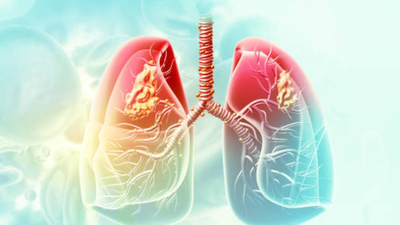
The AIIMS-Delhi is studying links between exposure to air pollution, particularly fine particulate matter 2.5, and the risk of developing lung cancer. The AIRCARE study, which the institution claimed is the first of its kind, is being led by Dr Abhishek Shankar, Assistant Professor, Radiation Oncology, AIIMS. Dr Shankar said that as air pollution continues to be an increasingly significant public health concern, there is a need for research to inform policy and disease management. He said India is home to some of the most polluted cities in the world, and there is an urgent need to scientifically look at the effects of pollution on people’s health. “Lung cancer is one of the most common cancers among males in India, and there is a high number of non-smoking lung cancers among females and young adults,” Dr Shankar stated. Air pollution has emerged as a contributing factor to lung cancer, but more evidence is needed on this issue from India, he said. “It is deeply concerning that lung cancer, once assumed to be a disease mostly associated with people who smoke tobacco, is now seeing a rapid increase in incidence amongst people who do not smoke,” Dr Shankar said. The AIRCARE study will study 1,615 lung cancer cases with 1,615 controls from family members across the Delhi-NCR. The study is a complex undertaking involving both clinical and non-clinical components, Dr Shankar said. One aspect of the study will be to employ both a cohort and case-control design to track the effects of chronic PM 2.5 exposure on lung cancer across demographics and socio-economic groups, he said. Another aspect of the study is to search for a unique genetic signature in the Indian population being exposed to air pollution. Simply put, the study will attempt to isolate an Indian population-specific genetic imprint to see whether a particular early genetic event in response to air pollution exposure develops into lung cancer later in life, Dr Shankar said. With the data, the researchers will develop a risk-based screening model based on both clinical and molecular components specific to the Indian population and exposure levels. It will also identify the susceptible population among the cohort who are more at risk of developing lung cancer, he said. “Lung cancer continues to be the second most frequent cancer in males in India and the fourth most common type for both sexes. There is an urgent need to implement policy and management strategies to tackle this disease and mitigate further loss of life,” Dr Shankar said.


