NEW DELHI: Tamil Nadu chief minister MK Stalin on Saturday announced a subsidy of Rs 2 per unit on additional electricity consumption for restaurants, tea shops, cloud kitchens and other food production units that switch from LPG to electric stoves, as the state government moves to address a fuel shortage linked to tensions in the Gulf region.The decision was taken at a review meeting chaired by Stalin at the Secretariat to assess the impact of LPG shortages on industries and the food sector and ensure their operations continue smoothly.Chairman and Managing Director of Tamil Nadu Power Generation and Distribution Corporation, J Radhakrishnan, said the disruption began after the United States and Israel launched a joint military attack on Iran on February 28, following which Tehran blocked ships passing through the Strait of Hormuz.Israel Iran WarUS-Israel-Iran War News Live Updates: ‘All oil and energy infrastructure will turn to ashes,’ says Iran after US hits Kharg IslandUs Bombs Kharg Island: Trump says raid hit Iran military targets; warns on Strait shipping’Heart of Iran’s oil exports’: US strikes Kharg Island — why it’s a big blow to TehranHe said the move affected the supply of crude oil and LPG from the Gulf region to India.Under the new measure, eateries that shift to electric cooking will receive the subsidy for the additional electricity consumed during the period when commercial LPG usage restrictions imposed by the central government remain in force.To support micro, small and medium enterprises, the state government will also provide subsidised loans for purchasing electric equipment such as stoves and heaters. Under the Unemployed Youth Employment Generation Programme, eligible entrepreneurs can avail of a 25 percent subsidy up to ₹3.75 lakh. The Tamil Nadu Women Entrepreneurship Development Scheme will provide a 25 percent subsidy capped at ₹2 lakh for loans up to ₹10 lakh to support women-led businesses.For SC and ST entrepreneurs, the Annai Ambedkar Business Champions Scheme will offer a higher capital subsidy of 35 percent, up to ₹1 crore, to promote the adoption of high efficiency electric machinery.The government also allowed industries to temporarily switch to alternative fuels such as kerosene, RDF, HSD and biomass instead of LPG and CNG. These units will not need fresh consent approvals from the Tamil Nadu Pollution Control Board and will only have to inform the authorities in advance. The relaxation will remain in place during the period of LPG and CNG restrictions.Across Tamil Nadu, about 60,698 factories operate with permission from the pollution control board using fuels such as LPG, CNG, diesel, furnace oil and firewood.The state also said Aavin cooperative societies will procure excess milk produced by farmers without restrictions. Tamil Nadu has 9,300 primary milk producers’ cooperative societies capable of handling around 55 lakh litres of milk per day.Farmers will also be allowed to sell vegetables and fruits freely in 194 Uzhavar Sandhais, or farmers’ markets, across the state to ensure their livelihoods are not affected if restaurants reduce operations due to the LPG shortage.To monitor LPG allocation to commercial establishments, the government will form a state level monitoring committee under the Chief Secretary along with district level committees headed by district collectors and officials from oil distribution companies.The state has also supplied an additional 3,228 kilolitres of kerosene this month to ration card holders through the Public Distribution System.A state government oil companies coordinator said fuel stocks remain adequate and urged people not to panic.”Petrol and diesel stocks are sufficient for one month, and further arrangements will also be made. There is no need for the public to panic. Due to rumours, petrol and diesel sales have doubled. Gas cylinders are normally supplied in urban areas once every 25 days, and there is sufficient stock for up to one month. LPG supplies will be prioritized for hospitals, schools, and college hostels,” he said.The chief minister had earlier chaired a review meeting on March 10 regarding the LPG shortage and directed departments to take measures to address the restrictions.Subsequently, the state food and civil supplies minister met industry representatives and hotel and restaurant associations on March 11 to discuss their concerns, while the chief secretary held review meetings on March 9, 12 and 13 with officials from relevant departments.About the AuthorTOI News DeskThe TOI News Desk comprises a dedicated and tireless team of journalists who operate around the clock to deliver the most current and comprehensive news and updates to the readers of The Times of India worldwide. With an unwavering commitment to excellence in journalism, our team is at the forefront of gathering, verifying, and presenting breaking news, in-depth analysis, and insightful reports on a wide range of topics. The TOI News Desk is your trusted source for staying informed and connected to the ever-evolving global landscape, ensuring that our readers are equipped with the latest developments that matter most.”Read MoreEnd of ArticleFollow Us On Social MediaVideosCentre Ends Activist Sonam Wangchuk’s Detention Under NSA After 6 Months Of Jail Over Ladakh ProtestU Visa Scam Busted: 11 Indian Nationals Accused Of Staging Armed Robberies In United StatesPM Modi Launches Mega Assam Infra Projects, Takes Sharp Dig At Congress Over Rs 24,000 Crore PushFuel Diplomacy: South Asian Neighbours Turn To India For Energy As War Disrupts Gulf Energy Routes’Netanyahu Exploited Modi Visit’: Ex-Foreign Secretary Kanwal Sibal Questions India’s Iran ResponseIran Mocks US, Says White House Now Begging India To Buy Russian Oil After Trade, Tariff PressuresModi-Jaishankar Diplomacy Pays Off? Iran Allows LPG Ships With ‘Friend’ India’s Flag Pass Hormuz‘Why Didn’t India Condemn?’ Owaisi Questions PM Modi’s Silence On Iran, Slams West Asia Policy‘Would Never Recover’: Rajnath Singh Warns Pakistan, Cites BrahMos Strike In Op SindoorPM Modi Invokes Nehru To Accuse Congress Of Spreading Misinformation During US-Iran War Crisis123PhotostoriesHow this Indian princess used her royal jewels to defy the Nazis and save livesWhat is MahaRERA? 5 important rules every homebuyer and developer should know in MaharashtraDipika Kakar opens up about her cyst removal surgery; shares, ‘People come up to me and ask me why I cry so much?’Anushka Sharma to Taapsee Pannu: Celebrities who married outside of the film circle7 types of food revolutions and how they impacted the food industry5 Unique Offerings at the Guruvayoor TempleGhaziabad set for smoother rides as new ramps planned on Hindon Elevated RoadKuldeep Yadav to marry Vanshika Chadha today: Yuzvendra Chahal shares pictures from wedding festivities, Virat Kohli and Rohit Sharma among VIP guests – All details here5 islands and coastal destinations near the Strait of Hormuz travellers rarely hear aboutTamil Nadu gets Rs 13 crore Ukkadam Bus Terminal-1 with 28 bus bays on 3.27 acres123Hot PicksIran war newsLPG crisis in IndiaIndia–South Korea tradeGold rate todayIncome Tax CalculatorPublic holidays March 2026Bank Holidays MarchTop TrendingPatrick MahomesBrittany Mahomes Net WorthWilt ChamberlainMovsar EvloevMichael BispingLPG Crisis IndiaMadison Pettis GirlfriendIran US WarIPL 2026 Chennai Super KingsMiddle East War

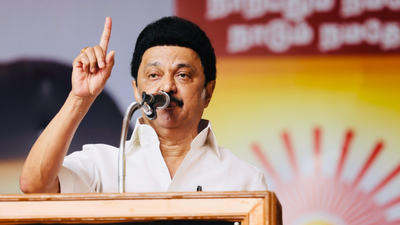
NEW DELHI: Tamil Nadu chief minister MK Stalin on Saturday announced a subsidy of Rs 2 per unit on additional electricity consumption for restaurants, tea shops, cloud kitchens and other food production units that switch from LPG to electric stoves, as the state government moves to address a fuel shortage linked to tensions in the Gulf region.The decision was taken at a review meeting chaired by Stalin at the Secretariat to assess the impact of LPG shortages on industries and the food sector and ensure their operations continue smoothly.Chairman and Managing Director of Tamil Nadu Power Generation and Distribution Corporation, J Radhakrishnan, said the disruption began after the United States and Israel launched a joint military attack on Iran on February 28, following which Tehran blocked ships passing through the Strait of Hormuz.He said the move affected the supply of crude oil and LPG from the Gulf region to India.Under the new measure, eateries that shift to electric cooking will receive the subsidy for the additional electricity consumed during the period when commercial LPG usage restrictions imposed by the central government remain in force.To support micro, small and medium enterprises, the state government will also provide subsidised loans for purchasing electric equipment such as stoves and heaters. Under the Unemployed Youth Employment Generation Programme, eligible entrepreneurs can avail of a 25 percent subsidy up to ₹3.75 lakh. The Tamil Nadu Women Entrepreneurship Development Scheme will provide a 25 percent subsidy capped at ₹2 lakh for loans up to ₹10 lakh to support women-led businesses.For SC and ST entrepreneurs, the Annai Ambedkar Business Champions Scheme will offer a higher capital subsidy of 35 percent, up to ₹1 crore, to promote the adoption of high efficiency electric machinery.The government also allowed industries to temporarily switch to alternative fuels such as kerosene, RDF, HSD and biomass instead of LPG and CNG. These units will not need fresh consent approvals from the Tamil Nadu Pollution Control Board and will only have to inform the authorities in advance. The relaxation will remain in place during the period of LPG and CNG restrictions.Across Tamil Nadu, about 60,698 factories operate with permission from the pollution control board using fuels such as LPG, CNG, diesel, furnace oil and firewood.The state also said Aavin cooperative societies will procure excess milk produced by farmers without restrictions. Tamil Nadu has 9,300 primary milk producers’ cooperative societies capable of handling around 55 lakh litres of milk per day.Farmers will also be allowed to sell vegetables and fruits freely in 194 Uzhavar Sandhais, or farmers’ markets, across the state to ensure their livelihoods are not affected if restaurants reduce operations due to the LPG shortage.To monitor LPG allocation to commercial establishments, the government will form a state level monitoring committee under the Chief Secretary along with district level committees headed by district collectors and officials from oil distribution companies.The state has also supplied an additional 3,228 kilolitres of kerosene this month to ration card holders through the Public Distribution System.A state government oil companies coordinator said fuel stocks remain adequate and urged people not to panic.“Petrol and diesel stocks are sufficient for one month, and further arrangements will also be made. There is no need for the public to panic. Due to rumours, petrol and diesel sales have doubled. Gas cylinders are normally supplied in urban areas once every 25 days, and there is sufficient stock for up to one month. LPG supplies will be prioritized for hospitals, schools, and college hostels,” he said.The chief minister had earlier chaired a review meeting on March 10 regarding the LPG shortage and directed departments to take measures to address the restrictions.Subsequently, the state food and civil supplies minister met industry representatives and hotel and restaurant associations on March 11 to discuss their concerns, while the chief secretary held review meetings on March 9, 12 and 13 with officials from relevant departments.


