
In landmark judgement, Supreme Court allows first ever passive euthanasia for 31 year-old patient in vegetative state NEW DELHI: The Supreme Court on Wednesday quoted from William Shakespeare’s “Hamlet” as it approved passive euthanasia for 31-year-old Harish Rana, who has been in a vegetative state since August 2013 following a fall from a building in Chandigarh.Also Read: SC allows withdrawal of life support in Harish Rana passive euthanasia case The ruling, delivered by a bench of Justices JB Pardiwala and KV Viswanathan, marks the first time passive euthanasia has been permitted in India. Justice Pardiwala referenced Shakespeare’s famous line, “To be or not to be,’” noting that it is now being used to judicially interpret the Right to Die.”The famous literary Shakespeare quote ‘To be or not to be’ is now being used for judicially interpreting the ‘Right to Die,” Justice Pardiwala noted at the beginning of the judgment. Israel Iran WarUS-Israel-Iran War News Live Updates: UAE embassy in Iraq attacked, Hezbollah drones target IsraelMiddle East war enters day 12 as US, Israel unleash ‘heaviest strikes’ on Iran as Tehran rules out ceasefireAli Khamenei opposed his son’s succession, but IRGC stepped in; how Mojtaba became supreme leaderThe bench also commended Rana’s parents for their care and resilience. “You are not giving up on your son. You are allowing him to live with dignity,” Justice Pardiwala said while concluding the judgment. The court reasoned that, according to medical reports, continued administration of Clinically Assisted Nutrition (CAN) would not be in Rana’s best interest. It directed the All India Institute of Medical Sciences (AIIMS) to provide facilities to shift him to its palliative care department, ensuring a dignified withdrawal of medical support.Also Read: Who is Harish Rana? Ghaziabad man in vegetative state for 12 years at centre of Supreme Court’s passive euthanasia rulingPassive euthanasia involves withdrawing life-sustaining treatment for patients in a persistent vegetative state to allow a natural death.In October 2024, the Union health ministry released draft “Guidelines for Withdrawal of Life Support in Terminally Ill Patients,” stating that such decisions must be based on a considered medical opinion. According to the draft, withdrawal of life support is permissible under four conditions.According to the draft guidelines the withdrawal includes four conditions: a) any individual declared brainstem death as per THOTA Act. b) Medical prognostication and considered opinion that patient’s disease condition is advanced and not likely to benefit from aggressive therapeutic interventions c) Patient/surrogate documented informed refusal, following prognostic awareness, to continue life support d) Compliance with the procedure prescribed by the Supreme Court. (With ANI inputs)About the AuthorTOI News DeskThe TOI News Desk comprises a dedicated and tireless team of journalists who operate around the clock to deliver the most current and comprehensive news and updates to the readers of The Times of India worldwide. With an unwavering commitment to excellence in journalism, our team is at the forefront of gathering, verifying, and presenting breaking news, in-depth analysis, and insightful reports on a wide range of topics. The TOI News Desk is your trusted source for staying informed and connected to the ever-evolving global landscape, ensuring that our readers are equipped with the latest developments that matter most.”Read MoreEnd of ArticleFollow Us On Social MediaVideosTrump Announces $300 Reliance Investment To Build Oil Refinery In Texas, Thanks ‘Partners In India’Indian Shops Attacked In London By Masked Gang, Restaurants And Stores Targeted In Wembley’We Agree To Remain…’: Jaishankar Calls Up Iran FM Araghchi Amid Looming Energy Crisis Due To War’Good Actors’: White House On ‘Temporary Permission’ To India Over Russian Oil PurchasesModi Meets Jaishankar, Puri As India Secures Energy Routes Amid Iran WarUAE Ambassador Slams Tehran Strikes, Says India’s Voice ‘Carries Weight’ In West Asia‘Iran’s New Leader Won’t Live In Peace’, Says Trump; Tehran warns ‘Beware, Lest You Be Eliminated’’Om Birla Perfected Art Of Turning Off Microphones Of Oppn MPs’: Explosive Mahua Moitra In Lok SabhaPost-Operation Sindoor, India Formalises Its Military Transformation Blueprint With Vision 2047’There’s Only One Leader Who…’: Priyanka’s Counter-Attack On Rijiju’s ‘Hug And Wink’ Dig At Rahul123PhotostoriesBreast cancer in women under 40 is rising: Doctors explain how modern lifestyle habits and stress may increase risk and the changes that can help protect women’s healthThe Caspian Sea: A ‘lake’ so huge it outsizes Japan and touches five nationsNancy Guthrie case update: FBI reviews six theories as the kidnapping mystery intensifiesGolden Retriever: 7 reasons why this dog breed is good for childrenFrom selling his trophy for Rs 400 to feed his family to owning a luxurious 4-BHK home; A look at Sudesh Lehri’s inspiring journey3 Indian pizzerias among the 50 Top Pizza Asia-Pacific 2026Shooting outside Rihanna’s home: What we know so far5 of India’s most extreme places to visit6 luxury car features that quietly make driving more comfortable8 iconic buildings and the names of famous architects who made them123Hot PicksIT rulesUAE Travel AlertUCC gender biasCovid vaccine compensation policyIncome Tax CalculatorPublic holidays March 2026Bank Holidays MarchTop TrendingIran War Impact on IndiaParliament Budget SessionGold Price PredictionMumbai TemperatureSouth Asia Country Diesel and Petrol PriceUS Iran War ImpactUAE F-16Brain dead womenBombay high courtMiddle East War

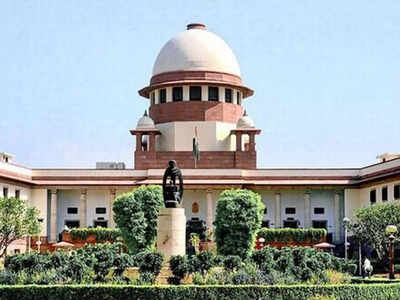
NEW DELHI: The Supreme Court on Wednesday quoted from William Shakespeare’s “Hamlet” as it approved passive euthanasia for 31-year-old Harish Rana, who has been in a vegetative state since August 2013 following a fall from a building in Chandigarh.Also Read: SC allows withdrawal of life support in Harish Rana passive euthanasia case The ruling, delivered by a bench of Justices JB Pardiwala and KV Viswanathan, marks the first time passive euthanasia has been permitted in India. Justice Pardiwala referenced Shakespeare’s famous line, “To be or not to be,’” noting that it is now being used to judicially interpret the Right to Die.“The famous literary Shakespeare quote ‘To be or not to be’ is now being used for judicially interpreting the ‘Right to Die,” Justice Pardiwala noted at the beginning of the judgment. The bench also commended Rana’s parents for their care and resilience. “You are not giving up on your son. You are allowing him to live with dignity,” Justice Pardiwala said while concluding the judgment. The court reasoned that, according to medical reports, continued administration of Clinically Assisted Nutrition (CAN) would not be in Rana’s best interest. It directed the All India Institute of Medical Sciences (AIIMS) to provide facilities to shift him to its palliative care department, ensuring a dignified withdrawal of medical support.Also Read: Who is Harish Rana? Ghaziabad man in vegetative state for 12 years at centre of Supreme Court’s passive euthanasia rulingPassive euthanasia involves withdrawing life-sustaining treatment for patients in a persistent vegetative state to allow a natural death.In October 2024, the Union health ministry released draft “Guidelines for Withdrawal of Life Support in Terminally Ill Patients,” stating that such decisions must be based on a considered medical opinion. According to the draft, withdrawal of life support is permissible under four conditions.According to the draft guidelines the withdrawal includes four conditions: a) any individual declared brainstem death as per THOTA Act. b) Medical prognostication and considered opinion that patient’s disease condition is advanced and not likely to benefit from aggressive therapeutic interventions c) Patient/surrogate documented informed refusal, following prognostic awareness, to continue life support d) Compliance with the procedure prescribed by the Supreme Court. (With ANI inputs)


