
NEW DELHI: India’s push into human spaceflight is drawing the country’s top medical institute into the mission. The All India Institute of Medical Sciences and the Indian Space Research Organisation’s Human Space Flight Centre on Monday signed an agreement to collaborate on space medicine, opening the door for research on how the human body behaves in space — and how those insights could improve healthcare on Earth.The collaboration establishes a framework for ground-based and space-based research in areas including human physiology, cardiovascular and autonomic regulation, musculoskeletal health in microgravity, microbiome and immunology, genomics and biomarkers, and behavioural health.Explaining the medical significance of such studies, Prof K K Deepak, former head of physiology at AIIMS, said research on how the human body behaves in space can also help doctors better understand diseases on Earth. Israel Iran WarUS-Israel-Iran War News Live Updates: UAE embassy in Iraq attacked, Hezbollah drones target IsraelTrump blames Iran for bombing school that killed 160; stumbles when asked about Tomahawk missileWest Asia tensions disrupt commercial LPG supply in Bengaluru, Mumbai, Kolkata“In microgravity, astronauts experience muscle loss, bone weakening and fluid shifts in the body — changes that resemble accelerated ageing. Studying these processes helps scientists understand how ageing affects muscles, bones and circulation in people on Earth,” he said.Technologies developed to counter these effects in astronauts, such as devices that improve blood flow in the legs, could also help treat patients with circulation problems and help maintain muscle strength, he added.AIIMS director Prof M Srinivas said the collaboration would open new frontiers in medical research. “This MoU will give us the escape velocity to venture into space medicine. Research between AIIMS and ISRO will benefit patients, the nation and ultimately humankind,” he said.Addressing the gathering, Narayanan highlighted the journey of India’s space programme from its early days—when rockets and equipment were transported using bicycles and bullock carts—to its present position as a global leader in space technology. He said partnerships with institutions such as AIIMS will play an important role in strengthening India’s human spaceflight capabilities.The programme also included an overview of AIIMS’ ongoing work in space medicine research presented by Prof Deepak. Officials said the partnership marks a step toward strengthening India’s capabilities in human spaceflight and biomedical research as the country advances its space ambitions.The memorandum of understanding was signed by AIIMS director M. Srinivas and Dinesh Kumar Singh, director of ISRO’s Human Space Flight Centre, in the presence of ISRO chairman and secretary, department of space, V. Narayanan, along with senior faculty and students from the institute.About the AuthorAnuja JaiswalAnuja Jaiswal is a Senior Assistant Editor at The Times of India, with an impressive 18-year career in narrative journalism. She specializes in health and heritage reporting, expertly simplifying complex health information to make it engaging and understandable for readers. Her deep dives into heritage topics are well-researched, resulting in captivating narratives that resonate with her audience. Over the years, she has worked in Chandigarh, Chhattisgarh and West UP, gaining diverse on-ground experience that shapes her storytelling.Read MoreEnd of ArticleFollow Us On Social MediaVideosIndia Clears Ghatak Development, The Stealth Drone Designed To Tear Holes In Enemy Air Defences’Flagrant Violations Of…’: India Slams Pakistan At UNSC Over Airstrikes In AfghanistanPetrol, Diesel Prices Unlikely To Rise Unless Crude Oil Breach $130 Per Barrel: Report’One Phone Call From PM Modi Can End This Issue’: UAE Envoy On Iran-Israel-US WarIndia’s Top Military Commander Says AI Will Decide Future Wars, Admit India Is Taking Baby StepsIran Defies Trump, Chooses Khamenei’s Son As Supreme Leader; U.S Bombs Iran School, Shows New VideoIs India’s Internet Connectivity At Risk With War Threatening Undersea Cables At Strait Of Hormuz?Crude Oil Rally Near 120 Dollars, Raises Big Question If India Can Survive Crisis With Russian OilUS-Iran War Triggers Massive Selloff On Dalal Street, Investors Lose Rs 12 Lakh Crore In Single DayBengal’s Tribal and SC/ST Votes In Spotlight as BJP Ramps Up Outreach Amid President Protocol Row123PhotostoriesBaby names inspired by ancient Indian literatureWhy mud homes remain cool in summers: 5 ancient homemaking techniques that need to come back7 high-protein sandwiches for a quick breakfastMeet the cast of ‘One Piece’ Season 2: Iñaki Godoy, Mackenyu, Emily Rudd, and moreDubai crown prince Hamdan’s car collection: Bugatti, Ferrari, Koenigsegg and McLaren hypercars and rare performance models6 beautiful and fragrant flowers that bloom in March’One Piece’ to ‘Alice in Borderland’: 5 must-watch live-action series adapted from Japanese mangaWhy sitting too long may silently damage blood vessels in your legs: Doctor explains the hidden risk and how to protect your circulationThe hidden story of Lalitpur’s zari silk saree: The lesser-known traditional Indian weave you need to knowGaurav Khanna opens up about his possible return to Anupamaa and addresses questions about his Bigg Boss 19 prize money and car; says, “I’m yet to receive them”123Hot PicksIran war newsUS Stock Market todayLPG new ruleDelhi-Manchester IndiGo flightIncome Tax CalculatorPublic holidays March 2026Bank Holidays MarchTop TrendingMLB Trade RumorsUS Stock Market todayUS Strike on Iran OilBengal assembly electionsBalendra ShahPakistan Fuel shortageRestaurants IT RaidDelhi Uttam Nagar murderGold Price TodayLPG cooking gas

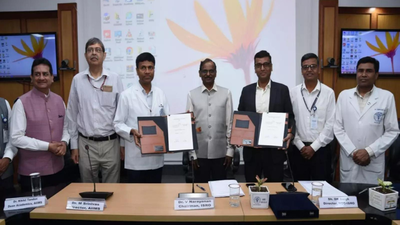
NEW DELHI: India’s push into human spaceflight is drawing the country’s top medical institute into the mission. The All India Institute of Medical Sciences and the Indian Space Research Organisation’s Human Space Flight Centre on Monday signed an agreement to collaborate on space medicine, opening the door for research on how the human body behaves in space — and how those insights could improve healthcare on Earth.The collaboration establishes a framework for ground-based and space-based research in areas including human physiology, cardiovascular and autonomic regulation, musculoskeletal health in microgravity, microbiome and immunology, genomics and biomarkers, and behavioural health.Explaining the medical significance of such studies, Prof K K Deepak, former head of physiology at AIIMS, said research on how the human body behaves in space can also help doctors better understand diseases on Earth. “In microgravity, astronauts experience muscle loss, bone weakening and fluid shifts in the body — changes that resemble accelerated ageing. Studying these processes helps scientists understand how ageing affects muscles, bones and circulation in people on Earth,” he said.Technologies developed to counter these effects in astronauts, such as devices that improve blood flow in the legs, could also help treat patients with circulation problems and help maintain muscle strength, he added.AIIMS director Prof M Srinivas said the collaboration would open new frontiers in medical research. “This MoU will give us the escape velocity to venture into space medicine. Research between AIIMS and ISRO will benefit patients, the nation and ultimately humankind,” he said.Addressing the gathering, Narayanan highlighted the journey of India’s space programme from its early days—when rockets and equipment were transported using bicycles and bullock carts—to its present position as a global leader in space technology. He said partnerships with institutions such as AIIMS will play an important role in strengthening India’s human spaceflight capabilities.The programme also included an overview of AIIMS’ ongoing work in space medicine research presented by Prof Deepak. Officials said the partnership marks a step toward strengthening India’s capabilities in human spaceflight and biomedical research as the country advances its space ambitions.The memorandum of understanding was signed by AIIMS director M. Srinivas and Dinesh Kumar Singh, director of ISRO’s Human Space Flight Centre, in the presence of ISRO chairman and secretary, department of space, V. Narayanan, along with senior faculty and students from the institute.


