
. NEW DELHI: After a year marked by an early and sharp rise in flu cases in several countries, India is set to update its seasonal influenza vaccine to better match a fast-spreading new strain.The World Health Organization has issued its annual recommendations for the 2026–27 northern hemisphere flu season, based on global surveillance data that showed a new A(H3N2) variant — known as subclade K — becoming dominant. India, as part of the northern hemisphere, follows this guidance each year to decide which strains are included in the flu shot.The new H3N2 strain appears to spread more easily than earlier versions. While it is not necessarily more severe for each infected person, its higher transmissibility has led to increased case numbers and earlier-than-usual flu activity in many regions.Israel attacks IranUS-Israel Attack Iran Live Updates: US, Israel continue bombing in Iran; Israeli jets strike Hezbollah targets in Lebanon’s BeirutIran war: Hezbollah fires at Israel; US releases IRGC HQ strike video – 10 key pointsWatch: Israel uses Iron Beam to intercept rockets midair for first time — how it works“The updated recommendations are timely, given the rapid global spread of the new A(H3N2) variant,” said Dr Rommel Tickoo, Director of Internal Medicine at Max Hospital, Saket. “H3N2 strains are often linked to more severe illness, especially in the elderly and those with other medical conditions. Since influenza viruses keep changing, updating the vaccine each year is critical. Early vaccination of high-risk groups can reduce complications and hospital admissions.”WHO has recommended updated components for H1N1, H3N2 and B/Victoria strains for the upcoming season. Indian vaccine manufacturers will now align production to match these strains so doses are available before peak transmission.Doctors advise getting the flu shot before winter. Those who should prioritise vaccination include elderly adults, pregnant women, healthcare workers, young children, people with chronic diseases, immunocompromised individuals and adults over 50 with underlying health conditions.Seasonal influenza causes an estimated 290,000 to 650,000 respiratory deaths globally each year. While India does not have a universal flu vaccination programme, experts say annual vaccination remains important for vulnerable groups.With the updated strains announced, Indian regulators are expected to review and clear the revised formulation soon, allowing manufacturers to begin production ahead of the 2026–27 flu season.About the AuthorAnuja JaiswalAnuja Jaiswal is a Senior Assistant Editor at The Times of India, with an impressive 18-year career in narrative journalism. She specializes in health and heritage reporting, expertly simplifying complex health information to make it engaging and understandable for readers. Her deep dives into heritage topics are well-researched, resulting in captivating narratives that resonate with her audience. Over the years, she has worked in Chandigarh, Chhattisgarh and West UP, gaining diverse on-ground experience that shapes her storytelling.Read MoreEnd of ArticleFollow Us On Social MediaVideosPM Modi Dials Netanyahu After Khamenei’s Death, Urges Early Cessation Of HostilitiesViolent Protests In Pakistan Leave 21 Dead, Karachi Consulate Clashes Spark Nationwide UnrestPM Modi to Convene Urgent CCS Session Tonight as Middle East Crisis Deepens Post Iran Strikes15 Indian Crew Members Aboard Palau‑Flagged Tanker Evacuated After Attack Near Strait of HormuzGlobal Inaction Could Prove Costly, Warns Former Envoy As Iran Tensions Spiral DangerouslyDeadly Clashes In Karachi Near US Consulate Leave 9 Dead, 32 InjuredJaishankar Dials Iran, Israel FMs & Gulf Leaders, Stresses Safety Of Indian Nationals Amid ConflictAfter Khamenei Killing Owaisi Warns Prolonged War May Trigger Oil Price SurgeMassive Flight Cancellations Hit India As Iran War Disrupts West Asia AirspaceIran’s Strike On Saudi Arabia Forces Pakistan To Choose Between Alliance And Survival123PhotostoriesBaby names inspired by hope and new beginnings12 vegetarian dishes so satisfying you won’t miss meatHolika Dahan 2026: 5 Mantras to chant to remove negativityYour evening habits might be slowing your metabolism: 5 must follow habits that will boost your digestion and help with weight lossWhy so many Indians have borderline thyroid reports and ignore them: What you should do before it turns seriousExclusive – From Khanzaadi calling her ‘Criminal’ to vulgar gesture allegations and addressing Rajat Dalal as her brother; Chahat Pandey responds to ‘The 50’ dramaSouth Delhi’s costliest streets: Where homes are valued in hundreds of croresVegetarian foods that have more protein than fish: Experts reveal 6 foods and why they might be a healthier optionSilent dehydration: 7 signs you might not be drinking enough water7 chicken starters you can make in just 15 minutes123Hot PicksIsrael Iran warWest Bengal SIRGold rate todayDubai airportIncome Tax CalculatorPublic holidays March 2026Bank Holidays MarchTop TrendingTaylor SwiftUS Israel Strike IranTop Stock RecommendationsCBSE postpones Class 10 and 12 board examsMichael MoralesNFL International Games ScheduleMiddle East CrisisQatar AirwaysICAI CA Final Result JanuaryHow to get Grace Ashcroft skin in fortnite

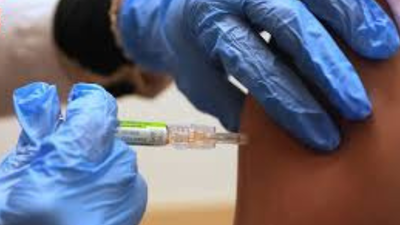
NEW DELHI: After a year marked by an early and sharp rise in flu cases in several countries, India is set to update its seasonal influenza vaccine to better match a fast-spreading new strain.The World Health Organization has issued its annual recommendations for the 2026–27 northern hemisphere flu season, based on global surveillance data that showed a new A(H3N2) variant — known as subclade K — becoming dominant. India, as part of the northern hemisphere, follows this guidance each year to decide which strains are included in the flu shot.The new H3N2 strain appears to spread more easily than earlier versions. While it is not necessarily more severe for each infected person, its higher transmissibility has led to increased case numbers and earlier-than-usual flu activity in many regions.“The updated recommendations are timely, given the rapid global spread of the new A(H3N2) variant,” said Dr Rommel Tickoo, Director of Internal Medicine at Max Hospital, Saket. “H3N2 strains are often linked to more severe illness, especially in the elderly and those with other medical conditions. Since influenza viruses keep changing, updating the vaccine each year is critical. Early vaccination of high-risk groups can reduce complications and hospital admissions.”WHO has recommended updated components for H1N1, H3N2 and B/Victoria strains for the upcoming season. Indian vaccine manufacturers will now align production to match these strains so doses are available before peak transmission.Doctors advise getting the flu shot before winter. Those who should prioritise vaccination include elderly adults, pregnant women, healthcare workers, young children, people with chronic diseases, immunocompromised individuals and adults over 50 with underlying health conditions.Seasonal influenza causes an estimated 290,000 to 650,000 respiratory deaths globally each year. While India does not have a universal flu vaccination programme, experts say annual vaccination remains important for vulnerable groups.With the updated strains announced, Indian regulators are expected to review and clear the revised formulation soon, allowing manufacturers to begin production ahead of the 2026–27 flu season.


